Some people might roll their eyes if you tell them you want to be an influencer, but the creator economy is now worth over $250 billion, and it's not slowing down any time soon. And if you want to become an influencer, you're far from alone. More than half of Gen Zers say they'd pursue a career as a creator given the chance, and not just because of the potential earnings — the flexibility, creative freedom, and ability to build something that’s genuinely yours are the real draw.
Even so, being a creator is a lot of work, and, like any career path, there's no secret formula for success. Most influencers who have ‘made it’ will tell you that perseverance and determination are what will get you farther than anything else. If you’ve got that, the next thing you need is a solid plan you can act on to kickstart your rise to internet fame. That’s where this guide comes in.
Ahead, we’ll cover everything from picking your niche and choosing a platform to building a content strategy, landing your first brand deal, and all of the other stuff about being a creator nobody warns you about.
TL;DR
- Becoming an influencer starts with picking a niche and choosing the right platform for your content style. You can’t just post randomly and hope something sticks.
- You don't need millions of followers to earn money. Nano and micro creators often land brand deals these days.
- The bulk of the work comes from the need to post consistently and engage with your audience.
- Automation tools can help with the latter, answering questions, collecting emails, and closing sales while you sleep.
Influencer Size Niches (and Where You Fit)

Influencers are creators whose opinions, recommendations, and tastes actually impact their audience’s purchase decisions. If you create content and have an engaged online following that you monetize in any way, congrats — you’re an influencer.
There are four size tiers for influencers, and they all have their pros and cons:
- Nano: Creators with under 10,000 followers who have tight-knit, highly engaged communities.
- Micro: Niche-focused creators with 100,000 followers or fewer.
- Macro: Well-known personalities with a significant follower base, typically between 100,000 and 1 million followers.
- Mega: Celebrity status, with millions of followers.
Typically, engagement rate decreases as follower count increases. That’s the main thing to keep in mind as you envision your goal as a creator.
Picking a niche
You're probably reading this because you already have something in mind to create content around, but let's make sure it'll actually stick.
Don't just start creating — make a plan. Creating food videos isn't enough. You need to get specific. What are you really interested in? Maybe it's crafting creative dishes from leftovers or recreating luxurious dishes on a budget. Come up with a general topic or area of interest you want to explore as a creator, then think about your unique angle or spin on it.
Once you have a niche in mind, validate that it’s something people are interested in.
- Search for it: Are people actually looking for this content? Check what's trending on Instagram, TikTok, and YouTube in your niche. If nothing’s coming up, that's either a red flag or a massive opportunity — but you need to know which one.
- Scope out the competition: See who’s big in your niche. Crowded isn't necessarily bad (it proves demand), but you'll need a distinct angle. What can you bring to the feed that the top creators in that space aren't doing?
- Test before you commit: Post three to five pieces of content in your potential niche before declaring it your whole identity. See what resonates, what falls flat, and what you actually enjoy making.
For a deeper dive on niches, check out: Which Type of Influencer Are You?
Know who your audience is
Before you start creating, spend some time figuring out who you're creating for. Understanding your audience shapes everything — your content topics, your posting schedule, your tone, and even which platform you should prioritize.
You don't need a marketing degree for this; just look at who follows creators similar to you and read the comments on their posts. What questions keep coming up? What do people complain about? What do they wish existed? Those gaps are content goldmines.
Once you start posting, your platform analytics will tell you even more — age ranges, locations, when your followers are online, and which posts they actually engage with. Pay attention to that data early. The creators who grow fastest are making content their audience needs, not just content they will like.
Instagram, TikTok, or YouTube: Which platform should you focus on?
Creators are most interested in YouTube, TikTok, and Instagram, but each platform rewards different strengths. When you’re deciding which platform to focus on, it’s best to consider the kind of creator you want to be.
- Instagram is ideal if you're building a personal brand or business around visual content. Reels help new people discover you, Stories keep your audience engaged between posts, and DMs make it easy to build relationships that turn into customers. It's a natural fit for creators in fashion, beauty, food, travel, fitness, and other lifestyle niches.
- TikTok is built for rapid discovery. The algorithm prioritizes engaging content over follower count, giving new creators a real chance to reach large audiences. If you can grab attention quickly and enjoy making short, entertaining, or educational videos, TikTok can help you grow fast.
- YouTube rewards creators who go deeper. Tutorials, reviews, interviews, and long-form storytelling continue attracting viewers long after they're published, making YouTube one of the best platforms for evergreen content. It's also one of the strongest options for creators looking to build sustainable income through ads and other monetization features.
You don't have to pick just one. Many successful creators use TikTok or Instagram to reach new audiences, then direct followers to YouTube for longer content (or vice versa). Start with the platform that matches your strengths, then expand once you've found your rhythm.
Content Planning: Building a Foundation For Your Account

All the niche clarity and platform knowledge in the world won't matter if you don't actually post. And post consistently, at that.
This is where most aspiring creators stall out. Having a system can help.
Start by defining three to four content pillars — recurring themes that your audience can expect from you. A fitness creator's pillars might be workouts, nutrition tips, and day-in-the-life vlogs. A small business owner might rotate between behind-the-scenes content, product showcases, and customer stories. Pillars keep you from staring at a blank screen, wondering what to post.
Then, batch your content. Set aside one or two days to film and edit multiple pieces at once, so you're not scrambling to create something new every single day. Recently, Instagram Head Adam Mosseri has said that creators should always capture video vertically and add subtitles since content is often viewed without sound.
Set a posting schedule you can realistically maintain — not a sprint pace you'll abandon in two weeks. Three reels a week are better than seven for one week, then radio silence for a month. Your audience (and the algorithm) like it when you show up regularly.
Use hashtags strategically. Instagram now limits posts to five hashtags.
Write captions that include searchable keywords, and optimize your bio so people know exactly what you're about within three seconds. On YouTube, your titles and descriptions are basically SEO — treat them that way.
Make engagement part of the plan
Posting is great, but building a community that actually cares is how you thrive as a creator. To do that, you need to engage. Respond to every comment and DM, especially early on. Use Stories for polls and Q&As. Ask your audience what they want to see next and then actually make it.
Brands care more about your engagement rate than your follower count. A nano-creator with 5,000 followers and a 7% engagement rate might be more valuable to a brand than someone with 100,000 followers and a 0.5% rate. Engagement is proof that people are paying attention, and that's what gets you paid.
As your audience grows, responding to every message manually becomes impossible. You'll hit a wall where you're spending more time in your DMs than actually creating.
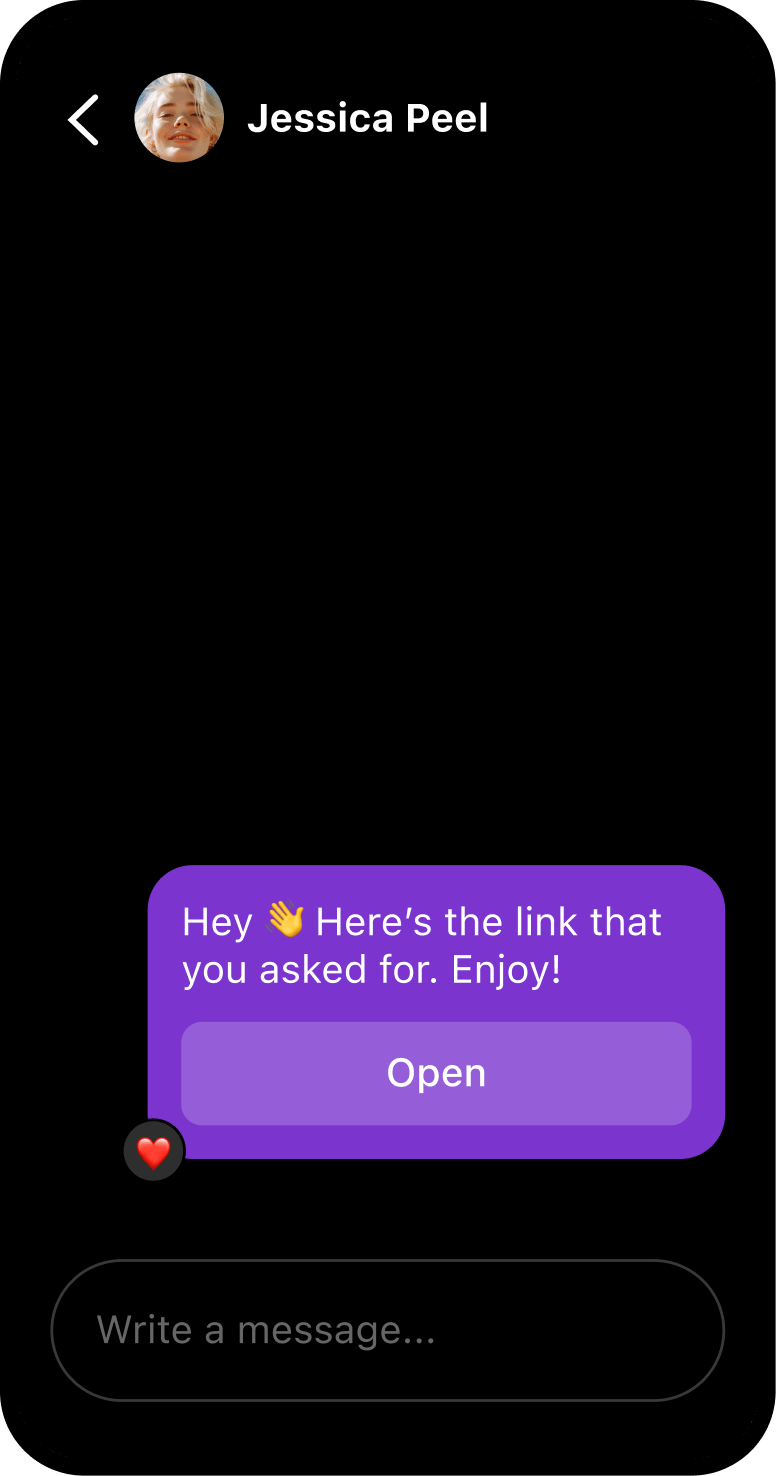
This is when you start automating your DMs. Tools like Manychat (that’s us) let you automate responses to comments and messages on Instagram, Messenger, and TikTok. For example, you can use Manychat to send links, answer FAQs, and deliver freebies, you name it. It’s a great way to make sure that your followers feel taken care of without you having to manually type until your fingers bleed.
Give it a try; it’s free to start.
How Creators Make Money
Being a creator is essentially being an entrepreneur. Most creators have multiple income streams, including things like:
- Brand sponsorships: Companies pay you to feature their product or service in your content. This is the most visible revenue stream and scales with your audience size and engagement.
- Affiliate marketing: You share a unique link or code and earn a commission every time someone buys through it. Great for smaller creators because there's no follower minimum.
- Digital products: Courses, templates, e-books, presets; anything you create once and sell repeatedly. High margins, no inventory.
- Platform creator funds: Instagram badges, gifts, and bonuses, TikTok's creator programs, and YouTube AdSense all pay creators directly based on content performance.
- Paid subscriptions and memberships: Exclusive content behind a paywall; think close friends lists, Patreon, or subscriber-only newsletters.
- Services: Coaching, consulting, freelance work; your expertise becomes the product.
Creator tier | Follower range | Estimated earnings per post | Best revenue streams |
|---|---|---|---|
Nano | < 10,000 | $10–$250 | Affiliate links, digital products, small brand deals |
Micro | 15,000–75,000 | $250–$1,500 | Brand sponsorships, affiliate marketing, and digital products |
Macro | 75,000–1,000,000 | $1,500–$10,000 | Sponsorships, ad revenue, courses, memberships |
Mega | 1,000,000+ | $10,000+ | Major brand deals, licensing, and product lines |
Payouts vary wildly by niche — finance and tech creators tend to earn more per post than lifestyle creators at the same follower count. Also, influencer income growth isn't linear. It often looks like nothing, nothing, nothing... then a big jump.
How to land collaborations and brand deals
Collaborating with other creators and brands is how most influencers accelerate their growth and income.
For creator collabs, start by engaging genuinely with people in your niche. Comment on their posts, share their content, and build a real relationship before you pitch a collab. Nobody likes a cold DM that says "let's collab!" with zero context. When you do reach out, be specific: Propose an idea, explain why it'd be valuable for both audiences, and make it easy to say yes.
Related: Instagram Collab Posts: How They Work and When to Use Them
We have a whole guide on how to land your first brand deal, so don’t miss that. One of the best ways to get the ball rolling is to join platforms that connect brands and influencers, such as Instagram's Creator Marketplace and TikTok One.
In the early days, you’ll probably have to pitch yourself, so dedicate some time to making a media kit. A media kit is basically a one-page resume for the personal brand you've been building. Include your bio, niche, audience demographics, engagement rate, past collaborations (if any), and contact info. One page is fine to start. Having one ready — even at the nano level — signals professionalism and makes it dramatically easier for a brand to say yes.
It's important that you maintain trust with your audience and that you're transparent about what you're doing. (Plus, it's legally required to disclose when you're compensated — including adding a paid partnership label — even if it's not actual cash.)
The Stuff Nobody Warns You About

The downside to following your dreams of becoming a creator is that it's an extremely crowded and competitive space. Finding an untapped niche is difficult, building a loyal audience is tough, and trying to keep up with an endless feed often leads to burnout.
You're also always being pulled in two directions — what your audience wants and what the platform's multiple algorithms want. The algorithm can be your best friend or your enemy — especially now that users can adjust their reel algorithm directly.
Income inconsistency is another reality nobody talks about enough. One month, you might land three brand deals; the next month, crickets. If you're considering going full-time, build an emergency fund first — at least three to six months of expenses — so a slow month doesn't send you spiraling.
If you become a well-known creator, a final challenge can be one that anyone in public life has had for generations — a lack of privacy, unwanted attention, people overly examining every word you've ever said, and what is expected of you can feel overwhelming.
Trolls and unsolicited opinions
You don't need a thick skin, but you do need a game plan for negative feedback. Some industries are much more inundated with it than others. Like fashion, for example. Post something that features a human body of any shape or size, and someone is going to share their unsolicited opinion.
Some people delete rude comments and move on, while others have sassy retorts. Before it ever comes up, you'll need to ponder what approach suits you best.
Creator burnout
You may find yourself so deeply involved in content creation that it can be hard to tell what is fun and what is work. Give yourself a break when you need it. Automation can help — the less time you spend manually replying to the same DM questions over and over, the more energy you have for the creative work that got you started in the first place.
The legal stuff (contracts, IP, etc.)
Another challenge to prepare for is navigating legalities when creating content. You'll want to know the basics of intellectual property rights and federal guidelines for sponsored content. You should also have a general understanding of contracts (or be able to have an attorney review them).
Like horror stories? Try this one: What Happens When AI Turns Creators Into Ads They Never Approved?
Creator skills we don’t talk about enough
In this career, staying educated isn't optional — and not just based on your gut instincts, but on actual research. The platforms constantly change their algorithms, trends shift, audience behavior changes over time, and new content formats emerge.
On top of all that, there are specific skills that separate hobbyists from creators who actually earn a living:
- Video editing: You don't need to be a pro, but knowing your way around CapCut or a similar tool will make your content look polished without taking forever to produce.
- Copywriting: A great video with a boring caption is a missed opportunity. Learn to write hooks and CTAs that stop the scroll.
- Analytics: You need to know what your numbers mean — likes, views, saves, shares, and interactions all tell you what's working and what to double down on.
- Community management: As your audience grows, you'll need systems to handle DMs, moderate comments, and keep conversations going.
- Admin: Invoicing, taxes on creator income, reading contracts before you sign them — the unglamorous stuff that keeps you from getting burned.
You don't need to master everything on day one. But commit to learning something new every month, and you'll be miles ahead of creators who just wing it.
If you made it this far, you’re definitely gonna succeed. You're going to keep posting, learning new trends and tools, and pushing ahead when someone is rude. Right? Right.
Frequently asked questions
Start by picking a niche you care about, choosing a platform to focus on, and committing to a consistent posting schedule. You can refine your content style, audience targeting, and monetization strategy as you go. The most important thing is to start creating and engaging from day one.
Yes. Creators earn money through brand sponsorships, affiliate commissions, digital product sales, platform creator funds, and more. Income varies widely based on follower count, engagement rate, and niche, but even nano-creators with small audiences can generate meaningful income through multiple revenue streams.
Yes. Smaller, engaged audiences often deliver better results for brands than massive followings, and you can earn through affiliate links and selling your own digital products regardless of follower count. What matters more than the number is whether your audience trusts your recommendations and takes action on them.
There's no fixed timeline. Most creators spend six to 18 months building a consistent posting habit and engaged community before landing their first paid opportunity. Some niches move faster than others, and creators who post consistently and engage actively tend to hit milestones sooner than those who post sporadically.
No. A smartphone with a decent camera is enough to get started, and most successful creators began with no professional gear. Good lighting (even a window works), clear audio, and strong ideas matter far more than fancy equipment. Invest in better tools as your income grows, not before.


Originally published: Sep 18, 2024, Updated: Jul 6, 2026
More stories worth reading
More content that's too good to miss