Small Following, Big Potential: Nano Influencers Are Taking Over

Since the dawn of social media, the goal has always been the same: get more followers. No, more. More!
But at some point, the people you actually want to connect with start getting lost in the sauce, buried among notifications, spam, and bots.
This is a problem because for most creators, the goal isn’t just sheer numbers. It’s to find *your* people— the ones who will support your business, buy your stuff, and show up to your events.
Therein lies the beauty of being a nano influencer. With a smaller audience, you can build real relationships with your followers and create the kind of trust that bigger accounts struggle to achieve. Let’s discuss.
The Rise of the Nano Influencer

Nano influencers are creators with between 1,000 and 10k followers. Today, nano influencers make up the majority of the creator ecosystem; nearly 76% of influencers on Instagram are considered nano creators.
For years, influencer marketing was all about maximizing reach. Working with bigger creators meant a bigger reach, which (in theory) led to better results. But now, brands are realizing that reach ≠ impact. So, instead of paying a premium to partner with a single macro influencer on a campaign, many brands are opting to work with multiple nano creators.
I’m not musing here; over half (54%) of marketers primarily work with nano and micro creators, according to Aspire’s 2026 State of Influencer Marketing report. Only 2% work with mega influencers (those with over 1 million followers).
Why? Because nano influencers consistently outperform larger creators in engagement, trust, and conversions. In fact, they often see engagement rates exceeding 8% (compared to the average < 3% for macro creators). They also have conversion rates two to three times higher than macro influencer campaigns.
The difference here is specificity; working with a nano influencer doesn’t just get your product in front of more people — it gets it in front of the right people, whether that’s a bunch of femmes who want to party in a safe space or a community of executives who don’t know how to be themselves on camera (don’t worry, that will all make sense soon).
Read more: The Influencer Marketing Trends Changing How Brands and Creators Collaborate
How Nano Creators are Approaching Their Social Strategy Today
Enough data and theorizing. Let’s hear from the creators themselves, shall we?
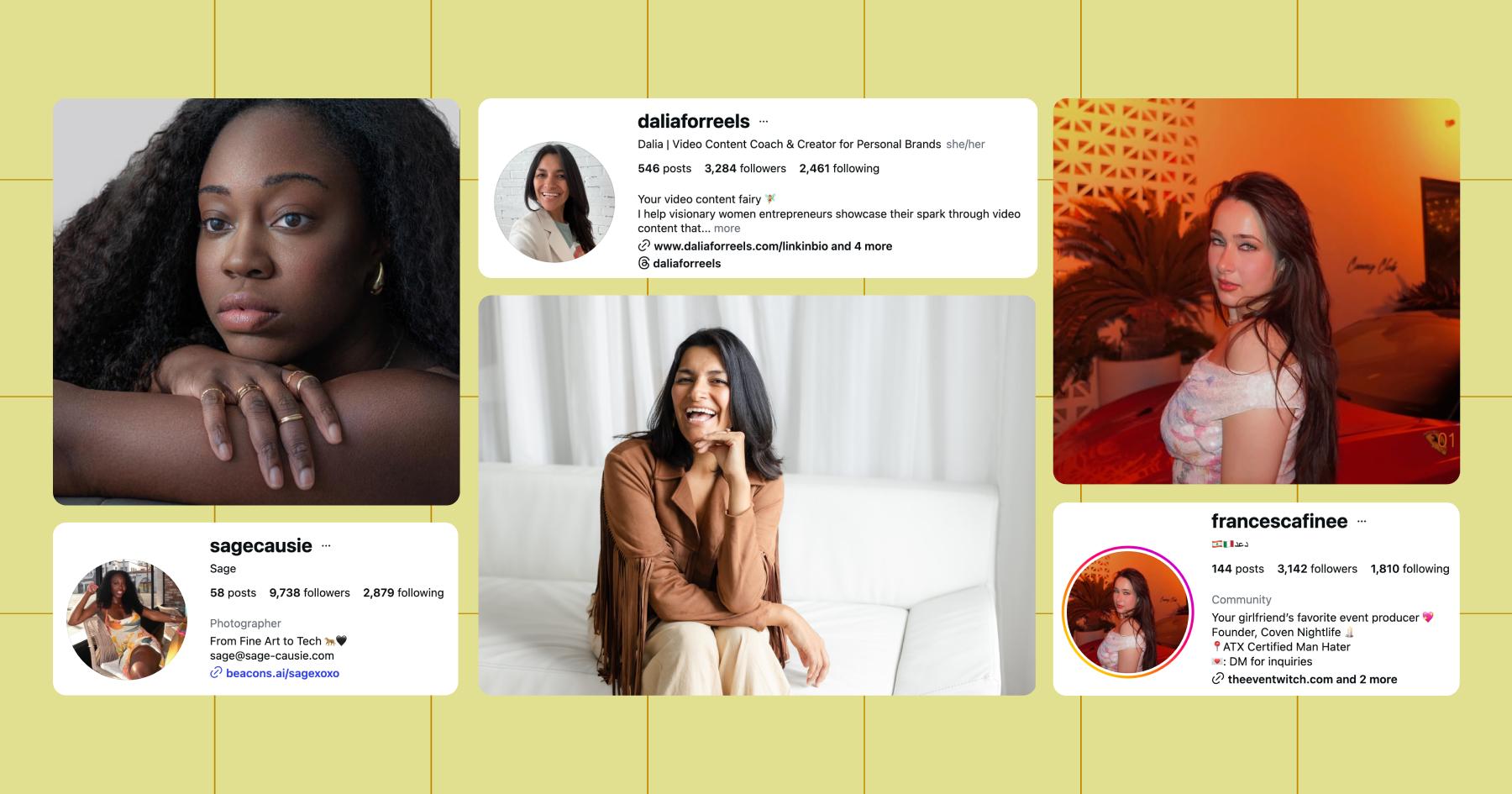
I talked to three nano creators, and our conversation — which was a group discussion, BTW — revealed some interesting patterns about the nano creator experience.
- Sage Gee @sagecausie: Sage is a photographer, creator, and software developer. “I’m adding founders to that list because I’ve launched two apps,” she says. (More on those in a bit.) She’s been creating content since the Myspace days, but today she’s mostly on Instagram and TikTok.
- Dalia Van Lom @daliaforreels: Dalia is a true Instagram content creator. Her niche is video content creation for personal brands. She works with executives, coaches, and service providers. “I showcase them as an expert, but I also show their personality, their vibe, their spark, because that’s what attracts people to you,” she says.
- Francesca Daad Ghizzoni @francescafinee: Francesca is a niche femme nightlife community curator. Today, she’s building a community (The Coven) across Instagram and TikTok, but truthfully, Francesca has been creating content for a very long time. She had a YouTube channel when she was younger that she was very dedicated to.
“I decided to go back into creating content after I was in the producer space for concerts for 11 years. I got burnt out having to put on this very masculine presence to be in the room with The Zombies and Rolling Stone and Billboard,” she says.
(Full disclosure, Francesca is also Manychat’s events and experiences producer, and she kicks ass at it. If you were in Austin for SXSW, you might have seen her running around at the Hub | Club.)
If you’re curious about the nano influencer experience, including how they think about growth and monetization, read on.
They’re niche by design
If there’s one thing all three of these creators have in common, it’s that they’re very specific about what they do. They’re not trying to appeal to everyone, and as we’ve already established, that’s exactly what makes the followings that pop up around nano creators so special.
Dalia, for example, is very specific about who her content is for. She describes her clients as “visionary women business owners, coaches, or service providers who need content that reflects both their expertise and their personality.”
And there’s no confusion about that; her bio literally says, “I help visionary women entrepreneurs.”
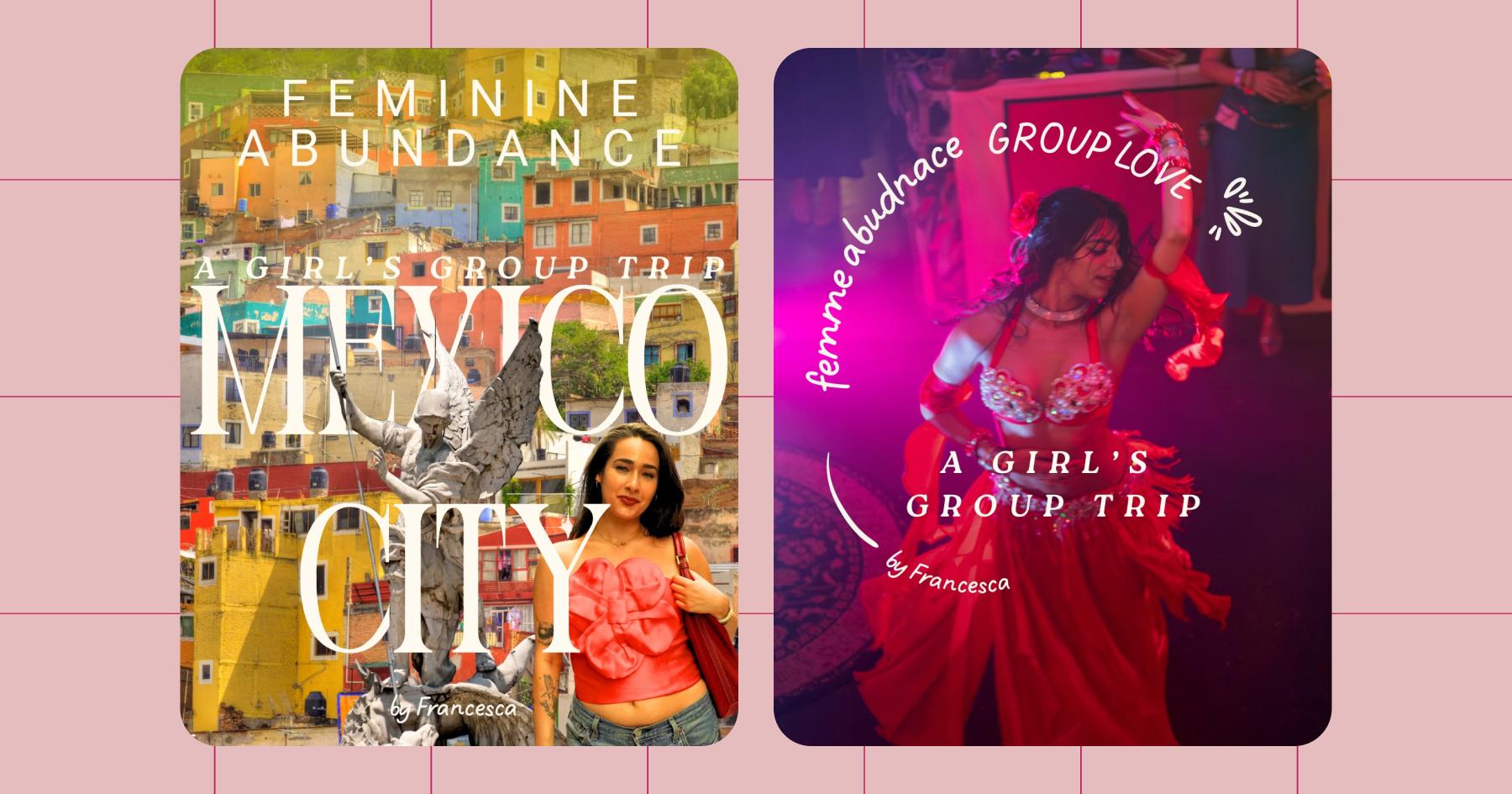
Francesca also has a vision of what she wants to build, both online and offline. She’s creating a nightlife community that’s “super, super niche, predominantly in femme and girly-pop spaces.”
You’ll never see a random post or event promo on her page — everything feels curated; feminine, stylish, and dramatic. She’s also willing to protect her community (The Coven, as she’s named it) to the extent of pissing some people men off.
They’re builders, not influencers
Nano creators aren’t just content creators (although that is a part of their job); they’re building things.
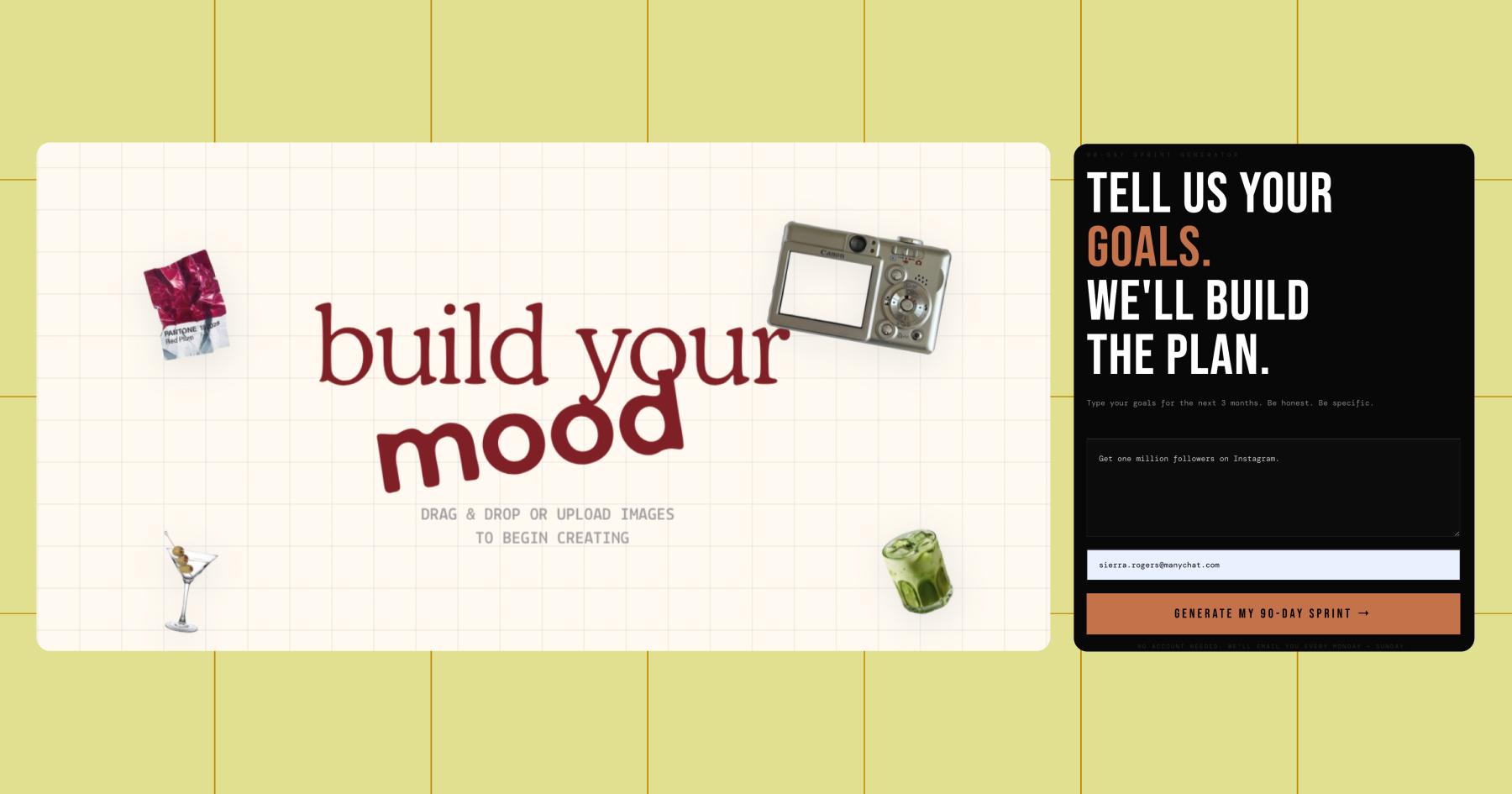
Let’s talk about Sage. Sage has built two apps: Museboard, a desktop app for creating moodboards, and Sprint, which lets you generate a 90-day sprint plan to accomplish any goal.
These apps (and the others I’m sure she’ll make in the future) are how Sage monetizes. And while brand deals may come and go, this is an income stream she has full ownership over.
“My ultimate goal is to be able to take a step back from content creation and have my apps be at the forefront. I’ve been doing it for so long; I’ve seen the ebbs and flows of content creation.”
“I’m just at a stage where I would like other things to shine. I want to create something where I don’t have to be present in content every day for it to work,” Sage says.
Francesca has also built something of her own: the aforementioned Coven, a list of friends and contacts who are interested in the unique events she produces (most recently, a 4/20 Fairy Fest). She uses The Coven to promote these events, with ticket sales being her primary form of monetization.
“That’s simply so that I can pay the people on my team for these events and not necessarily for any larger business purposes,” she says. Meaning, she’s not making bank from the Coven just yet.
Finally, Dalia has built her own content-creation business that she runs full-time (hosting workshops and creating videos for others).
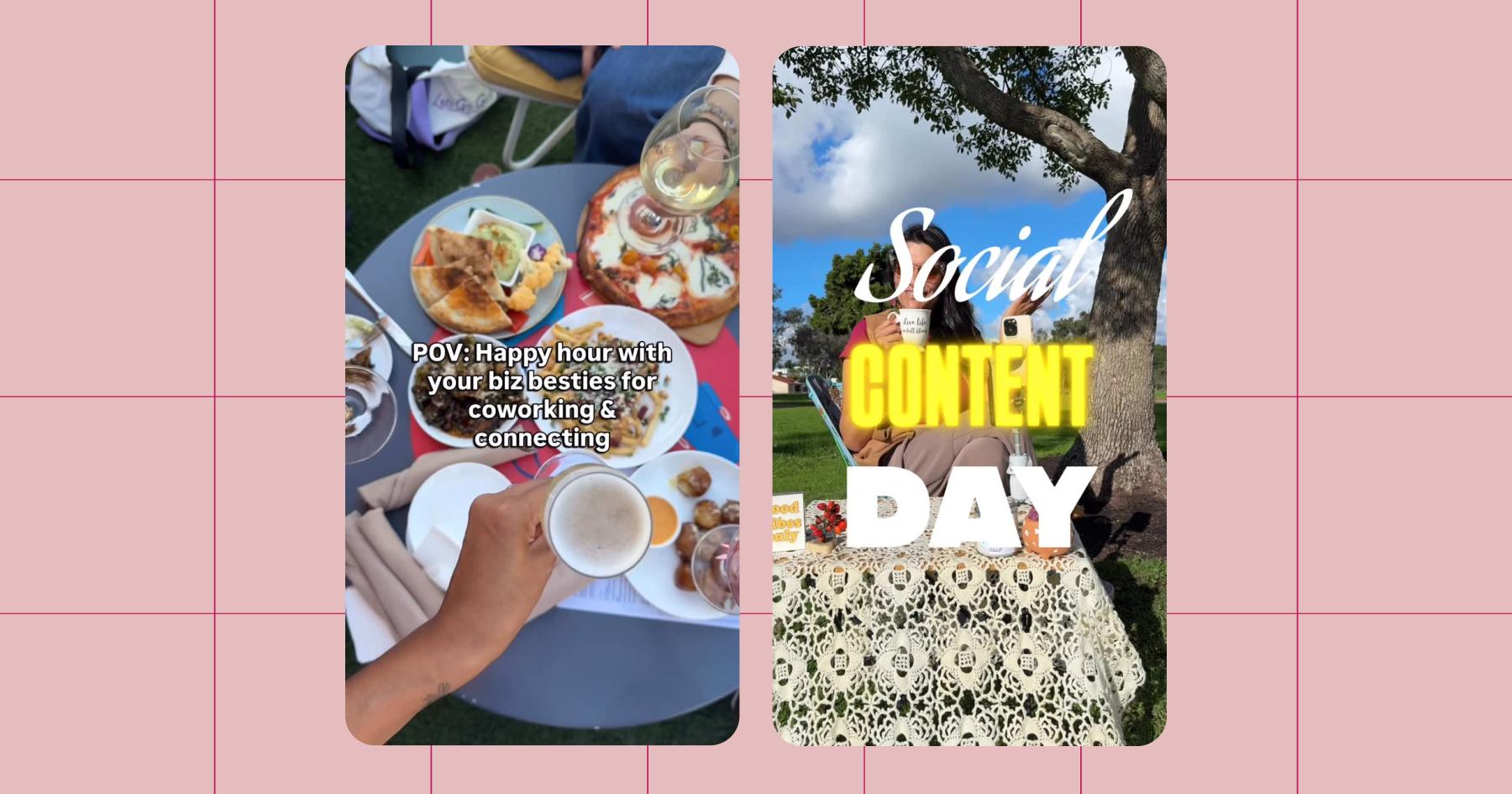
“I do VIP one-on-one sessions where we go through a whole branding session, and you get to be showcased through video. I also do something really fun, social content days, where I rent a studio or a home, and I create different content creation stations,” she says.
If there’s anything we can learn from Sage, Francesca, and Dalia about nano creators, it’s that content is part of what they do, but it’s not the business plan. If anything, it’s how they market their real business.
They know a relevant follower > any follower
Sure, follower count is always going to be something people think about. But it’s not the main goal for nano creators. Instead, they’re interested in connecting with people who want to be a part of the specific things they’re building.
And it makes sense. If you’re building a community (especially one that exists offline, too), follower count doesn’t mean much if those people aren’t doing anything. Easy example: One new femme follower who lives in Austin, TX, and loves to go out is a lot more valuable to Francesca than 20 dudes from all over the U.S. who follow her.
Dalia literally keeps track of the people she meets through her content because, for her, the goal isn’t to go viral and gain a million followers; it’s to attract the right people and turn them into clients. “I don’t go for likes, comments, and views. I go for leads,” she says.
She’s also thinking about how to bring people together in a more meaningful way, whether that’s through her social content days or an entirely new offering. “I’m hoping to grow my community tighter and eventually do retreats,” she says.
And that’s really what this shift toward nano influencers is about. They may have smaller audiences, but they’re typically more supportive than those of larger creators.
If you’re aspiring to be a nano creator, keep this in mind when the comparison trap strikes. And if you’re thinking about working with one, you probably should. 😉
Frequently asked questions
Nano influencers typically have between 1,000 and 10,000 followers. But as you’ve probably gathered by now, follower count isn’t the most important thing here. What really defines a nano influencer is the strength of their connection with their audience.
It mostly comes down to audience size. Nano influencers have between 1,000 and 10,000 followers, micro influencers have between 10,000 and 100,000 followers, and macro influencers have 100,000 to 1,000,000 followers.
In many cases, yes. Nano influencers often see higher engagement rates and stronger conversion performance than larger creators because their recommendations feel more like advice from a friend than a paid ad. Their audiences are smaller, but they’re also more trusting and more likely to take action.
It depends, but nano influencers are generally more affordable than larger creators. Some charge a few hundred dollars per post, while others may work in exchange for free products or services — especially if they genuinely like the brand.
That said, many nano creators (like the ones in this article) don’t rely heavily on brand deals at all. Instead, they monetize through their own offers, whether that’s services, events, products, or something else entirely.

Originally published: May 4, 2026, Updated: May 8, 2026
More stories worth reading
More content that's too good to miss