Some influencers make a steady income off a few thousand followers; others have millions of followers but little engagement. And then some people go viral once, gain 200k followers overnight, and think, “…okay, so now what?”
No matter where you are in the mix, the reality is that most influencers are defined by two things: following size and niche. Let’s break it down.
Types of Influencers by Follower Count

Ah, the ol’ “does size matter?” question. And when it comes to being a creator, the truth is that following size does matter, but not as much as engagement rate and niche.
Even so, if you want to monetize as a creator, you should know where you fall based on your following size.
- Nano influencer: < 10,000 followers
- Micro influencer: between 10,000 and 100,000 followers
- Mid-tier influencer: between 100,000 and 500,000 followers
- Macro influencer: between 500,000 and 1M followers
- Mega influencer: 1M or more followers
As a nano-influencer, you can start pitching user-generated content (UGC) and using affiliate links. When you get to the micro level, you can start landing brand deals and building your own stuff (digital products, subscriptions, etc.).
Got goals? How to Grow Your Following on Instagram
8 Popular Influencer Niches in 2026
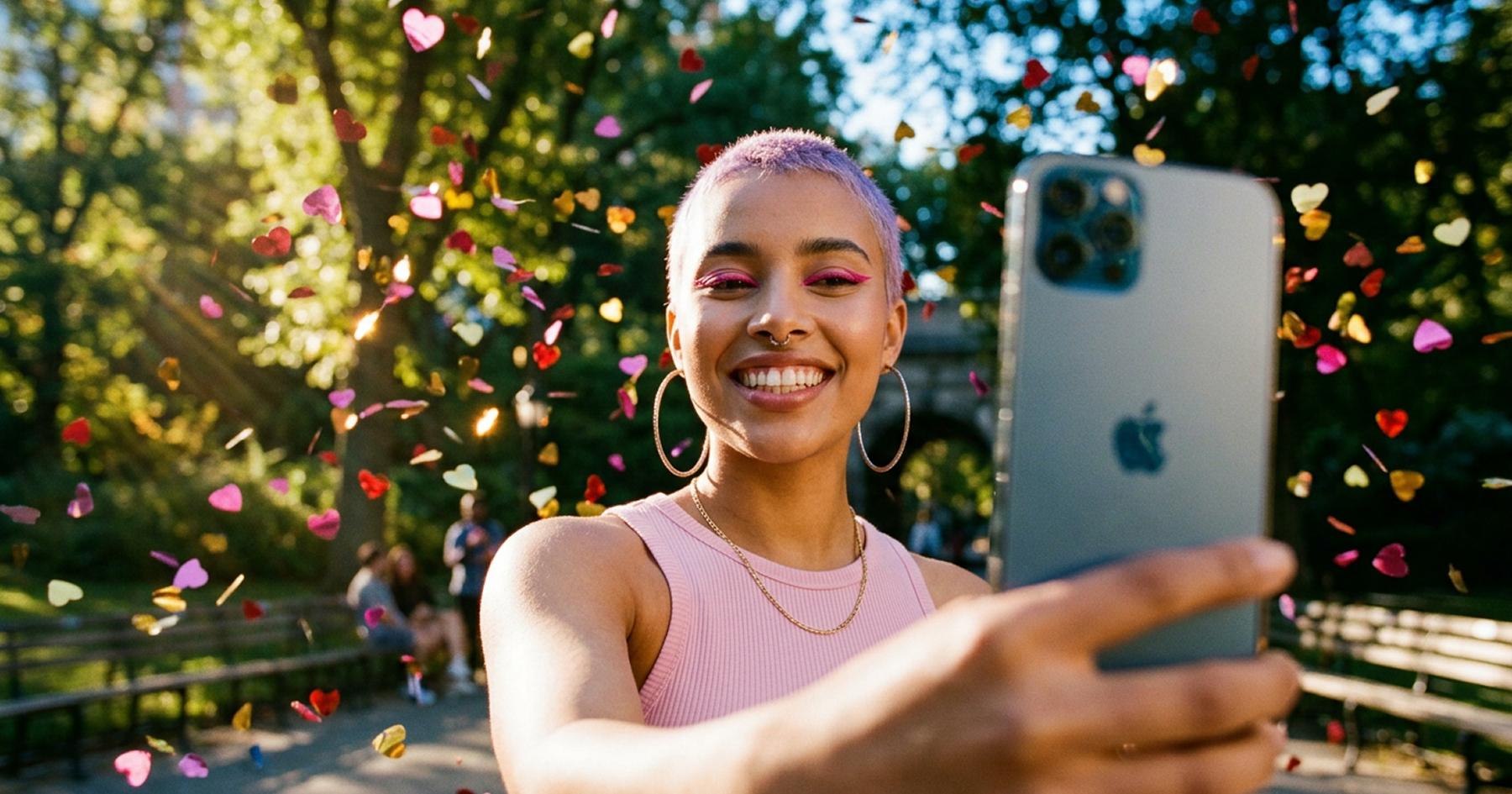
Influencer niches can be literally anything, from broad, mainstream interests (which we’ll cover below) to specific topics like emo culture, rug tufting, or bad taxidermy.
There’s an ongoing debate online about whether creators should niche down or stay broad, which we’ve dived into before:
From a growth and monetization perspective, having a niche makes sense.
One of the best ways to make money as a creator is through brand deals (the other is starting your own business). And Jacob Andary, Manychat’s influencer marketing manager, says that when brands look for creators to work with, they care about a combination of relevance and reach.
“Content creation is storytelling at the end of the day. It’s about who’s the best messenger,” he says.
That sums up why niches matter: They define who your audience is and what they care about. And for nano and micro creators, niche clarity is what brings in brand deals.
“If there’s a lifestyle influencer who has like 10,000 followers and their content’s just general… that’s less interesting from a brand POV than an account of the same size with a specific niche,” Jacob says.
On that note, let’s talk about eight of the most popular creator niches right now.
1. Lifestyle influencers
Lifestyle creators are hard to define because their content overlaps with other niches, but creators who vlog or talk about their lives on camera fall into this niche.
Sarah Gavilla, Manychat’s social media manager, is a lifestyle creator. When you first look at her page, you’ll notice there’s a lot of ballet content, which is its own niche, but she also posts about her wedding, career, and day-to-day life.
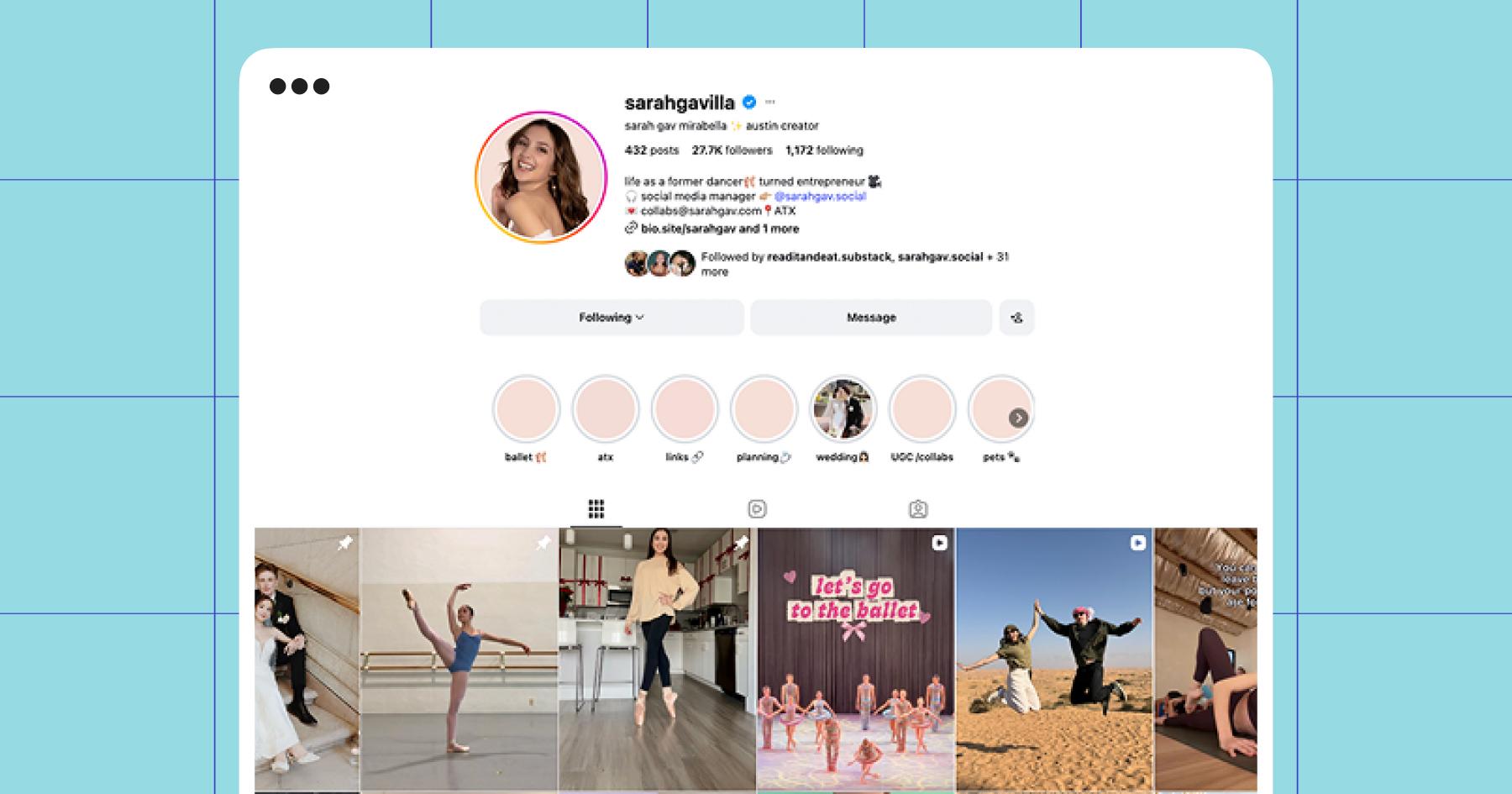
Being a lifestyle influencer is great because it gives you the flexibility to post about whatever you want.
However, it can be harder to grow an audience at the beginning of your journey if you start without a defined niche. With lifestyle content, it’s your personality (not the subject matter) that convinces people to hit follow because the content is primarily about you and your life.
2. Fashion and beauty influencers
Fashion/beauty is a classic influencer niche for two reasons:
- It’s highly visual
- The content often references products (making it monetizable)
Makeup tutorials, get-ready-with-me (GRWM) content, skincare routines, unboxing videos, and more fit in this niche. The sky is the limit — if you can wear it, apply it, or style it, you can turn it into fashion or beauty content. And as you can imagine, there are a lot of opportunities to share affiliate links or sponsored posts.
We’ve featured a few fashion influencers on the blog before, including Ciara Strickland and Janesha Moore. One of my favorite new faces in the space is Tom Ward @mrwardstyle, who’s a middle school teacher by day:
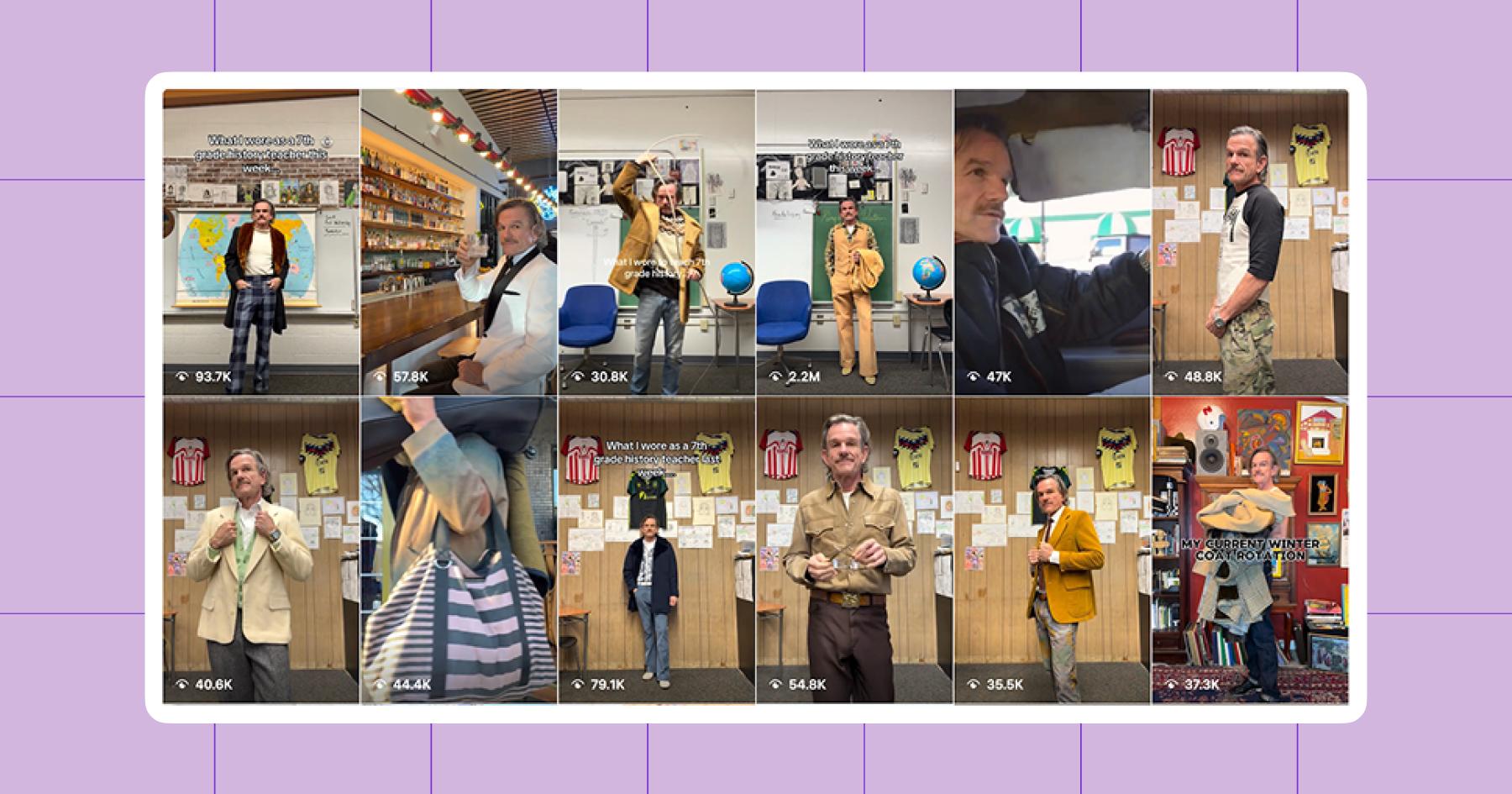
3. Wellness and fitness influencers
Wellness as a niche has exploded into hundreds of subcategories. There are content creators who focus on a specific sport, doctors who share specialized knowledge on TikTok, and people who do parkour or extreme diets — it’s a niche that’s all over the place.
Adriene Mishler is one example of a creator who fits into this niche. Adriene founded Yoga With Adriene, a YouTube channel with over 13 million subscribers, in 2012.
4. Travel influencers
Within the travel niche, some creators focus on luxury experiences, solo budget trips, and everything in between. In general, travel creators document their lodging, transportation, and experiences around the world.
Melanie Demi (@themeldemi) notes that travel is often a high-investment decision — flights, hotels, tours — so brands looking for influencers to work with prioritize creators whose followers genuinely trust their recommendations.
She also warns that while travel content looks glamorous, it’s exhausting. The creators who last in this niche do it because they genuinely love travel, not because it looks good online.
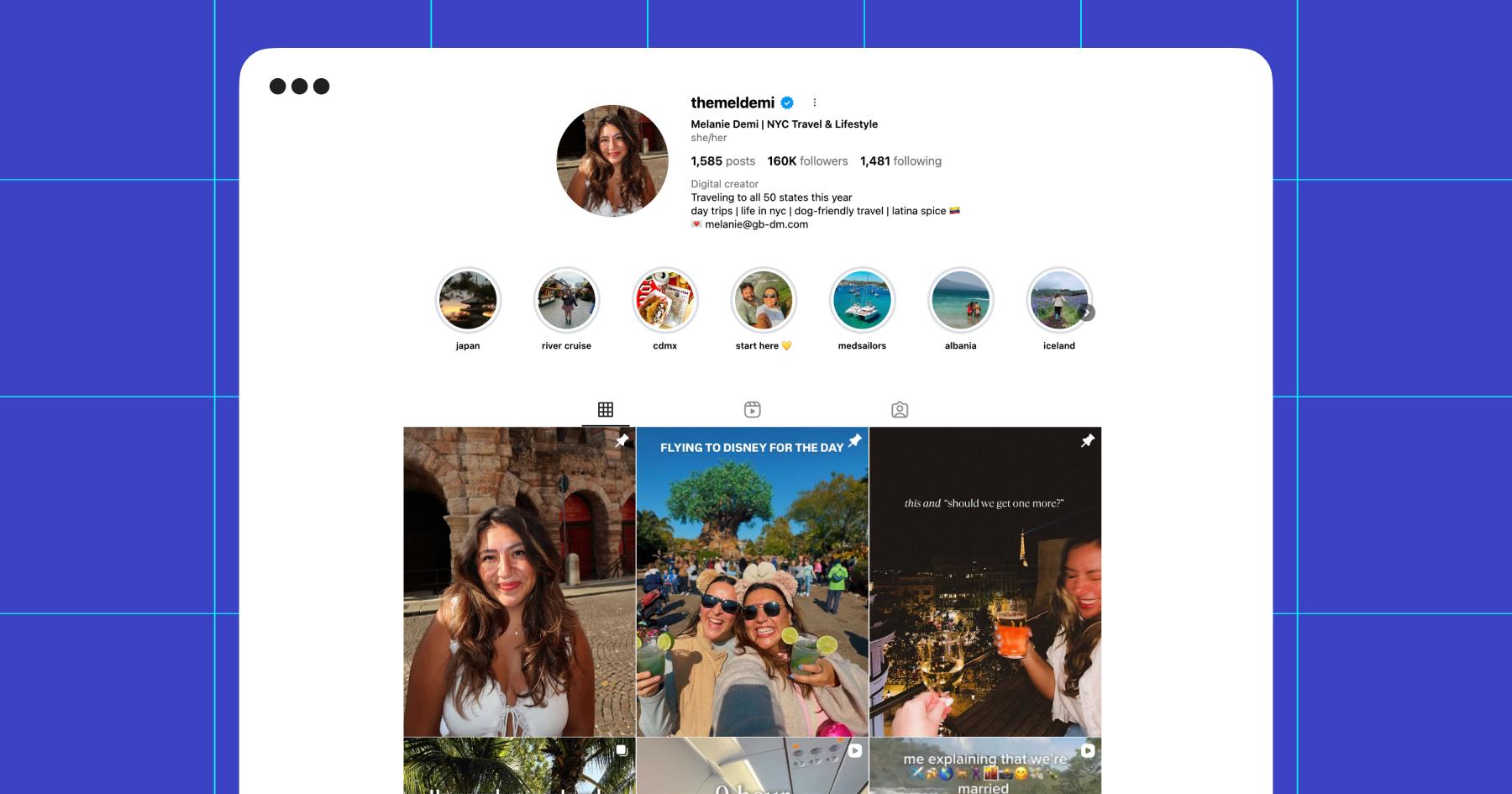
Learn more from Mel: So You Wanna Be a Travel Creator?
5. Comedy and entertainment influencers
Comedy is a niche that includes sketch creators, memes, relationship bits, and hyper-specific observational humor. It overlaps with the broader entertainment niche, including actors and performers who use TikTok, Instagram, and Facebook to express their art, like Dylan Mulvaney, who became famous on TikTok and is now starring in an off-Broadway show.
Generally, successful comedy or entertainment creators have a recurring theme or format that audiences know them for, like Natalie Marshall (@corporatenatalie), who makes content about corporate office culture.
6. Gaming influencers
Gaming is one of the most community-driven influencer niches. Some creators focus on a specific title (like Fortnite or Valorant), while others build their channel around special interests like speedrunning, esports commentary, cozy gaming, or even retro games.
Gaming creators typically grow by going deep instead of wide. They stick to a specific game or style, so their audience knows what they’re getting into. Think about it: It would be weird if the ASMR Animal Crossing content channel you loved suddenly started posting clips of headshots in Halo.
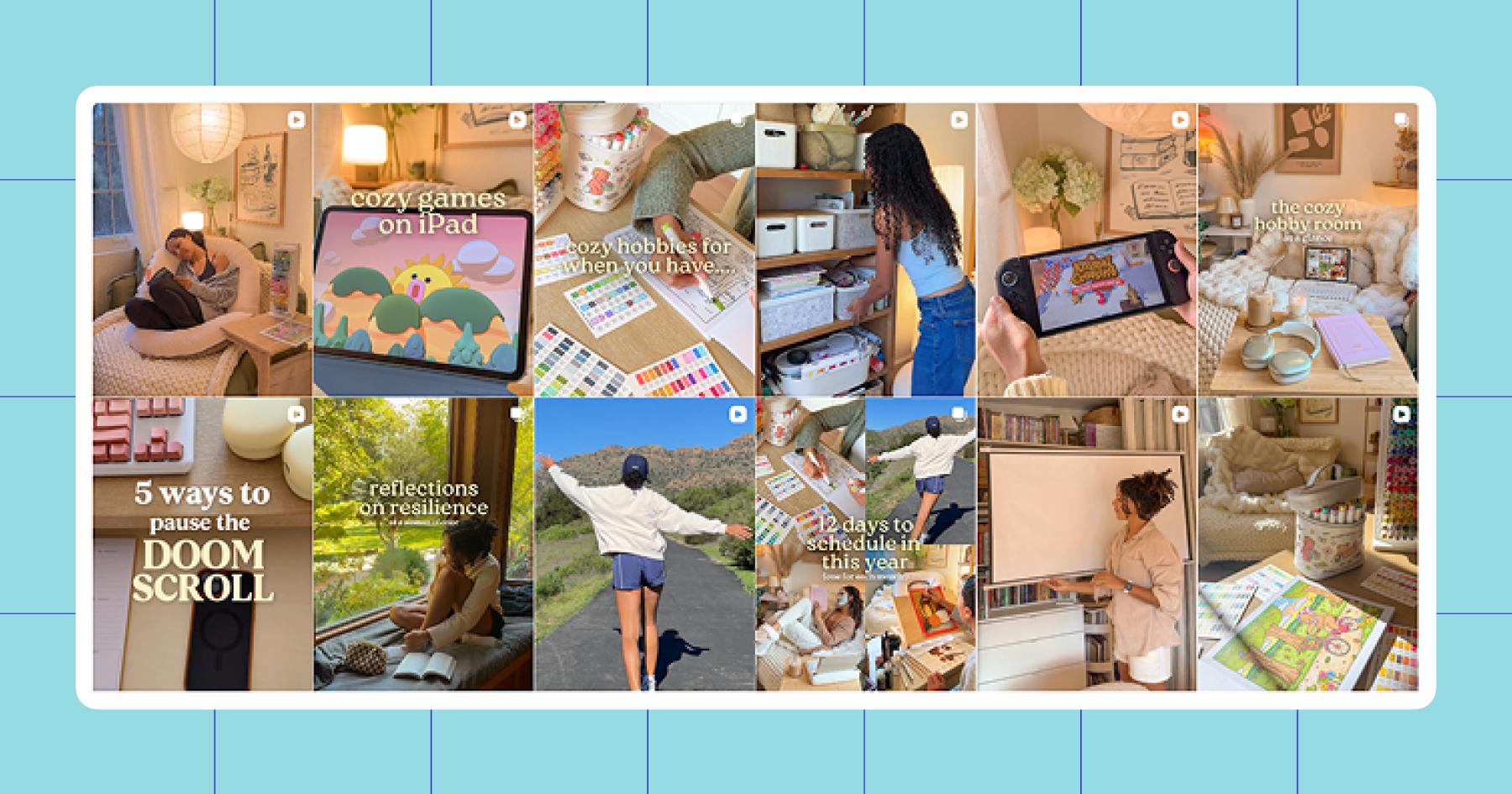
7. Food influencers
Food content is one of the most popular niches on the internet. Within food, you’ve got endless directions you can go:
- Recipes
- Special diet (vegetarian, gluten-free, athlete, etc.)
- Cultural deep dives
- Restaurant reviews
- “What I eat in a day” content
What makes food such a strong niche is that it naturally drives people to take action, whether it’s going to a restaurant, buying a specific ingredient, or making a recipe. If your audience trusts your taste, they’ll try what you recommend.
Two very different examples of food creators include Chef Tini @tinekeyounger and Barry Enderwick @sandwichesofhistory.
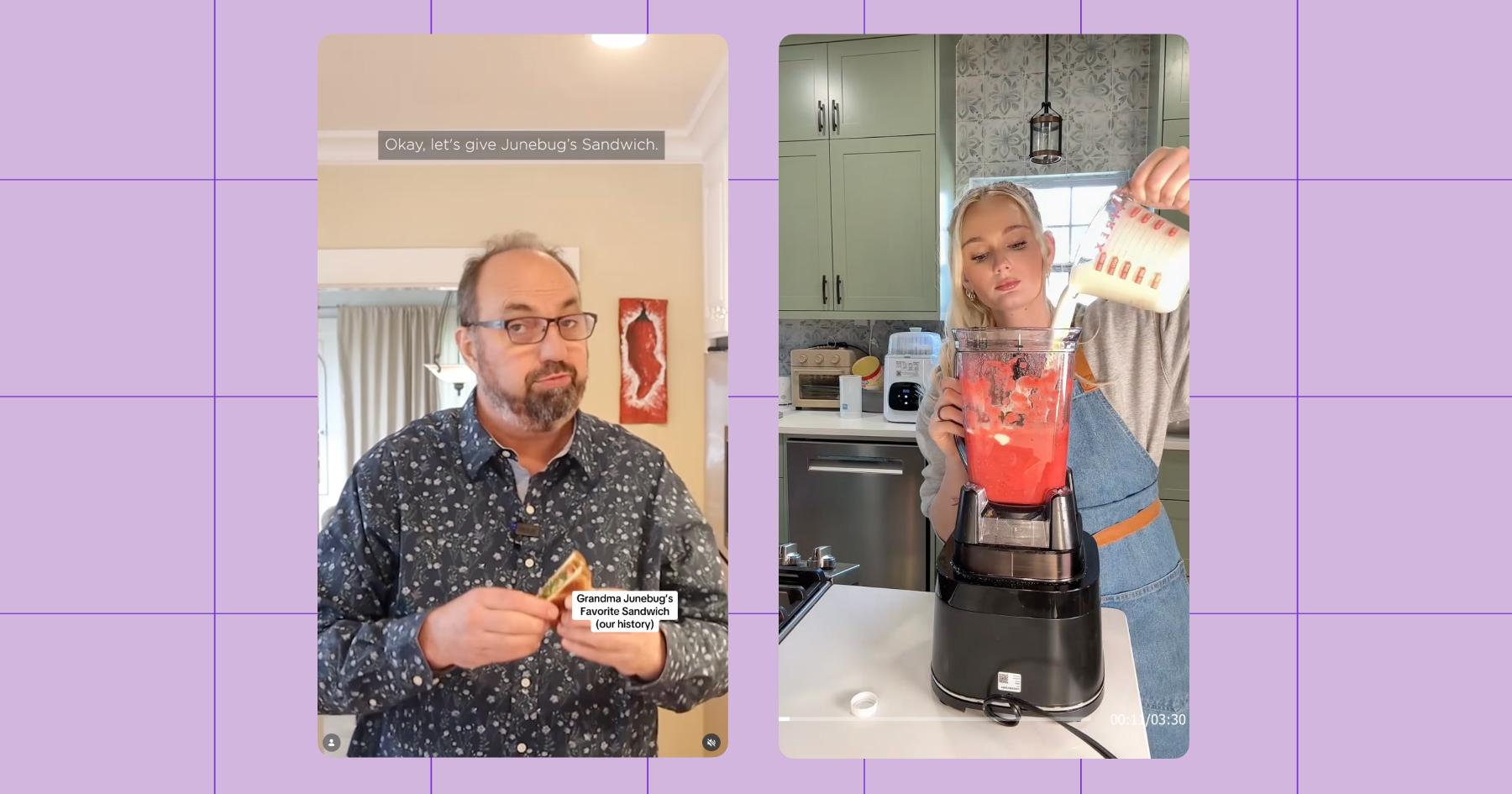
As a nano food influencer myself, I suggest investing in a light and a tripod, and getting comfortable editing Reels.
8. Tech and entrepreneurship influencers
Sorry to all the folks out there who just got the ick thinking about “hustle culture.” In the tech and entrepreneurship space, there are creators like that (the classic one being Gary Vaynerchuk, AKA GaryVee).
But that definitely doesn’t define the niche; there are also creators like Brock Johnson @BrockJohnson11, who teaches people how to make money on Instagram, but always keeps it real:
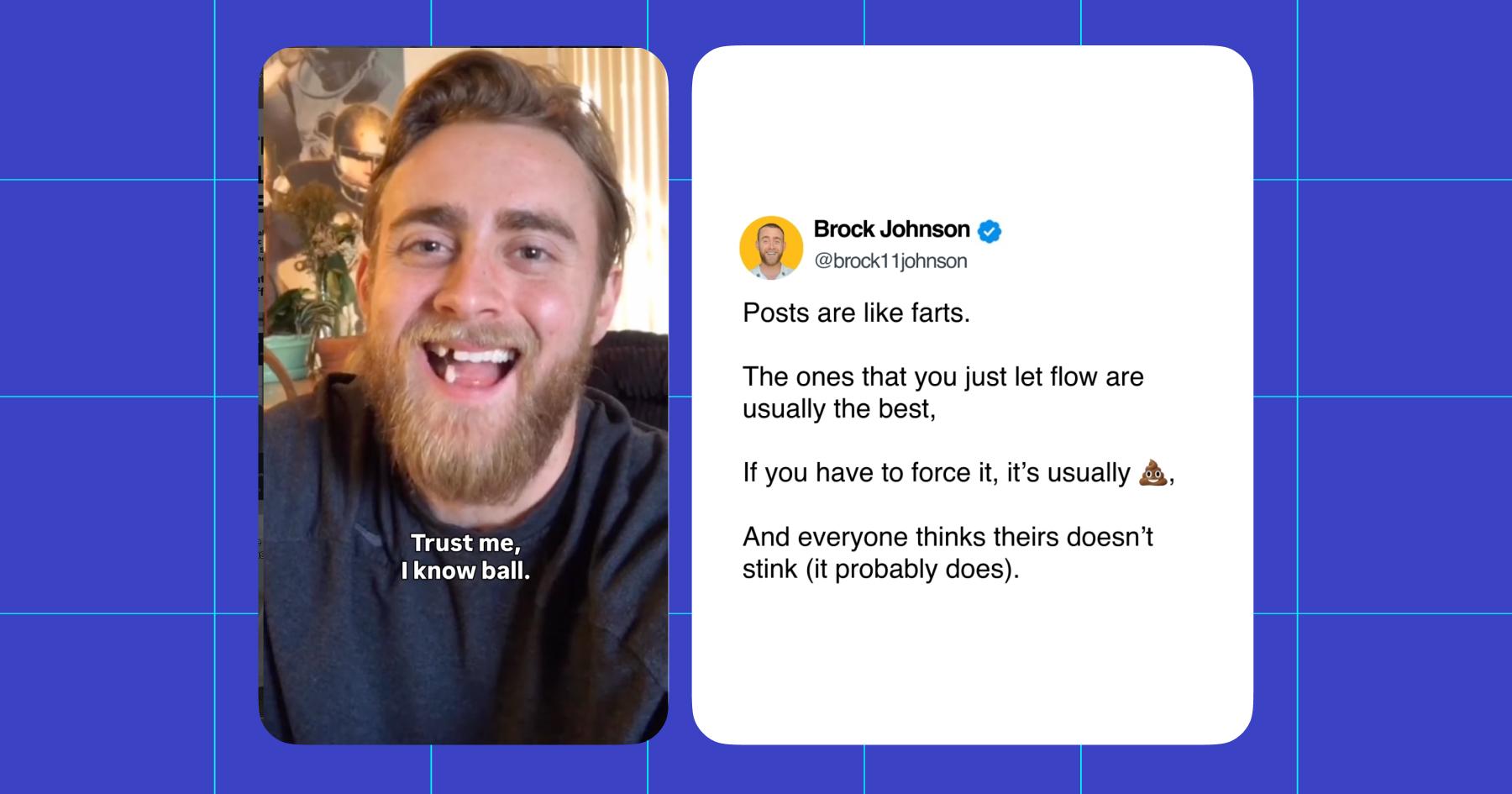
This niche works especially well for creators who want to build something beyond content — courses, digital products, services, or software.
Having An Identity Crisis? Here’s How to Find Your Niche
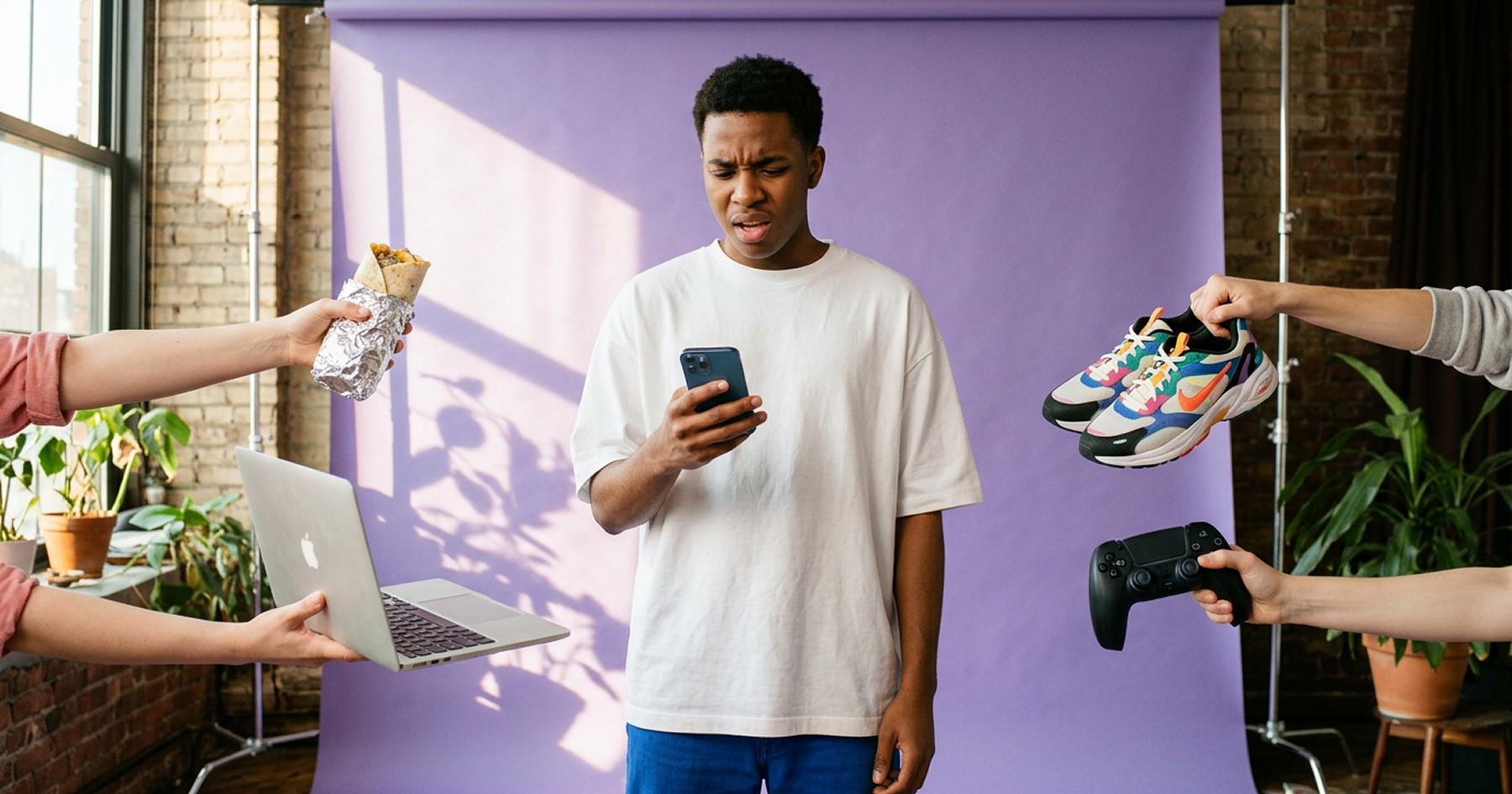
If you want to be a creator or you’ve gone viral and now you don’t know what to do, this section is for you. Take a deep breath, and let’s talk it out.
What can you talk about forever?
What is the thing that you never get tired of reading, thinking, and talking about? If something comes to mind, that’s what you should make content about, because longevity matters more than virality.
What reflects who you are?
Choosing a niche doesn’t have to be that deep. Sometimes it’s rooted in your job, your childhood interests, your lived experience, or the thing your friends always ask you about.
If you have expertise in something, go with that. If you don’t, you can always build expertise by exploring fitness, food, tech, travel, or something else (and posting about it!).
Otherwise…
Lifestyle creator is always an option
When you’re not sure what to focus on, lifestyle content is a valid default option. It does help if you have a likable personality.
If you pivot niches, pivot sideways
One last thing: If you decide to change niches, don’t do a complete 180 overnight. Dabble in adjacent areas to give your audience time to adjust.
So: Which Type of Influencer Are You?

You probably know what size your account is and what niche you fall into. If you don’t, revisit the section above.
Keep in mind that some creators grow by picking a hyper-specific niche and never deviating, while others build audiences around their personalities and evolve. You can always experiment and switch things up if you want to.
Just promise you won’t switch niches every time something doesn’t perform? Okay? Okay.
You might like this: So You Wanna Be a Creator?
Frequently asked questions
No. In many cases, micro influencers outperform larger creators. Brands care about engagement, clarity of niche, and how well you connect with your target audience. A micro-influencer with 25k highly engaged followers in a specific niche can often drive more conversions than a celebrity influencer with a massive but less engaged audience.
If your goal is monetization, focus on defining your niche, understanding your target audience, and creating clear calls to action.
If you can’t describe the audience for a post in one sentence, your niche probably needs refinement.
For example:
– Corporate employees who hate unnecessary meetings
– Gamers who love cozy, low-stress titles
– Beginner runners training for their first 5K
– Busy parents who want 30-minute dinners
All of these represent a target audience member and can be used to craft a good hook.
A mega influencer is someone who has built their audience primarily through social media and has 1 million or more followers. A celebrity influencer is someone who became famous outside of social media first — through sports, TV, music, film, or traditional media — and then built a large social following because of that fame.
The best option is to partner up with a game developer or brand behind a product you actually use. Don’t dilute your content with sponsored posts for companies you don’t truly support; that’s one of the fastest ways to lose your audience’s trust.

Originally published: Mar 4, 2026, Updated: Mar 4, 2026
More stories worth reading
More content that's too good to miss