The Influencer Marketing Trends Changing How Brands and Creators Collaborate
Hear ye, hear ye! ‘Tis time to dust off the old influencer marketing playbook and craft some new strategies. It’s not 2017 anymore — sending a cold DM to a B-list celebrity asking them if they’ll post a Story in exchange for free product is not going to work. They might even block you for doing so (or worse, screenshot your message and publicly shame you).
It’s true: Those weird one-off brand deals that used to dominate the feed are pretty much dead. People are more skeptical, selective, and aware of when they’re being sold to than ever, so brands and creators are adapting. Today, most influencer marketing content is disguised as something you’d actually choose to watch. You might not even know you’re watching a brand deal unfold until you see that paid partnership label in the corner of your favorite creator’s video.
On that note, if you’re ready to enter the new era of influencer marketing — one that prioritizes trust, relevance, and storytelling over reach alone — you’re in the right place. Let’s talk about what’s actually trending in influencer marketing in 2026 and why (spoiler alert: because it works).
4 Influencer Marketing Trends to Watch Out For
Here are four trends to consider when planning your next influencer campaign or partnership.
1. The death of the one-off deal
According to Later, 70% of brands say they’re prioritizing ongoing creator partnerships over one-time activations. Why? Because a single sponsored post won’t make much of an impact these days — it’ll barely even register with scrollers.
Plus, there’s evidence that long-term collaborations can generate up to 70% higher engagement than one-off campaigns, and that lift carries over to conversions, too. It just makes sense: when a creator consistently mentions a brand or product over time, it feels genuine rather than like a cash grab.
Example: Creator Gigi Robinson has been an Adobe ambassador for years now.
“When I promote Adobe, people at this point know they can trust me, because not only have I been using it for a decade and a half — I’ve also been a brand ambassador for over three years,” she says.
On the brand side, shifting from one-off to long-term arrangements with creators can reduce CPM (cost per 1,000 impressions) by up to 50%.
The same investment that funds 25 one-off collaborations can support 12 to 15 ongoing campaigns throughout the year. In the end, the per-post cost looks similar, but the impact of the content compounds as audience trust builds through repeated exposure.
Looking for this? How to Land Your First Brand Deal (And Keep ‘Em Coming)
2. Small, targeted audiences > mass appeal
If you’re a creator with a niche, you’ve got leverage right now. Nano and micro-influencers (creators with fewer than 100k followers) are getting more opportunities than ever before, especially those who create content for a specific niche.
Engagement rates are typically higher for smaller creators than those with massive audiences, which is why brands are looking to them for partnerships. When asked whether small, niche creators perform better than large influencers, nearly 60% of marketers polled said yes (only one in 10 said they perform worse).
It’s just a fact that people react to branded content from smaller creators favorably; everybody rolls their eyes when a celebrity with a massive following tries to shill a new product, but when a creator with a small following does it, it’s exciting — many times, their audience wants to support them when they land a brand deal.
Data backs this up: 82% of consumers say they’re highly likely to follow a recommendation from a micro-influencer, and 61% find their content more authentic and trustworthy than content from larger accounts.
3. The influencer has left the (mainstream) feed
Don’t worry: Instagram and TikTok aren’t going anywhere. But brands and creators are thinking beyond mainstream social platforms today. This is partially because we’ve all got algorithm fatigue. When mindlessly scrolling gets old, people turn to places like Substack, YouTube, and LinkedIn for content with a little more depth.
LinkedIn has grown the most in terms of influencer content over the past few years. Creator Mode used to be a toggle that you could switch on to highlight your LinkedIn posts on your profile. Today, it’s a full suite of tools that includes the ability to run a newsletter and go live.
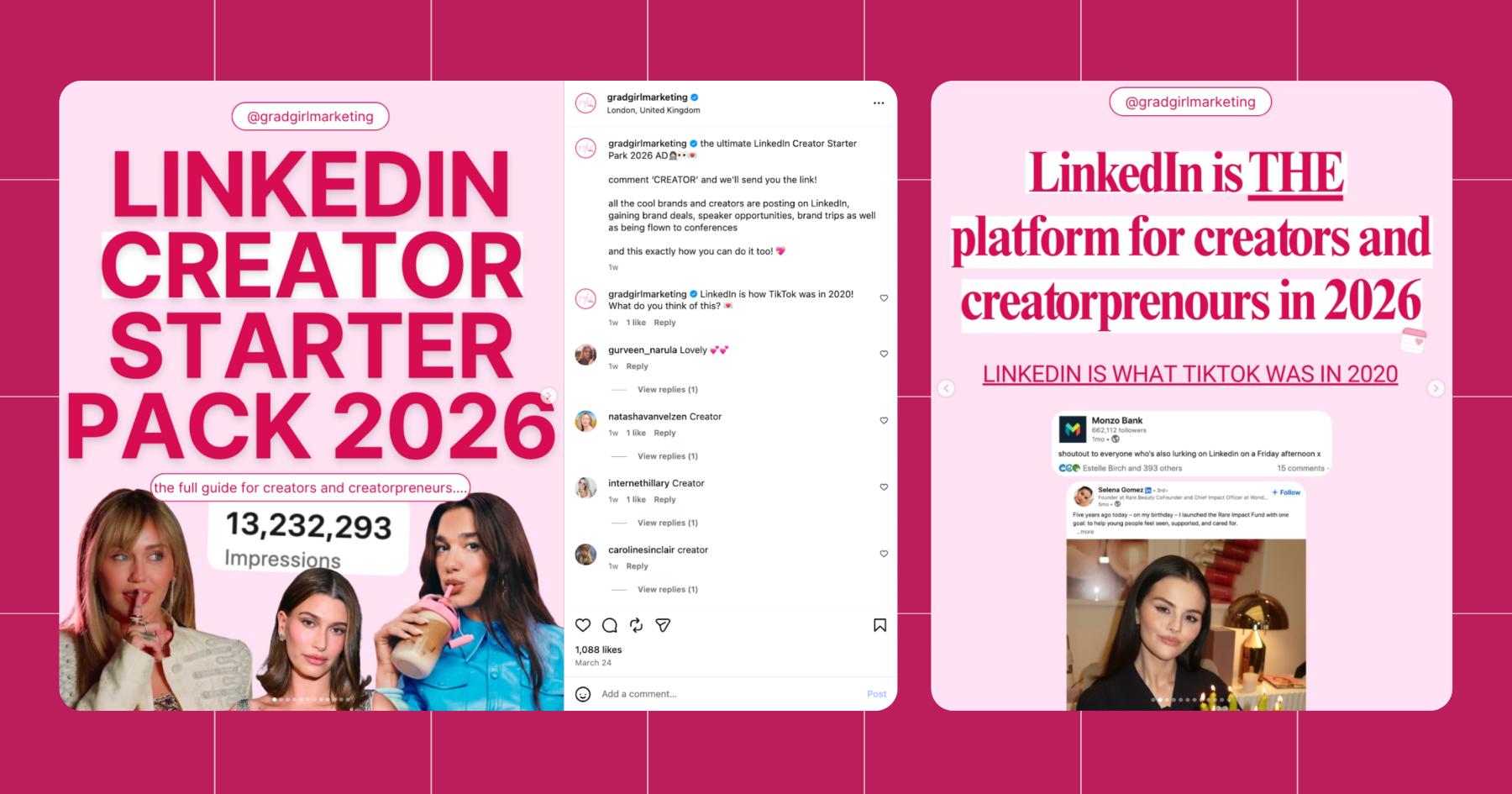
Also, LinkedIn isn’t just for B2B brands anymore. Clothing brand M.M.LaFleur launched a LinkedIn newsletter called The M Dash (also on Substack) back in 2024. Vegamour, an LA-based haircare brand, hired a Chief LinkedIn Advisor in 2025 to help the company show up in beauty industry thought leadership discussions.
Substack is another one to watch. Substack’s subscriber base grew over 25% in less than six months last year. So, of course, brands are showing up on the platform — thankfully, they’re doing so in creative ways.
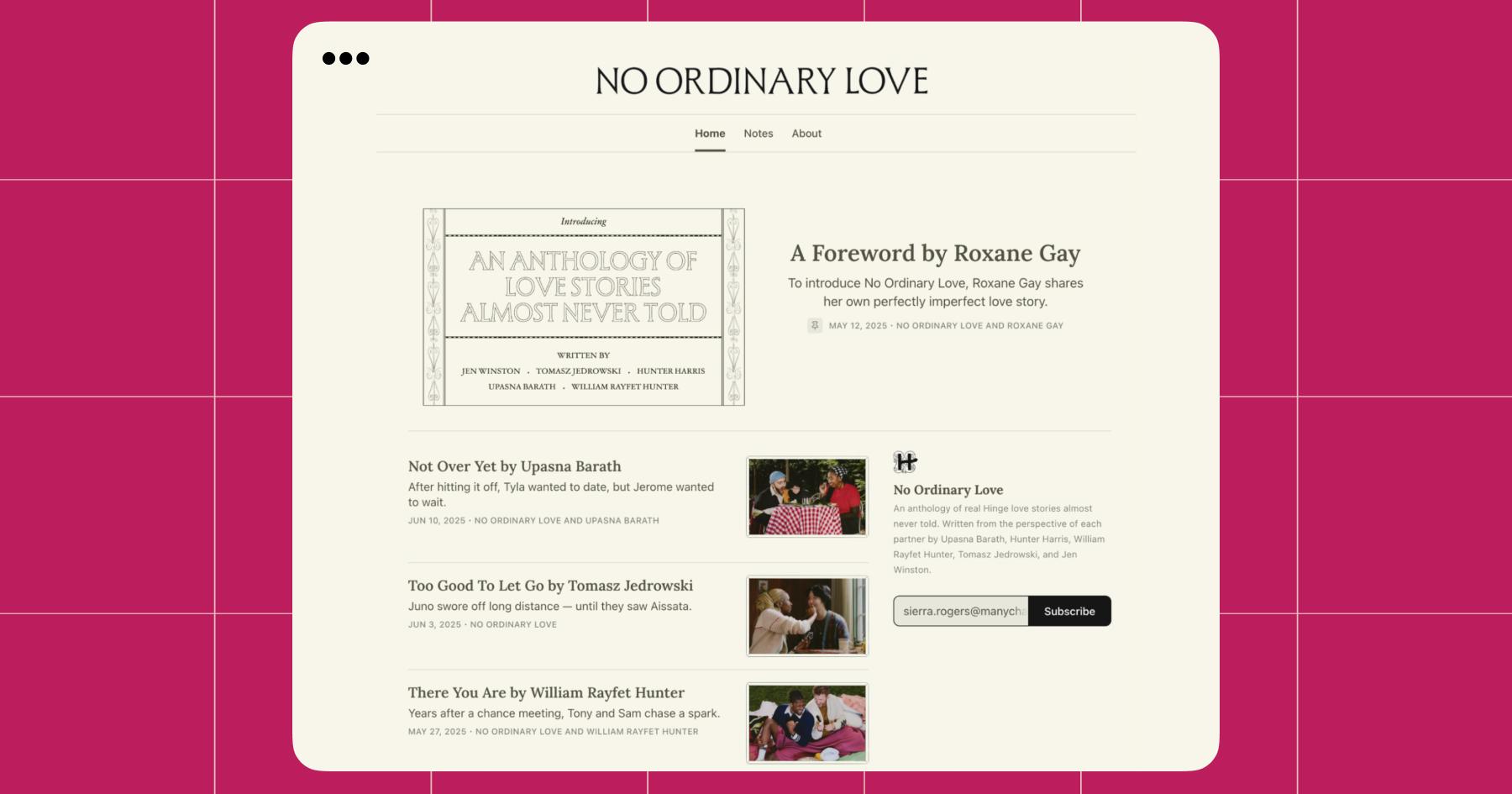
Dating app Hinge ran a campaign called “No Ordinary Love” on Substack to share real love stories from people who met on the app, including a piece from creator Hunter Harris.
Manychat is on Substack, too. (Well, sort of — our publication, Chronically Online Magazine, has a presence there.) And just like Hinge, we make sure our presence there is platform-appropriate; the only thing we’re selling on Substack is good ass stories, and they’re free.
Finally, there’s YouTube, which has always been a relevant name in the social media space, but is certainly having a renaissance right now. Remember in 2025 when TikTok’s fate was shaky? A lot of brands and creators turned to YouTube at the time, and they stayed there, because it’s undeniably one of the best places to be. 62% of internet users in the U.S. report using YouTube every day; 92% use it weekly.
One of the most memorable influencer marketing campaigns on YouTube in recent years was Lowe’s partnership with MrBeast. Lowe’s was the exclusive building partner for season two of Beast Games. The company built BeastCity, the set where contestants lived during the show, and MrBeast (AKA Jimmy Donaldson) got a dedicated storefront on Lowes.com stocked with his favorite tools and DIY picks. Considering season two of Beast Games was 10 episodes long, this is another great example of brands committing to long-term partnerships rather than one-off deals.
4. AI has entered the chat
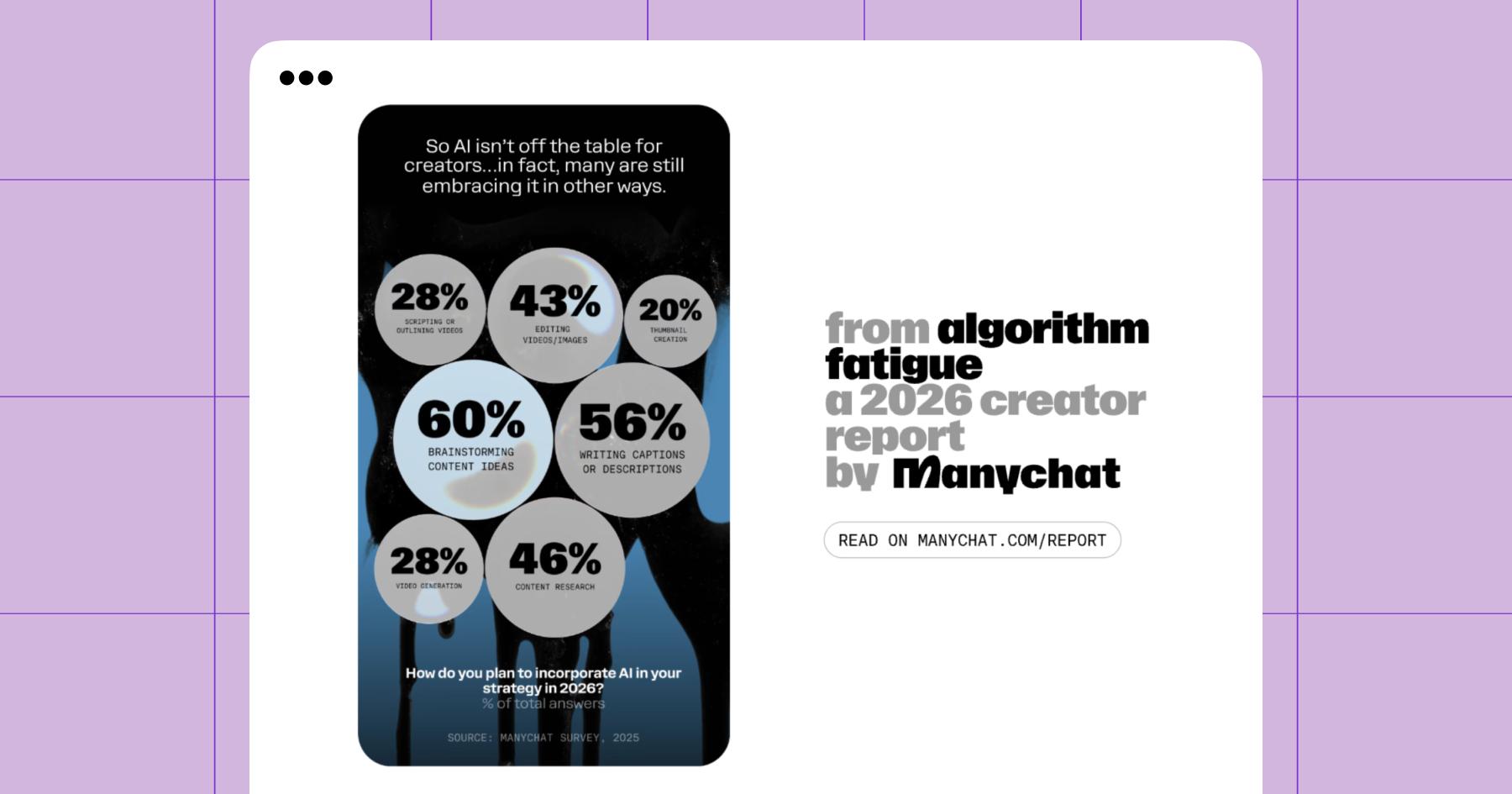
AI is now an everyday part of influencer marketing: 92% percent of brands are already using or are open to using AI for influencer marketing. 60% already use it for influencer identification and campaign optimization.
On that note, the biggest use case right now is creator discovery and vetting. AI tools that scan audience data and engagement patterns work faster than most of us humans can, and they’re good at it — some sources say that AI-assisted selection increases accuracy by up to 27%.
On the content side, AI is being used as a production assistant, automating scripts, research, caption creation, editing, and more. SQ Magazine estimates that using AI in these ways can speed up campaign production by up to 60%, which helps explain why so many brands and creators are using it.
As far as AI-generated content and AI influencers go, over a quarter of creators believe the next few years will be defined by AI-generated content. Virtual influencers, such as Aitana López and Lil Miquela, have attained massive followings (340k and 2M+, respectively), outperforming some human creators.
There are rumors online that Lil Miquela has generated millions in income in the past, but I’m not convinced there’s a real appetite for AI slop today, no matter how visually appealing it appears on the surface.
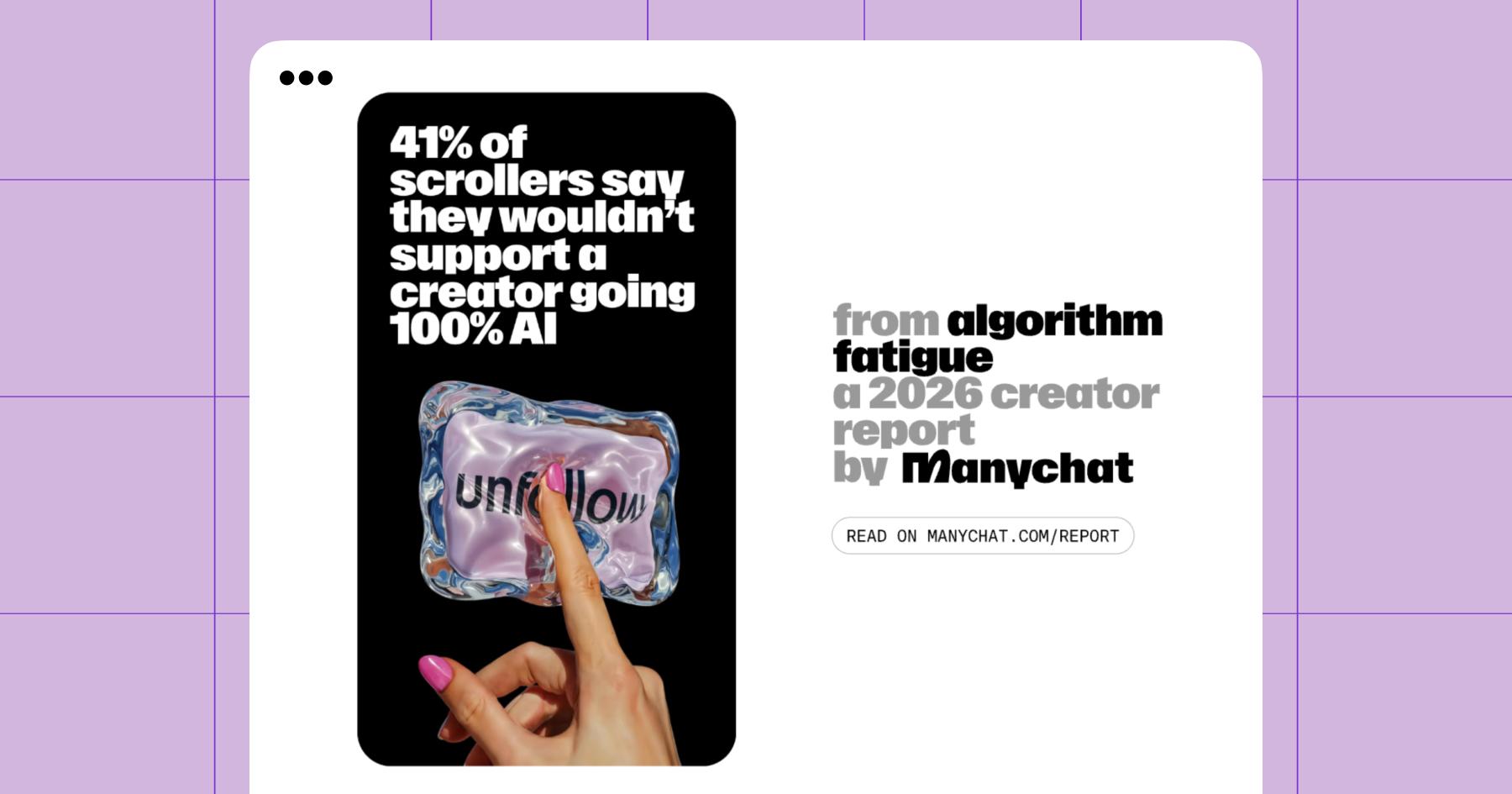
There is plenty of evidence suggesting the opposite — that people are craving authenticity above all else. Manychat’s 2026 creator report explored what scrollers want from creators, and aside from ‘sharing something useful,’ the top answers were:
- Be more honest or vulnerable
- Stop chasing trends
- Share more failures, not just wins
This is good news for human creators: AI can help you get the job done, but it’s probably not going to take your job.
Not Going Anywhere: Storytelling as a Form of Selling
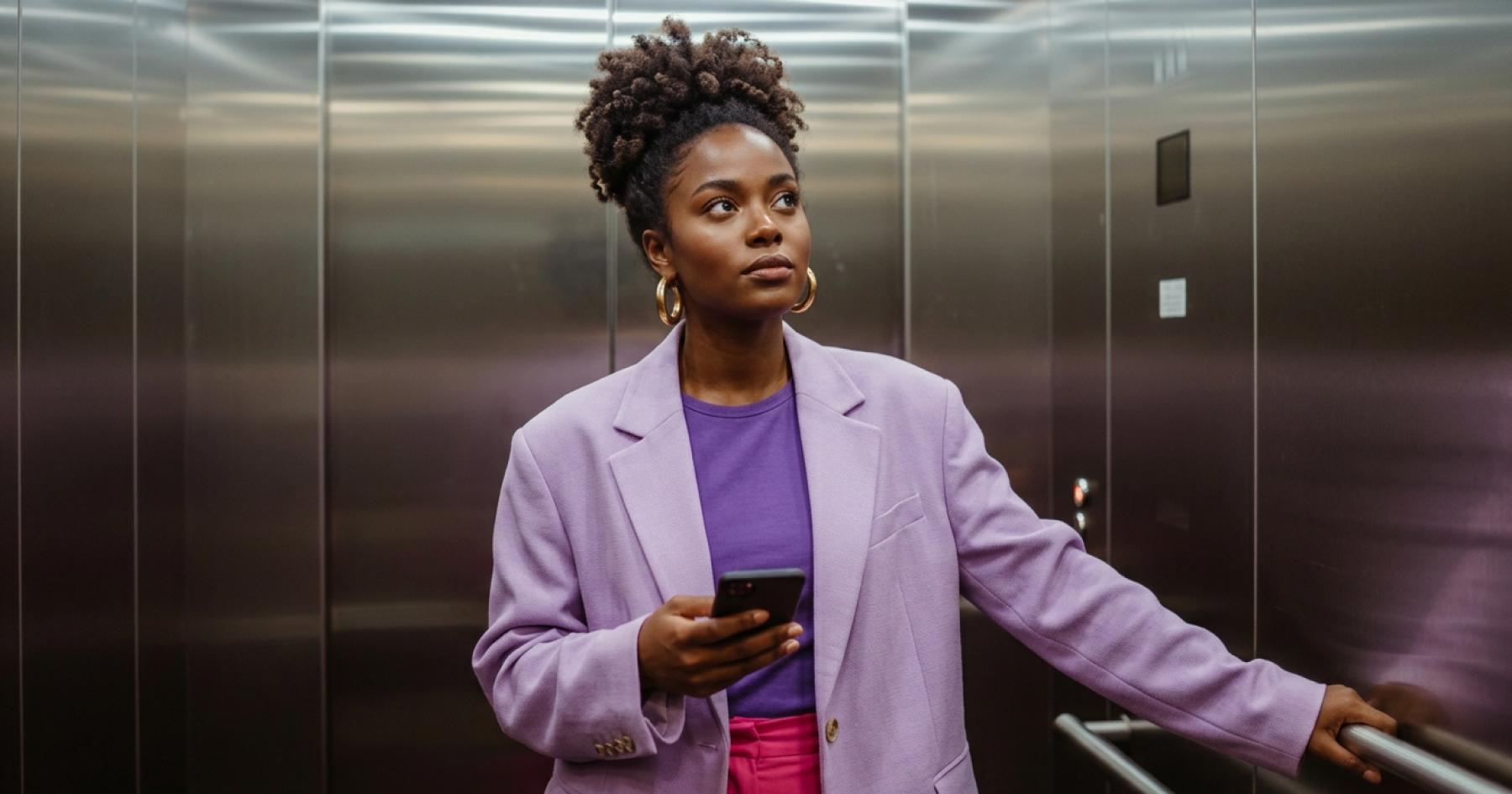
The most successful brand-creator collaborations today feel like stories where the creator is the protagonist and the brand is a supportive side character. (Sorry, Lowe’s, but no one is watching Beast Games for you.)
But this kind of creator-forward storytelling is not really an influencer marketing “trend.” It’s a strategy that legitimately works for brands. Research on influencer marketing and social ads shows that narrative-driven content consistently outperforms straight promotional posts, leading to higher engagement, stronger brand perception, and increased purchase intent.
Consider Gigi Robinson’s partnership with Adobe. Gigi has been using Adobe since she got into photography at the age of 10. That has a lot to do with why, when she talks about Adobe, it doesn’t come across like a sell. It’s just part of how she creates and works.
All of the trends covered in this article — the shift to long-term partnerships, the rise of niche creators, and the move to platforms where people spend extended time — point in the same direction. The brands that are winning right now aren’t trying to interrupt the content experience. They’re trying to be a part of it.
Read next: Influencer Marketplaces: How They Work, Top Options, and More Things You Need to Know.
Or, cut to the chase: Sign up for Manychat.
Frequently asked questions
Influencer marketing in 2026 is defined by a shift toward authenticity and long-term impact. The biggest trends include ongoing brand-creator partnerships instead of one-off deals, a rise in niche and micro-influencers, expansion beyond Instagram and TikTok to platforms like YouTube and Substack, and the growing role of AI in campaign strategy and content production.
Brands are prioritizing trust, relevance, and storytelling over reach alone.
Yes, influencer marketing is still an effective strategy, but it works best when it feels genuine. Audiences are more skeptical of traditional ads and quick sponsorships, so influencer marketing is most effective when it feels natural and integrated into a creator’s content.
Long-term partnerships, niche audiences, and creator-led storytelling tend to drive better engagement and conversions than one-off promotional posts.
Measuring ROI in influencer marketing goes beyond likes and views. Brands look at a mix of metrics, including engagement (comments, shares, saves), conversions (clicks, purchases, sign-ups), customer acquisition cost (CAC), long-term brand lift, and audience trust.
Many brands also use trackable links, discount codes, and platform analytics to connect creator content directly to revenue.
While Instagram and TikTok are still huge for influencer marketing, creators are expanding to platforms that support deeper, longer-form content and stronger audience relationships.
Some of the fastest-growing platforms for creators include: YouTube (for long-form video and series-style content), Substack (for newsletters and written storytelling), and LinkedIn (for thought leadership and professional creators).

Originally published: Apr 8, 2026, Updated: Apr 10, 2026
More stories worth reading
More content that's too good to miss