Are Instagram Stories the first thing you tap when you open the app, but the last thing you want to post? Yeah…that’s why you’re here, bud.
Good news: Your Stories don’t need to be perfect to work. In fact, they might get more replies if they’re a little messy. So if you’ve ever stared at the “Add to Story” screen wondering what to post, this guide is for you. 🫶
Why You Shouldn’t Sleep on Instagram Stories

Stories are one of the most widely consumed content formats on Instagram. Approximately 70% of Instagram users watch Stories every day, and 500 million of them engage with Stories (tap, like, DM, etc.).
Most people who open the Instagram app spend time watching Stories, which is one of the reasons they stay in the app. Users spend an average of 30+ minutes a day on Instagram; Stories and Reels make up most of that time.
But unlike feed posts or Reels, Stories are typically only seen by people who already follow you. That means you should treat them differently. More specifically, you should make your Story content less polished and more real — like a Snapchat to your besties. After all, Snapchat is exactly what Stories were modeled after.
In an effort to understand what works on Instagram Stories, I chatted with two creators who have nearly 200k Instagram followers combined: Sarah Gavilla (@sarahgav.social) and Bailey Peyton (@thebaileyp).
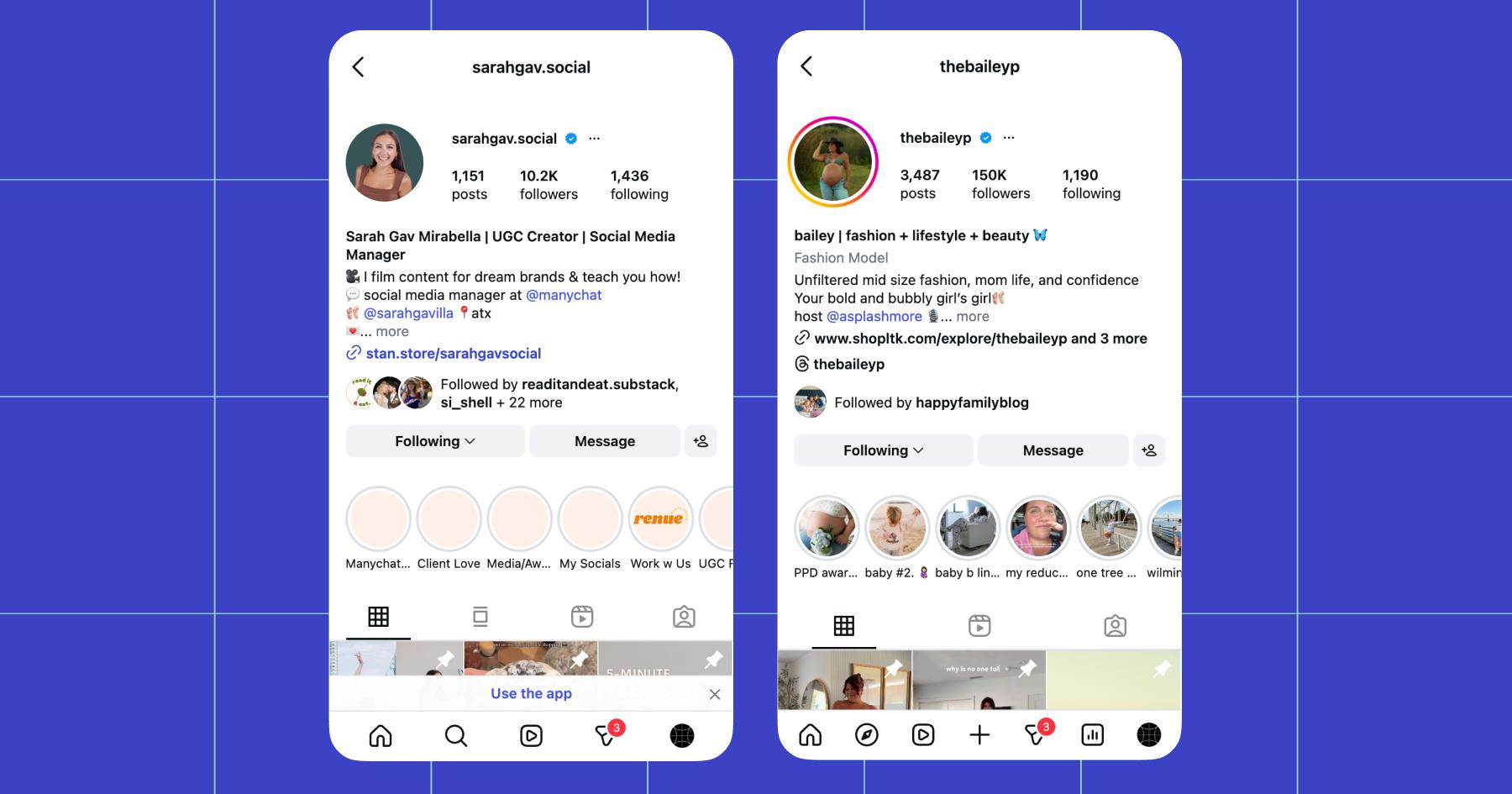
Sarah Gavilla is Manychat’s YouTube and Instagram manager, but she’s also a creator (and has been since long before she joined us). Bailey Peyton is a model, creator, and podcast host who creates raw, uplifting content about being a woman and mother.
“I want my Stories to feel like a place people can come and talk to me,” says Bailey. “I get a lot of very personal DM replies — mothers in the newborn trenches. I very much value that people feel comfortable and safe enough to share those things with me.”
Stories are the only Instagram content format that can lead directly to DMs, so naturally, they’re great for getting to know your followers. That’s the theme of this article, but stick around for the advice part.
How often should you post Stories?
Instagram users watch Stories every day, so both Sarah and Bailey suggest posting frequently. Sarah posts every day, “between one and three Stories at a time. Any more than that, and views will start to drop.”
Bailey takes a couple of days off a week, but otherwise, “Four to five Stories is my sweet spot — that’s where my engagement stays strong.”
So, there it is, straight from the pros: Post up to five Stories a day. And close the app when you need/want to.
“It doesn’t hurt to skip a day — sometimes it actually helps because it gives your Stories a reset,” says Sarah. Sometimes, Sarah even deletes Stories (gasp!). But let’s say she posts about a flash sale she’s excited about. She’ll delete the post when the sale ends, instead of waiting for it to expire, so her followers don’t click the link and get let down. 😔
And what should you post as a Story?
Therein lies the million-dollar question, but Sarah and Bailey’s advice is not to overthink it. They told me about the Story ideas and formats they turn to again and again, and most of them fell into one of the following three categories.
1. Day-in-the-life content
“I think people are craving real life right now — not curated, aesthetic perfection,” says Bailey.
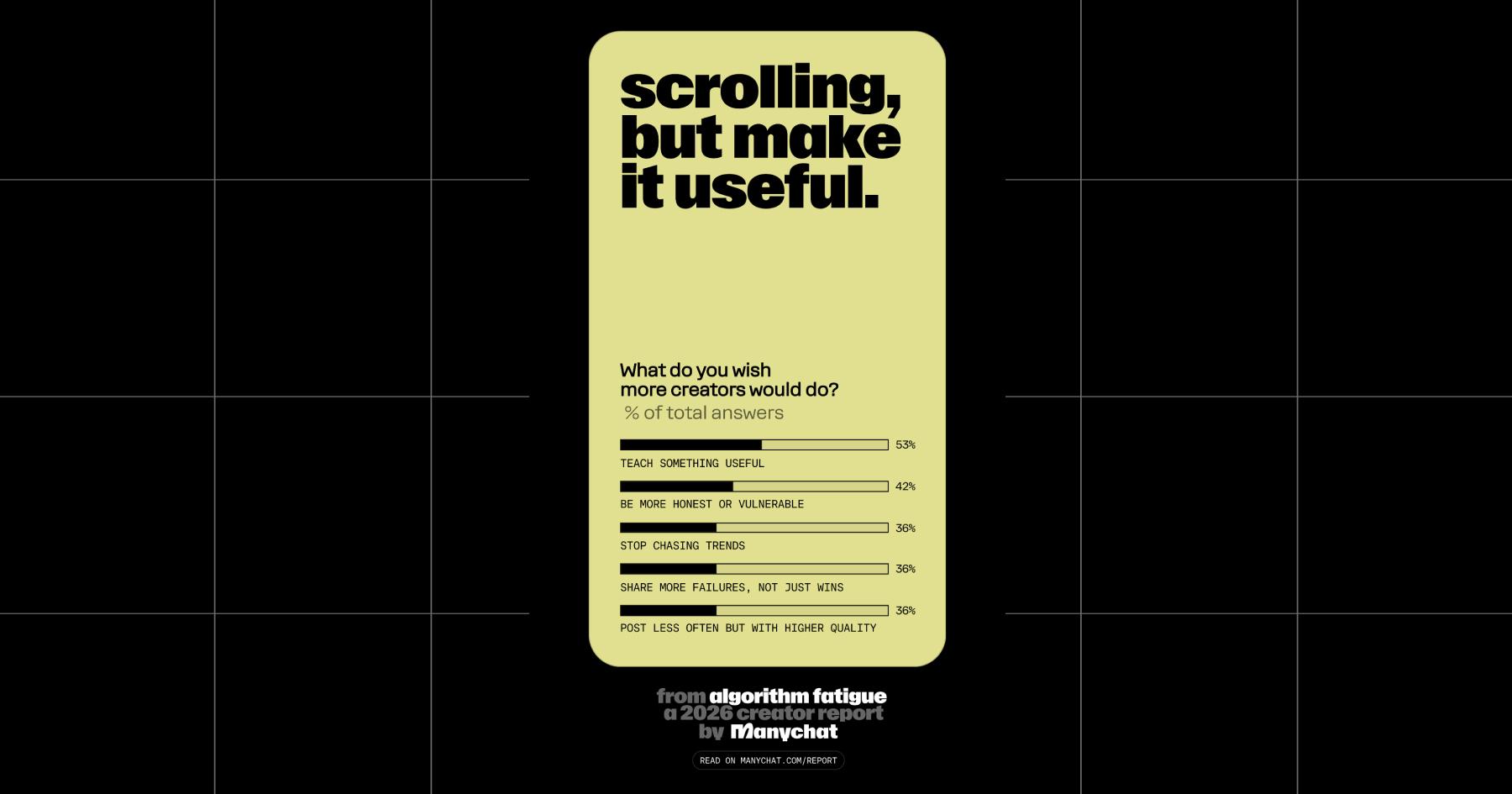
She’s right; Manychat’s report on algorithm fatigue revealed that scrollers want creators to be more honest and vulnerable (among other things, like sharing about their failures, not just their wins).
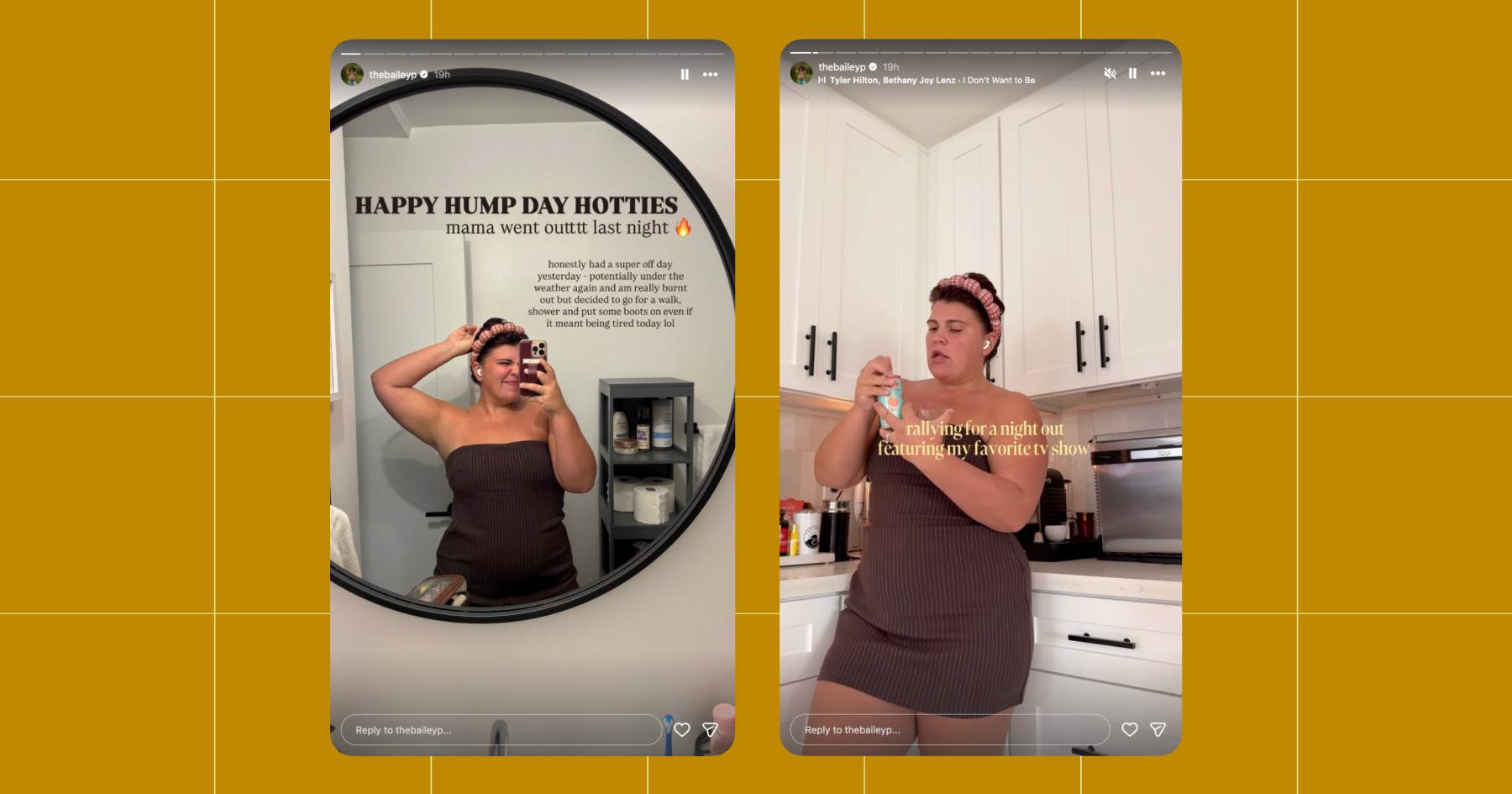
Knowing that, you should post about your everyday life and thoughts on your Story. For Bailey, that means a lot of Stories about motherhood, being a creator, working out, shopping, cooking, and the occasional Tyler Hilton concert (yes, of One Tree Hill fame). Basically, anything she wouldn’t post in the feed ends up on her Story.
“There are certain outfits that will never make it to my feed because it’s just a random thing I picked up in Target, but I’m like…someone might love this!” she says.
2. Polls, questions, and prompts
Instagram Stories aren’t the best place for a hard sales pitch (save that for the DMs). However, they are one of the best places to interact with your followers. “Engagement is always a good goal for Stories. I never really try to sell anything,” says Sarah.
“Anything that inspires engagement gets the most views,” she says. “A casual photo with a chunk of text that asks a question, a poll sticker, a question box — those always perform well.”
Bailey agrees with this, and she regularly uses both poll stickers and question boxes on her Stories. “Polls are just an easy way for people to feel engaged,” Bailey says. “I usually see really high responses from them.”
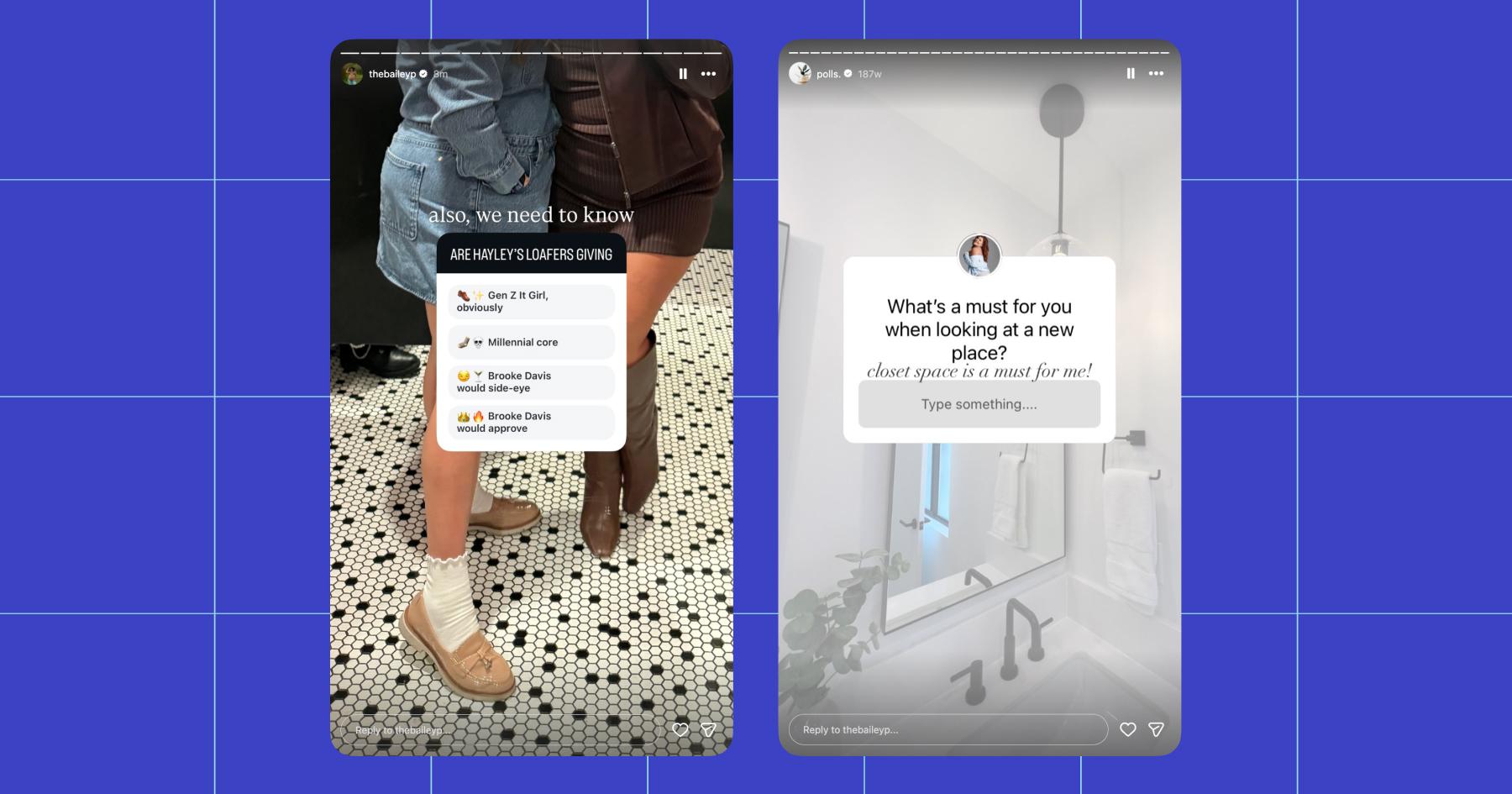
(Yes, that’s another One Tree Hill reference, and no, it won’t be the last one.)
When Bailey wants more than a quick tap from her followers, she opts for the question box. In the past, she even used this feature to create a recurring Story series.
“I used to do a weekly Q&A called Bubbly with Bailey,” she says. “It became a part of my Stories that people really looked forward to — like a little happy hour with your internet bestie.”
Something as simple as a meme with “Anyone else feel like this? 🫠” can open the door to replies. So go ahead and post that engagement bait — it’ll probably do exactly what you intend.
And here’s a final tip from Sarah on this subject: If you use the question box, submit a few questions yourself and answer them on your Stories. No one will know they came from you, and it’ll (hopefully) inspire others to participate.
On the topic of polls: Instagram Story Polls: Low Effort, High Engagement
3. Tips (advice, links, etc.)
Instagram Stories are a natural place to share tips — not in the “take it from me, I’m an expert!” way, in the “I’m just passing this along” way.
Bailey and Sarah both share advice on their Stories, but they cater to different niches. Sarah’s audience is mostly creators and social media managers; Bailey’s is moms and women. Sarah shares tips for pitching to brands; Bailey posts about her favorite nursing bras. You get it.
And this applies to every type of creator; travel influencers can share how they breeze through airport security. Skincare enthusiasts can talk about the products they keep reaching for. Fashion creators can share their outfits with sizing notes and styling tips.
And if you want to monetize your Instagram Stories, this is the best type of content to use. Example: Bailey shares a link for the nursing bra she loves and provides a discount code to her followers. It’s subtle, which works well for Stories.
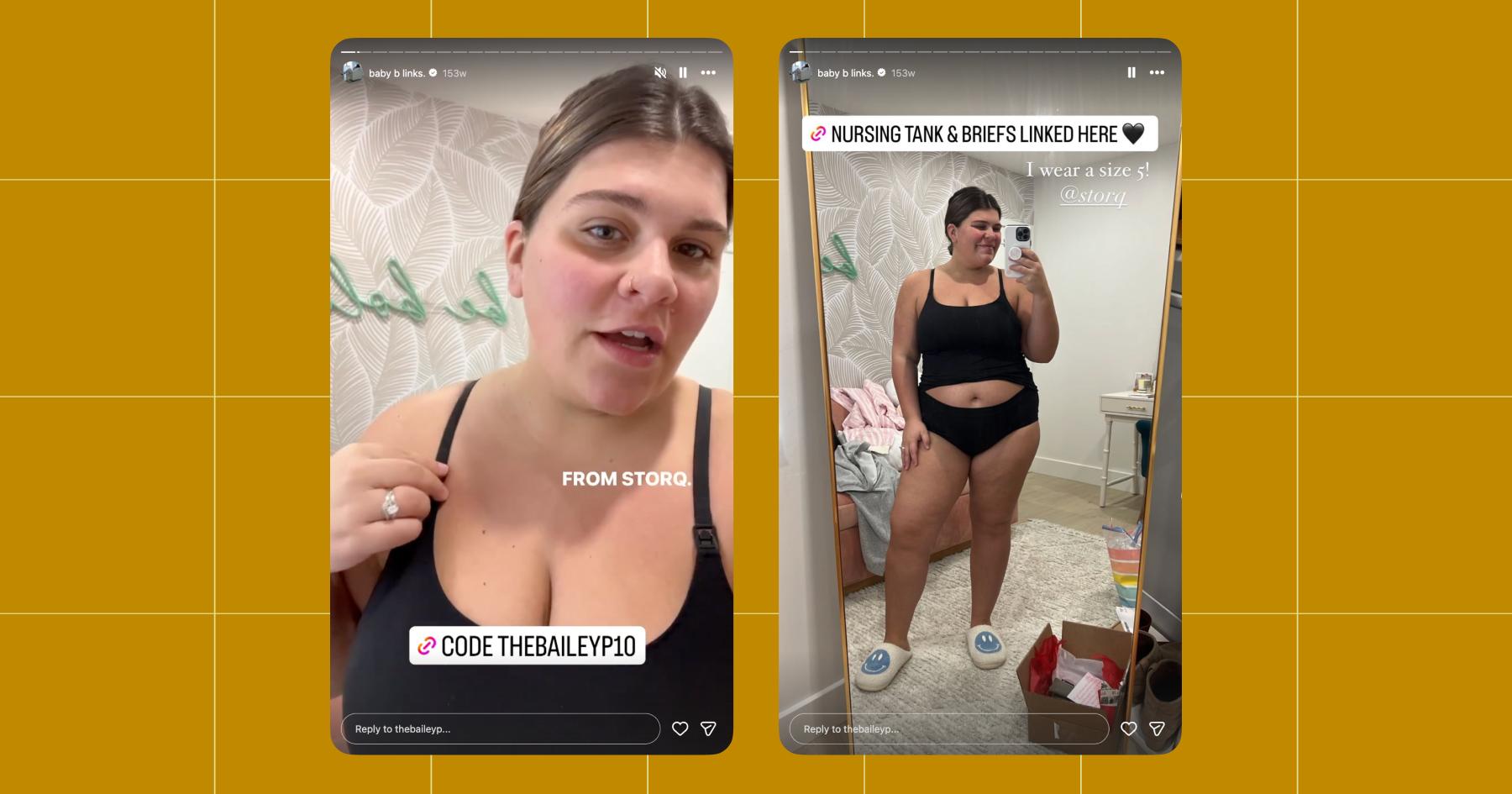
Just make sure you’re not spamming your audience with affiliate links. Save the selling for stuff you can truly endorse.
“Sure, we all make money from links,” Bailey says. “But that’s not why I’m here. I want to provide value to people’s lives.”
Bottom line: If something has made your life easier, more fun, or less stressful, that’s enough reason to share it on your Story.
Bonus Tips for Your Instagram Story Strategy

Before we wrap up, here are a few final tips from Sarah and Bailey to help your Instagram Stories rack up views, taps, and DMs.
Skip the advanced editing
This one is straightforward: “Stay away from overly branded Stories,” Sarah says. Keep your Stories simple — you don’t need Canva templates or crazy animations. A photo or clip, some text, audio, and stickers will do the job just fine.
If you want to get (a little) fancy: How to Change the Background on Your Instagram Story
Share content to your Story (sparingly)
Instagram makes it easy to share content to your Story, whether it’s your own post or someone else’s. In fact, you can now share another account’s Story to your Story without needing to be tagged.
But just because you can share everything doesn’t mean you should; save it for when it is highly relevant or valuable for your audience. And yes, that means you should avoid sharing Reels you post to your Story right away.
“If your goal is more views on the Reel, share it to your Story. If your goal is Story views, share a teaser for the Reel, not the Reel itself,” explains Sarah.
Use your Highlights strategically
Stories disappear after 24 hours. Highlights let you extend them indefinitely, but the Stories you save will be confined to your profile page. As such, both Sarah and Bailey suggest using Highlights as resource hubs for new followers.
Maybe you have an “About Me” Highlight with a few Stories that explain who you are and what kind of content you post. Or, you can create an “FAQ” Highlight where you answer the questions you get all the time.
Bailey uses Highlights very thoughtfully. One of her most-viewed curations covers her breast reduction journey, from why she decided to do it in the first place to the recovery process. When followers ask her about it, she sends them to the Highlight. This strategy works; sometimes she gets DM replies to Stories that are years old. (And yes, she has a Highlight dedicated to One Tree Hill.)
Experiment with Close Friends
Sarah had a brilliant tip to share: Add your most engaged followers to Close Friends so that you can share exclusive content or offers with them. They’ll feel special to be included, and Close Friends Stories tend to get a lot of views since they appear before public Stories in the app.
That said, this strategy isn’t right for everyone. It’s typically better for brands than creators. Bailey doesn’t use Close Friends at all because her content is intrinsically vulnerable (she often talks about self-acceptance, postpartum depression, and so on). Everything she shares is meant to be accessible to her entire community, so it wouldn’t feel right to her to limit some of her content to Close Friends.
Don’t Overtink It — Just Press Post

Instagram Stories are not about perfection, and that’s part of what makes them so bingeable. You don’t need a feed planner or fancy editing tools to post Stories that’ll get engagement.
It sounds cheesy, but all you really need is to be yourself and hit post. And when people start sliding into your DMs saying things like “that was too real, queen,” that’s your sign that it’s time to sign up for Manychat.
Both Sarah and Bailey use it, so: Sign up for Manychat
Frequently asked questions
If you’re stuck, start by asking yourself what you’d text a friend right now (a quick check-in, meme, song, question, etc.) When in doubt, talk to the camera and explain what you’re thinking, even if it’s that you don’t know what to post on your Story. Or, use Instagram Insights to figure out what kind of content has performed well in the past.
Technically, no, but adding captions or text is a smart move. A lot of people watch Stories with the sound off, so simple captions can help your message land even if someone isn’t listening. Even a short headline or sentence can make a big difference, but if you want to add full-on captions, you can upload the video to the Edits app and do so there (then post it to your Story).
Not necessarily. Remember what Sarah said: If your goal is views, sharing an Instagram Reel to your Story can help drive views. But if your goal is Story engagement, it’s better to share a teaser — like a still frame, hook, or clip — rather than reposting the entire Reel. Learn more about Instagram Reels vs. Stories.
Feed posts (carousels and single images) and Instagram Reels are discovery content. Those kinds of posts have the potential to land on the Explore page or get served to people who like content similar to your own. Typically, feed content and Reels require more planning, production, and editing than Stories, which are for your current audience. Stories can be casual and conversational, like little updates you’d share with people who already know you.
Yes, but so intentionally. You can share old posts to your Story, just explain why you’re resharing it and add something new so it doesn’t feel like syndicated content.


Originally published: May 31, 2022
More stories worth reading
More content that's too good to miss