Instagram Influencer Marketing: How to Maximize the ROI of Creator Content

TikTok may be the platform du jour, but Instagram isn't going anywhere; 81% of marketers use Instagram for influencer marketing campaigns today, making it the second-biggest platform in the space and a crucial part of nearly every brand and creator’s content strategy.
If you’re starting an influencer marketing program from scratch or leveling up your current one, this guide is for you. We’ll break down how influencer marketing typically works, why brands keep investing in it, and practical ways to make your budget go further.
How Instagram Influencer Marketing Works Today

Influencer marketing is a strategy in which brands partner with creators to promote their offerings. Typically, the way it works is that the creator produces and posts social content featuring the brand in exchange for money, products, travel, and/or other forms of compensation.
Here’s a quick overview of how each campaign comes together:
- A brand chooses influencers to work with based on their audience. For example, a sneaker company probably wouldn’t want a food influencer promoting their shoes — they would want someone whose followers are actually into sneakers, fashion, and style.
The brand’s influencer marketing manager will vet creators before reaching out; in some cases, they might use an influencer marketing platform to make finding the right fit easier.
Then, once they find a creator whose niche and audience align with their needs, they’ll reach out (usually via DMs or email). If the creator accepts, they’ll draft an influencer agreement outlining their rate, content expectations, and more. - The influencer gets paid (or gets free stuff). Sometimes it's cash; sometimes it's a free product; sometimes it’s both. Bigger influencers with millions of followers can charge tens of thousands of dollars for ONE post. Smaller influencers (called micro-influencers, typically with 10k to 100k followers) are paid less, but they often deliver better results because their followers trust them more.
- They post in a way that feels natural. The creator will do what they do: create content and post. Ideally, the content will feel like it’s for their own page rather than an ad.
- By law, creators have to disclose that the content is an ad. Section 5 of the Federal Trade Commission Act *(FTC) requires creators to disclose when they’ve been paid to post content. They usually do this by adding a hashtag like #ad, #sponsored, or by using Instagram’s paid partnership label.
- Oftentimes, they’re given a discount code to share with followers. Many brands use affiliate links/codes to track how many sales come from influencer content. For example, a creator might post something like "Use code SARAH20 for 20% off." Generally, they’ll get a cut of every sale made with their code.
- When it’s all said and done, the brand will track if it's actually working. When the campaign wraps up, the brand will look at things like how many people clicked the link, used the discount code, or how many new followers/sales happened after the post. If it worked, they’ll work with that influencer again. If it flopped, they move on.
Why brands keep investing in Instagram influencer marketing
According to Aspire’s report, “How Much to Pay Influencers,” US creator economy ad spend is expected to reach $43.9 billion this year, increasing 18% year-over-year. This has extended to influencer marketing budgets, which is no surprise considering that Instagram influencer marketing averages a strong return of $5.78 earned for every $1 spent, and 86% of consumers make at least one influencer-driven purchase per year.
Of course, success depends on choosing the right creators to work with and using high-converting content formats like Instagram reels and Stories, but the math is clear: influencers are worth the investment for brands.
3 examples of recent Instagram influencer marketing campaigns
Let’s take a look at three successful influencer marketing campaigns from 2026.
1. Midi Health and @JustBeingMelani
Midi Health (a healthcare company) teamed up with an influencer named Melani Sanders, who calls herself the founder of the "Do Not Care Club. Melani posts for women going through menopause, encouraging them to stop stressing so much and give themselves grace.
Instead of making a normal ad, they just let Melani do her usual post style (her signature "here's everything I don't care about" format), but tied to the brand.
It totally blew up — the post got over 300,000 likes, way more than the brand's normal content, and generated close to $362,000 worth of earned media value (basically, that's how much it would've cost to buy that same amount of attention through regular ads).
2. Erewhon x KATSEYE
Erewhon (a trendy California-based grocery store) is famous for doing viral celebrity smoothie collabs. This year, they partnered with the global girl group KATSEYE to make a smoothie inspired by one of the group's songs, "Gabriela."
Erewhon didn't even need to promote the smoothie that much. KATSEYE fans started making their own content featuring the smoothie, which helped drive the collab's success.
3. Manychat x @megantanhweewen
Lastly, Manychat (that’s us!) partnered with creator Megan Tan on a reel that got over 4,000 likes and counting. Megan created a video in her usual film-inspired style about the hardest parts of being a creator.
The point of this video was not to make a hard sell for Manychat; instead, it was more of a brand-awareness play. And because Megan’s video was made in her style and told her story, it felt like a natural extension of her regular content rather than an interruption.
How to Maximize The ROI of Influencer Marketing Spend

Brands allocated an average of 23% of their total marketing budgets to creator partnerships in 2025 — almost a fourth of their total budget. If you're just starting an Instagram influencer marketing program, you don’t need to dedicate that much of your budget right off the bat.
Instead, run a focused campaign with nano or micro-influencers and a fixed test budget of $3,000 to $10,000. Then, use the results to justify a recurring allocation, rather than trying to hit a specific percentage target from day one.
Once you’ve got budget to spend on influencer marketing, here’s how to make sure you’re maximizing your potential ROI.
Prioritize creative freedom over control
With influencer marketing, you are paying a creator for access to their audience. Don’t micromanage their content creation process; if you do that, the post won’t come across as authentic to their followers, which will negatively impact its performance.
Match the creator to a real audience overlap, not just follower count
Erewhon didn't need to pour ad money into the KATSEYE collab to make it work, because they picked a partner with a built-in, highly engaged fanbase. Of course, KATSEYE is a globally famous music group, and not every brand will have the budget to go for a big collab like that.
Even so, a smaller, more devoted audience often converts better than a broad, generic one. Pay attention to niche and engagement rate more than follower count.
Need some tips for choosing creators to work with? Watch this episode of “Just Send It” featuring Manychat’s influencer marketing manager, Jacob Andary.
Favor micro/mid-tier creators for efficiency
A massive following isn't always better. Micro and nano influencers typically have higher engagement rates and lower cost per post than macro or mega-influencers. Budget spread across a few well-matched micro-creators often outperforms a single expensive placement.
Structure deals to reward performance
Negotiate a hybrid of flat fee + performance bonus (based on views, clicks, or conversions) rather than a flat fee alone. This incentivizes the creator to make content that will get a lot of likes, comments, and shares, and it also protects your budget if a post underperforms.
Repurpose content across channels
Influencer content is expensive to produce, so get as much mileage from it as you can. Repost content to your brand's own socials and website, use it in paid ads (whitelisting/boosting), or feature it in emails. Just make sure that usage rights are clearly outlined in the partnership contracts you send to creators.
Track earned media value (EMV), not just spend
As with the Midi/Melani example, comparing what a post generated (impressions, engagement) versus what it would've cost to buy that same reach through ads helps you evaluate whether a partnership was actually worth the spend. It’s also a great way to determine which creators are worth investing in again.
Build long-term relationships instead of one-off posts
Repeat partnerships with the same creator tend to perform better over time. Audiences trust a recurring collab more than a random one-off, and creators get better at representing your brand the more they work with you.
Use Manychat to automate link delivery
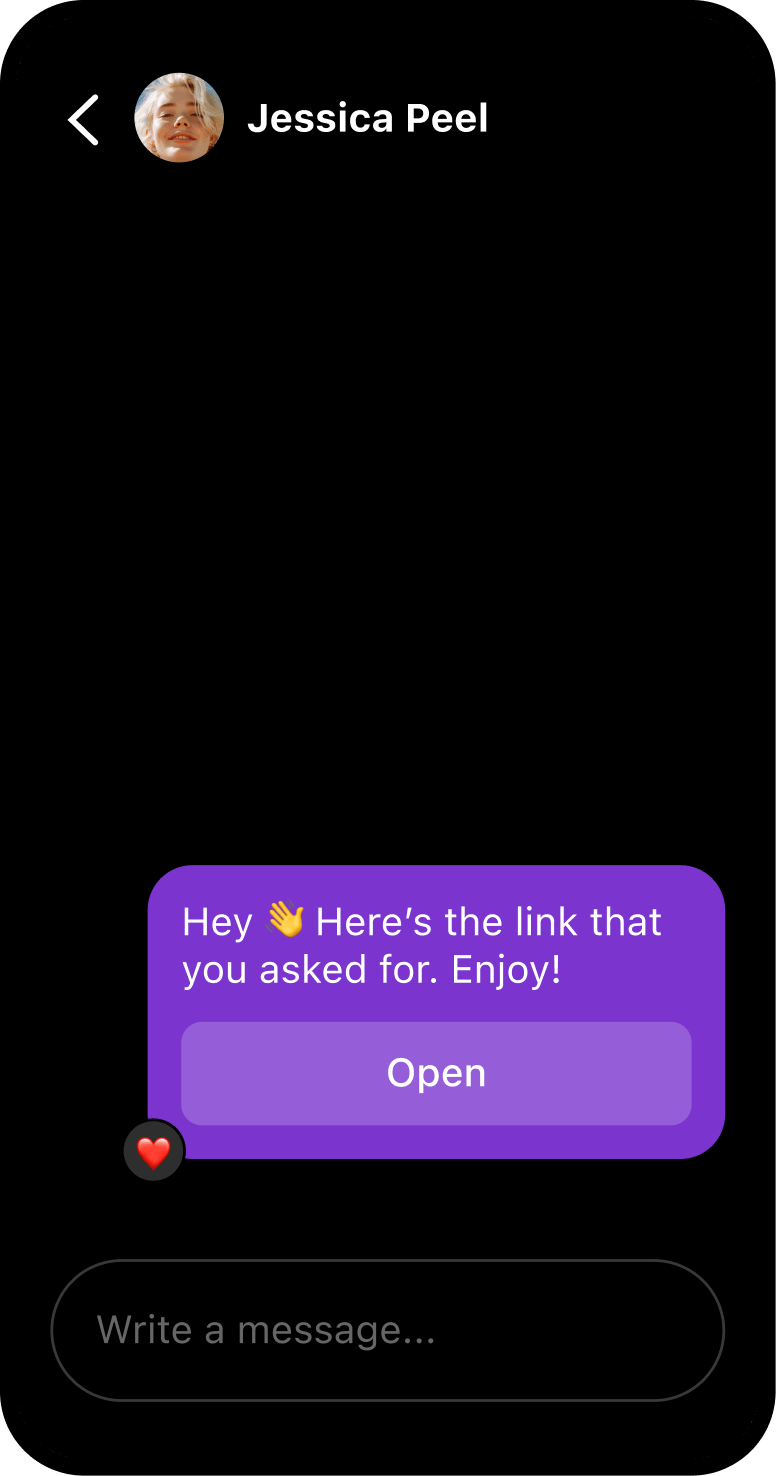
A viral influencer post can generate a ton of comments and DMs, but if a creator has to reply to each one with a link manually, you run the risk of losing sales to slow response times. Manychat’s Comment-to-DM Quick Automation fixes this instantly.
It’s simple: when someone comments a keyword on a creator's post (“link,” “promo code,” “discount,” etc.), they get an automated message with the link in their inbox.
It’s a great way to capture demand you'd otherwise lose. Plus, you already paid for the influencer post — automation is a near-zero marginal cost way to extract more revenue from the same piece of content.
Learn more: Explore Manychat for Brands
Where to Go From Here: Test, Track, Repeat

Influencer marketing is one of the most powerful ways to reach new audiences, and you don't need the biggest budget possible to get started. Pick one or two creators whose followers already care about what you're offering, give them room to do what they do best, and see what happens. Track your results, learn from them, and grow from there.
When those posts start bringing in comments and DMs, don't let them languish. Manychat can automatically send over a link, code, or whatever scrollers are asking for, so no sales slip through the cracks.
Frequently asked questions
Instagram influencer marketing is a strategy where brands partner with creators who have engaged, trusted audiences to promote products or services — usually through sponsored posts, Reels, Stories, or long-term ambassador relationships.
Instead of a brand speaking directly to consumers, the creator serves as a trusted intermediary, which often feels more authentic than traditional advertising. Campaigns can range from one-off paid posts to organic collaborations (like free product gifting) to performance-based affiliate partnerships.
The best fit isn't really about follower count; it's about audience overlap and content style. Look for creators whose existing audience already cares about your niche (not just people who might be persuaded), and whose content format feels like something your brand could naturally fit into without forcing a rewrite of their style.
To vet a creator:
- Check their engagement rate (likes/comments relative to followers, not just raw numbers)
- Look at the quality and tone of comments (are people genuinely engaged, or is it bots/spam?)
- See if they've done sponsored content before and how their audience responded.
Micro and mid-tier creators often have higher engagement rates and better audience trust than mega-influencers, making them a strong starting point for testing fit.
Start by defining what "success" means for the specific campaign (awareness, engagement, traffic, direct sales, etc.) since the right metric depends on the goal. Common ways to measure ROI:
- Earned Media Value (EMV): estimating what it would've cost to buy the same reach/engagement through paid ads.
- Trackable links or unique discount codes: assigning each influencer their own code or link lets you directly attribute clicks and sales to that specific partnership.
- Engagement rate vs. your account average: comparing how the sponsored post performed relative to your normal content baseline.
- Conversion tracking through automation: tools that deliver links via comment/DM automation can track exactly how many people clicked through from a specific creator's post.
The most reliable approach usually combines a few of these rather than relying on a single metric, since likes/comments alone don't tell you whether the partnership actually drove business results.


Originally published: Aug 3, 2026
More stories worth reading
More content that's too good to miss