Influencer Marketplaces: How They Work, Top Options, and More Things You Need to Know
Influencer marketplaces, collab hubs, brand portals — they go by many names, but serve the same purpose: being a place where creators and brands can work together.
Whatever you want to call them, there are a lot of options out there, and navigating them can quickly get overwhelming. Should you create a profile on all of them? No. Well…maybe, if you’re just starting, but some of them don’t even work like that. We’ll get to that in a minute.
This guide breaks everything down you need to know, from whether these platforms work at all to which ones are worth your time. Keep scrollin’ for the full scoop.
How Influencer Marketplaces Work

Most of us associate influencer marketing with Instagram, but in reality, brands have been partnering up with big names for hundreds of years. Fun fact: One of the first influencer marketing campaigns happened when Josiah Wedgwood created a tea set for Queen Charlotte in 1765.
Fast forward to today, and influencer marketing is as alive and well as ever. And you don’t need to be (or know) a royal to get in on the action.
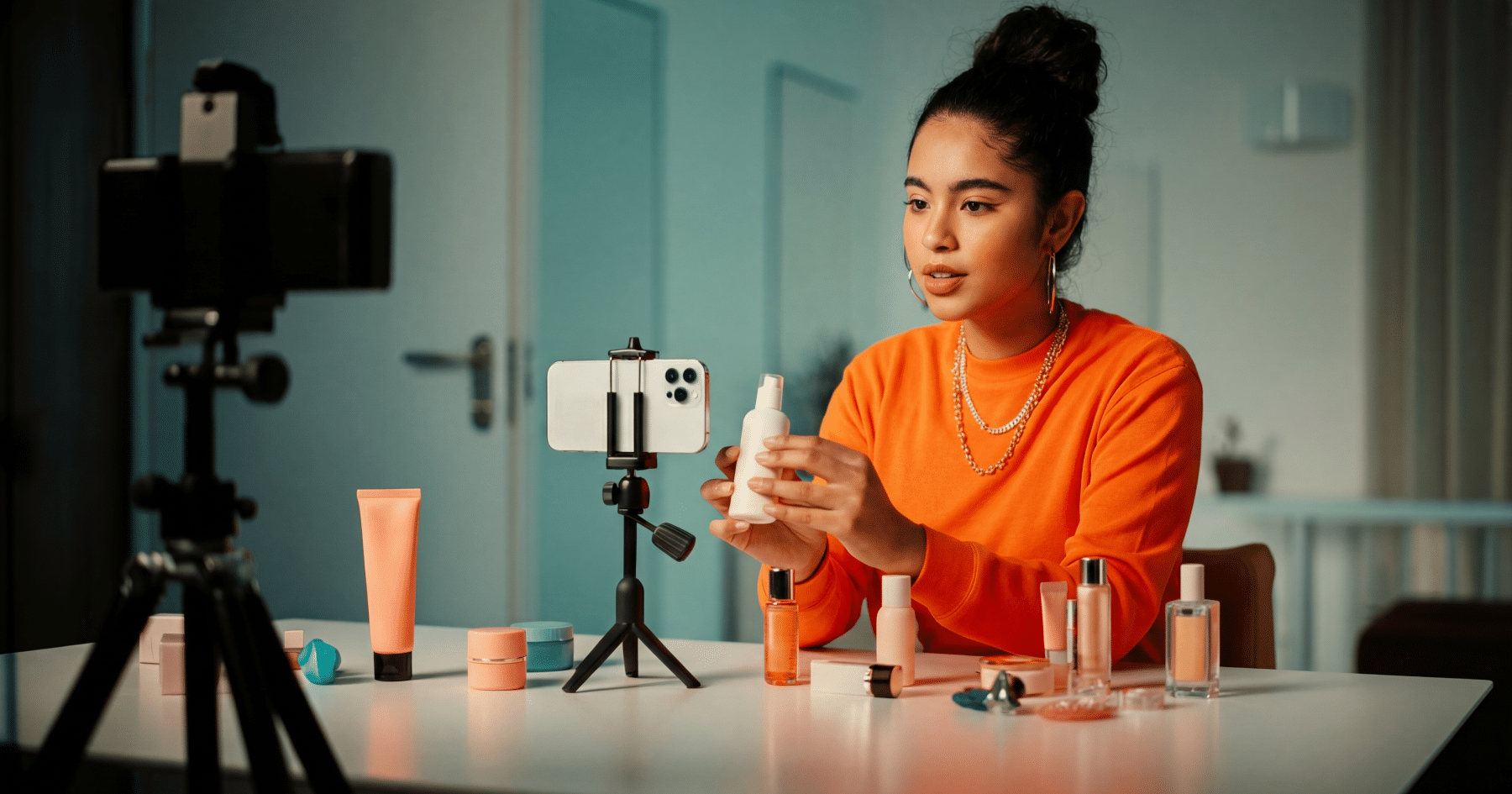
Influencer marketplaces are platforms that connect brands and creators to collaborate on campaigns. Creators use them to build profiles that showcase their work and apply for campaigns; brands use them to find influencers based on specific criteria, such as niche, following, or engagement rates.
If you’re:
- A content creator looking to earn cash from UGC or brand deals, or
- A brand looking for the right people to represent you
…an influencer marketplace is where it all starts.
Okay, but do influencer marketplaces work?
It’s a valid question. To find out the answer, I asked Manychat’s Jacob Andary. Jacob works with influencers daily, but he doesn’t seem to be a fan of marketplaces: He told me he’s worked with a few platforms and “…hated them all.”
“I think most of them are trash and don’t really do what they sell you on,” he says. “If you’re a micro-creator, I would say sure. But do you need to be part of these platforms to make it? No.”
Spicy, I know — but he has a point. Influencer marketplaces are a ‘your mileage may vary’ situation. Give it a try, especially if you’re just starting, but don’t be afraid to pivot if the partnerships that emerge aren’t leading to lasting value.
Choosing the Right Influencer Marketplace

Most influencer marketplaces aren’t free to use — they’ll either charge you for features or take a cut of your earnings. With that said, you want to make sure you’re signing up for one(s) that makes sense.
The right choice depends on your role:
- Are you the creator or influencer marketing manager?
- How big is your following?
- What’s your niche? And your budget?
You get the picture.
Ahead, we’ll talk through a few popular options and note who they’re best for.
Check for native platform options first
Where are you trying to wheel and deal: Instagram, TikTok, YouTube, or all of the above? Wherever it is, chances are there’s a program or tool within that platform designed to coordinate paid collaborations.
For example, Meta has the Instagram Creator Marketplace, TikTok has TikTok One, and YouTube has BrandConnect. Even Pinterest has its own paid partnerships tool.
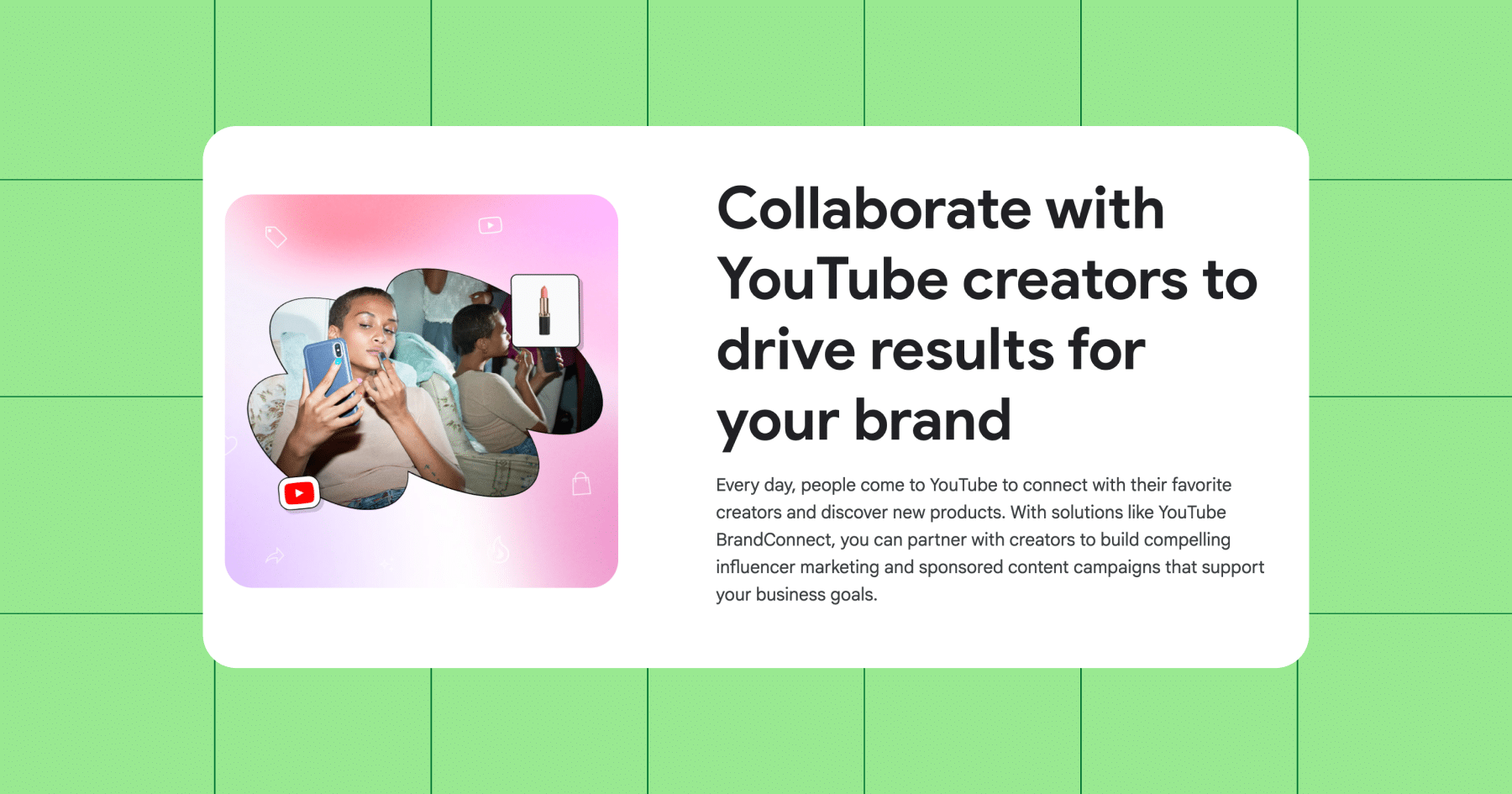
If you have a large following on a specific social platform, it’s best to check its native options first. Why? Because you’ll have a much smoother time collaborating on a sponsored post and digging into the results on Instagram or TikTok itself than you will with a random tool.
8 popular influencer marketplaces to consider
There are nearly 7,000 influencer marketing platforms out there (WAY too many). We ain’t doing all that, so let’s just focus on the eight top options that often land on top-rated lists.
1. Afluencer
Afluencer is a platform that brands use to post collab opportunities for creators to apply to. It’s a matchmaking-style tool with a heavy emphasis on micro-influencers and smaller brands. There is a free plan available that allows you to post one “Collab,” so you can test the waters before committing further.
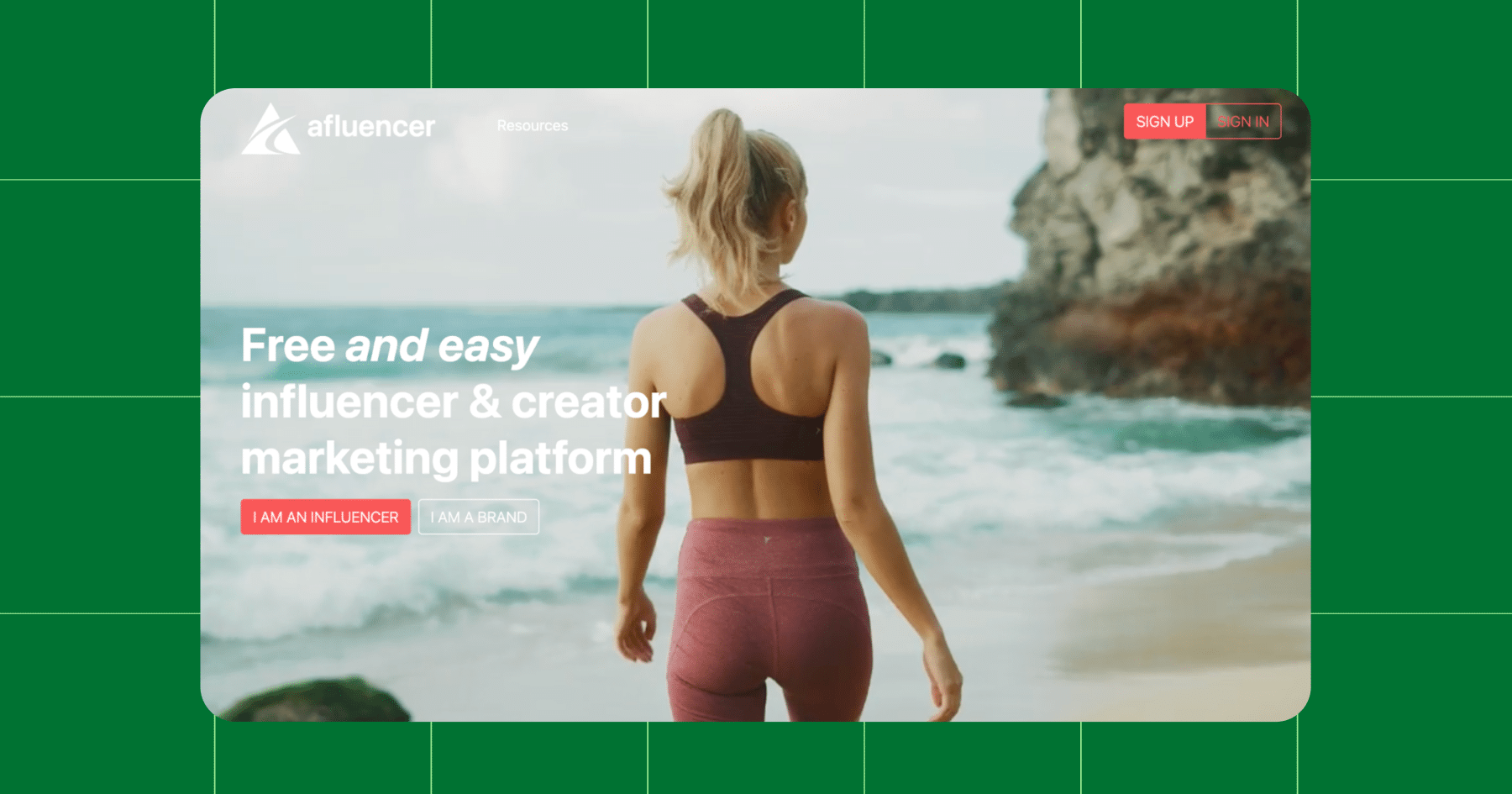
Best for: Brand managers who prefer an inbound “creators apply to me” workflow.
2. GRIN
GRIN is a full-scale influencer management CRM built for brands that run large, ongoing influencer programs. GRIN integrates with e-commerce platforms like Shopify and WooCommerce, offering features for recruiting, product seeding, contracts, payments, tracking, and attribution. To be honest, it’s overkill for small businesses, and because the information in GRIN is imported, creators shouldn’t really use it either.
Pricing for GRIN isn’t publicly available, and the company doesn’t advertise a free option either.
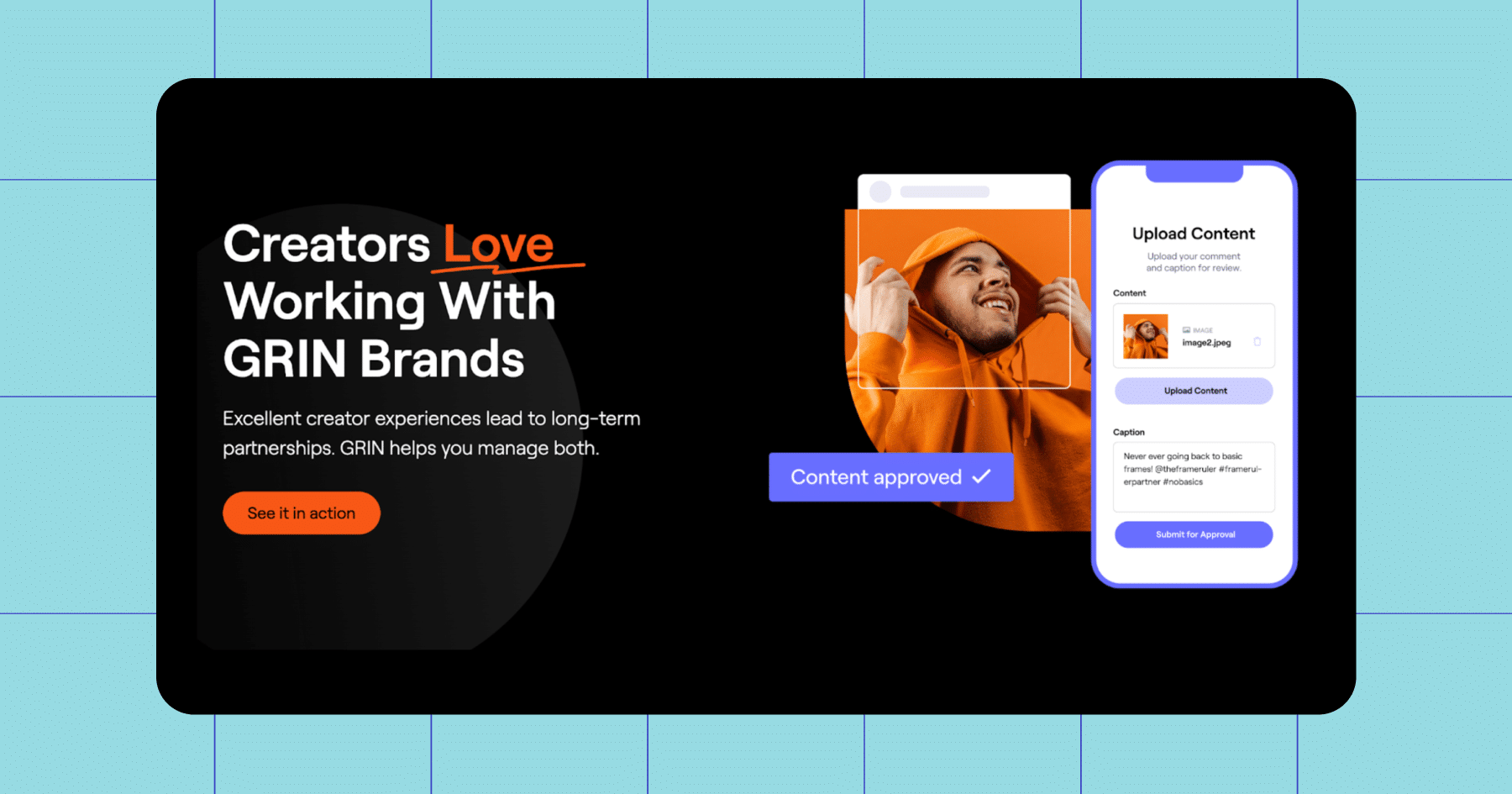
Best for: Brands that spend heavily on influencer campaigns and need accurate ROI tracking.
3. LTK
LTK (formerly known as LIKEtoKNOW.it) is a creator monetization tool that influencers use to earn money through affiliate links. Brands in the fashion or lifestyle space can pay for campaigns within the LTK ecosystem and access creators who frequently post shoppable content.
LTK is free for creators to use, but brands must pay a one-time fee and an annual subscription fee. Subscription pricing isn’t listed online, but third-party sites note that the lowest-tier plan (Connect) starts at $5,000 per year.
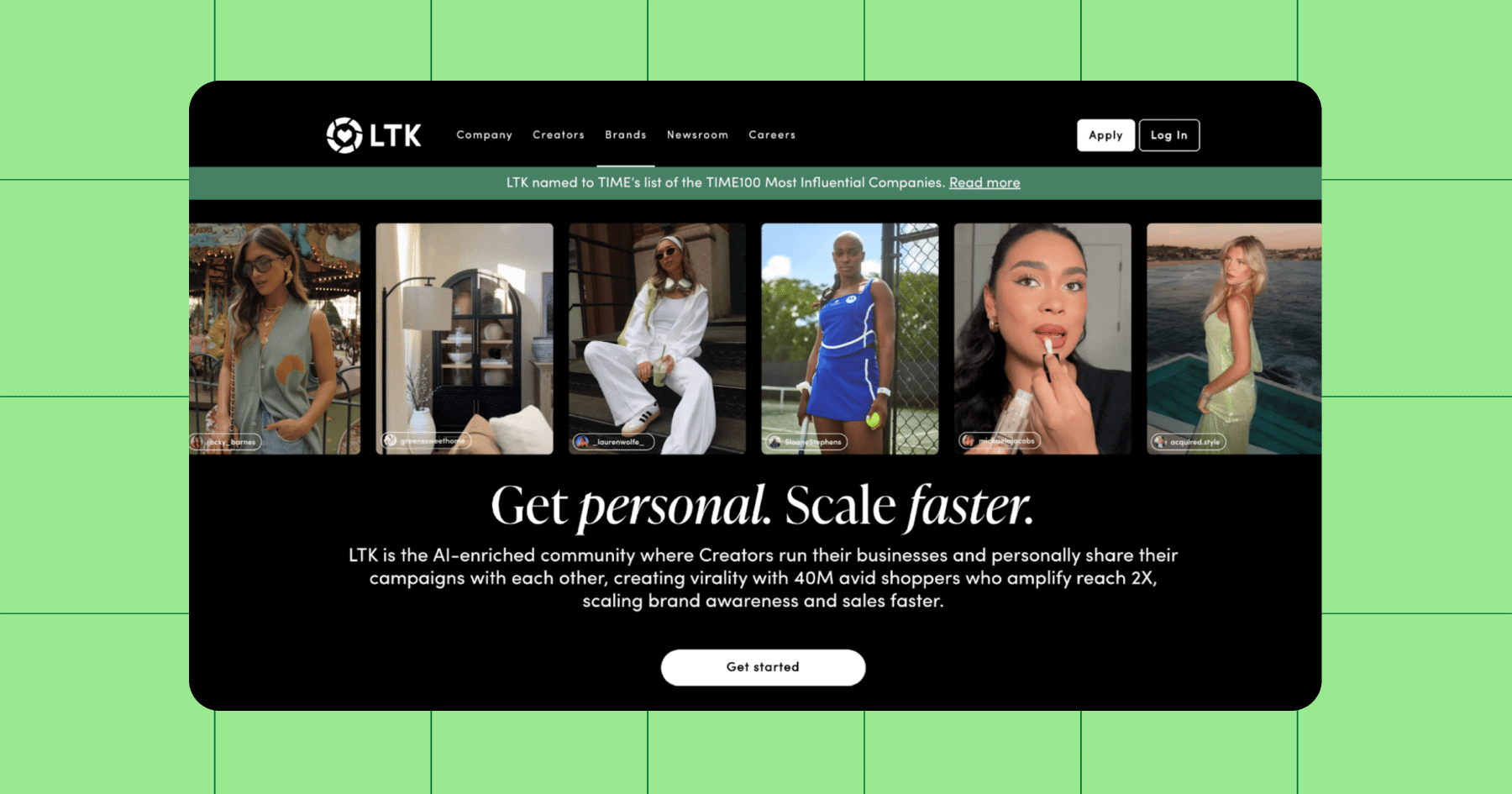
Best for: Creators who monetize through affiliate links and brands seeking access to creators with a proven track record of high conversion rates.
4. Heepsy
Heepsy is an influencer discovery and vetting platform. It works like a searchable database: You can filter by niche, audience demographics, fake follower score, location, engagement rate, and more. Heepsy has millions of creators listed in its system — if you want to join them, all you need is a public Instagram, YouTube, or TikTok account with over 1,000 followers.
Good news: Heepsy offers a free plan, and its paid plans are affordable, with the Starter plan priced at $89 per month.
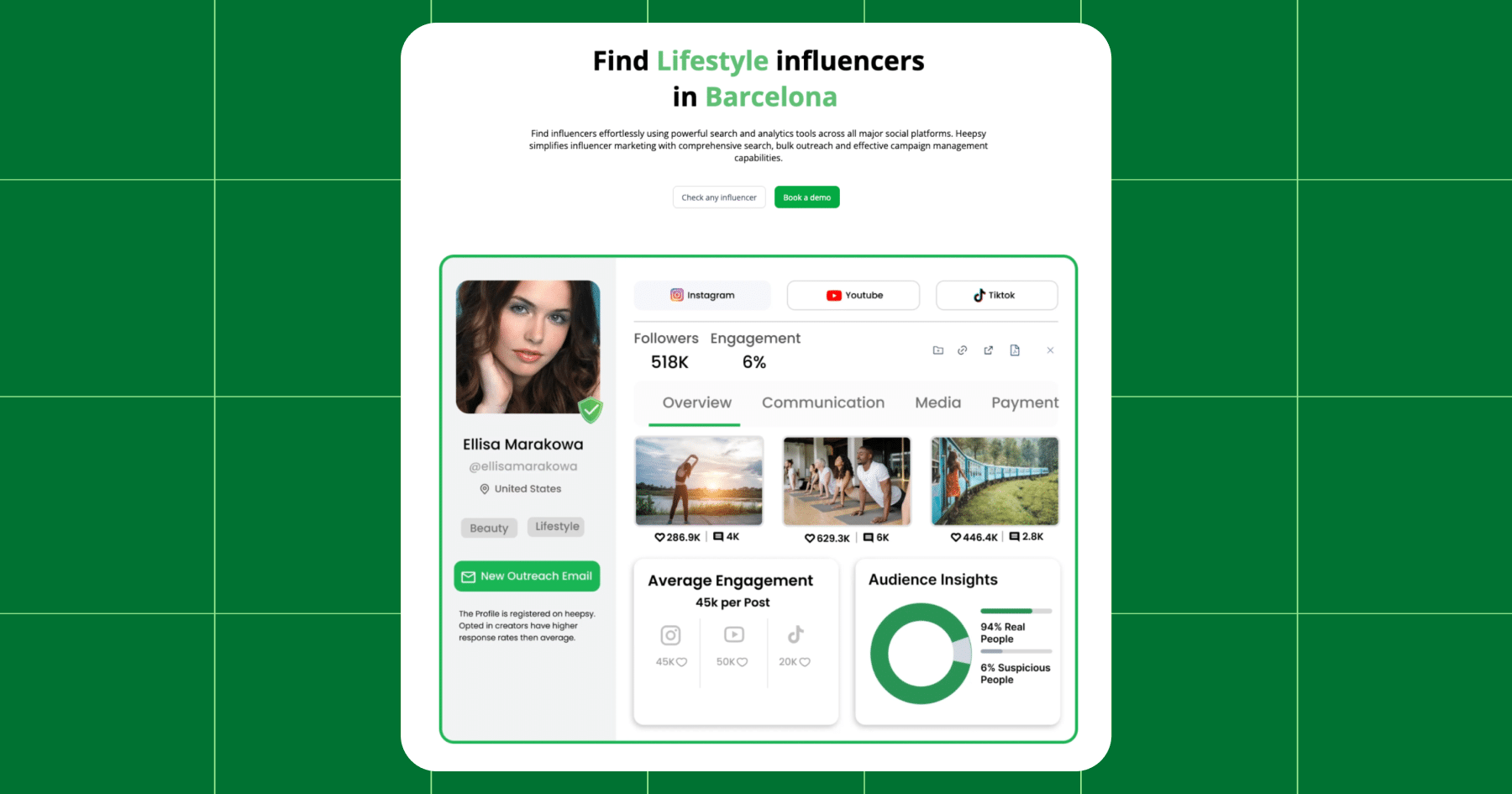
Best for: Brands that need vetting capabilities but not full program management.
5. Brandwatch
Brandwatch is a social listening and consumer intelligence tool that helps brands monitor conversations, track sentiment, and analyze trends across social media and the broader web. It isn’t an influencer marketplace per se, but it does include influencer discovery and audience insights as part of its analytics suite. Unfortunately, pricing information for Brandwatch isn’t available online.
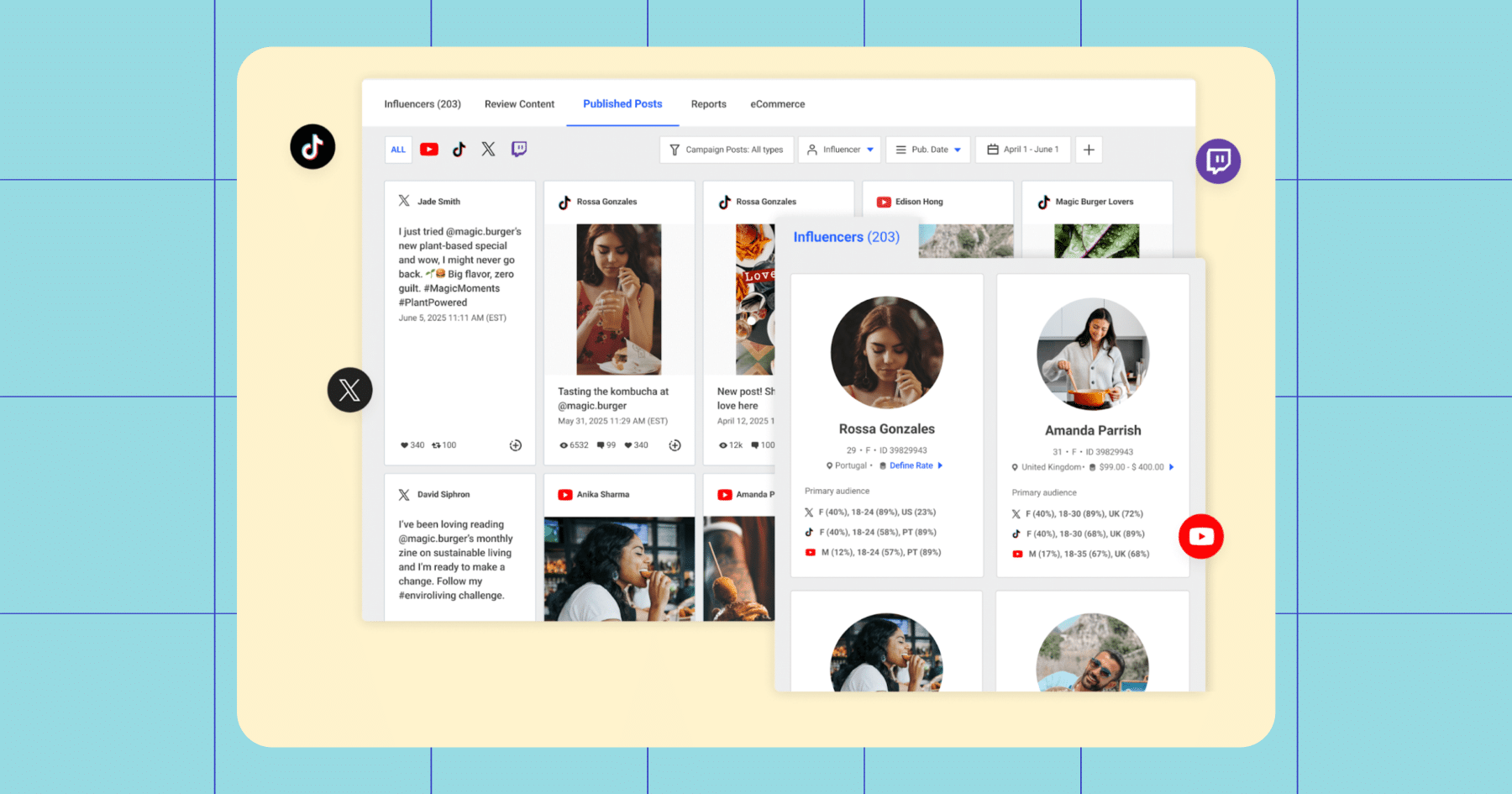
Best for: Brands that need social listening and data to inform their influencer strategy
6. Later
Later is a social media scheduling and analytics platform that includes an influencer marketplace called Later Collab. Creators can opt in to receive brand partnership opportunities, and brands can use the marketplace to discover creators based on niche, content style, and audience fit. It’s essentially a scheduling tool with a built-in creator marketplace attached. (Note that while Later does have a pricing page on its website, you have to request more information.)
Best for: Brands or creators already using Later for something else
7. Modash
Modash is an influencer discovery and vetting tool that indexes creators across Instagram, TikTok, and YouTube. It’s not a marketplace (creators don’t sign up), so it’s primarily used by brands to search through millions of profiles using filters. It’s known for integrating with Shopify and providing accurate audience data and fraud detection.
You can try Modash’s Essentials and Performance plans for free. From there, Essentials starts at $199 per month when billed annually.
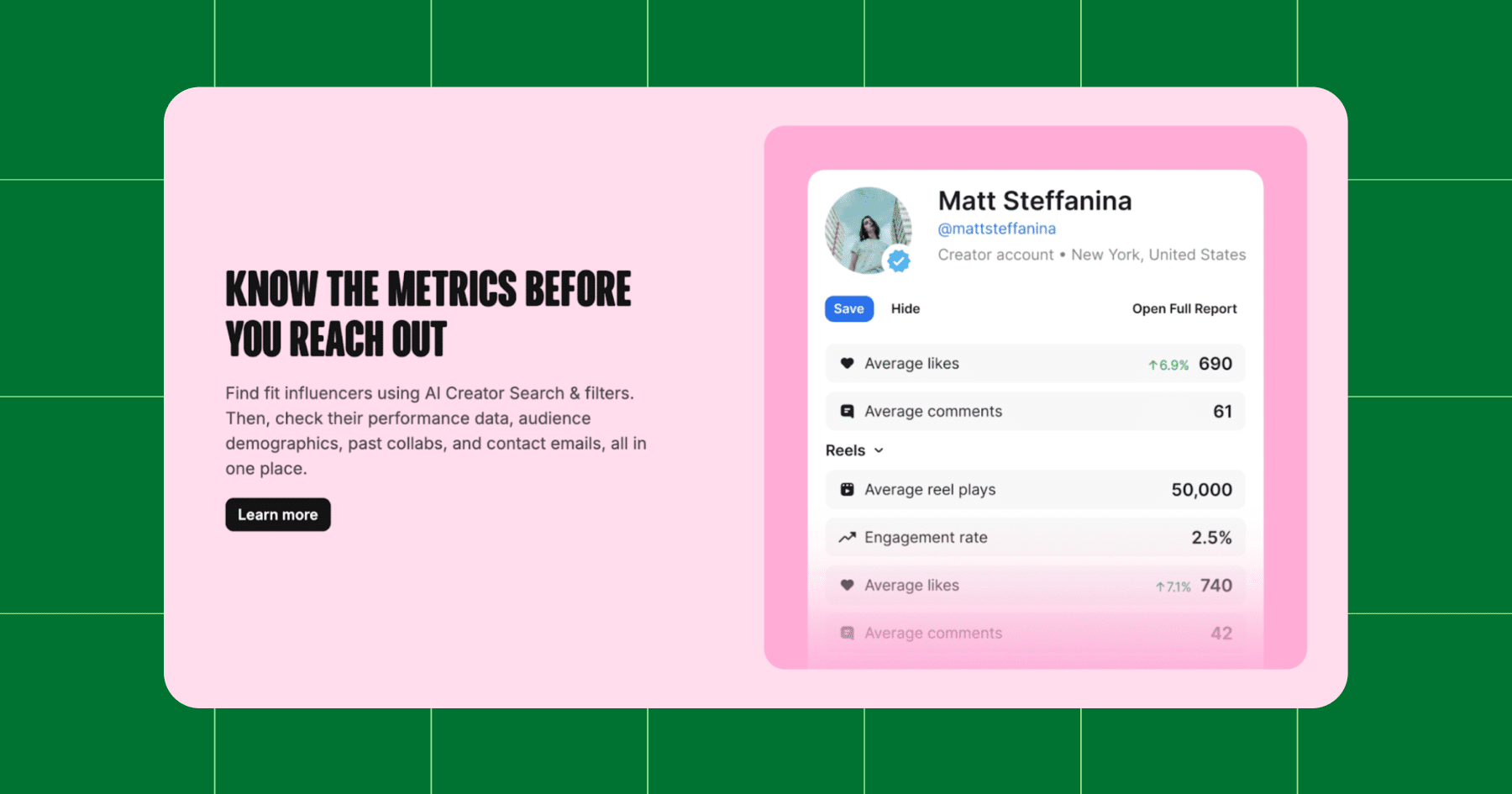
Best for: In-house marketers who work with between one and 50 influencers annually
8. CreatorIQ
CreatorIQ is an enterprise-level influencer marketing platform used by major brands and agencies. It’s a robust system that supports everything from discovery and relationship management to campaign tracking and ROI reporting. While CreatorIQ has a massive indexed creator database, creators can build their own profile to provide more context and details.
Like Later, you have to request pricing information from CreatorIQ.
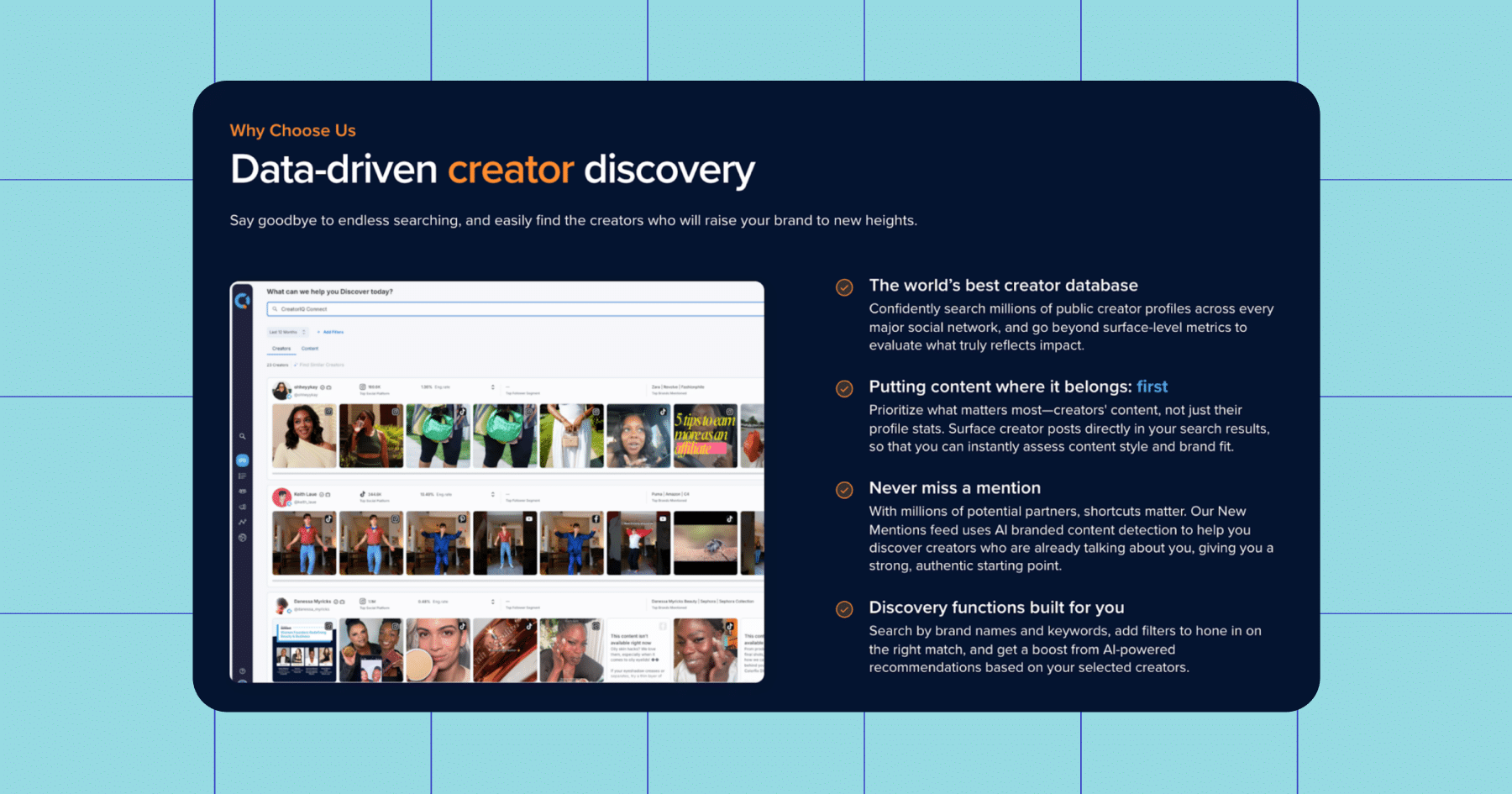
Best for: Large brands managing complex, multi-campaign influencer programs.
Ready to Land Better Brand Deals?
Influencer marketplaces probably won’t make you a millionaire overnight, but they can open doors. The right platform can put you or your brand in front of people who never would’ve discovered you otherwise, and sometimes, all it takes is one great collaboration to change the trajectory of your work.
If you’re a creator and want to dig deeper into landing paid partnerships, check out How to Land Your First Brand Deal (And Keep ’Em Coming).
And don’t forget about the Manychat Partner Program. If you’re a creator who loves building automations, our affiliate program offers a solid way to grow your income and your influence.
Explore the Manychat Partner Program
✋Frequently Asked Questions (FAQs)
1. Do I need to join more than one influencer marketplace?
Not necessarily. Some creators sign up for several platforms when they’re just starting, but it’s not required. Marketplaces work differently — some let you create profiles, others don’t — so it’s smarter to choose one or two that actually fit your niche, content style, and goals instead of trying to be everywhere at once.
2. How do I know if an influencer marketplace is worth paying for?
For starters, ask around: Take to Reddit or Instagram to ask creators about the specific platforms you’re considering.
After you sign up for a platform, consider the quality of opportunities that come your way versus the quantity. If the partnerships you’re getting don’t lead to repeat collaborations, meaningful exposure, or fair compensation, you’re better off
3. Should I use native creator tools like Instagram’s Creator Marketplace instead of third-party platforms?
If you’re already established on a platform like Instagram, TikTok, or YouTube, a native tool is often the smoothest option. They offer built-in features that make it easier to collaborate, track performance, and get discovered.
4. Can small creators or new brands actually get deals from these platforms?
Yes, but results vary. Some marketplaces are more microcreator-friendly (like Afluencer or LTK), while others favor large brands or creators with established audiences. Oftentimes, the best results come from a mix of marketplace applications, direct outreach, and building relationships over time.


Originally published: Dec 29, 2025, Updated: Dec 29, 2025
More stories worth reading
More content that's too good to miss