Hello, curious internet friend. You’re considering leaping into the unknown world of content creation. You dropped “how do I become a full-time content creator” and boom, you’re here. That’s cool.
Hello. Hi.
I talk to a lot of creators. Like, all the time. I get in the weeds with folks who point their smartphones at themselves, plus those who have the big-money setups to create content. And one thing I hear over and over is some version of “I bet on myself.”
Some folks manage to pop on a ring light, and next thing they know, they’re paying the house note. But the road to financial freedom isn’t the same for everyone. In fact, most people don’t get anywhere close.
Roughly 90% of YouTube channels never break $100 a month, and the median creator income across major platforms hovers in the low hundreds per year, not per month. There are plenty of talented folks uploading week after week, making a whopping $46 a month from YouTube. It’s hard out there.
Being a creator isn’t all roses and free trips to the Swiss Alps to eat candy near a fire, although that would be nice. (I’m open to that trip. Editor’s note: me too.)
But you need to know what it’s actually like being a creator. Becoming MrBeast is a statistical miracle. Fewer than 0.01% of creators earn enough to do this full-time, and even fewer do it sustainably. Wanting it isn’t enough.
You gotta be ready to hustle.
Act I: The Creator Economy as Labor
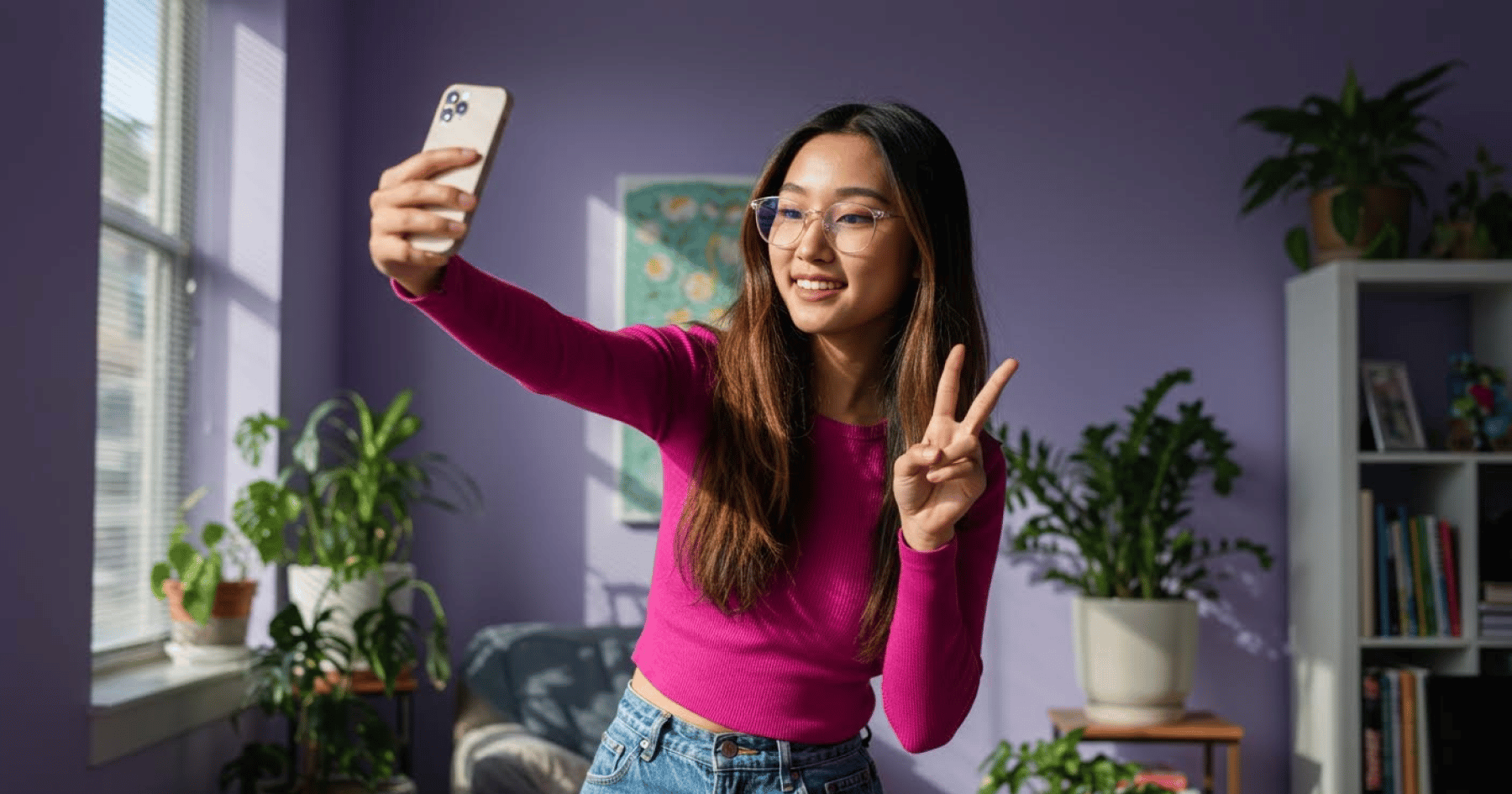
As it’s a new year and optimism is high, it’s worth zooming out and looking at how creators actually function as part of the engine that drives social media. This sector isn’t just “person aims phone at face” anymore. It’s an entire shadow economy, one that keeps shape-shifting to survive the algorithm.
The new middle class that isn’t
Some folks get to promote SKIMS. Others hustle meal kits and VPNs. The creators sitting in that 50-150K follower range are grinding it out. They’re doing real work — writing, shooting, editing, engaging, and data analysis.
On average, they’re working 50 to 60 hours a week, often for an income that would fall under $ 50,000 a year if averaged honestly. And they’re one algorithm tweak away from financial disaster.
No benefits. No safety net. No union. That’s a wild proposition.
They “own their business” the way a franchisee owns a McDonald’s. Technically independent. Functionally dependent. Big for most folks, their posts ain’t covered in Big Mac sauce or the Golden Arches as a safety net.
This is why I constantly tell creators to get people onto an email list. Email remains one of the few places where you actually own the audience. If a platform disappears or decides you’ve violated a rule that’s not clearly defined, you don’t lose everything overnight. Remember when multiple outlets killed chronological feeds overnight? That had people scrambling to rethink when they dropped new content.
Quality over quantity
I’ve watched creators with 30K followers outsell ones with 3 million because they owned the relationship. A few years back, Hank Green talked openly about something that broke a lot of creators’ brains at the time. He had videos pulling in millions of views and still found himself explaining that views didn’t reliably translate to income anymore. CPMs fluctuated. Ad inventory shifted — one algorithm tweak and a video that should’ve paid rent barely covered groceries. Meanwhile, creators with much smaller but more engaged audiences were quietly out-earning viral stars by selling memberships, newsletters, merch, or live events directly to fans they actually owned.
Green’s point wasn’t that virality was 86’d. It was that reach without ownership is crazy fragile. Millions of eyeballs don’t matter if you can’t reach them again tomorrow. (Sad trombone.) A smaller audience that opens emails, replies to messages, and actually buys things can outperform a massive following that only exists at the mercy of a recommendation engine.
That’s the gap a lot of creators don’t see coming until they’re screwed.
Act II: Platform Power and Burnout
Creators will tell you they’re independent entrepreneurs while describing their entire financial life as dependent on whether TikTok’s VP of Product woke up cranky.
They’ll defend platforms that take 30 to 50% of their revenue, offer zero transparency, and provide no appeal process when demonetization hits. It’s darkly funny until you remember these are real people with rent due. See our story on Matt Slayer and how arbitrary “safe for work” really is.
One thing I’ve seen over and over is that the creators who make it didn’t quit. Most didn’t blow up overnight. Surveys consistently show it takes three to five years of regular posting before creators see meaningful income, if they ever do. That’s thousands of hours before anything resembles stability.
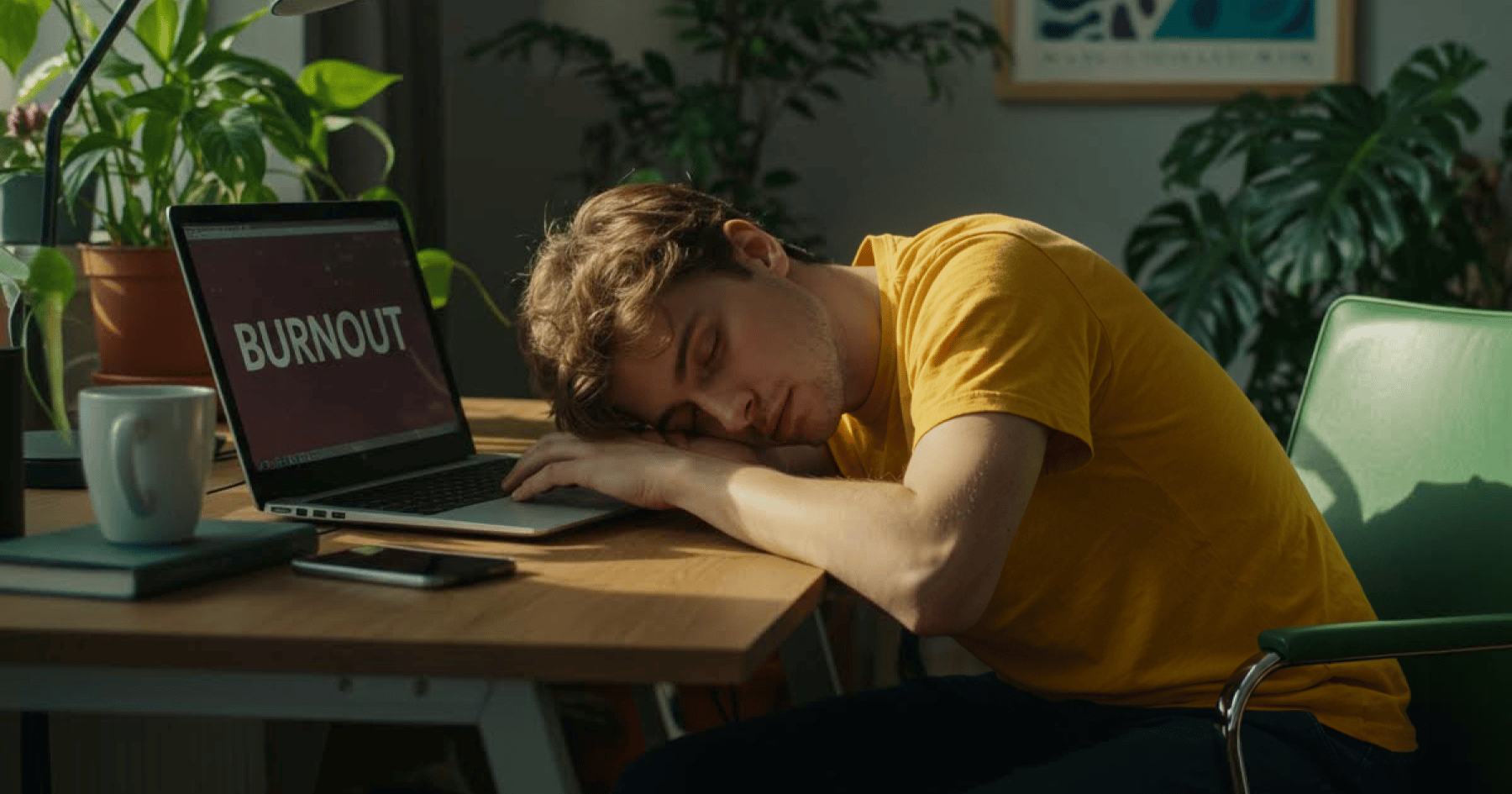
Which is also why burnout is everywhere. Creators report a variety of reasons for burnout, and more than half say they’ve considered quitting in the last year alone (the rate is highest with Gen Z), according to the 2026 Manychat Creator Report.
Act III: The Professionalization Trap
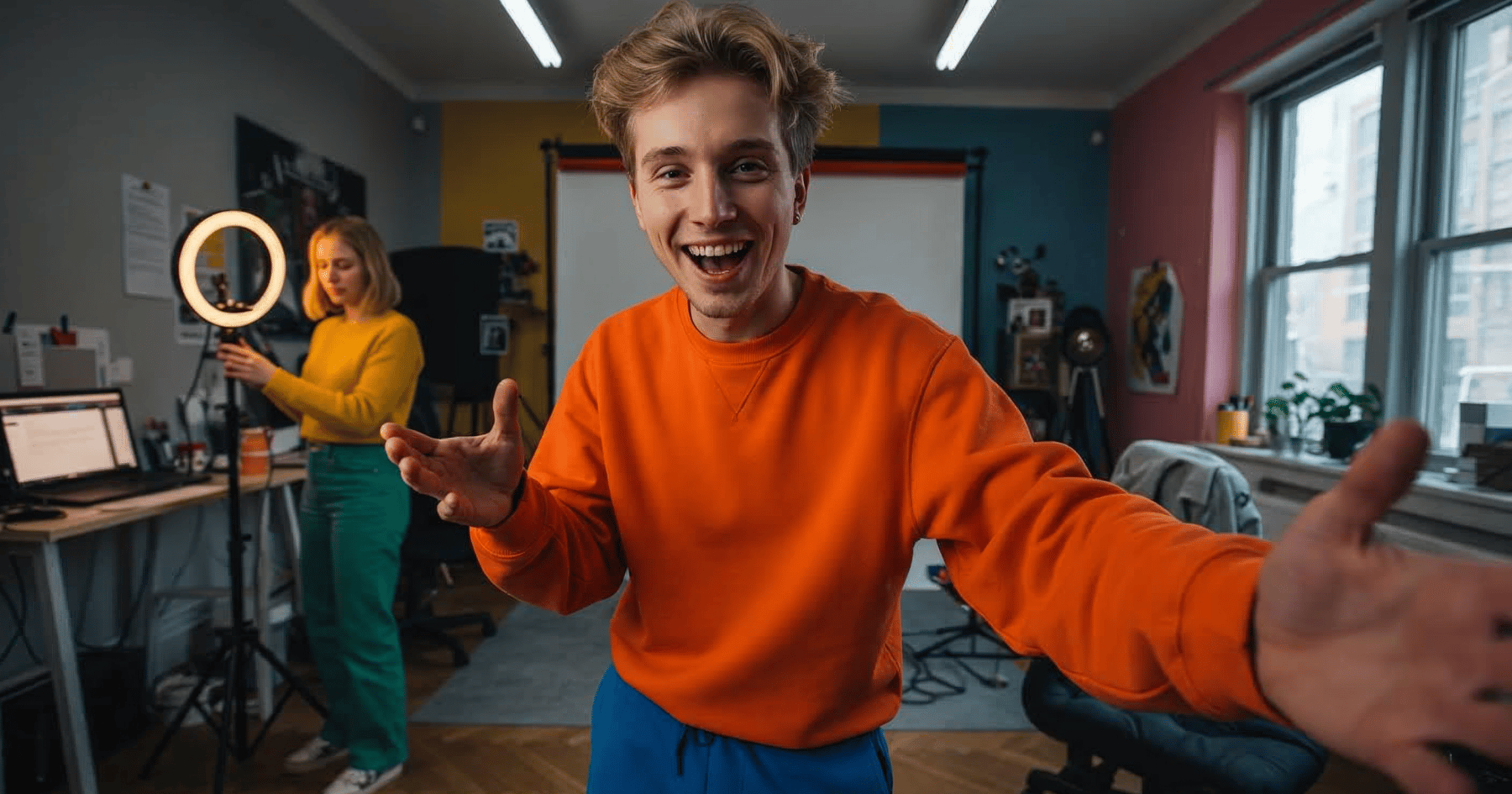
It’s a little bit of good, bad, and…well, it gets complicated.
The good
People are making genuinely impressive work on budgets that would’ve been laughable ten years ago. A decent phone can shoot 4K. Editing software is cheap. Distribution is free.
The bad
Now you’re competing against that. So your iPhone rant better be compelling as hell, or you’re staring down $10-15K in gear, plus editors, designers, and producers.
The complicated
This has created real jobs. Editors, thumbnail designers, podcast producers, community managers. But it also means “creator” increasingly translates to “runs a small media company,” not “makes stuff for fun.”
The workload scaled up. The risk stayed personal.
Act IV: Philosophy Meets Hustle

And that’s the part everyone needs to take seriously before betting on themselves; this isn’t just creativity anymore. It’s labor. It’s personal and professional volatility. It’s freedom with a very sharp edge.
As Fyodor Dostoevsky wrote in Notes from Underground, “Man needs only independent choice, whatever that independence may cost and wherever it may lead.” Or, as Jay-Z put it, translating philosophy into practice: “I’m not a businessman. I’m a business, man.”
That’s the modern creator’s tension right there. Radical independence on one end. Relentless hustle on the other. Freedom, but only if you’re willing to carry the weight of it yourself. Gold chains and philosophy books and all that.
The 2026 Question
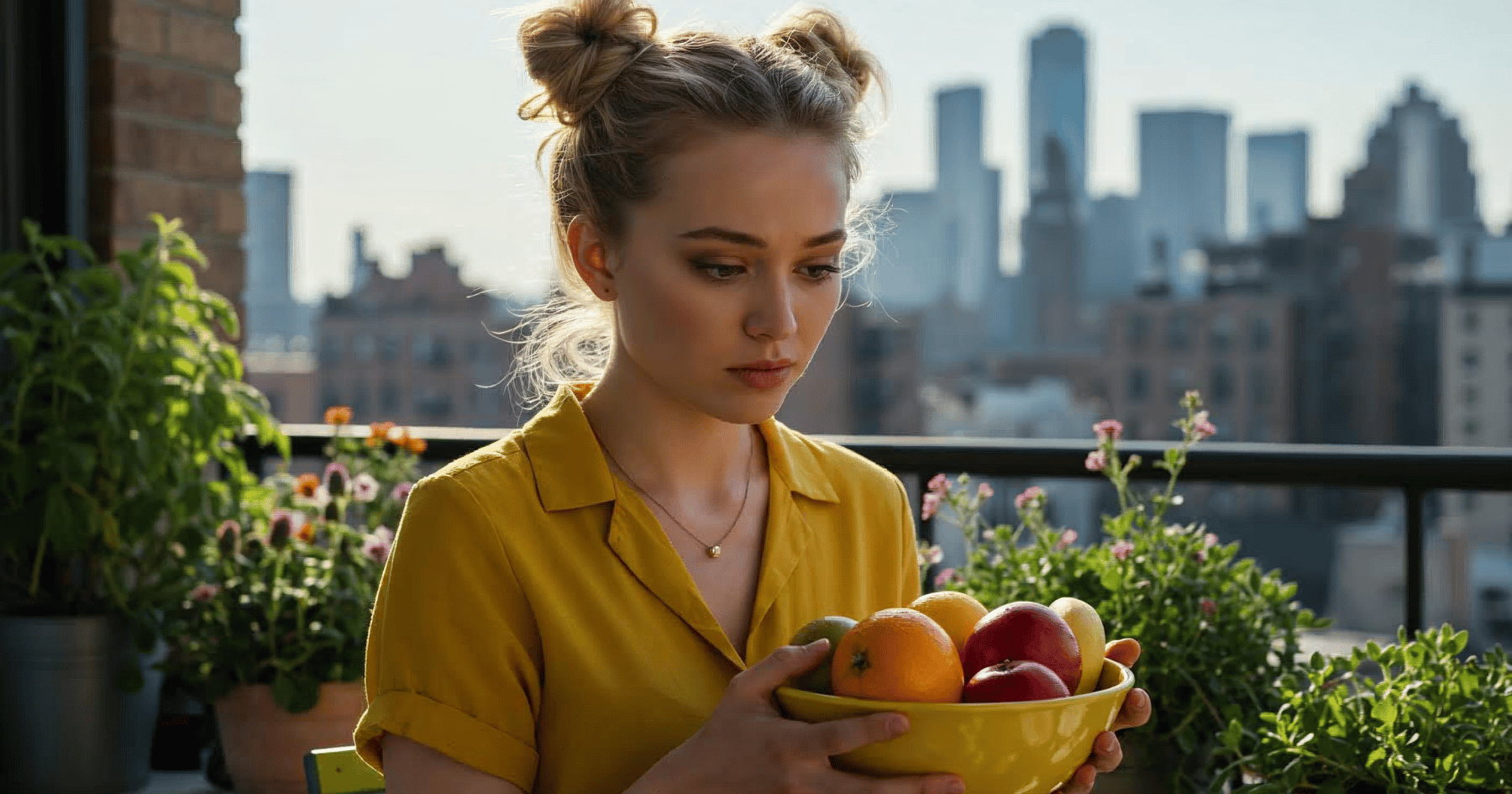
Still tempted? Cool. Just go in clear-eyed. The content treadmill never stops. To feed the beast, people create some genuinely bizarre shit:
- Mental breakdowns on camera because vulnerability performs well.
- Couples staging breakups for engagement.
- The guy who ate fruit for 60 days straight.
Is it exploitation if you’re exploiting yourself? Yes, but it’s complicated, like a Facebook status about your situationship.
What’s actually new here isn’t prediction. It’s an acknowledgment. Some of this is the democratization of media production we were promised. Some kid in rural wherever can build an audience for a weird niche thing. That’s real. That matters. Because it can be a way out.
But we’re also watching the gig-ification of creativity in real time, and pretending everyone who “bets on themselves” is on equal footing is horseshit.
By almost every metric, the creator economy is no longer small. It is a real market with real money moving through it. The global creator economy was valued at roughly $200+ billion in 2024 and is projected to grow toward $500 billion or more by the end of the decade, while U.S. brand spending on creator-driven media alone is expected to reach around $37 billion in 2025, growing more than four times faster than the overall media market, according to the Interactive Advertising Bureau.
And yet the upside remains wildly uneven. Most surveys indicate that the vast majority of creators earn little to nothing, with only a small fraction making a full-time living, despite platforms and advertisers scaling rapidly.
Which leaves the real 2026 question hanging in the air: are creators becoming savvier about diversification and building resilient businesses, or are we just witnessing an increase in people signing up for a new form of digital sharecropping because every other economic option continues to deteriorate?
What Would Socrates, Plato, and Aristotle Say
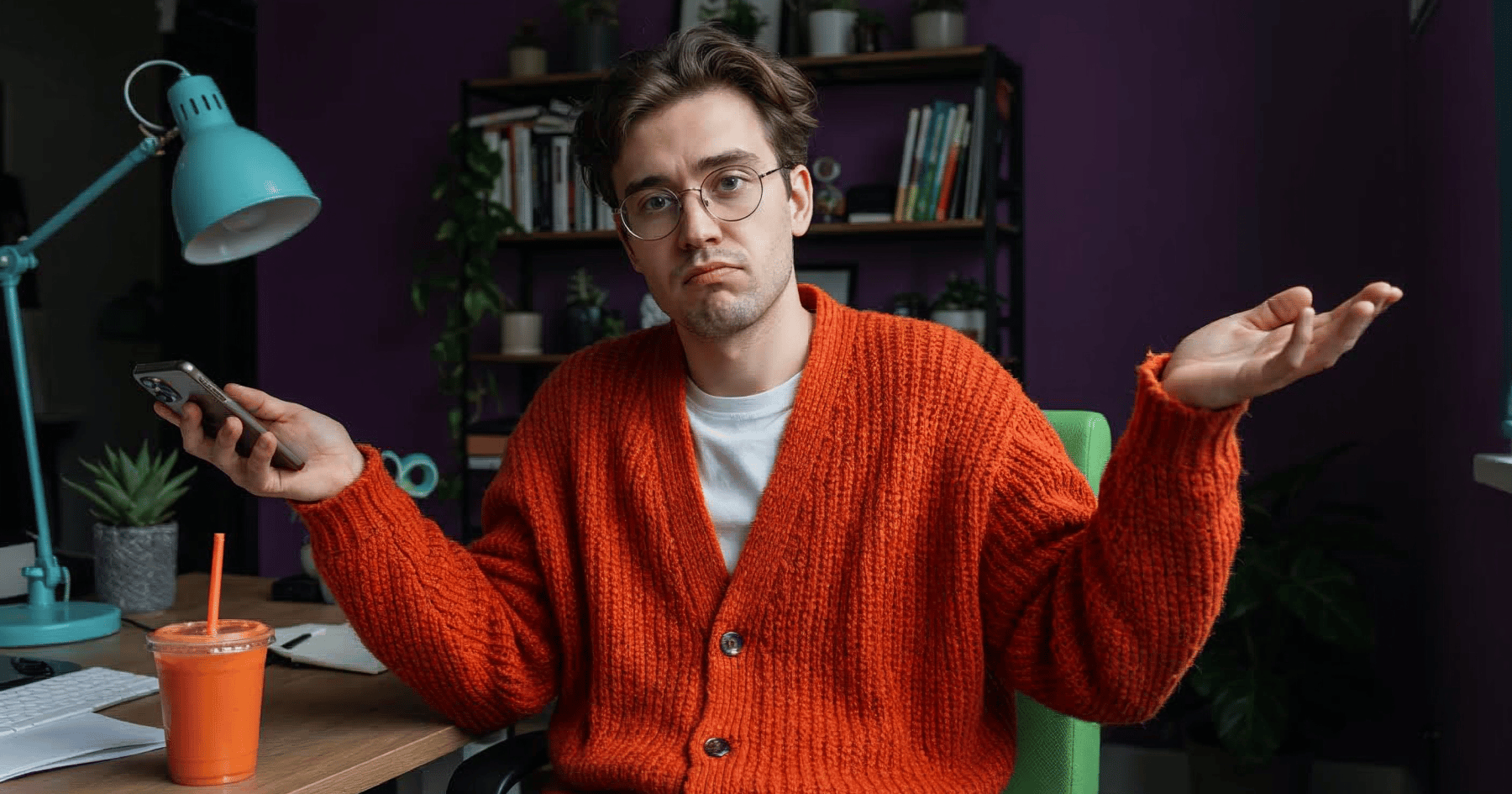
This is philosophical territory now. When being online starts to resemble art, music, acting, or labor, how do you quantify aspiration without selling a lie?
Here’s what I saw in 2025: the ones who made it weren’t the ones chasing virality. They were treating it like infrastructure: building email lists, diversifying revenue streams, thinking five years out instead of five posts ahead. But I also watched talented people burn out and quit because no amount of strategy can overcome platform caprice.
This isn’t a broken system. It’s a very efficient one — just not for the people doing the work. And there’s plenty of freedom but no HR. Or days off. Plenty of people are making it up as they go along.
There’s no exact formula for this stuff. Nothing that works for one person will work for another, as much as those coaches promise. Sorry, guy. Luck has a lot to do with it.
The bet-on-yourself narrative only works if you understand you’re not just going all in on talent or hustle. You’re betting you can outlast arbitrary algorithm changes, advertiser whims, and your own inevitable burnout. Some people win that hand of cards. Most don’t. And the house always takes its cut.
That’s the 2026 economy: opportunity and exploitation, running on the same server. May the algorithmic odds be ever in your favor.
Originally published: Jan 14, 2026, Updated: Jan 14, 2026
More stories worth reading
More content that's too good to miss