Sexual content is everywhere online. Most of it’s hidden behind the paywalls of OnlyFans or an adult site, but even on social media, there are plenty of images in your For You page that can lead down a fetishized rabbit hole.
But what about the people who just want to help? Sex is a part of our daily lives, and for many, they could use a helping hand (not literally, you creep). That’s where sex educators come in: they’re making content to help regular people get answers to questions that might make some uncomfortable, but that’s the point.
What happens when we mistake a censored, precarious, highly collaborative business for “one person talking on the internet,” and then punish them for needing help? What about when talking about sex isn’t in the form of luring someone to subscribe to an OnlyFans account, but offering a perspective on what sexual health looks like in real-time?
C is for Censorship; E is for Education
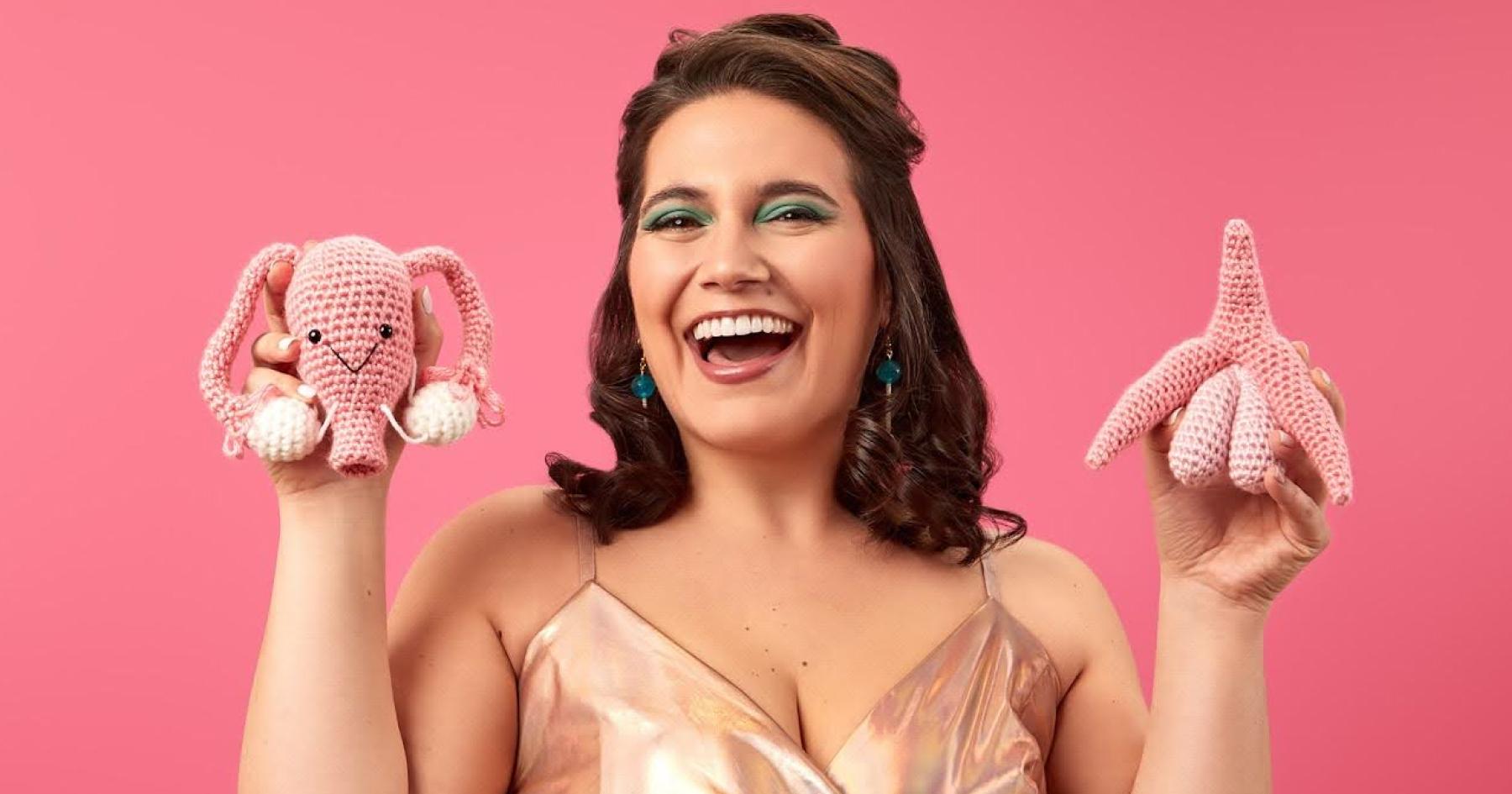
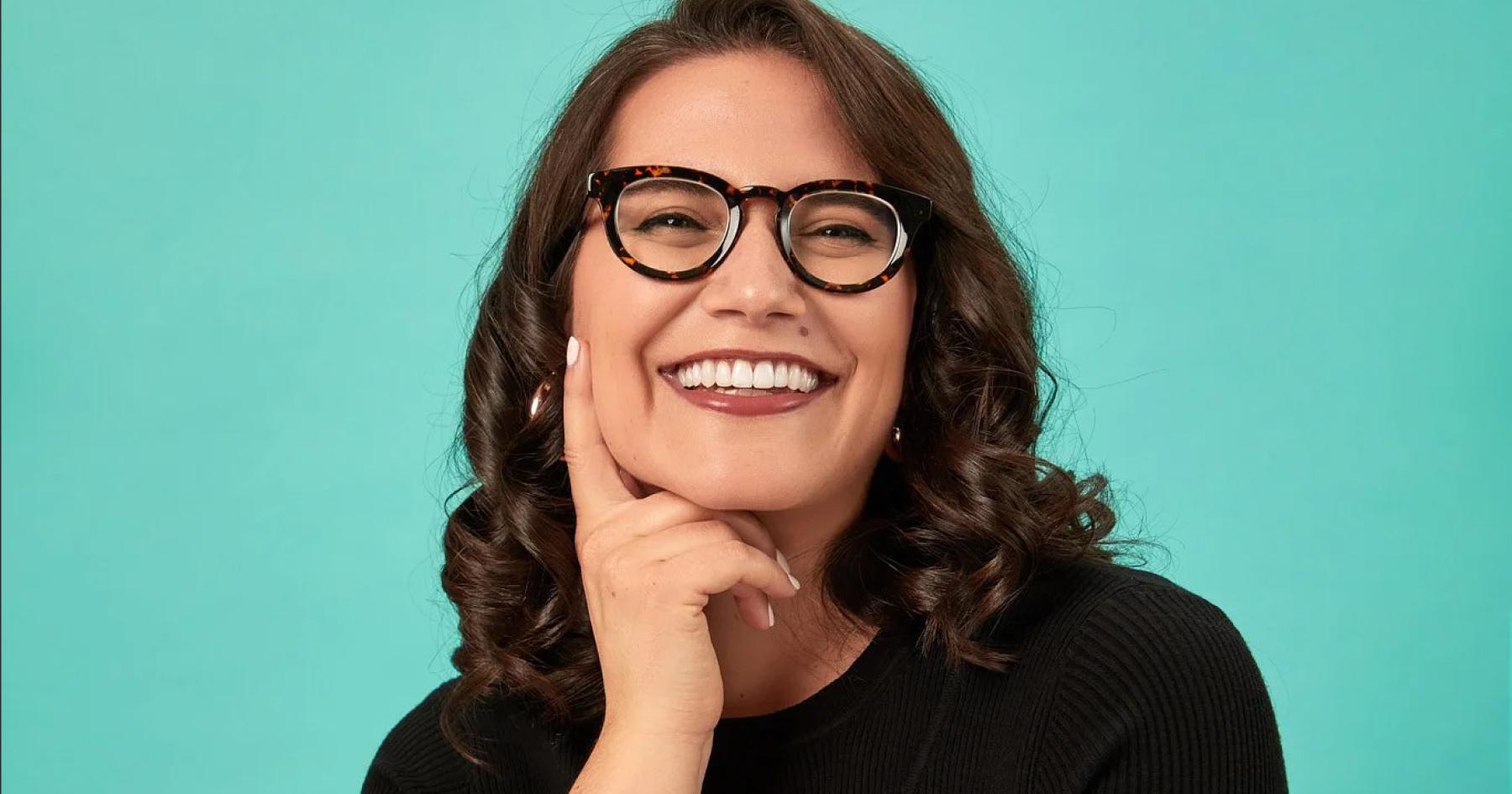
Danielle Bezalel had to figure that out. She’s a sex educator, podcaster, and entrepreneur who’s spent the last eight years building a medically accurate, pleasure-centered sex ed brand, four of them full-time. What looks like a solo operation is anything but: she’s supported by a team of part-time contractors, while juggling brand partnerships, workshops, teaching, and a podcast with more than 350,000 lifetime downloads and a combined social following of roughly 120,000.
After years of grinding part-time while earning a master’s in public health at Columbia, Bezalel made the leap to full-time work the hard way: by getting fired from what she thought was a dream job at a Brooklyn sex-toy company. With the infrastructure already in place, she went all in, learning influencer economics on the fly, saying yes to dozens of brand deals just to stay afloat, then eventually tightening her model into a handful of high-value, long-term partnerships.
What started as a fallback plan became a sustainable business and the clearest argument that the “solo creator” myth rarely survives contact with social media’s hard realities.
“When you work online in sexual health, there’s a whole extra rulebook you’re forced to follow. Sex educators are constantly self-censoring just to stay visible, sometimes just to stay online at all. I can’t even spell the word sex on most platforms. It turns into S-E-C-Z, or S-E-G-G-S, or S-X, whatever trick might slip past the algorithm that day. That alone creates a barrier to entry, especially when you’re trying to advertise your work or even post a job listing. I’m a one-woman show in many ways, at least publicly, and if my Instagram were to get shut down, I’d be in serious trouble.”
Miseducation
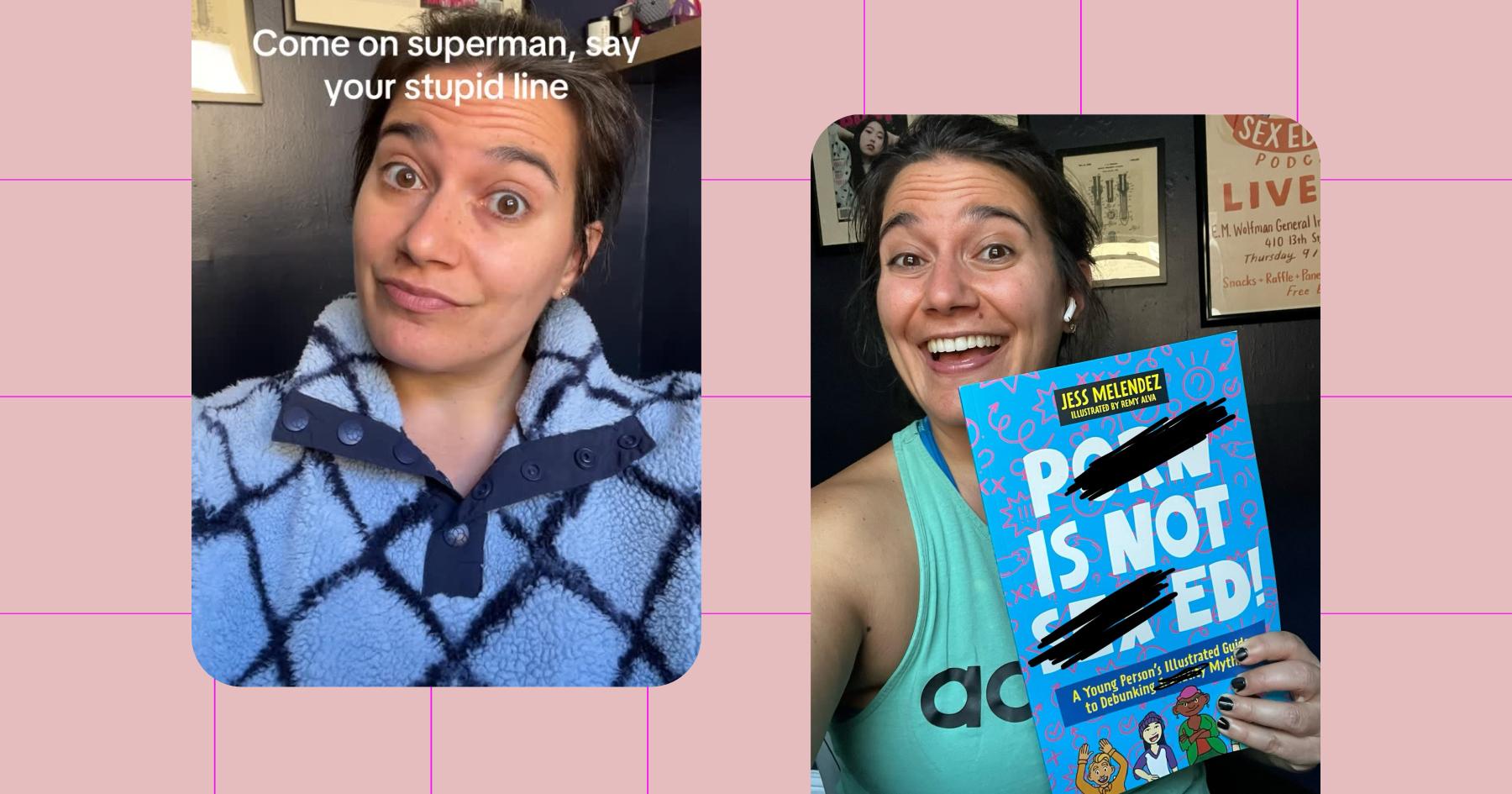
A recent survey of about 1,500 Americans ages 18-44 found that 90% say their school sex education didn’t prepare them for real-world sexual experiences, and 48% of younger respondents said online sources were now their primary sex education. For Bezalel, the work is there whether the platforms want it to be or not.
“Medically accurate, science-backed sex education still has to be treated like something dangerous or obscene, and that censorship bleeds into every part of the business, including hiring.” Speaking over Riverside, Bezalel was confident but thoughtful, making sure to weigh what we were talking about rather than going for the shock soundbite. “Finding help looks different. I still use the usual places — LinkedIn, reposts, and word of mouth — but niche spaces matter more. One of the best resources I’ve found is Elsie, a newer community built specifically for freelancers and full-time workers in sexual health. It’s small but growing, and spaces like that make it possible to connect with the right people without putting your entire livelihood at risk by saying the wrong word on the wrong platform.”
S-E-G-G-S Sells
The pushback from the tech overlords means Bezalel has to keep her head on a swivel. “People don’t really understand the level of self-censorship involved unless they’re inside the industry. It’s a constant exercise in making lemonade out of lemons. My sponsors are censored too; they’re often barred from advertising on Meta or Google, so they rely on me to serve as the ad. That’s how I get paid. But the reality is that anything tied to sexual health, pelvic care, lube, sex toys, birth control, or abortion gets shadow-banned, restricted, or removed altogether. These companies aren’t allowed to participate in the ad economy the way everyone else does. Meanwhile, you can get targeted endlessly for potato chips or dental appliances. Sexual health and wellness brands and the educators, doctors, and professionals behind them simply don’t have the same access or visibility as influencers and businesses in other fields.”
Finding help often comes down to getting a post in front of the right people at the right moment, hoping it circulates enough to reach someone who understands the work. Right now, Bezalel’s looking for a part-time social media content creator, not necessarily someone with a background in sexual health, but someone who understands marketing, tone, and how to inhabit a brand voice without setting off platform alarms.
The biggest challenge isn’t staffing, it’s censorship.
These are NOT the same picture
Platforms still refuse to distinguish between inappropriate content and science-backed, medically accurate, inclusive sex education, a line that feels increasingly archaic as politics around queer rights and abortion continue to regress. While major court cases threaten access to abortion pills by mail, often the only option in certain states, educators like Bezalel can’t address that reality head-on.
Instead, they’re forced to bury essential information inside trending sounds and distraction tactics, hoping the algorithm lets it slip through. It’s not just content creation, it’s constant negotiation with systems designed to look the other way.
Let’s Talk About Sex
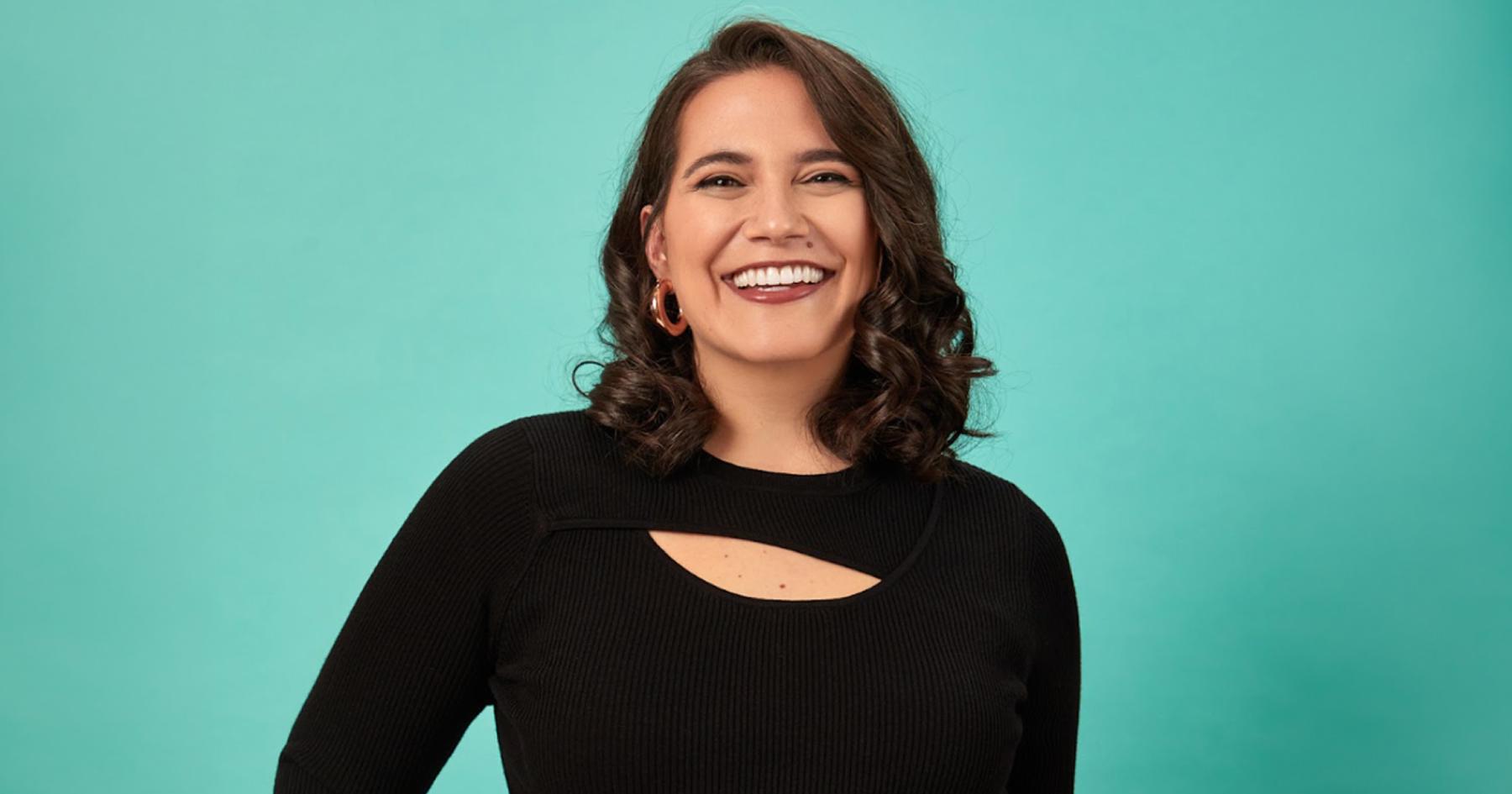
Everyone is having sex. It’s not a controversial take. It’s reality.
Bezalel breaks down the disconnect. “It’s strange that we’re comfortable with sex everywhere in the media, yet still treat real conversations about it as taboo. Most people watch porn, but talking openly about masturbation, something I focus on a lot, still makes people uneasy. I co-led an IRB-approved, science-backed study with a thousand participants that examined how daily pleasure impacts overall health and wellness. It began as a three-week, single-subject longitudinal study I conducted myself with the Magic Wand, tracking multiple health variables, and then expanded to include participants ages 18 to 84 across the U.S. and Canada, with 200 people in each age cohort, all adults with vulvas. The results just came out, and projects like that reflect what makes my work different: I try to bridge the gap between academic research and pleasure, translating complex, peer-reviewed science into accessible, real-world education people can actually use.”
Opening your social feeds today means being confronted with The Horrors: footage from wars abroad or conflict between protestors and police at home. It seems very strange, faced with that, to be pearl-clutching about sexual health education as a society.
An unserious approach to serious health
Bezalel continues, “I’m goofy and sarcastic. I take a funny approach when it comes to educating folks about all things sexual health. I don’t take myself too seriously, and I would say I’m unapologetic. Despite having to navigate the censorship, I try my best to remain steadfast on our mission, which is that everybody, regardless of age, race, income level, sexuality, deserves comprehensive, inclusive, medically accurate, pleasure-centered sex education.”
She’s drawn to comedians who lead with humor, heart, and sharp observational instincts: Amy Poehler, Tina Fey, Ilana Glazer, Abbi Jacobson, Maya Erskine, and Anna Konkle of PEN15. Their work, she says, has had a genuinely positive impact on her life, not just because they’re funny, but because they model what it looks like to entertain while making people feel seen and good in their own skin. Collaborating with any of them on a sexual health-focused project would be a dream.
People just want someone to relate to when they ask about that embarrassing thing or try to explain what they’re too scared to bring up in front of friends or family. Everyone’s having their time behind closed doors.
We should feel comfortable with ourselves and each other once the lock clicks behind us.

Originally published: Feb 25, 2026, Updated: Feb 25, 2026
More stories worth reading
More content that's too good to miss