Being a Bad Bitch Is a Full-Time Job (And the Internet Clock Never Punches Out)
The collision between ambition, visibility, and intimacy in 2026 is real. Being online, living authentically, building an audience, and still trying to be a person do not come with instructions.
Every post carries questions:
- Will this affect my job?
- What happens if it blows up?
- What if I just have to deal with people who are not it?
It’s all part of being a creator.
In Her Own Words
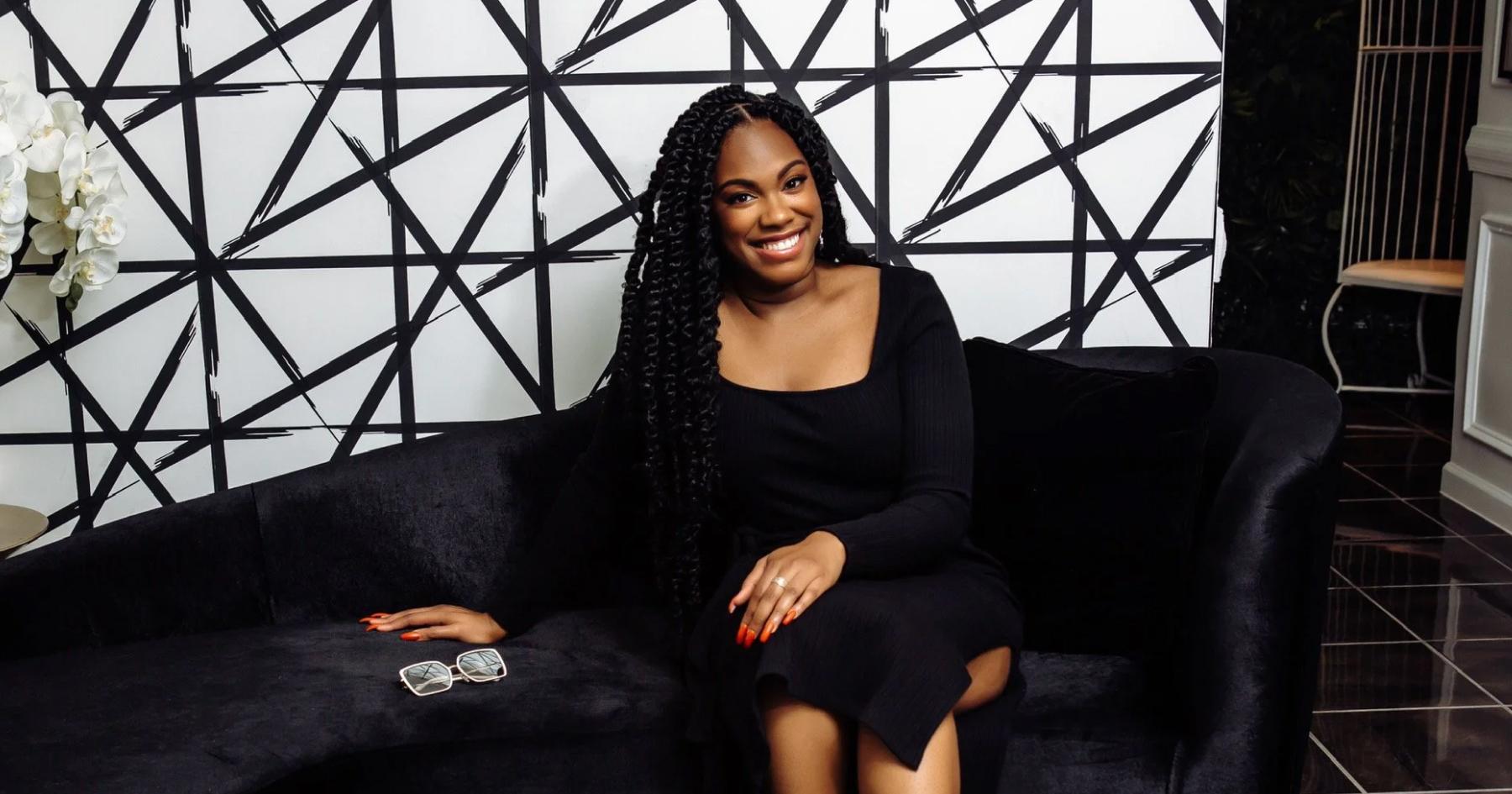
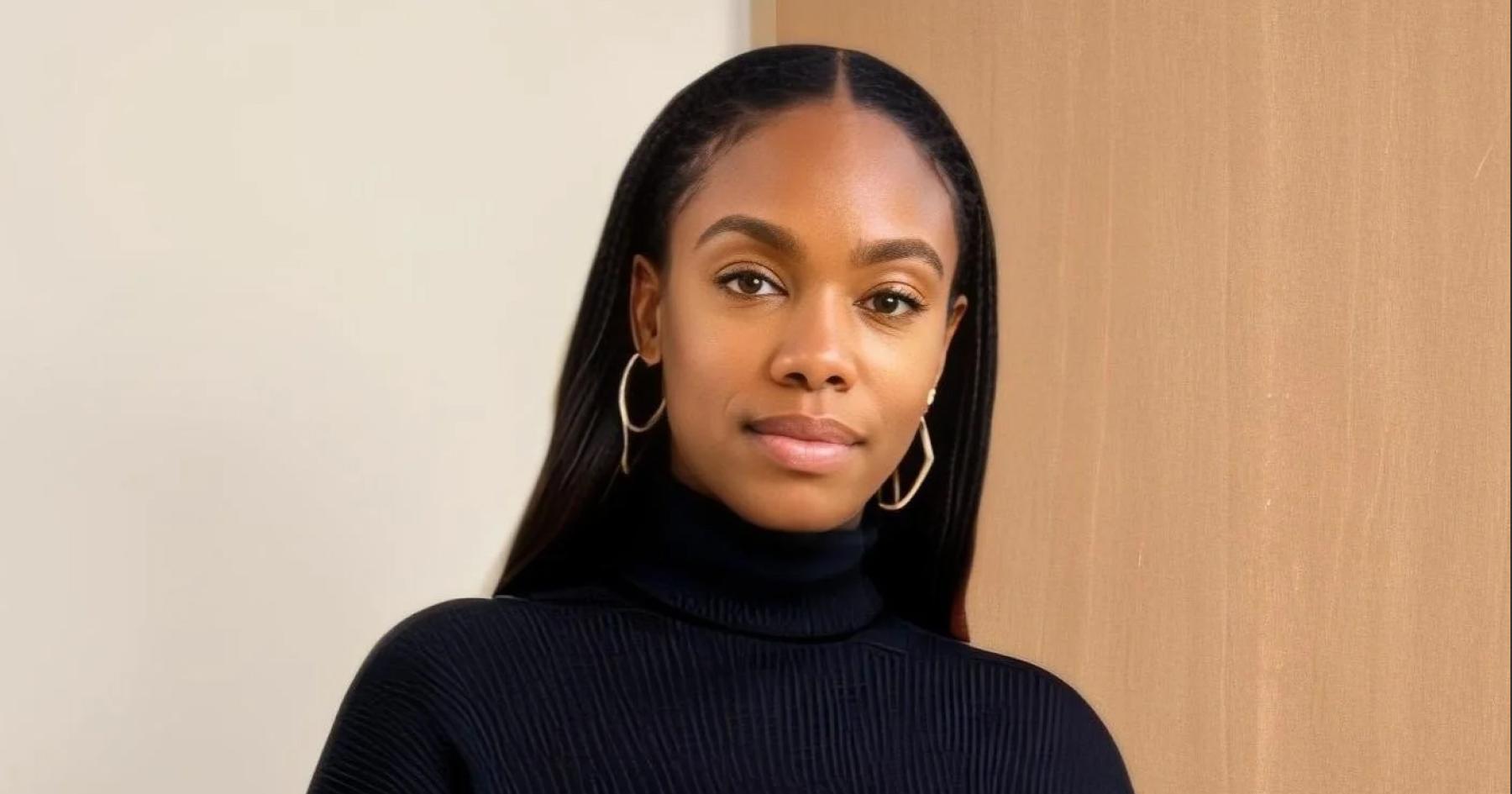
Tameka Bazile is a New York-area social media professional and multi-platform creator who built her audience by blending career advice, cultural critique, and unfiltered takes on relationships and visibility. By day, she works in digital media. After hours, she navigates the algorithm and the chaos that follows it. When we speak over Zoom, our dogs interrupt while we talk Lauryn Hill, Caribbean food, and the difference between who we are and who people think we are online.
“I adore being a creator. I love the work. But people only see the glamorous side. They see the post go live. They see the brand deal. They don’t see what it costs.”
What it costs, she says, is separation. Or the inability to maintain it.
“If I had to say the number one thing that sucks, it’s how hard it’s become to separate career from content. Being hyper-visible in corporate spaces is uncomfortable. It opens the door to politics that have nothing to do with your actual job.”
Early on, she aggressively protected herself. When she got a colleague’s number, she reverse-searched them and blocked them before they could find her content. She was not about to let someone in the office form an opinion about her before she could control it.
“That was how I maintained my sanity.”
As a Black woman in corporate environments, that strategy was survival. Keeping parts of her life separate was not secrecy. It was control. But online visibility brings a different kind of exposure.
“They can be weird,” she says plainly.
Weird looks like obsessive DMs. It looks like strangers forming parasocial attachments, or people who argue with every opinion she posts.
“It’s like being stuck in a room with someone who always wants to debate you. They never go away.”
Nielsen reports that Black millennials spend nearly an hour more per week on social media than other adults, making them one of the most engaged demographics online. The audience she is navigating is not small. It is deeply online and always present.
The labor does not shut off when the laptop closes.
The Algorithm and the Backlash
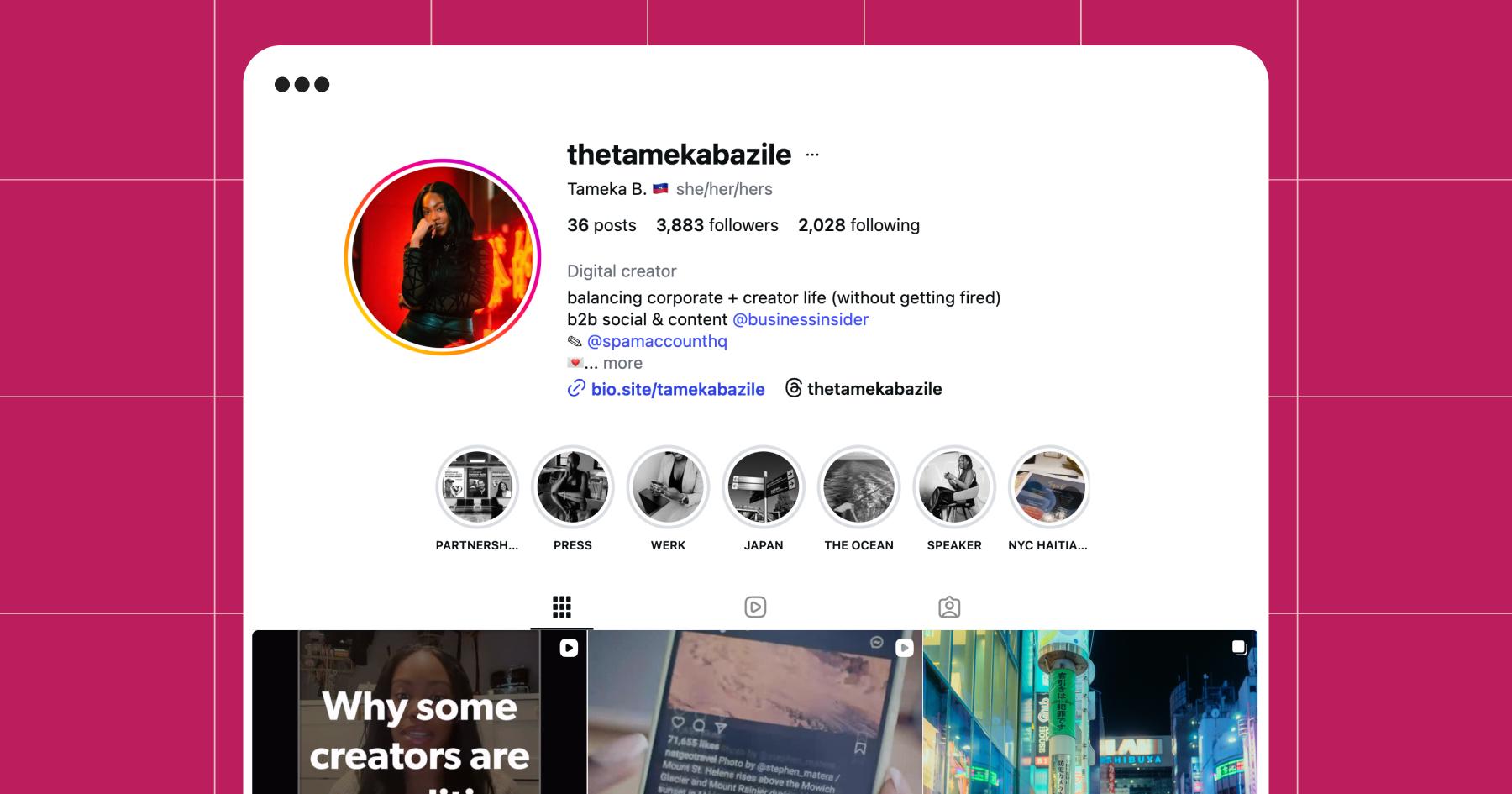
LinkedIn is her primary platform. She also maintains audiences on TikTok and Instagram. Each platform has its own culture. TikTok is the wild card.
“If I post about skincare or career planning for women, it goes to the right audience. If I post about dating and my expectations of men, I can almost guarantee TikTok will find the side of the algorithm ready to lead a crusade.”
She says it calmly because she has seen it happen.
The reaction changes depending on the subject. When she posted about brands borrowing from Black culture without guardrails, a LinkedIn post went viral.
“Black culture becomes internet culture automatically,” she says. “There are no guardrails for when it goes too far.” Professional spaces are not immune to ideological fights. Visibility requires stamina. Scrutiny and projection follow closely behind it. Bazile meets both with humor. We laugh often. It’s not denial; instead, it’s composure.
Raised by Haitian immigrants, Bazile credits her upbringing for her ability to stand firm. That same grounding shows up in how she dates.
Dating in the Red Pill Era: a Cautionary Tale
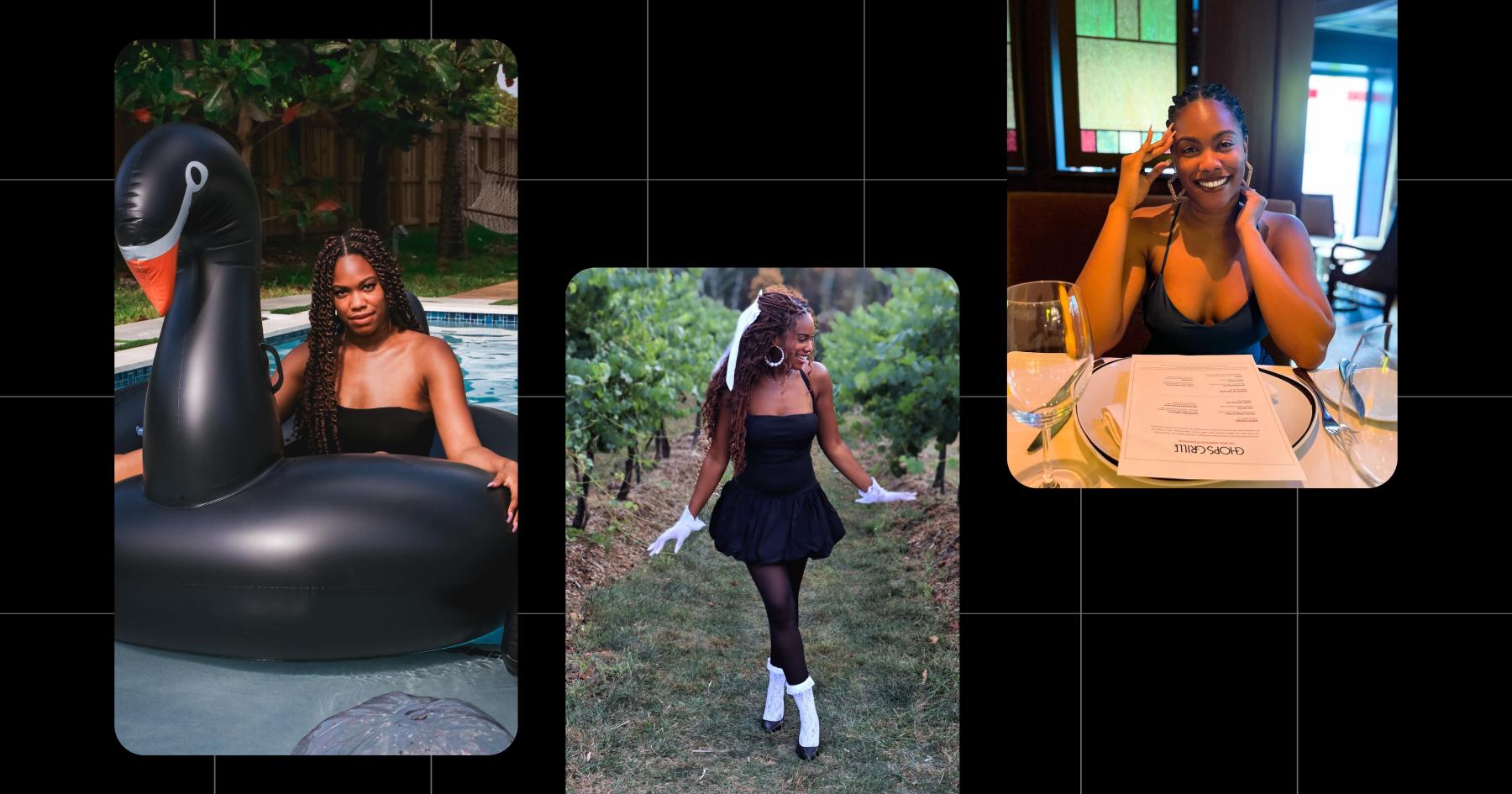
“I think we’re in an era of really messed-up red pill content,” she says. “And there are cultural intersections. I predominantly date Black men, so I see it there too.”
She describes a shifting spectrum. Not just progressive versus conservative, but men who carry fragments of red pill logic without fully claiming it.
“It’s getting harder to connect with men as someone who is socially aware. Especially cis straight men.”
She and her friends joke that men talk themselves out of opportunities quickly.
“You know within the first 10 minutes,” she says. “You already know.”
A careless comment. A sweeping generalization. Dismissiveness toward entire groups of people. That is how you lose a self-proclaimed bad bitch fast.
“I’m sensitive to hypermasculinity. I like healthy masculinity. But once you get into ‘females this’ or you say you don’t have platonic relationships with women, that’s strike one.”
If every ex is crazy. If there is a hint of homophobia or transphobia framed as opinion.
“You don’t have to be a crusader. Just don’t be a jerk. People can exist without your commentary.”
For Bazile, the link between dating and content creation is projection. In both spaces, assumptions arrive before she speaks.
Losing Your Identity
One example she returns to is Ayesha Curry.
“When Ayesha Curry first came on the scene, she and Stephen were the perfect Christian couple. Later, she admitted her life didn’t turn out how she imagined. She thought she’d be a lawyer with a high-profile career. Instead, her identity felt tied to her husband’s success.”
Bazile made a TikTok saying she understood that tension.
“She married an NBA player. Wealth, fame, brand deals. On paper, that’s what people think they want. But you lose parts of a normal life. I said I understood loving someone and still feeling like you’re living in their shadow.”
The video landed on red pill TikTok.
“The men were furious. I got dragged.”
Women, especially those who had been married or divorced, responded differently.
“They understood how easy it is to lose yourself in a marriage. A lot of men hear that and think, ‘What more could you want than a rich, successful provider?’”
She sees relationships as responsibility.
“I work full time. I’m ambitious. I’m visible. That doesn’t disappear because I’m partnered.”
Then she giggles.
“Being a bad bitch is a full-time job. Women put time, money, and energy into themselves. Hair, nails, body, style. It’s work. So to end up with a man who met you like that and then wants to strip it away? That’s insane.”
She admits it is not an easy time to be single. But she does not end there.
Women build community, she says. Deep friendships. Family networks. Support systems outside romance. Many men place all emotional intimacy in one relationship. When that relationship falters, there is nothing underneath it.
Searching for Simplicity, or Something Like it
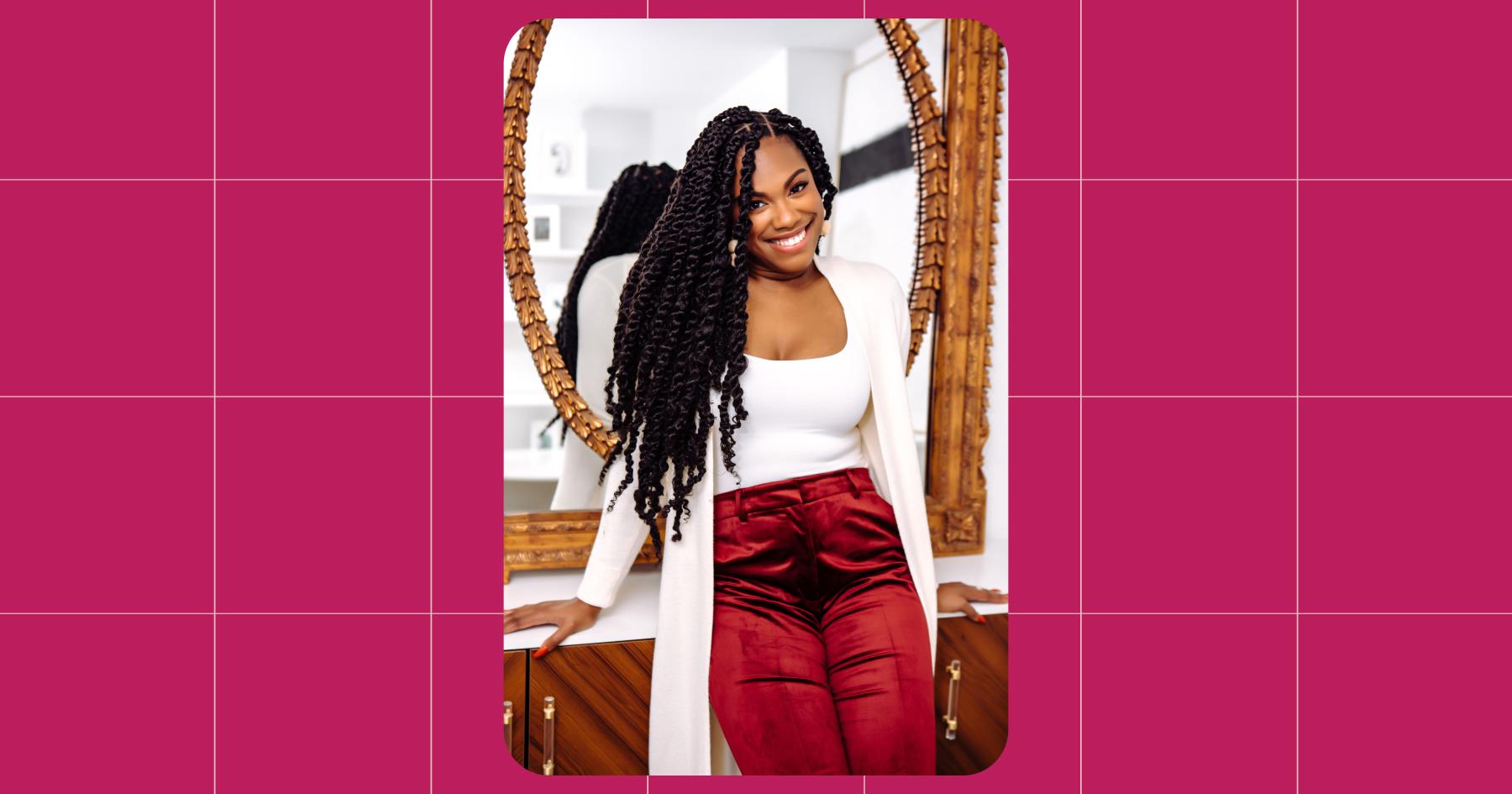
When she pivoted to social media full-time in 2021, she turned to LinkedIn, searching for validation.
“Is this normal? Is this just me?”
What began as career processing became creative autonomy — a place to speak without asking permission.
Bazile reflects a broader shift. Women are no longer asking quietly for space in their own lives. They are naming the cost of ambition in real time.
Still, when asked what she would choose in another life, she answers quickly.
“I’d buy a house by a river. Or near the ocean. I’d sell fruit at a stand. I’d ride a little Vespa around an island.”
She pauses.
“I didn’t choose simplicity. I think right now I’m trying to find my way back to it.”

Originally published: Mar 10, 2026, Updated: Mar 10, 2026
More stories worth reading
More content that's too good to miss