“Half the stuff I know about life, I learned from records and the pub.”
Katie Owen came by that honestly. “I basically came out of the womb, and my dad was like, you’re gonna love The Beatles, and you’re gonna love football. That was it. That was my upbringing. And to be fair, it set me up for life.”
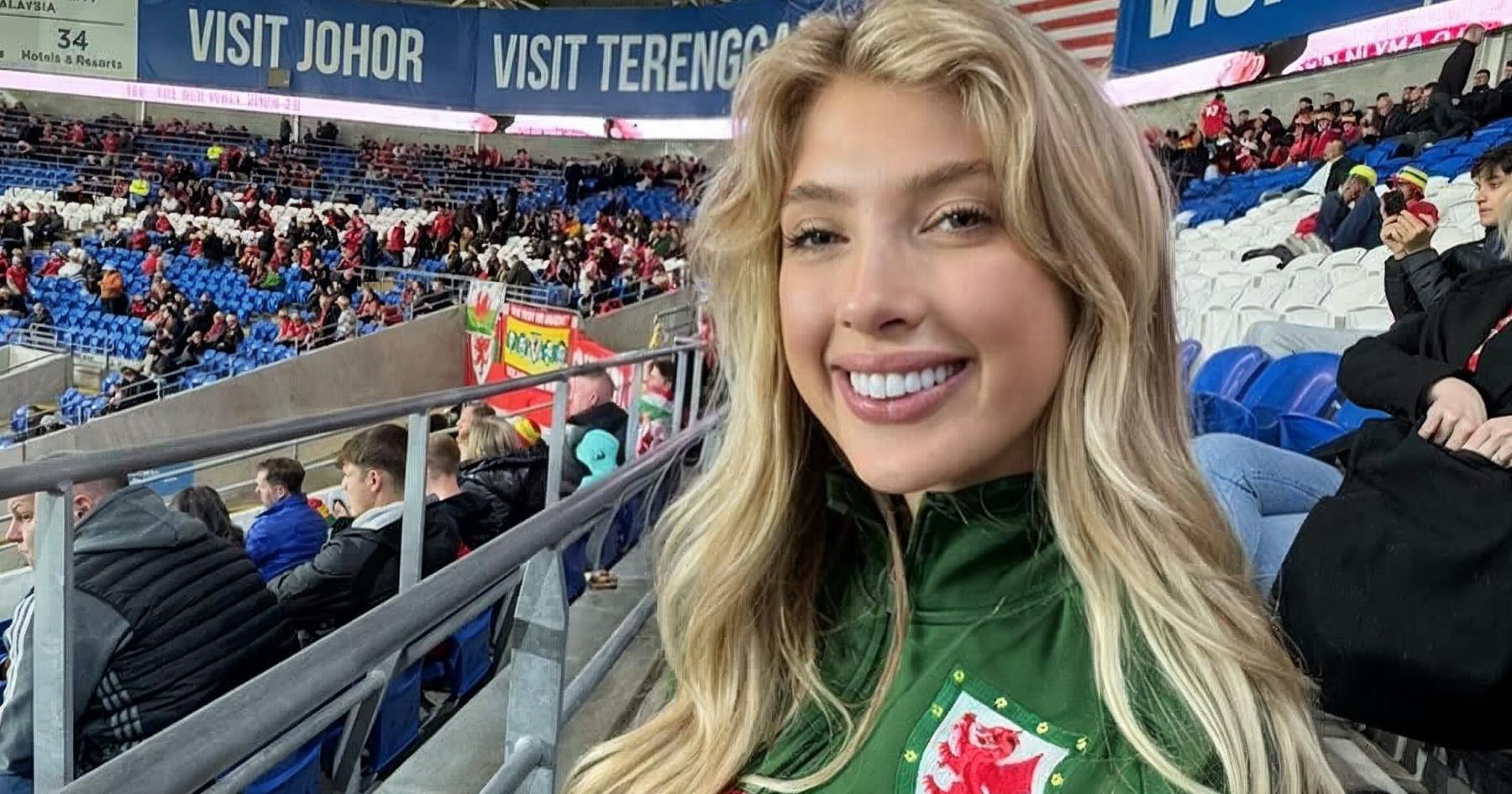
It did more than that. Owen is a Welsh DJ, radio presenter, and digital creator who has built a global audience out of exactly those obsessions — classic British music, football culture, subcultural history — delivered with the candor of someone who’d rather talk to you at the bar than perform for a camera. She walked away from traditional radio when she realized people responded more to her actual enthusiasms than to whatever the industry wanted her to be.
Now she’s teaching the world about Northern Soul and fighting to keep the Welsh language alive, a culture that nearly didn’t survive English rule.
We talked on a rainy afternoon for her over in Cardiff, bright and sunny down in Austin for me. Two music nerds with a lot of ground to cover — ska, Black Sabbath, Joy Division, why Exile on Main Street still holds up. The kind of conversation that reminds you why music matters: it carries emotion in a way nothing else quite does, and Owen has built a career on trusting that.
“I know people say we’ve exhausted The Beatles. But when they released that revived John Lennon track, and it went to number one, hearing a new Beatles song in my lifetime was unreal. Sometimes it’s not about mining new facts. It’s about the feeling.“
Pub Crawl Culture Meets a Music Nerd Hooligan
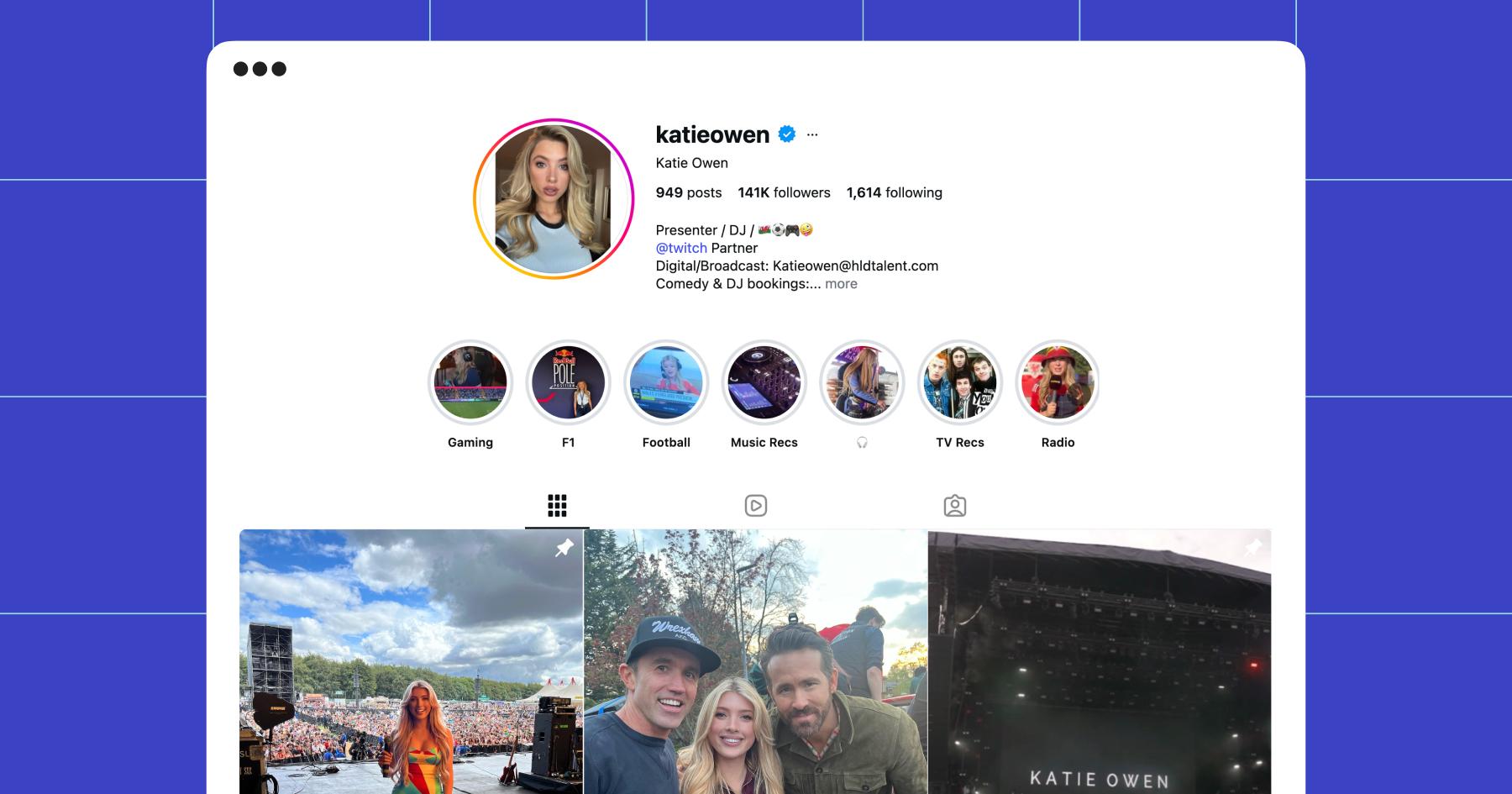
Owen’s Instagram grows by the thousands seemingly every time you check it, which is a remarkable thing for an account built around Welsh language history and Northern Soul deep cuts. The preservation of the Welsh language isn’t a cause she stumbled into — it’s personal.
“Welsh was literally banned in schools. If you spoke it, you had to wear this wooden plank around your neck, the Welsh Not, because the English tried to wipe the language out. And now there’s this massive push to revive it. They’re aiming for millions more Welsh speakers. So for me, learning it feels like reclaiming something my ancestors were punished for.”
That instinct — establishing something real against the narrative of what’s convenient — runs through everything she does. When she started in radio, the music she loved wasn’t what programmers wanted.
“When I started in radio, indie and the stuff I actually loved wasn’t really what they wanted. So I tried to fit myself into more mainstream boxes. But it just wasn’t who I am. And I think people can tell when you’re not being authentic.”
The move to social media wasn’t a calculated plan. It started the way earnest good things do: she had something she couldn’t stop thinking about.
“I made a video about Bob Marley being a Celtic and Spurs fan because I thought it was interesting. That’s it. And other people did too. And I thought, oh, I’ve got loads more of that.”
She did. The pub-talk instinct — the random trivia, the weird crossovers between football and bands, the kind of thing you tell your friends after two pints — turned out to translate perfectly to a global audience.
“The stuff I’d tell my friends in the pub after a night out, I just started posting that. And suddenly, people in America were messaging me about it. That’s mad.”
Owen is clear-eyed about what the shift means and what it costs the old gatekeepers. “I’ve seen the change in media in the last five years alone. Radio used to feel like the only path. Now digital is the stage. If you want to talk about something niche, you don’t need permission anymore.“
The Price of Being a Woman Online
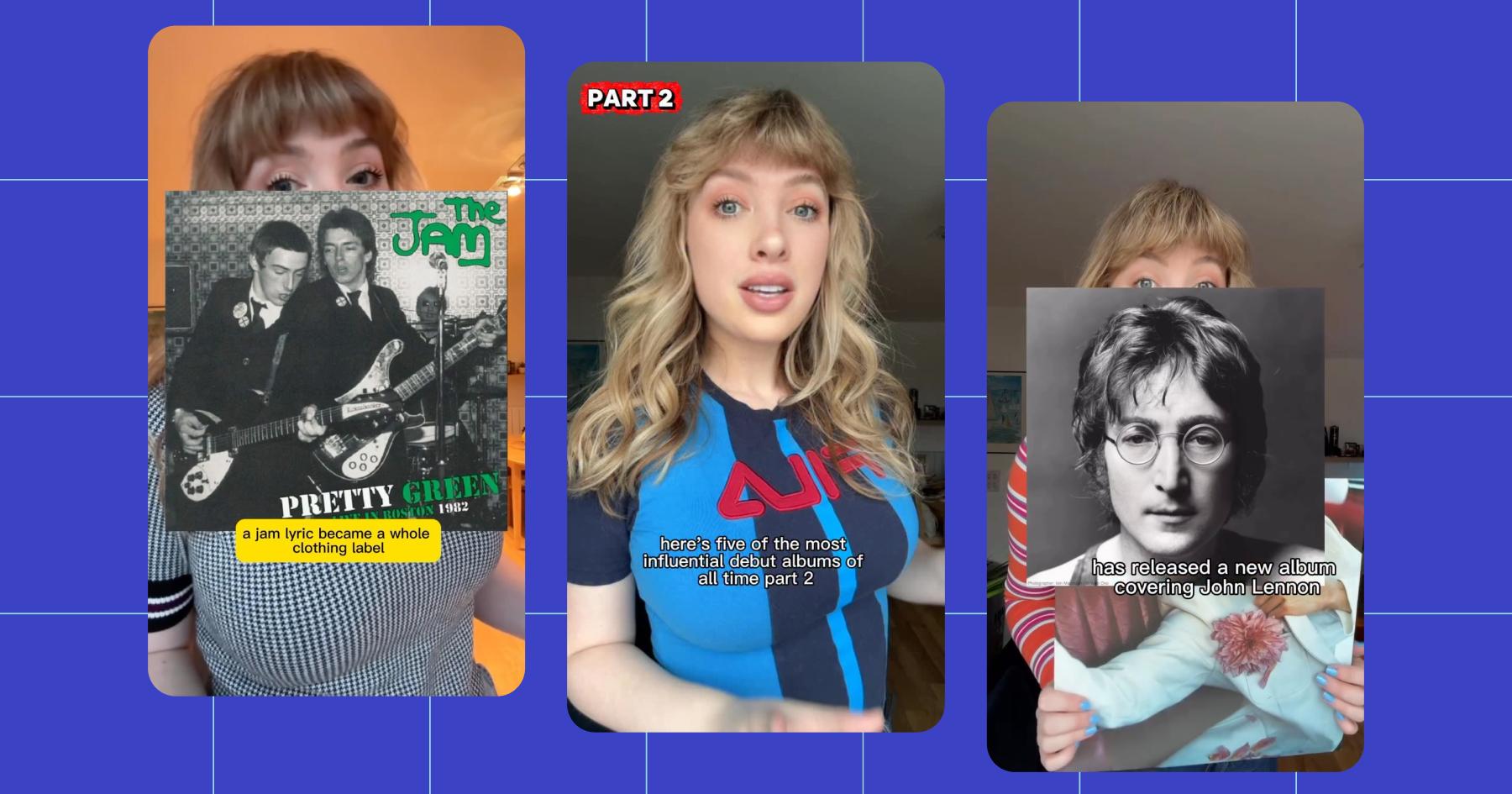
Being a woman online comes with its own tax. Owen doesn’t flinch from it.
“Yeah, I get some really strange DMs. That’s just part of being a woman online. The other day, someone messaged something absolutely vile. And I just thought, imagine saying that to someone in real life. You’d get arrested. So you block and move on.”
Block and move on. Block and move on. Sometimes, not giving credence to creepazoids is the smartest thing a player on the chessboard can do.
What matters, it turns out, includes karaoke. We disagreed here, firmly. I have no interest in hearing strangers sing in a bar. Owen considers this a personal affront.
“In Wales, karaoke is basically our national sport. You go to a bar in Cardiff, and there’s a queue of fully grown men, grandmothers, and teenagers, all fighting for a turn at the mic. It’s chaos. It’s brilliant.”
She’s not wrong that it sounds like her. The chaos, the communal noise, the willingness to be a little ridiculous in public — that’s the whole brand.
When asked what an ideal life looks like, the answer wasn’t coffee and conversations about the Sex Pistols. It was dogs.
“I had to stop volunteering at the dog shelter because I kept coming back with dogs. That’s how that was going.”
Of course. The woman who built a following by caring too much about too many things couldn’t walk through a shelter without adopting half of it. Makes total sense.
Katie Owen is on Instagram. Follow her before she gets any bigger.

Originally published: Mar 17, 2026, Updated: Mar 18, 2026
More stories worth reading
More content that's too good to miss