The Content Gap: What Creators Are (Still) Not Saying About Race, Class, and Capital
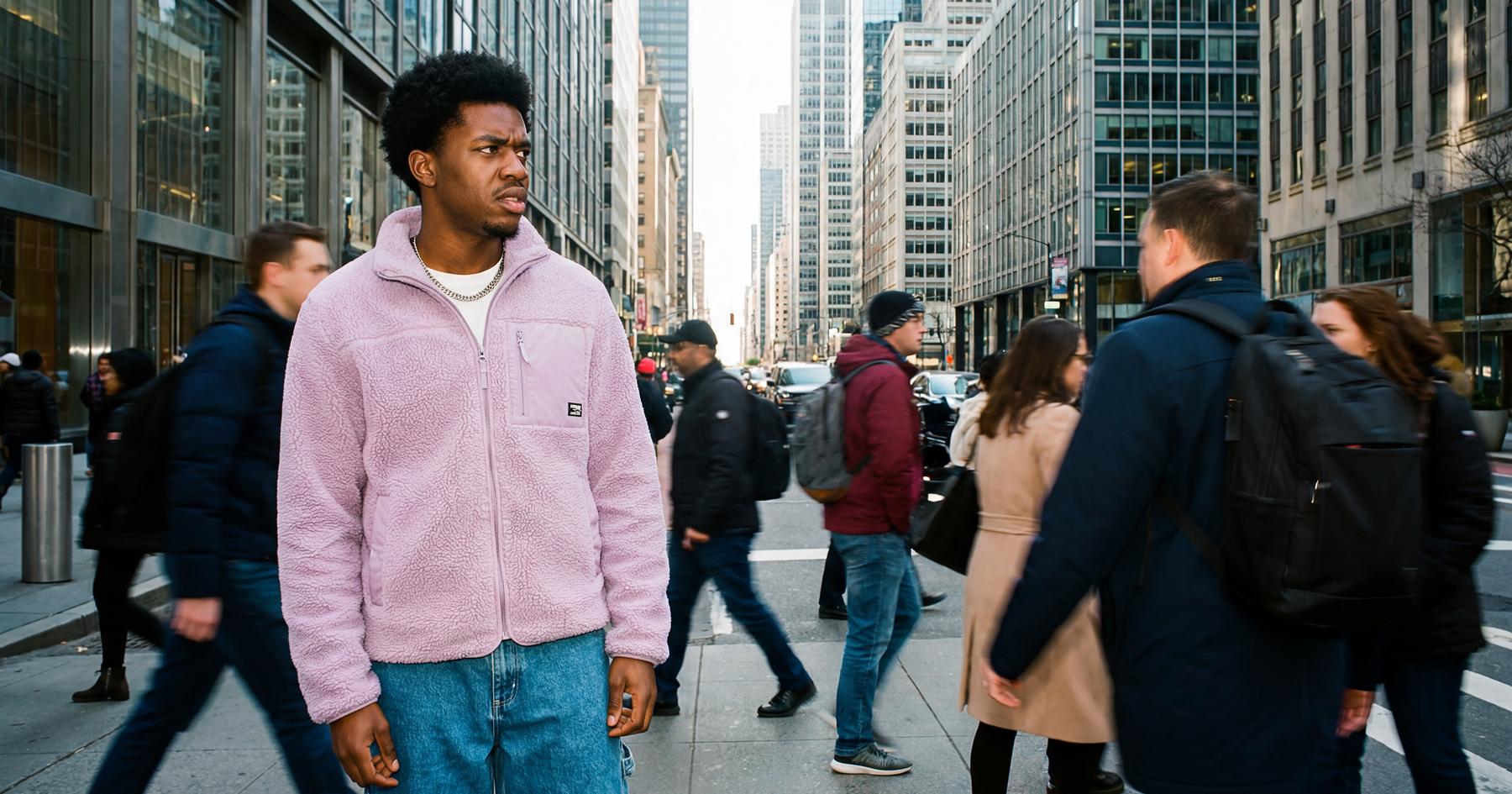
57% of Gen Z want to be creators. Those are bleak numbers for the traditional choices of firefighter and astronaut, as we saw in the past. RIP to piles of tin police stars never to be sold, and a hello to the cheap camera set up for a nine-year-old to focus on their first “get ready with me.”
But hey, if someone wants to be an online chef, someone still gets to eat the food, right?
While everyone’s got a smartphone in their pocket, making content takes time. It takes a calendar of ideas, and it’s also one of those things where the investment is the long haul rather than a quick fix. So everyone wants to be a creator, but very few can afford to try.
Think creators are living a life of movie stars and swimming pools? Think again. Most creators make about $15,000 a year. So when you hear about the “grindset” or “that hustle,” if they got that dog in them, that dog is tired as hell because quitting a 9-5 job isn’t realistic for most people who are making content. In a space worth hundreds of billions in aggregate, only about 4 % of creators globally earn more than $100,000 a year, meaning the vast majority are stuck at side-hustle wages or worse.
So, when you think about it, there’s a metaphor here: trying to make real money as a creator is as realistic as someone trying to make it as an elite athlete in the pros. The only difference is that everyone has a phone, and not everyone has that breakout talent or luck.
The Hidden Subsidy Problem
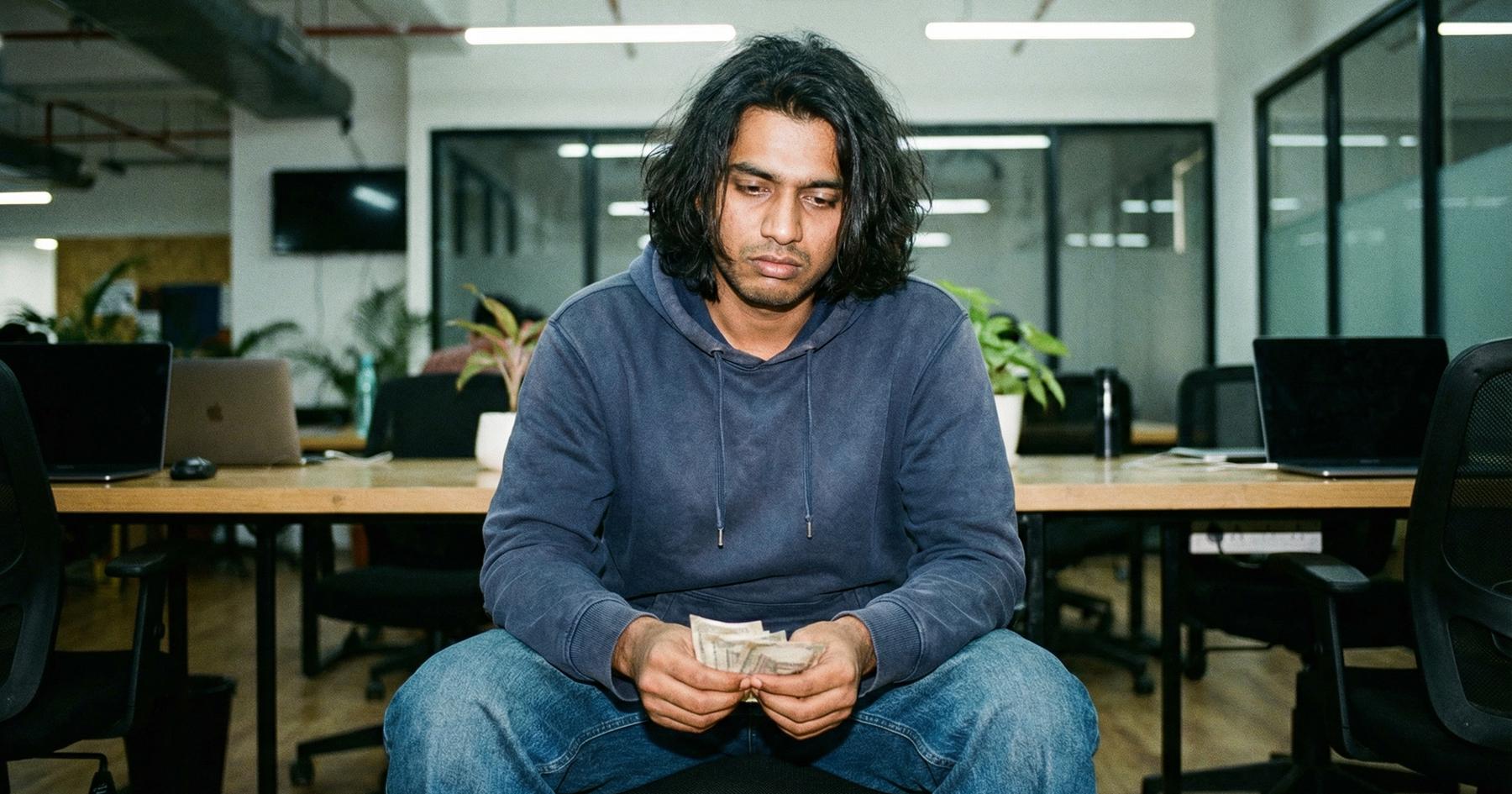
So, WTF does “bet on yourself” really mean paradoxically? Time is money, and for a lot of us, we’re not exactly swimming in either. Time is the most critical asset we have.
The math isn’t cool. Median U.S. rent now hovers around $1,300 to $1,400 a month (And that’s not in places like Chicago or Austin, where it’s significantly higher, let alone San Francisco or New York prices), meaning housing alone can outpace what many creators bring in during their strongest months.
Healthcare widens the gap even further (when people have it). Data from the Kaiser Family Foundation and the Bureau of Labor Statistics show that self-employed workers routinely pay $6,000 to $8,000 a year for individual coverage, assuming nothing catastrophic happens.
Against that reality, the hushed truth of the creator economy keeps slipping out in podcast asides, Twitter threads, and Substack confessions: living at home longer than planned, a partner carrying insurance, parents quietly paying rent, someone else absorbing the risk while “the channel grows.”
These admissions are usually framed as temporary, almost apologetically. They’re not. They’re the privileged infrastructure. Without outside support, the long runway content creation demands simply don’t exist for most people. This isn’t shameful, but it’s something that’s conveniently left unspoken.
Missing rent equals eviction, and landlords aren’t in the business of being the homie; they’re in the business of protecting their investment. Falling upward is a class privilege.
Who Gets Platformed
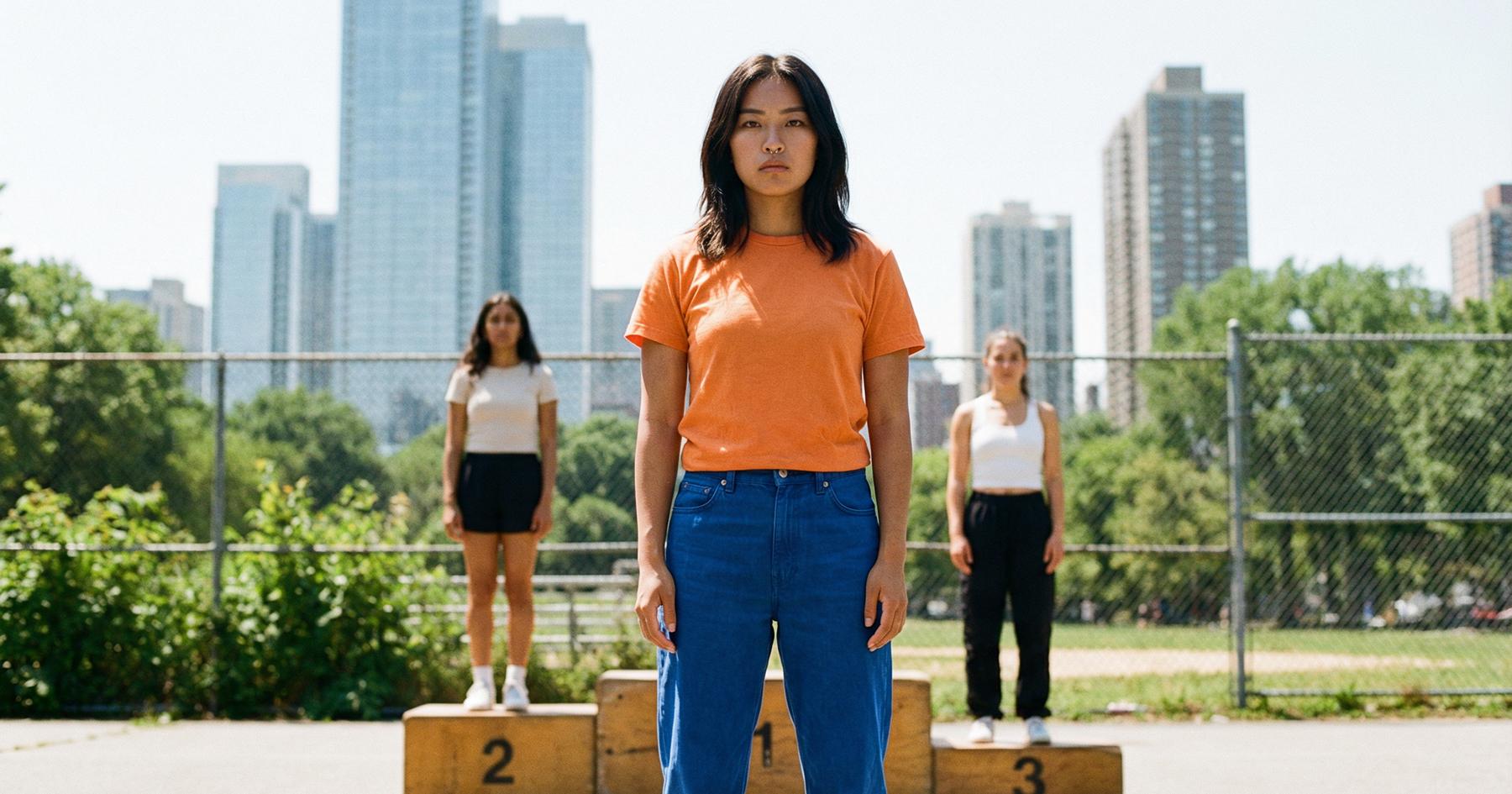
Race and class shape the creator economy long before Levi’s or Dairy Queen ever emails “love your content.” On paper, platforms are diverse; in practice, money concentrates. One creator-economy analysis found that white income-earning creators made up about 69.8% of earners and captured about 71.4% of online creator earnings, a gap that’s hard to explain away as “just the algorithm.”
And the “algorithm” isn’t neutral when the topic is race: research shows people who share experiences with racism can be silenced or penalized by content moderation systems, while scholars documenting influencer moderation note marginalized creators routinely describe heavier enforcement and suppression as an everyday constraint.
That’s what “brand safety” often translates to in the real world: content that is smooth, non-threatening, and easy to sell. The result is a familiar trap: visibility isn’t opportunity, and reach doesn’t guarantee monetization when the system quietly treats some stories, voices, and bodies as higher-risk inventory.
The big churn, burnout, and why missed uploads mean lost momentum
Creators aren’t only making videos; they’re running a one-person company, except there’s:
- no HR
- no benefits
- and no time off
It’s a business model built on never going quiet. A major survey reported that 52% of creators have experienced burnout and 37% have considered leaving because of it. Another creator mental-health survey published in Inc. put it even more bluntly: 62% report burnout and 69% report financial stress, the exact cocktail that turns a missed week into a death spiral.
Our own Creator Report found that over half of creators considered quitting in 2025 (the rate was highest among Gen Z creators) — and burnout was a major factor.
In One Creator’s Words
On these platforms, missed uploads don’t mean “rest.” They mean lost momentum, colder distribution, fewer brand inquiries, and a steeper climb back to baseline. And that’s where class shows up again: some creators can pivot, pause, and survive needing a break.
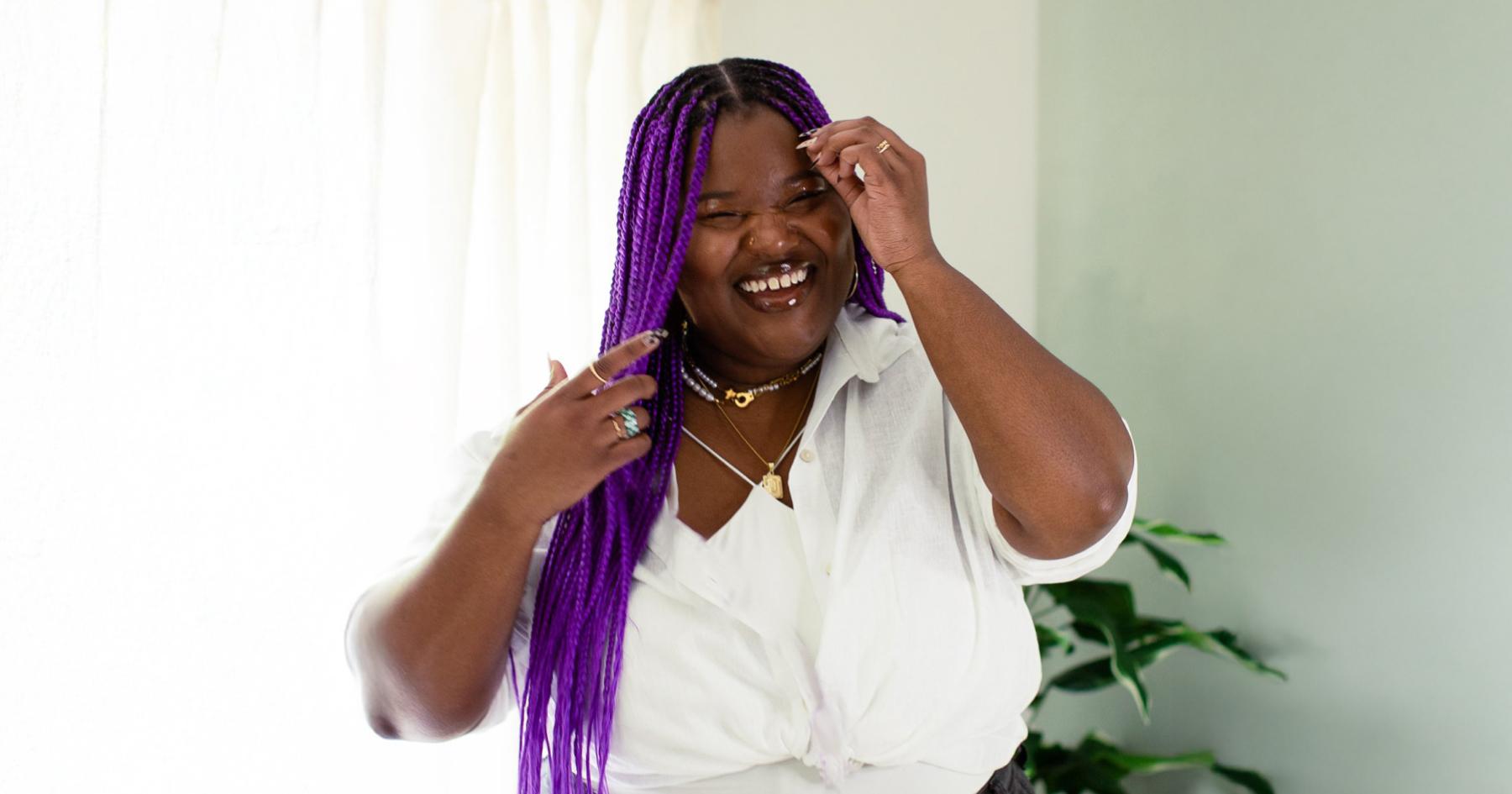
Jayde L. Powell, who’s constantly posting her thoughts on this type of push and pull within the content-to-creator ecosystem, had this to say:
“If you’ve worked in marketing or the creator economy over the last five years, then you already know there’s one buzzword that’s had the entire industry in a chokehold: authenticity.
It’s what brands claim they want. It’s what marketers build whole-ass strategies around. And it’s what both rely on creators to deliver so their campaigns feel more relatable and more digestible to entertainment-hungry audiences.
But what many people in this industry don’t acknowledge is that authenticity is a privilege. The ability to ‘show up as yourself’ without consequences depends heavily on how safe the world allows you to be.
While I pride myself on showing up unapologetically and have seen the rewards of that through my community and my career, I’ve also witnessed how quickly that exact authenticity can become a liability when you don’t fit the industry’s idea of what professionalism, credibility, or influence is supposed to look like.
I’m a dark-skinned, plus-sized Black woman with bright-purple hair. Brands are always excited to work with me…until I have to negotiate, push back, justify my rates, protect my boundaries, or advocate for myself in a way that challenges their comfort. The irony is people only like authenticity when it’s palatable.”
Ask a creator, and there’s never really a time when they’re not concerned about content, about how I can make something, schedule it, and then go on living my life? It’s a toxic partnership with stress and financial fear that can cripple people into never stepping away from the phone.
Why No One Wants to Say This Out Loud
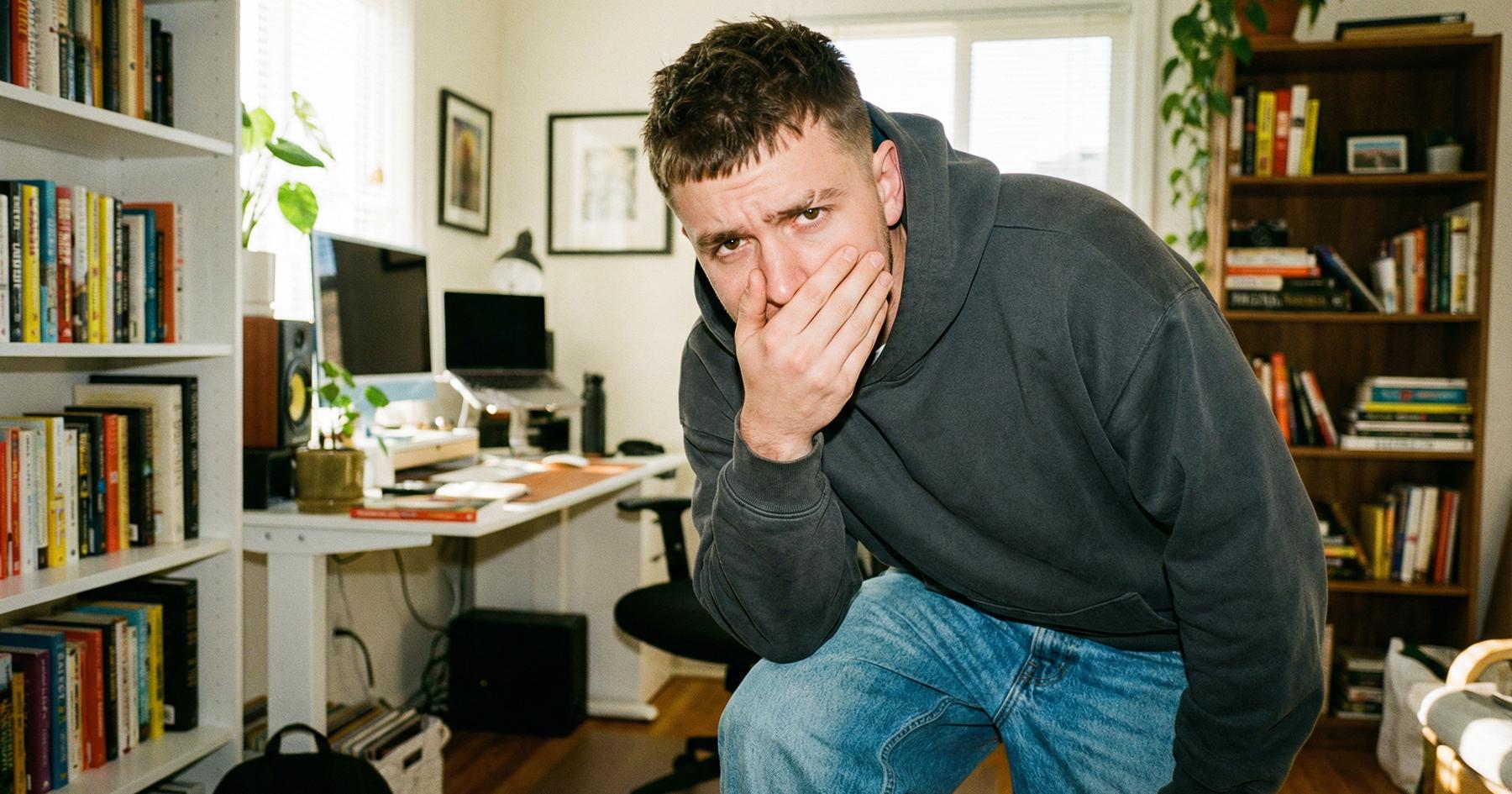
The majority of people creating online sit in a kind of creator middle class, making just enough to cover the visible stuff, like the sick car everyone notices, but nowhere near enough to actually live on. It’s effectively two full-time jobs: one producing constant content for public consumption, the other keeping the lights on.
Economically, the creator economy follows the same power-law distribution as most digital labor markets, where the top 1-5% capture the overwhelming majority of revenue, and everyone else fights over the scraps left. That’s the part rarely said out loud: What gets marketed as a meritocracy is really a winner-take-most system, just softened by the soothing glow of a ring light.
The “six-figure creator” is treated as a realistic destination even when it’s an outlier: propped up by conference panels and brand decks, even as creators openly admit on podcasts and Substacks that sponsorship rates have stalled, deliverables have ballooned, and the money hasn’t kept up. Sure, they’re everywhere, but how does that translate into dollars?
Podcaster Matt Slayer knows that grind intimately, the balancing act of a day gig and a weekly show that never stops demanding more. “I have no choice but to go forward,” Slayer has said. “What am I gonna do? Pack it up? Burnout’s real. I’ve been producing a weekly show for over nine years…but I keep going.”
That sense of obligation isn’t just personal; it’s structural, and creators are consistently playing a game of career-minded Jenga. Platforms reward consistency, not critique, and brand-safety language quietly polices what creators can say out loud. Call out inequality too directly, and the risks aren’t theoretical: demonetization, shadow-banning, fewer brand inquiries, the soft exile creators describe in YouTube monetization forums and Substack posts alike. In an economy where silence is safer than honesty, endurance becomes a requirement, and speaking plainly about power becomes a liability.
Recently, creator advocate Shira Lazar partnered with Representative Ro Khanna to introduce a Creator Bill of Rights to humanize the process of being a creator, establishing the norms and protections needed as this sector grows from a tiny lizard into Godzilla.
The story of content creation is the story of American Labor.
What Transparency Would Actually Look Like
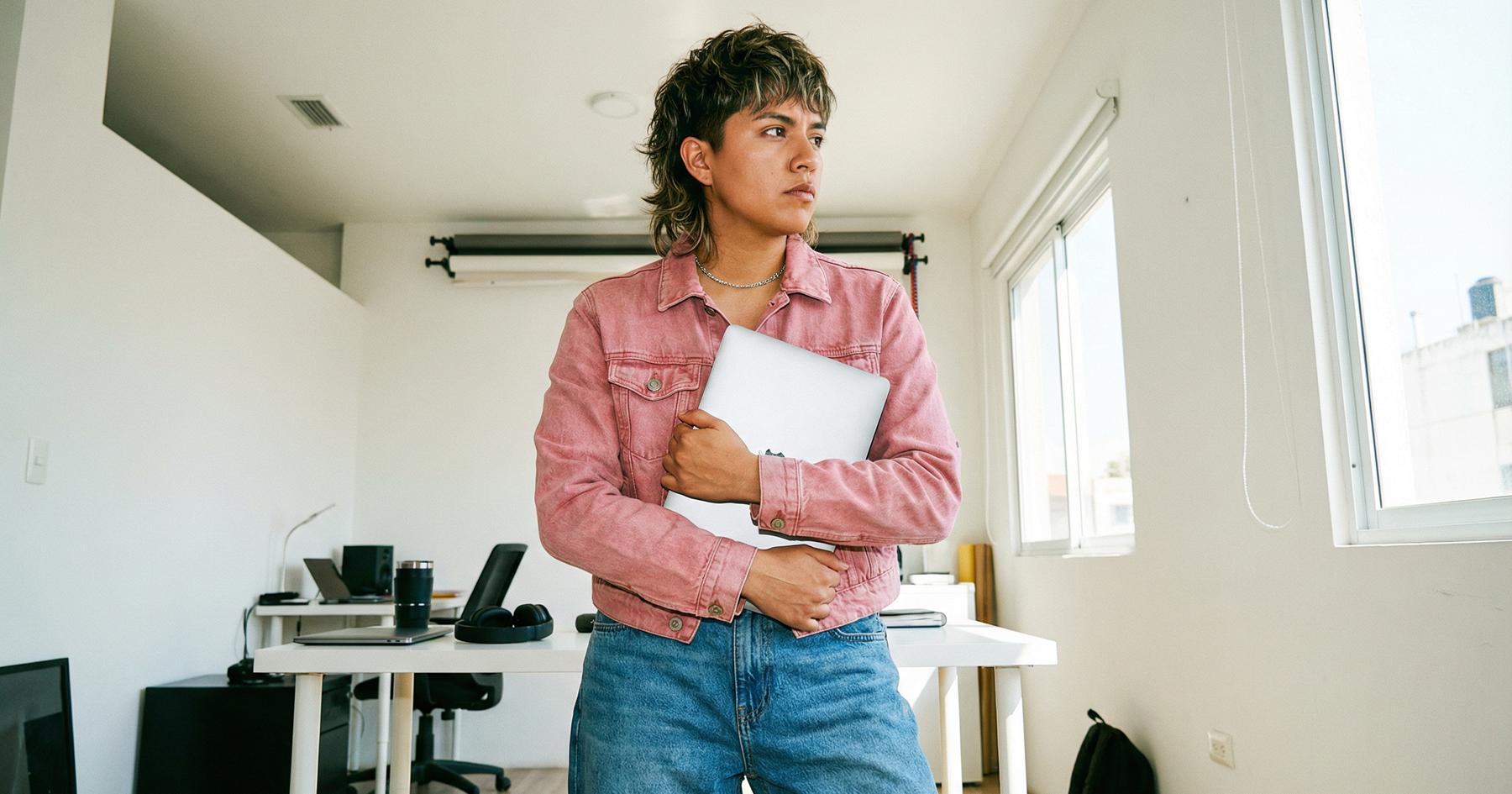
To their credit, some platforms have started to crack the door on transparency. YouTube, Patreon, and Substack now publish earnings dashboards that quietly confirm what creators have been saying for years: most people make a little, a few make a lot, and the gap between them is structural.
Advocacy groups and labor organizers have begun calling for basic protections, more explicit monetization rules, portability, transparency, not as perks, but as guardrails for a workforce that increasingly looks like every other gig economy sector.
And that’s the real issue at stake here; the problem isn’t that some creators had help. It’s that we pretend help doesn’t matter, that success exists in a vacuum, divorced from rent, healthcare, family support, or time. The creator economy isn’t an exception to American labor trends; it’s the latest expression of them:
- unstable pay
- individualized risk
- no benefits
- no union
- and a shrinking safety net disguised as freedom.
If this is the future of work, the question isn’t who made it. It’s those who were protected enough to try.
Originally published: Feb 13, 2026, Updated: Feb 13, 2026
More stories worth reading
More content that's too good to miss