
Lead magnets used to be confined to landing pages. Someone would click on an ad, fill out a form, download a PDF, and maybe open it later. Maybe. That whole flow still works, but it’s no longer the only (or best) option.
Today, lead magnets can be delivered through DMs, comment replies, and Story links, landing in people’s inboxes the moment they say “oooh, I’m interested.” This is ideal because the faster someone gets your freebie, the more likely they are to pay for what you offer.
This article breaks down lead magnet examples with real results, plus how to build one, promote it, and avoid the mistakes that tank your sales pipeline.
TL;DR
- A lead magnet is anything valuable you give away for free in exchange for contact info.
- The lead magnet examples in this article include discounts, quizzes, templates, mini-courses, webinars, and more.
- How you deliver a lead magnet matters as much as what it is. DM automation gets lead magnets into inboxes faster than a landing page ever could.
The Magic of Lead Magnets

A lead magnet is a free resource you offer in exchange for someone’s contact info — usually an email address, phone number, or permission to message them in the future. Discount codes, checklists, mini courses, templates, or free consultations are all examples of lead magnets.
Without a lead magnet, you’re basically hoping people will just hand over their info out of the goodness of their hearts. (They won’t.) For creators and e-commerce brands especially, a solid lead magnet turns casual scrollers into subscribers you can actually talk to, and eventually sell to.
What makes a lead magnet actually effective
Some lead magnets get downloaded thousands of times; others collect digital dust. The difference usually comes down to the details. Here’s what effective lead magnets have in common:
- First, the best lead magnets solve a specific problem. For instance, “free marketing tips” is a vague and uncompelling offer, but an “Instagram content calendar with ideas you can copy this week”? That could turn some heads. Narrow promises convert better.
- Second, they deliver value fast. A checklist someone can use in five minutes beats a 40-page e-book they’ll never open. People are busy, attention spans are short, and your lead magnet needs to prove you’re worth listening to before they invest serious time.
- Third, the format matches the audience. A fitness creator’s audience probably wants a workout plan in PDF format, not a spreadsheet. Meanwhile, e-commerce shoppers are way more likely to grab a discount code than download an e-book. The point: Pick the format your people actually want to consume.
- Fourth, the lead magnet connects to your paid offer. If you sell social media management services but your lead magnet is a recipe e-book, you’ve attracted the wrong crowd. Your freebie should be a taste of what paying customers get.
- Finally, low friction to access. Every extra form field you add to your lead generation flow could be costing you signups. Name and email (or just a DM opt-in) is plenty to start.
Here’s a quick comparison to help you pick the right lead magnet format:
Lead magnet format | Effort to create | Perceived value | Best for |
|---|---|---|---|
Discount code | Low | High (immediate savings) | eCommerce brands |
Checklist/cheat sheet | Low | Medium | Creators, service businesses |
Template | Low-medium | High | Creators, agencies |
Quiz | Medium | High (personalized) | All business types |
Mini course | High | Very high | Coaches, educators, creators |
Webinar | High | Very high | B2B, service businesses |
Free tool/calculator | High | Very high | SaaS, service businesses |
7 Lead Magnet Examples Worth Stealing

Looking for inspiration for your next lead magnet? We’ve covered seven different types below, including notes on who they typically work best for.
1. Discounts, promo codes, and free shipping
Discounts, promo codes, and free shipping offers are classic lead magnets for a reason: they work. Whether you’re running an e-commerce store, local restaurant, beauty brand, or subscription business, giving customers an immediate financial incentive reduces friction and encourages first-time purchases. The value is easy to understand — save money, right now — which makes these offers especially effective for capturing emails, phone numbers, or opt-ins from people who are already close to buying.
On Instagram, brands and creators often promote offers in reels or Stories and ask followers to comment a keyword to receive the code automatically via DM. This creates a fast, frictionless experience while also helping businesses build a subscriber list they can market to later.
The key is making the offer feel valuable without training customers to only buy during discounts. Limited-time codes, first-order offers, and perks tied to email or SMS signups work better than continuous sitewide sales. And while discounts can drive quick conversions, pairing them with a strong follow-up sequence — like product recommendations, reminders, or loyalty rewards — is how you turn a one-time shopper into a repeat customer.
2. Templates
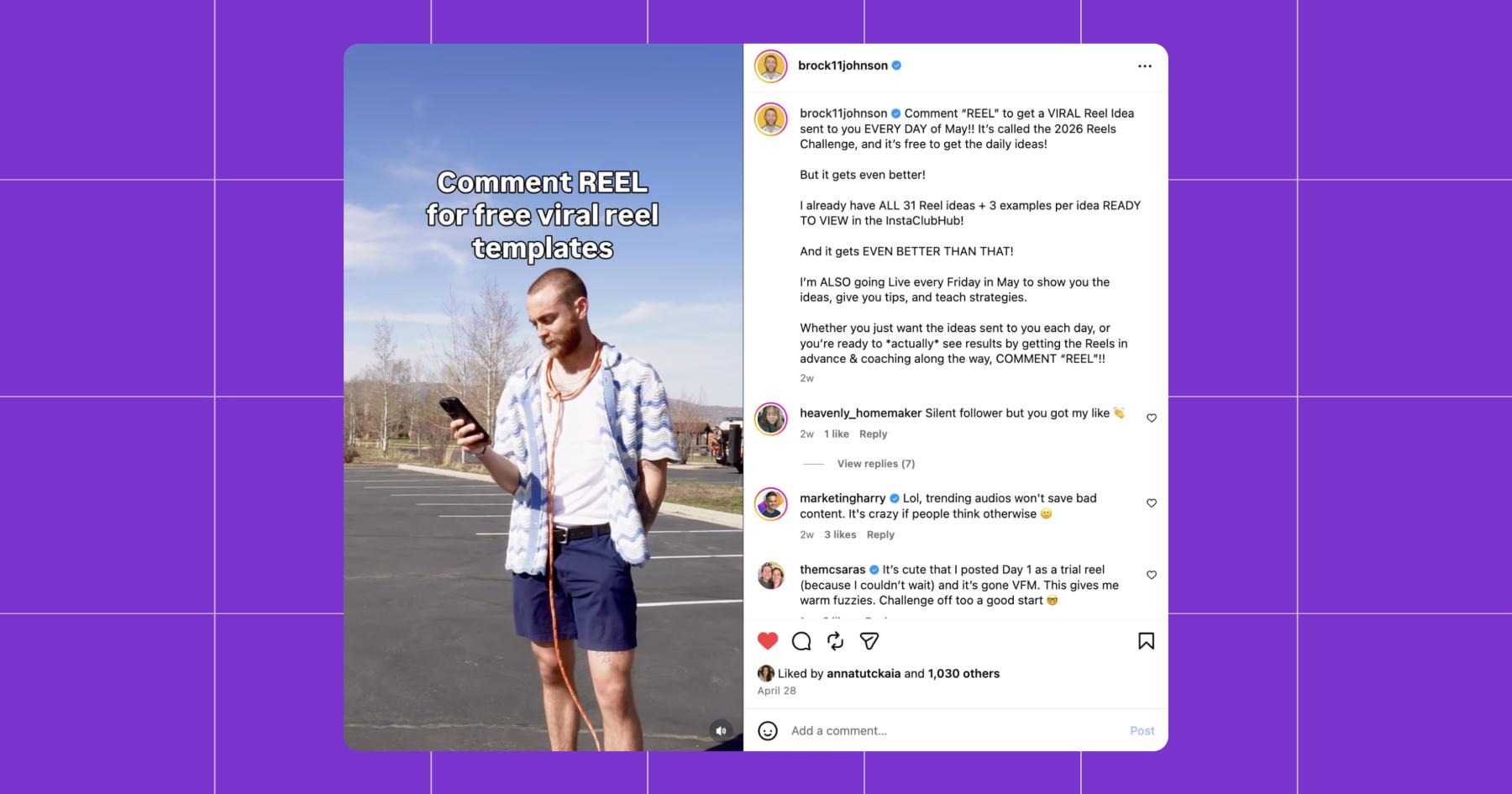
Templates are one of the most effective lead magnets because they offer instant, practical value. Social media caption templates, email scripts, graphics, presets, pitch deck outlines; anything your audience can copy, customize, and use right away falls into this category.
Templates work especially well as a lead magnet for marketers, creators, coaches, agencies, and service providers whose audiences want faster, easier ways to get results without starting from scratch. The perceived value of templates is high, even though they can be created relatively quickly with tools like Canva, Google Docs, Notion, Figma, or Adobe Express.
3. Courses and webinars
Courses and webinars are among the most effective lead magnets for subject matter experts because they let you demonstrate expertise rather than just talk about it. They work especially well for coaches, consultants, educators, service providers, and subject-matter experts who have a process, framework, or skill to teach. If people finish your free course or webinar and achieve results from it, they’re far more likely to pay for the next level of support or training.
Whether you’re helping people grow on Instagram, train their dogs, organize their finances, or master sourdough baking, a free course gives potential customers a chance to experience your teaching style and see real value before committing to a purchase. On the other hand, webinars are especially useful for live demonstrations, Q&As, and building urgency around a launch.
To make a free course or webinar worth the effort, it should lead naturally into a paid offer. The free version can cover foundational concepts or quick wins, while the paid version goes deeper.
Creating a course is easier than ever thanks to modern course-building tools. Platforms like Teachable, Thinkific, Kajabi, and Podia make it simple to upload videos, organize lessons, and collect leads in one place.
4. Downloadable resources (e-books, guides, checklists, cheat sheets)
Downloadable resources work well for almost any industry. E-books and guides are ideal for explaining a process or teaching a concept in depth, while checklists and cheat sheets are designed for quick wins and easy reference.
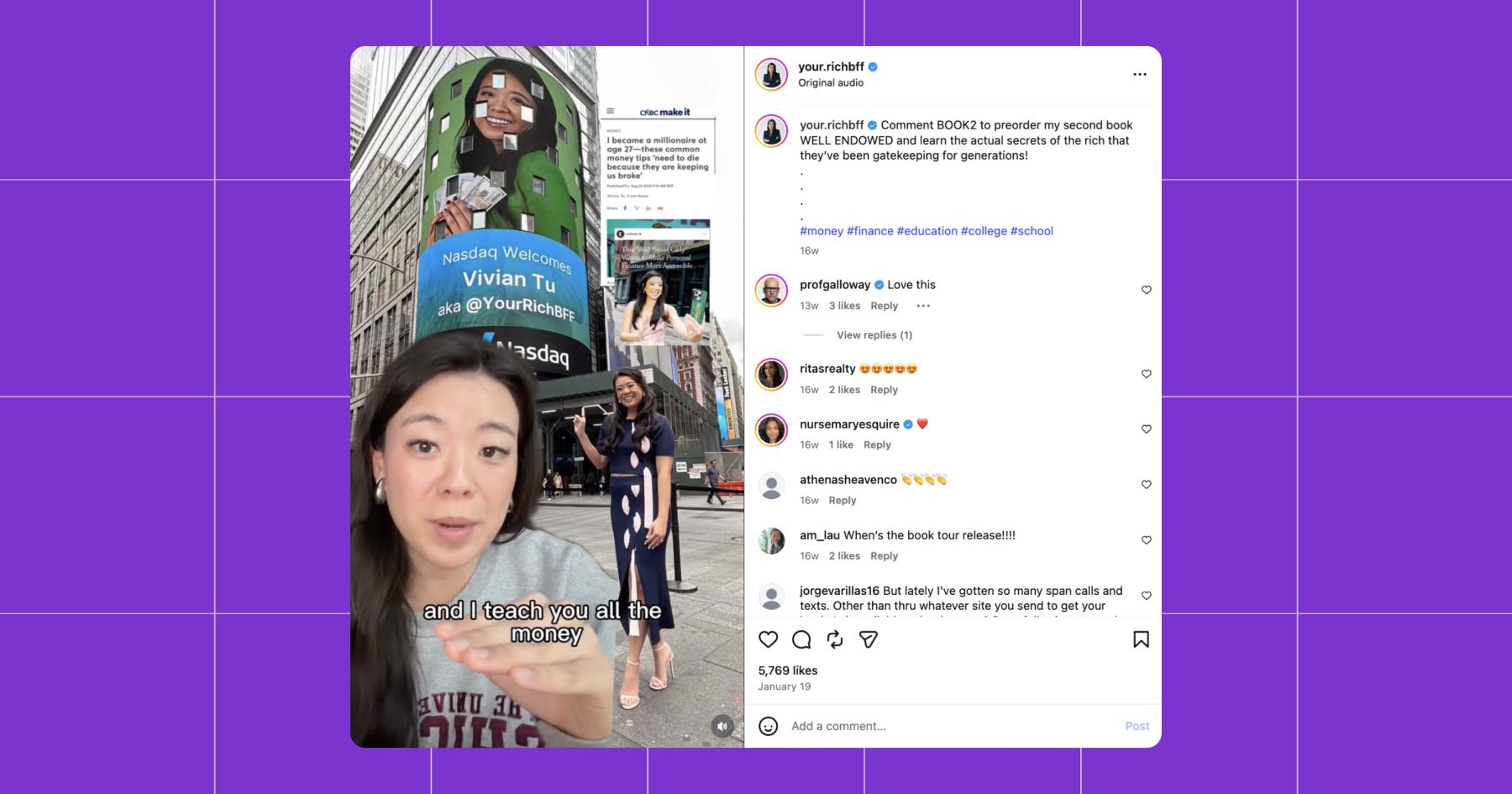
Whatever direction you decide to take, the key to creating a strong downloadable resource is specificity. Broad topics tend to feel generic, but focused resources aimed at a particular audience or pain point usually convert better. And because they’re simple to save and revisit later, downloadable resources often continue generating leads long after they’re published.
Related: How to Make and Sell Digital Goods (Without Losing Your Soul or Sanity)
5. Tools (calculators, planners, trackers)
ROI calculators, budget planners, calorie trackers, pricing estimators, headline analyzers: anything that gives people a personalized answer or shortcut can help attract qualified leads. Instead of just teaching a concept, these tools actively help someone make a decision or solve a recurring problem.
The best tools are highly specific to your particular audience. A generic marketing spend calculator is forgettable, but a TikTok ad budget calculator for small businesses? Now we’re talking.
You don’t need a developer to build a tool today, either. Many businesses create simple tools using spreadsheets, Typeform, Airtable, or no-code platforms. Plus, because users invest time entering their own information, tools and calculators also tend to create stronger engagement than static downloads.
6. Product samples and free trials
Allowing people to try your product before committing financially is an old-school marketing strategy, but it still works (we all love sampling at the grocery store).
For physical products, this might mean sending sample sizes, test kits, or trial products. For software, memberships, or digital services, it could mean offering limited-time access to premium features. Once someone has tried your product firsthand, the barrier to buying the full version becomes much lower.
The most successful free trials focus on helping users reach a meaningful result quickly. Instead of overwhelming people with every feature at once, guide them toward one specific outcome that demonstrates the product’s value.
7. Resource libraries
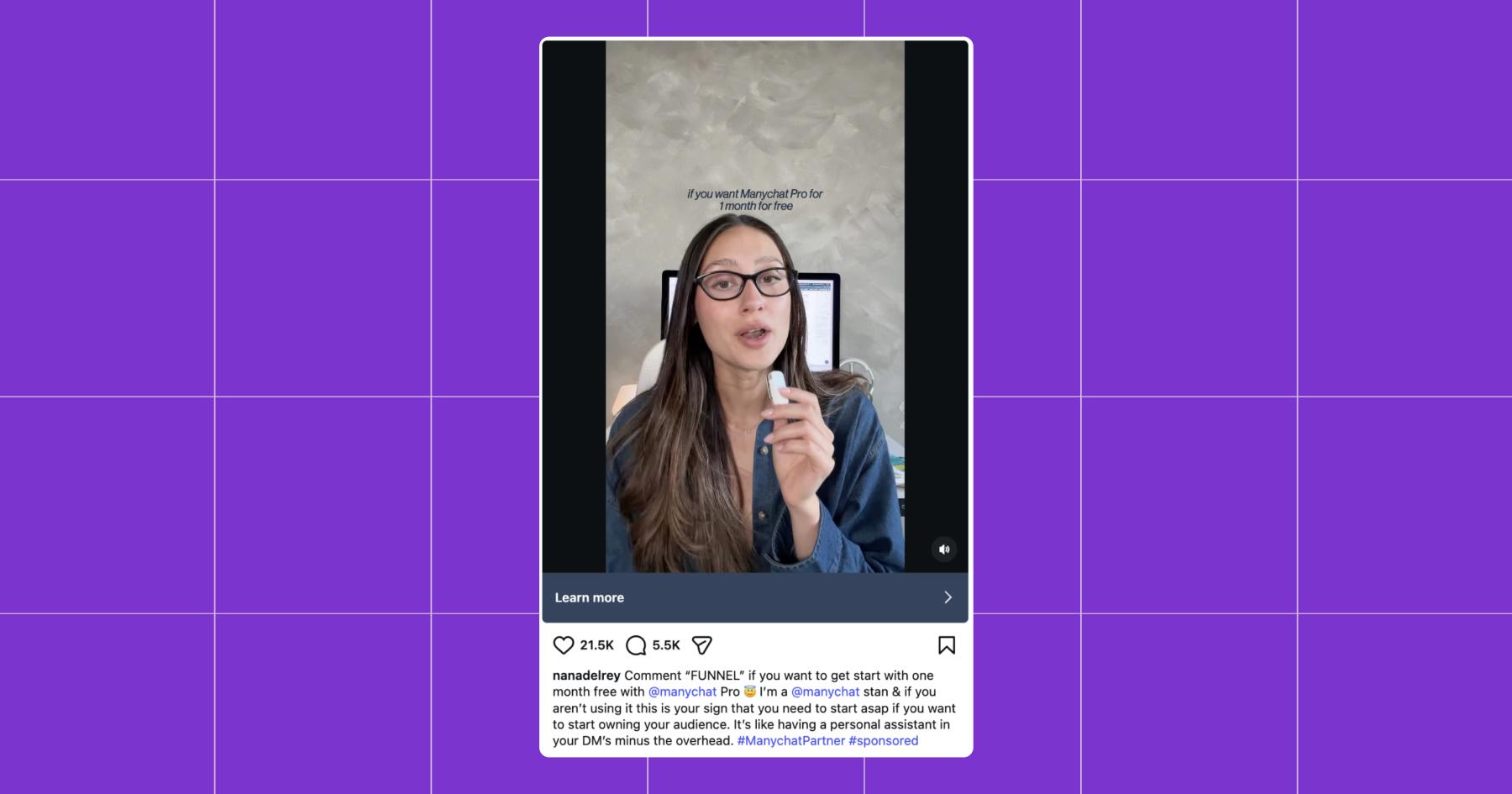
Resource libraries make effective lead magnets because they provide ongoing value. Content calendars, workout trackers, meal planners, budget spreadsheets, and project templates are the kinds of resources people return to repeatedly. That repeated use keeps your brand visible long after someone initially signs up.
Resource libraries take this concept even further by bundling multiple tools into a single destination. Instead of offering one template or guide, you can create a “creator toolkit” or “small business resource hub” filled with swipe files, checklists, planners, and worksheets.
The perceived value feels much higher because users gain access to an entire collection of resources rather than a single download, making resource libraries especially effective for growing email lists and nurturing long-term audiences.
Build a Lead Magnet Without Losing a Weekend

You don’t need a design team or a week of free time to build a lead magnet that converts.
- Start by picking one specific problem your audience regularly discusses. Check your DMs, comments, and customer support questions for patterns. Specific problems make for irresistible solutions.
- Next, choose a format that matches your strengths. Great at writing? Go with a checklist or template. If you’re better on camera, record a short video course. Don’t force yourself into a format that’ll take forever just because it sounds impressive.
- Keep the asset short. One to three pages for a PDF. Five to ten minutes of total content for a video series. The goal is to give away just enough that people think, “If the free version is this good, the paid option must be incredible.”
- Set up your delivery method. This is where Instagram automation tools like Manychat come in. With Manychat, you can build a flow that delivers your lead magnet automatically via DM the moment someone comments on your post or slides into your inbox.
- Finally, test it. Share it with a small audience first, pay attention to the conversion rate, and tweak the title, description, or delivery method based on what you learn.
Mistakes That can Turn Your Lead Magnet into a Flop

- Going too broad: A resource titled “free marketing guide” will attract and convert no one. Specificity is needed to attract qualified leads. For example, “90-day marketing guide for small e-commerce businesses” is a much more appealing offer.
- Asking for too much info upfront: Every extra form field you add costs you signups. Asking for a name and email address is the sweet spot for most businesses.
- No follow-up sequence: Delivering the lead magnet and then going silent is like getting someone’s number and never texting.
- Disconnecting from your paid offer: If your lead magnet has nothing to do with what you sell, you’ll attract leads who never buy. Your freebie should be a natural stepping stone toward your product or service.
How to Get Your Lead Magnet in Front Of an Audience

Building a great lead magnet is half the battle. The other half is making sure people actually know it exists.
The best way to get your lead magnet out there is by building comment to DM automations with Manychat.
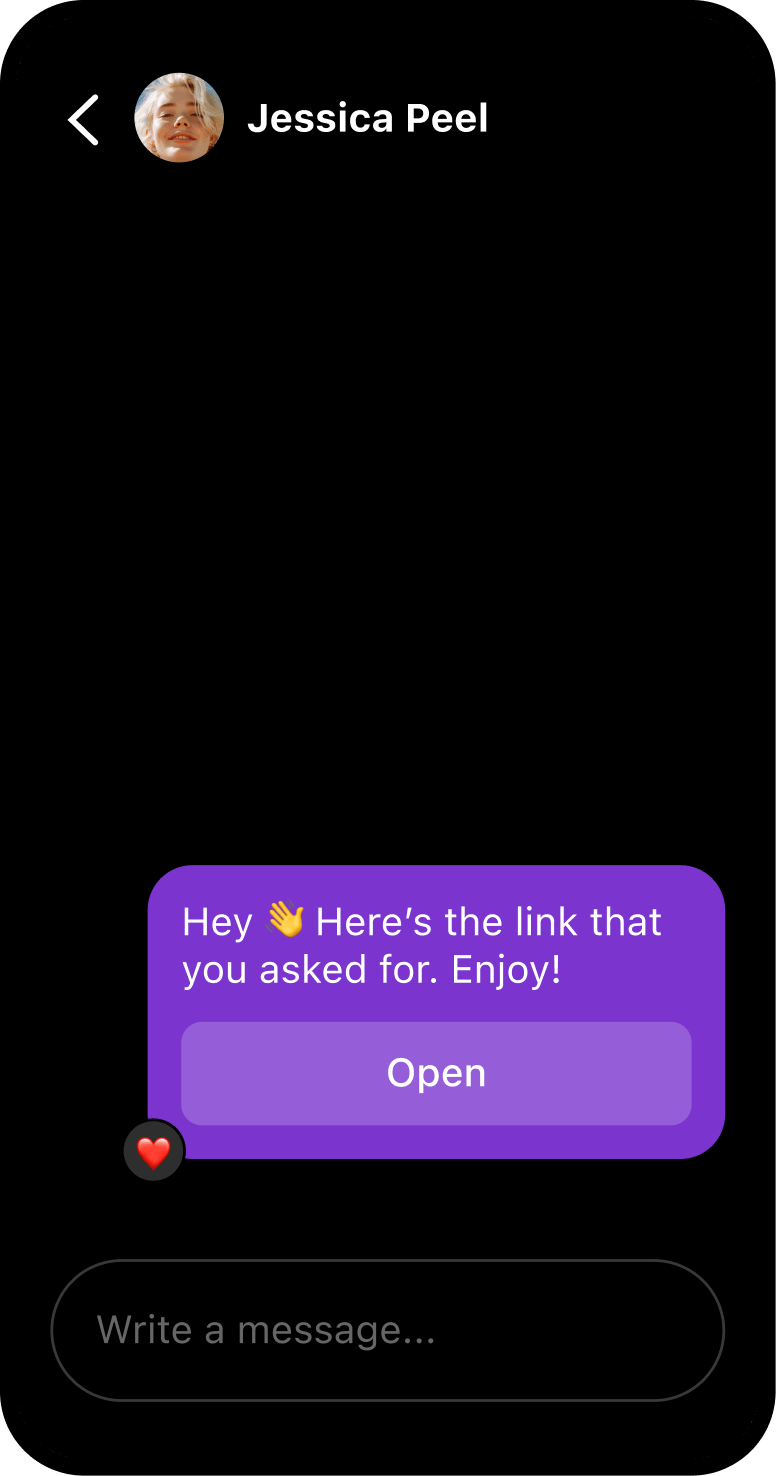
Here’s how it works: You post a reel or carousel teasing your lead magnet, tell people to comment a specific keyword (like “GUIDE” or “CHECKLIST”). Manychat notes who drops the keyword, then automatically sends them the lead magnet link in their DMs — no landing page required.
Learn more with this quick, seven-minute video walkthrough:
Or, cut to the chase: Sign up for Manychat.
Frequently asked questions
A lead magnet is something valuable you give away for free — like a discount code, a downloadable, or a course — in exchange for someone’s contact info (usually an email or phone number).
The highest-converting lead magnets for creators tend to be templates, checklists, exclusive content, and courses — anything that solves a specific problem your audience already has. Quizzes also perform well because they feel interactive and personalized, which drives both engagement and sharing.
You can deliver a lead magnet through DMs by setting up a comment-trigger automation. When someone comments a keyword on your post (like “GUIDE”), they automatically receive the lead magnet link in their DMs. Tools like Manychat make this easy to set up — no coding required, and the delivery is instant.
Yes. Lead magnets remain one of the most effective ways to grow an email list or SMS list. What’s changed is how people deliver them. DM automation gets lead magnets into people’s hands faster and with less friction than a traditional landing page, which is why conversion rates tend to be higher when you meet people where they already are (their DMs).


Originally published: Nov 6, 2019, Updated: Jun 8, 2026
More stories worth reading
More content that's too good to miss