Hook, Line, and Sinker: How to Write Hooks That Stop The Scroll

You only have about 3 seconds to turn a scroller into a stopper. The thing you use to do that? It’s called a hook. It comes from — you guessed it — fishing:
- A fishing hook catches a fish.
- A content hook catches a person's attention.
A content hook is an opener that yanks your audience’s attention out of their scroll stream and pulls them deeper into your content.
And it’s super, super important.
What Hooks Do (and Why You Need Them)
The short-form videos dominating our feeds, the constant stream of notifications pop-pop-popping up, and a certain very distracting device we all carry have trained us to switch our attention constantly. That habit doesn't stop when we close Instagram or TikTok — it carries into how we read, watch, and consume content everywhere.
Sticking with a long-winded point simply isn't a behavior we're reinforcing anymore. But does that mean we're all becoming goldfish?
…aaand now we're back to fish talk.
To torture this metaphor a little more, think of it this way: posting on Instagram or TikTok is like fishing in crowded waters. Thousands of creators are casting lines at the same time. You need the juiciest bait to make someone stop scrolling instead of swimming to the next lure.
That's where your hook comes in. A strong hook grabs attention in the first few seconds and gives viewers a reason to keep watching. Whether you're creating Instagram reels, TikToks, or YouTube Shorts, those opening moments determine whether someone sticks around or scrolls away.
If keeping human attention isn't convincing enough, the algorithms agree. Platforms like Instagram and TikTok reward videos that hold viewers' attention. Strong hooks improve key engagement signals like average watch time, audience retention, and completion rate; all metrics that help determine how widely your content gets distributed.
What Types of Hooks Improve Performance?

There is more than one way to skin a fish, though. You can use:
- visual hooks
- verbal hooks, or
- text hooks.
Visual hooks rely on what you see. They’re created with unexpected movements, camera tricks, or weird props.
Verbal hooks are what you say at the beginning of your content. We’ll get into them in more detail in the next section.
Text hooks act as headlines. Created as on-screen text or captions, this pulls in viewers who may watch without sound.
High-performing content often utilizes all three. In this blog, we’ll focus on verbal hooks.
6 Popular Verbal Hook Types

Some popular verbal hook types include:
1. The negative hook
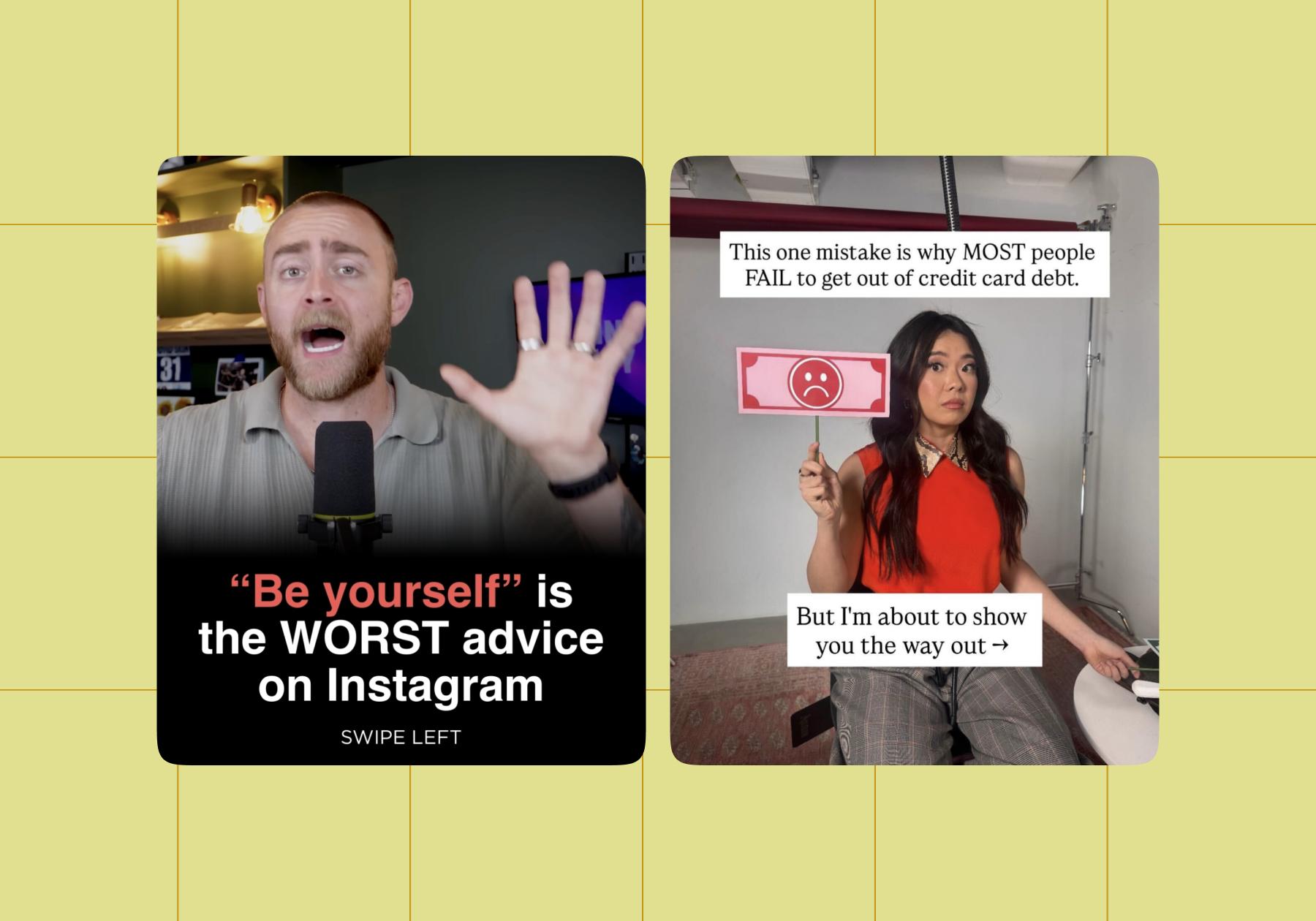
Negative hooks are opening statements that focus on audience mistakes or adopt a negative tone to trigger a strong psychological response. Negative hooks highlight a problem, mistake, or risk to avoid.
These hooks exploit a phenomenon called negativity bias, an innate response that causes us to feel more strongly about negative information or experiences than about positive ones.
We’re literally hardwired to notice risks and to try to overcome them. That’s why negative hooks work. Examples:
- "This mistake cost 100k followers."
- "You're losing followers because of this one thing you do every day."
Compare this to “Here’s three ways to grow on Instagram.”
The first is more likely to catch your attention because it causes you to recognize something is wrong and needs action.
2. The curiosity hook
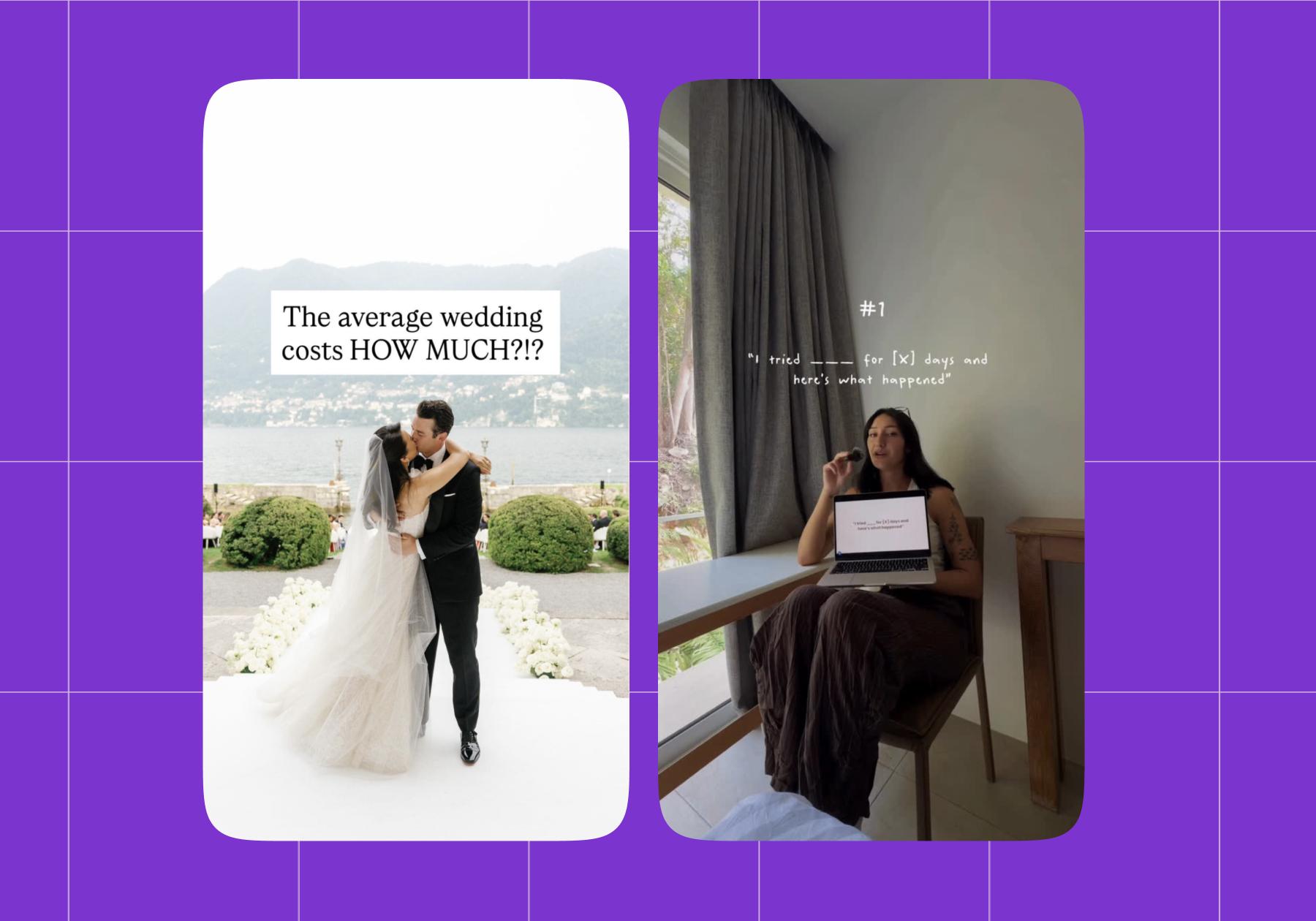
Curiosity hooks create an information gap, causing tension between what the audience currently knows and what they want to know. Curiosity hooks make viewers want to know more by creating an information gap.
This hook type works because our brains don’t like open questions. So when a creator starts in the middle of a story or shares an unexpected fact at the beginning of a Reel, the audience feels compelled to watch to the end to discover the answer.
Example: "The creators who make the most money for brands aren’t who you think they are."
The gap: who are the creators actually making the most money for brands?
(Pssst…wouldn’t you like to know?)
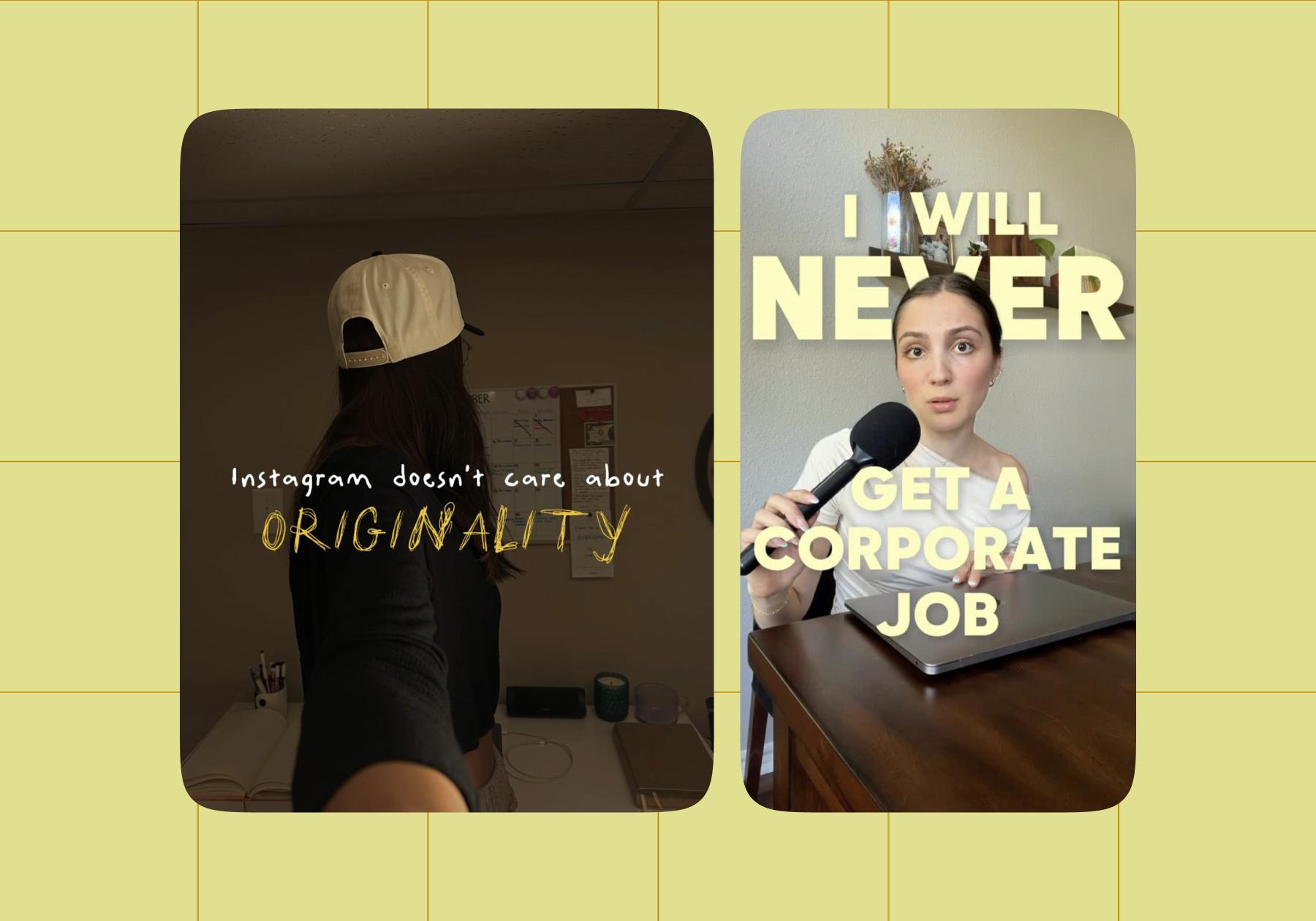
3. The contrarian hook
Contrarian hooks challenge commonly held beliefs or accepted wisdom.
These hooks create cognitive dissonance, a discomfort that arises when your convictions clash with new information. This clash motivates people to resolve their discomfort by confirming their assumptions or discarding them.
Examples:
- "Posting every day is hurting your account."
- “Working harder is actually keeping you stuck at your current level.”
- “Winning the lottery ruins more lives than it helps.”
Challenging your assumptions motivates you to keep watching to discover why you might be wrong.
4. The story hook
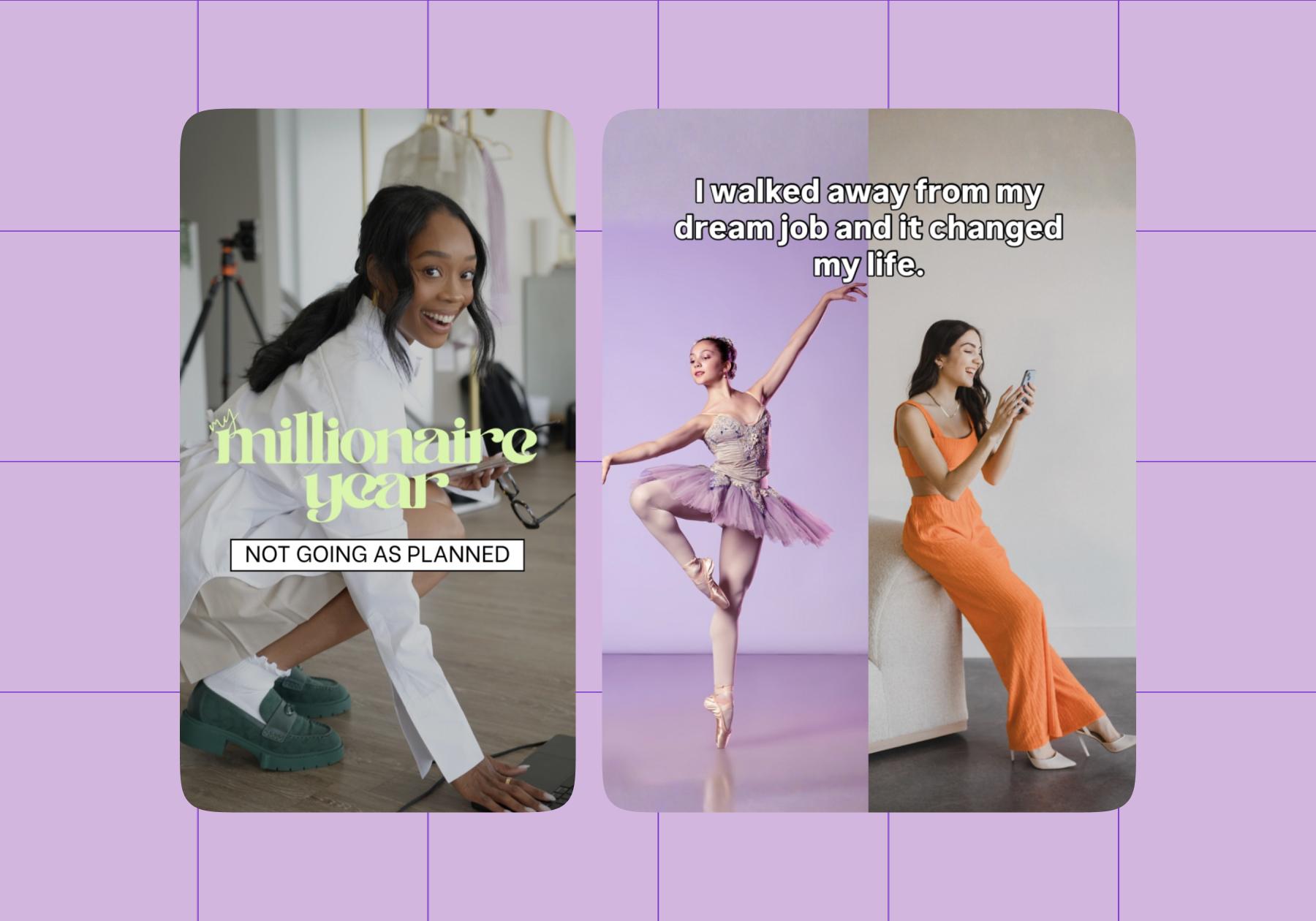
Story hooks increase your relatability. Sharing your experiences immediately draws the viewer into your world, helping them see things from your point of view. By recounting personal anecdotes, creators build an emotional connection with viewers through their content.
Example: "Six months ago, my posts were getting 100 views on a good day."
This hook immediately grounds the content in a place viewers who want to increase their views identify with, and it's way more compelling than a generic post that starts with “Increase your views on Instagram.”
Follow it up with a result like “Here’s what I did to 10x that in one week,” and they’ll stick around because they want to know what worked for you. You’re validating the strategy through personal experience.
Pro tip: You don’t have to write out your entire autobiography. In fact, it’s better to start in the middle of the story and get to the point quickly to keep viewers from getting bored. This is a storytelling technique (in media res) you might remember from English class. |
5. The result hook
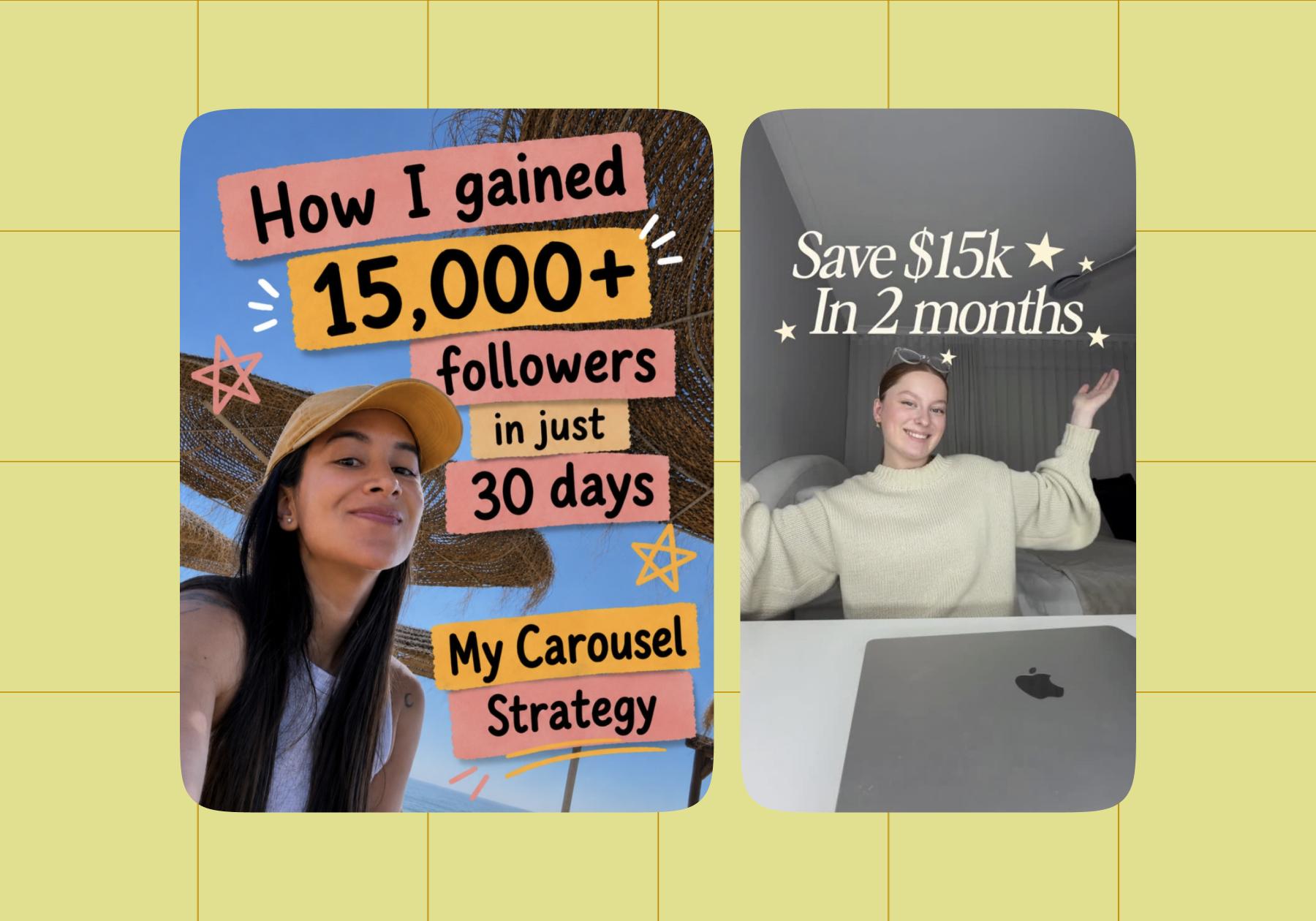
Result hooks lead with a desirable outcome for a problem viewers experience. They are the opposite of curiosity hooks, as they don’t create an information gap first. These hooks get straight to the point, promising quick resolution.
Example: "This hack helped me gain 10,000 new followers in a month."
They work because everyone wants concrete proof, and you provided it up front. Using a result hook confers instant authority.
But be careful. Don’t share a result you didn’t achieve, and don’t share a strategy you haven’t tested. This can actually damage your trust with your followers.
Pro tip: Start with some audience research to hit pain points specific to viewers in your niche. This will create compulsively watchable posts for your target audience. (We’ll cover this in more depth shortly). |
6. The question hook
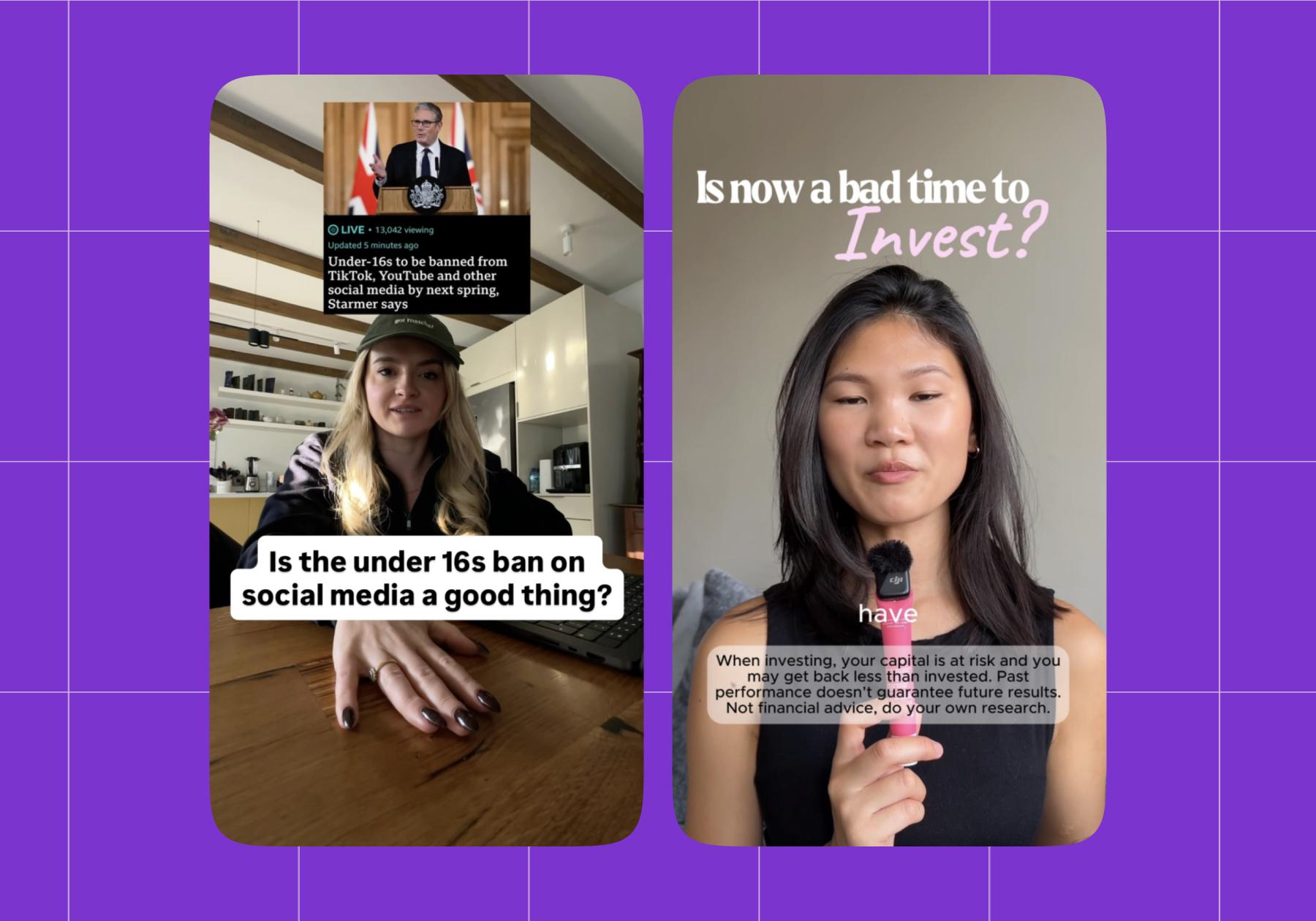
Question hooks are a one-two punch. They:
1. Stop viewers in their tracks by addressing them directly, and then
2. Create an open loop in the viewers’ minds they need to close by asking a question they don’t know the answer to.
Example: "Do you know how to get your first client as a new freelancer?"
(Bonus points if you use audience research to determine what questions you use in your hooks!)
Unresolved questions generate a discomfort that the brain seeks to resolve by finding an answer, causing them to watch through to the end of your content.
Personalize Your Hooks to Reel in Your Audience
But there is one final element we have to discuss…
A good hook isn’t just helpful and interesting. It should also be specific to your audience. Start with their struggles, feelings, or wishes — not just what you want to say.
There are five ways to do this:
- Use native platform insights.
- Study the comments.
- Analyze competitors.
- Read through niche-related questions on forums.
- Research searches.
Using platform insights
As a starting point, analyze your current audience through native platform insights on Instagram or YouTube. You can review demographics such as age and location, as well as crucial content metrics such as shares.
Studying the blade comments
Your own comments section is a goldmine, telling you exactly what your followers want to hear. Collect frequently asked questions to know what you need to post about next.
Analyzing competitors
Scroll through content from other popular creators in your niche. What are they posting about? What are watchers saying in their comment sections?
Reading through niche-related questions
Explore questions about your niche from posters on forums like Reddit or Quora.
Researching searches
Use tools like Google Trends and Google Keyword Planner, or type in terms related to your niche into the search bar of your preferred platform and examine autocomplete suggestions to reveal which topics are seeing rising search volume.
Bonus: Learn with peers
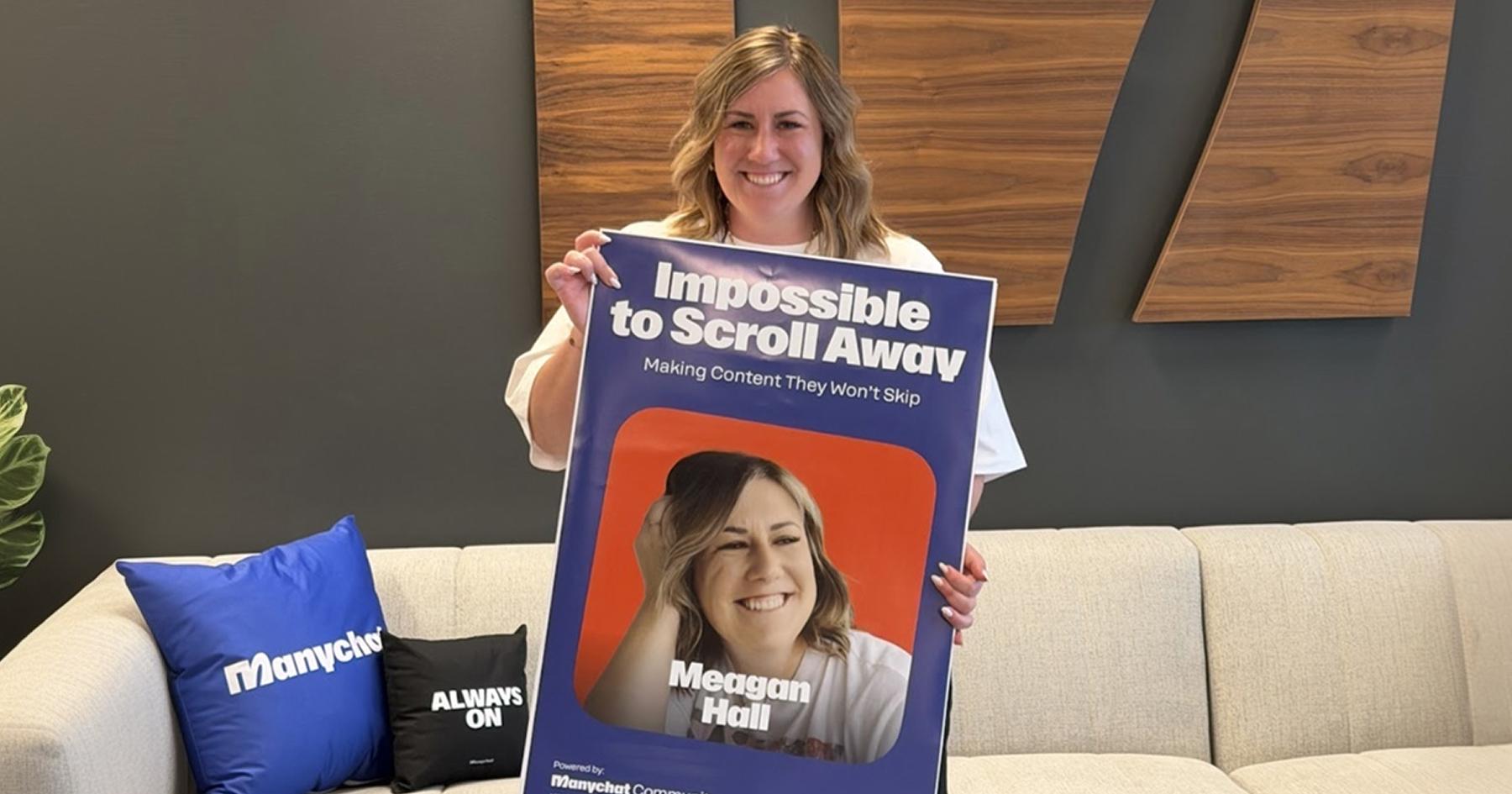
We covered hooks and audience research in our first Community IRL event with Meagan Hall. Want to catch the next Community webinar? Join the Manychat Community today!
Frequently asked questions
A good hook grabs attention in the first few seconds by giving people a reason to keep watching or reading. The strongest hooks spark curiosity, identify a problem, challenge a common belief, or promise a clear benefit. Instead of trying to be clever, focus on showing your audience why your content matters to them right away.
Start by thinking about your audience's biggest questions, frustrations, or goals. Then experiment with proven formats, such as asking a surprising question, sharing a bold statement, highlighting a common mistake, or teasing a valuable takeaway. Writing several hook options before choosing one can also improve your results over time.
No. Effective hooks create curiosity without making misleading promises. A strong hook accurately sets expectations for the content that follows and delivers on what it promises. While clickbait may generate initial clicks, trustworthy hooks build long-term engagement because audiences know they'll get the value they were promised.


Originally published: Jul 8, 2026
More stories worth reading
More content that's too good to miss