
A few years ago, Adam Mosseri wrote a guide about how ranking on Instagram works. In it, he said: “Instagram doesn’t have a singular algorithm that determines what people do and don’t see on the app. We use a variety of algorithms, classifiers, and processes, each with its own purpose.”
In other words, the Instagram algorithm is actually a set of algorithms (several algorithms in a trenchcoat?) that consider factors about your account, content, audience, and behavior. And while this may not be comforting for those chasing virality, the good news is that we know a lot about the factors that matter in 2026.
Ahead, all the details on how the Instagram algorithm works, from the feed and Stories to reels and Explore.
How the Instagram Algorithm Works

Let’s jump in feed-first, shall we? (Sorry, I couldn’t help myself.)
When you open Instagram and start to scroll, you’re moving through the feed. Mosseri calls this ‘your personalized home base.’ You’ll see a mix of posts from accounts you follow, recommended content, and ads.
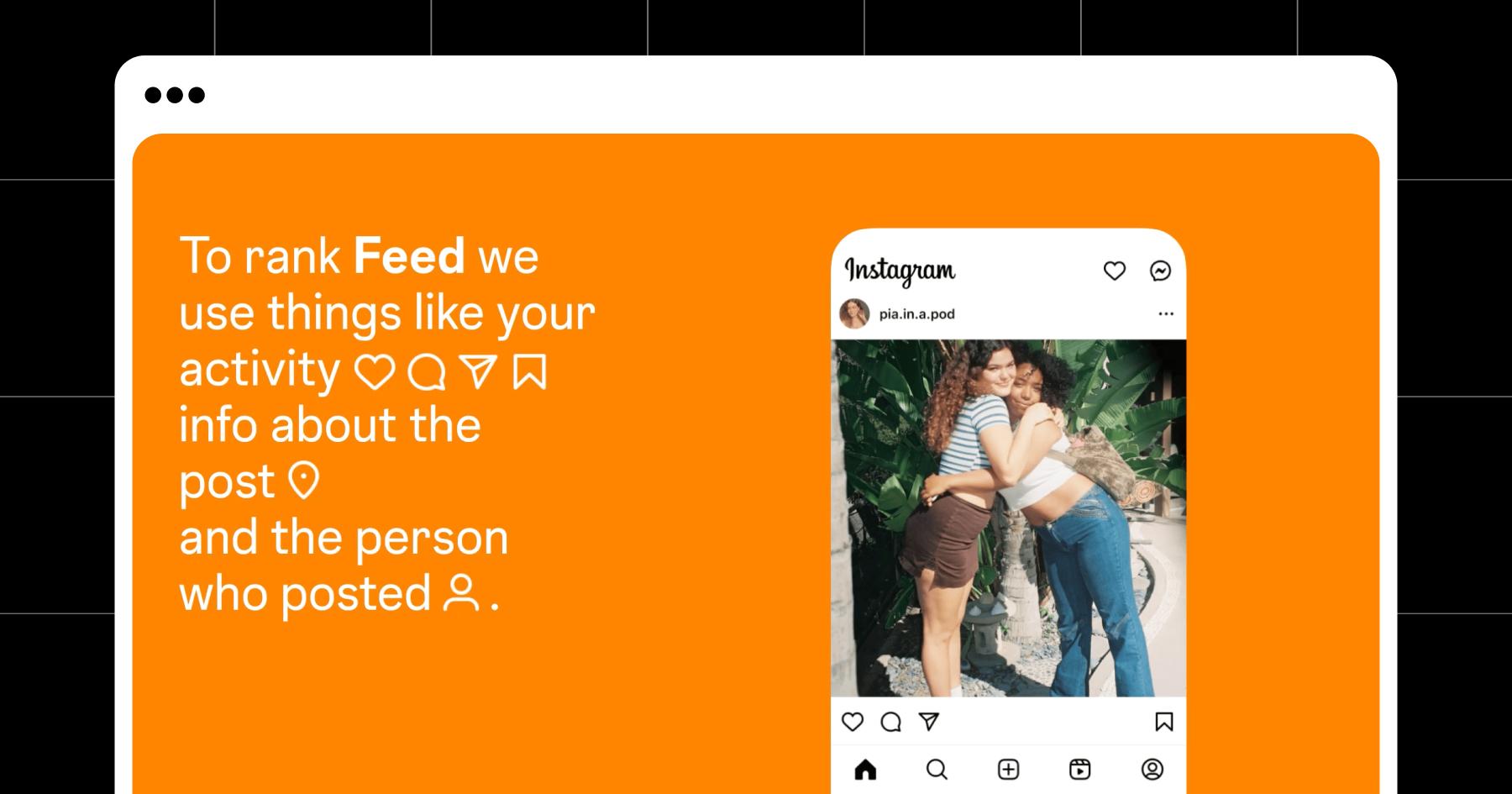
But what influences what’s shown to you first, before your eyes glaze over? According to Mosseri, it’s:
- Your activity: what you’ve liked, shared, saved, or commented on
- Post information: engagement, recency, and contextual details like location or tags
- Account information: how often you interact with the account and how others engage with their posts
Simply put, your feed is populated with content Instagram thinks you’ll like based on your activity history. This applies to the reels and Explore tabs too, but you will see way more content from people you actually know and follow in your main feed.
As a creator, it’s important to remember that the feed rewards familiarity. Your posts will be at the top of the feed for followers who regularly watch and interact with your content. If you want more people than you currently have seeing you at the top of their feed, keep building your audience, posting discoverable content (reels and carousels), and interacting with users.
Manychat is great for that last part, BTW.
The Instagram Stories algorithm ⭕
Stories are different from the feed. When you tap through Stories, you only see content from people you follow (and ads, sigh).
When it comes to how Stories are ranked and shown, the app considers:
- How often you view an account’s Stories
- How often you engage with an account’s Stories (replies and reactions)
- Your overall relationship history with the account
Mosseri refers to Stories as “a way to share everyday moments and grow closer to the people and interests you care about.”
To that end, most creators use their Stories to boost engagement and build relationships with their audience. They share life updates, ask questions (using polls or Instagram’s question sticker), and give advice.
If you’re looking for inspiration on what to post, check out Need Instagram Story Ideas? We’ve Got ‘Em.
The Instagram Reels algorithm ▶️
The reels tab is a feed of its own, and if you’ve spent any time in it, you’ve probably noticed that it’s mostly populated with content from people you don’t follow yet. This is because the reels algorithm is designed to help you discover new accounts, and therefore, spend more time in the app.
Mosseri says that entertainment is essential for the reels algorithm, and that Instagram has invested some time into researching how to find entertaining reels; “…we survey people and ask whether they find a particular reel worth their time or fun, and learn from the feedback to get better at figuring out what will entertain people,” he says.
Instagram doesn’t share exactly how those surveys work, but we all know that entertaining reels perform better. Also, when someone:
- watches a reel all the way through,
- reshares it,
- likes it,
- comments,
- or taps the audio tag
That’s a signal to Instagram that the reel is worth presenting higher up in users’ feeds.
If you’re trying to create Instagram reels that get served in the reels tab and/or Explore page, the most important thing is the hook. The hook is what determines whether people will watch your video or keep scrolling.
After that, focus on natural pacing (through editing), clear audio and captions, and trending songs if you’re really going for it. Here’s some more recent advice from the man himself, if that helps too.
FYI: Instagram tends to prefer more polished (AKA well-edited) content than TikTok, so keep that in mind if you’re repurposing content from one platform to another.
The Instagram Explore algorithm 🔍
Like the reels tab, the Explore page is designed to help you discover new content. It’s almost entirely made up of recommended posts from accounts you don’t follow yet based on what you’ve watched, shared, and saved in the past. You could probably scroll on and on and never reach the end of the Explore page (I haven’t tried it).
“If you interact with a specific type of post, we try to show you more content similar to the original post you interacted with,” Mosseri explains.
One key difference is that popularity matters more on the Explore page than anywhere else on Instagram. How quickly a post gets engagement, and how many people like, comment, share, and save it, heavily influences whether it will be surfaced to new audiences via the Explore page. (Which explains why viral posts dominate here.)
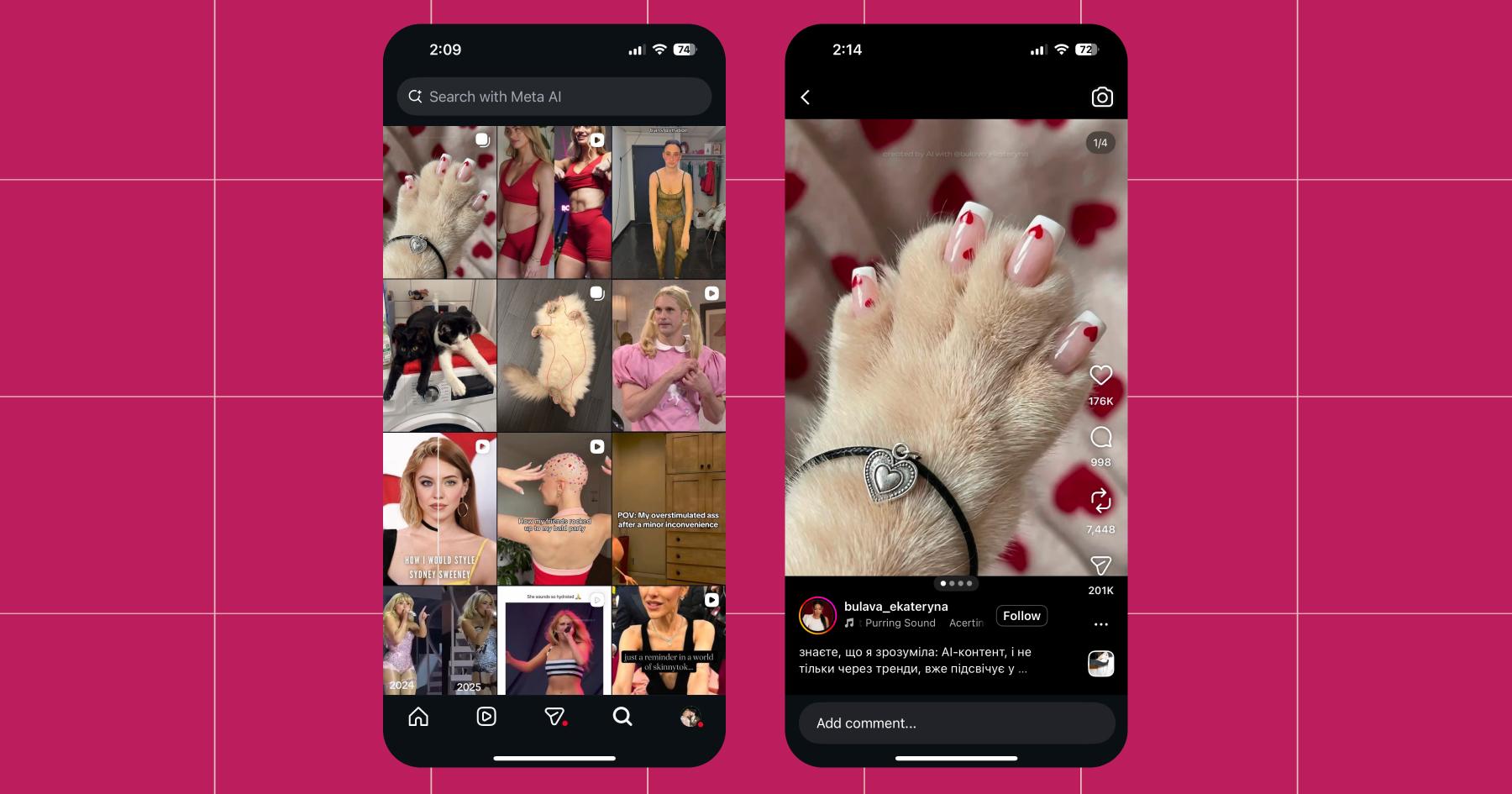
For creators, landing on your target audiences’ Explore pages is always a good goal, and a well-made reel or carousel post will give you a good shot at it. Participating in trends that apply to your niche is another strategy you can try — check the Edits app for inspiration.
How to Create Posts the Algorithm Will Love 😍

If you want to get a lot of views, you have to consider what we know about the algorithm (it honors engagement) and what we know about people (they like good, authentic content).
Here are our best tips based on those two facts.
1. Use discoverable content formats
Reels and carousels are the most discoverable formats on Instagram right now, since they’re more likely to be recommended to people outside your existing audience.
Single-image feed posts and Stories still have their time and place, but they’re not as likely to be seen by someone who doesn’t already follow you. So, if you want to reach new users, focus on reels and carousels.
Speaking of time and place: Stop Guessing: Here’s Exactly When to Post on Instagram
2. Dial in your audio, visuals, and editing
Instagram considers content information when ranking reels and Explore posts. That includes things like:
- Clean edits and natural pacing
- Trending audio
- Clear visuals and on-screen text
- Captions and relevant hashtags
Get a lav mic, a tripod, and a ring light if you can, and keep your reels tight (less than three minutes is ideal) with a clear progression from hook to explanation to payoff.
If you’re making a carousel, avoid packing too much text in the slides. Most people aren’t on Instagram to read. And follow @creators and @mosseri to get all the tips and insider knowledge straight from Instagram HQ.
Engage with people who engage with you
Instagram’s algorithm takes users’ past interactions into account. This means you need to interact with your followers so they know there’s a relationship between you.
Reply to comments. Respond to DMs. At the very least, give messages a double-tap. ❤️
The more active and reciprocal your presence is, the more likely Instagram is to surface your content to the right people. And yes — this is where Manychat can help you manage without living in your DMs.
Frequently asked questions
The Instagram algorithm doesn’t judge content solely on quality. Instead, it prioritizes posts it believes people are likely to finish watching and interact with. This is why hooks, audience relevance, and engagement matter just as much as production level.
Yes, it does. Engagement trains the algorithm how to rank your account. When people regularly comment on your posts, reply to your Stories, or DM you (and you respond), Instagram makes your future posts more likely to appear higher in feed and Stories for those users.
Instagram favors content that shows ongoing engagement, not just a fast spike. Posts that continue earning saves, shares, and interactions after publishing are more likely to be resurfaced in Explore or recommended in feeds over time.
To some extent, yes, especially when it comes to the Explore tab. But Instagram’s algorithm is also designed to give new and smaller creators a chance if their content performs well with a specific audience. Strong hooks, clear visuals, relevant audio, and engagement can help you overcome a small follower count.


Originally published: Aug 27, 2021, Updated: Feb 17, 2026
More stories worth reading
More content that's too good to miss