How to Build a TikTok Strategy That Gets You Views, Follows, Comments, and More

TikTok: It’s not really a new platform anymore, yet it can still feel like a mystery, especially if you’re one of the Internet Elders™️ who’s accustomed to Instagram and Facebook.
No matter your age or preferred social platform, you can create a content strategy that crushes on TikTok. In fact, there’s a whole subset of senior-citizen TikTok creators called “grandfluencers,” so there truly is no age limit on the opportunity.
If you’re here because that’s your goal — to crush it on TikTok — you’re in the right place. Ahead, we’ll talk about what the TikTok algorithm wants and how you can craft a content strategy tailor-made for TikTok.
What the TikTok Algorithm Actually Wants

We’ve written a whole guide on the TikTok algorithm (The TikTok Algorithm: What Works And How to Get More Views), so check that out. For now, here are the highlights:
- Niche relevance: In 2026, the TikTok algorithm is prioritizing community-aligned content over mass appeal and virality. Niche relevance matters more now than sheer reach, which is why many creators focus on resonating with specific groups (like #BookTok or #MomTok).
- Watch time: the average time a scroller spends watching your video. The longer the watch time, the better (TikTok wants people to spend time in the app). Having a compelling hook is one of the best ways to increase your average watch time and get further boosted by the algorithm.
- TikTok SEO: All of the information added to your video, like captions, hashtags, and sounds, helps TikTok categorize and recommend your content to the right people. Using relevant keywords and trending sounds can increase your chances of getting discovered.
What you should avoid posting on TikTok
There’s a long list of things you shouldn’t do on TikTok, including using banned hashtags or hate speech in your posts. If you’re curious what else could lead to your content becoming ineligible for recommendation in the For You feed, here’s the full rundown:
- Content created by anyone under 16 years old
- Disordered eating and body image
- Dangerous activities/challenges
- Nudity and body exposure
- Sexually suggestive content
- Shocking and graphic content
- Misinformation
- False or unverified claims about civic and election integrity
- Fake engagement (“like-for-like”)
- Gambling
- Promoting tobacco or drugs, or showing excessive alcohol consumption
- Live content with the main goal of driving people off-platform
Keep it above board, or else you could be shadowbanned or even suspended from the platform.
Related: How Long Does a TikTok Shadowban Last? (And How to Check if You’re Banned)
How to Craft a TikTok Strategy That Wins in 10 Steps

TikTok is one of the most unpredictable corners of the internet. There’s a video that’s been burned in my mind since 2020 that’s just someone saying “long grape” with a reverb effect on it while the camera slowly zooms in on a single long grape. That video has 2M views and has been saved over 6,000 times.
You can’t expect to wake up with a brilliant idea like long grape every day. But also, you probably shouldn’t be posting content like long grape unless it’ll help you achieve your goals (so if you’re with Big Grape, carry on).
Whether you want to get lots of followers and become a TikTok influencer or use TikTok as a marketing channel to promote your small business, you need a strategy to support and focus your efforts. I’m not saying don’t have fun — you absolutely should have fun; that’s what the internet used to be all about, remember? You just need a little structure to rely on when the inspiration dries up.
If this is your very first day on the TikTok app, I recommend The TikTok Starter Kit: Essential Steps for Getting Your TikTok Together. If you’ve got an account but need to put together a content plan, follow the 10 steps outlined below.
1. Define your goals
When you’re building your social strategy, start by defining the goals for your account. Otherwise, you’re just posting for vibes and treating your account like a personal one — which is fine if that’s what it is, but that’s probably not why you’re here.
For most creators and brands, the goal(s) they have for their account fall into one or more of the following categories:
- Awareness (reach/new followers)
- Engagement (comments, shares, community)
- Conversions (leads, sales, sign-ups)
2. Identify your target audience
Who are you trying to reach with your content? What problems do they have? What are they interested in? And what kind of TikTok content do they already watch? Knowing these things is the only way you’ll be able to reach them.
If you already have a general idea of who your target audience is, but you want to know where they’re hanging out online, read The Social Media Demographics You Need to Know in 2026.
If you need help defining your target audience, check out our in-depth guide, How to Define Your Target Demographic.
3. Research your niche
Once you know what you’re trying to achieve and who you’re trying to reach, the next step is to figure out what’s going on in your niche; specifically, which creators and brands are big in the space and what kind of content they’re posting. Follow those accounts, then watch their most-viewed and most-engaged videos (usually, their pinned posts or playlists).
Note any recurring content formats, hooks, posting styles, and themes you see. Then, search for phrases and hashtags relevant to your niche to see what content TikTok surfaces. As you scroll, jot down topics, formats, and trends that align with your goals. This will help you build content pillars that already have social proof.
4. Define your content pillars
Content pillars are the core themes that will come up in your TikTok content. Content pillars make it easier for you to create content and for scrollers to know what your account is all about.
Most creators and brands benefit from choosing three to five content pillars that align with their goals and their audiences’ interests. For example, a fitness creator might focus on workout tips, nutrition advice, and lifestyle content (storytime, hauls, day-in-the-life, etc.).
Use the notes you took during your niche research to identify topics your audience already cares about and how your content can stand out. Once you have them, these pillars should guide the majority of your content. Be consistent while still leaving room to experiment with new formats and trends.
5. Create repeatable content formats
If content pillars are the topics you talk about, content formats are the way you talk about them. And formats like pillars help you avoid starting from scratch every time you record a video.
Some of the most popular TikTok formats include tutorials, POVs, reactions, storytime, and GRWM (get ready with me). Find a few formats that feel natural to you and stick with them so your scrollers know what to expect when your content pops up in their feed.
6. Build a posting plan
Unfortunately for all the commitment-phobes out there, consistency matters on TikTok. So, you need a realistic publishing schedule that you can actually stick to. For most creators and brands, three to five posts per week is a good place to start.
One of the easiest ways to stay consistent is to batch-create content. Instead of filming one video at a time, dedicate a few hours to recording multiple videos and scheduling them throughout the week. You can also use a feed planner or scheduling tool if that helps you stay consistent.
7. Optimize your content for the algorithm
You could have the world's greatest TikTok idea (a long grape situation, if you will), but if you don’t capture people within a few seconds, they’ll scroll away, and the algorithm won’t push your video further.
This is why you always open with a strong hook that gives people a reason to keep watching. If you need some ideas, start scrolling and see what piques your interest, or steal these five ideas from viral video creator Harry Allsop (@harry__allsop):
Use captions to make your videos easier for the algorithm to consume. Remember: TikTok SEO matters, so if your video is about flan, your caption should include the word “flan” (as well as on-screen text and spoken dialogue when appropriate).
Add hashtags thoughtfully rather than stuffing your caption with every tag you can think of, because #thatscringe and could get you shadowbanned. Also, edit your content in TikTok if you can, because it’s one of the best social video editing tools on the market, but also because using TikTok-native features (especially trending audio) puts you in the algorithm’s favor.
Find out what’s trending: TikTok Filters: An Easy Way to Participate in What’s Trending
8. Engage actively
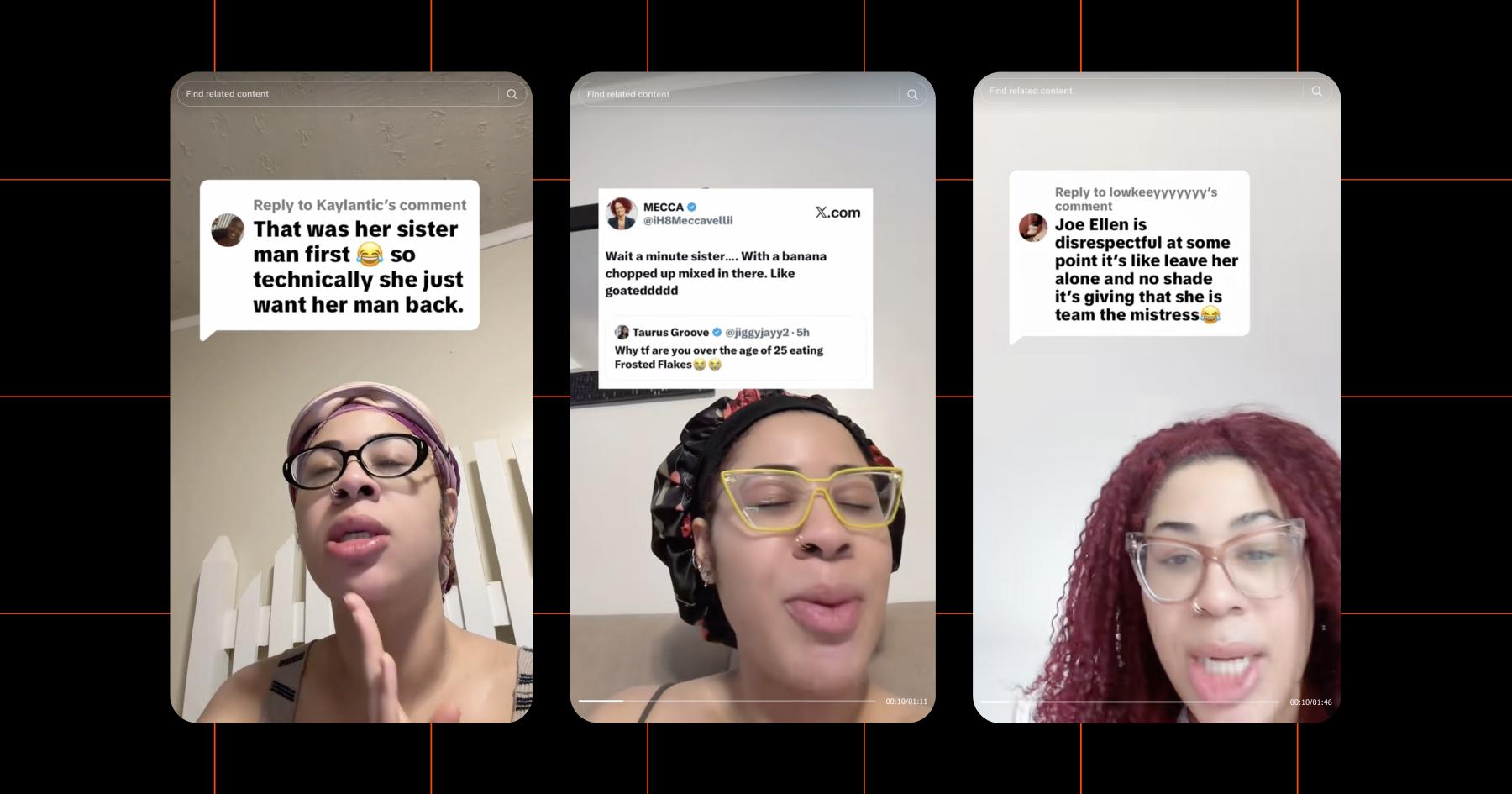
Reply to comments, answer questions, and pay attention to the discussions happening beneath your videos. Better yet, turn good comments into new content using TikTok’s reply feature, like Mecca Evans @meccavellii, a creator you can learn more about in How Macro Influencers Operate Outside the Algorithm, often does on her page:
If you want to generate more comments on your page, sign up for Manychat. Creators using DM automation get up to 150% more comments on average. And as an official TikTok Business Partner, Manychat is a perfect tool to start your TikTok automation journey with.
Learn more: Turn TikTok Views Into Customers With Manychat
9. Track performance
I know analytics aren't nearly as fun as making TikToks, but you’ll never know whether your strategy is working if you don’t look at the numbers.
Review your TikTok Analytics a few times a month to see what's working and what isn't. Look at views, watch time, retention rate, shares, saves, follower growth, and conversions if you're using TikTok to drive people to your business.
10. Iterate regularly
The truth about TikTok is that nobody can predict exactly what will take off (see: long grape). To succeed, you need to test, learn, adapt, and repeat.
Return to your analytics and look for patterns in your highest-performing content. Which topics consistently generate engagement? Which formats keep people watching? Which hooks stop the scroll?
Once you know which formats and topics are winners, create more content that builds on those things. At the same time, don't be afraid to retire ideas that aren't working. If a content format consistently underperforms, let it go and try something else. TikTok changes quickly, so your strategy should evolve, too. Treat every post as a small experiment, and you'll continue learning what your audience wants over time.
Frequently asked questions
There isn't a secret button that unlocks millions of views (trust me, people have looked). The best way to get more views is to create content that keeps people watching. Focus on strong hooks, clear storytelling, and topics that are relevant to your niche. The TikTok algorithm pays close attention to watch time and engagement, so the more people stick around and interact with your videos, the more likely TikTok is to show them to new audiences.
The best posting schedule is the one you can actually maintain. For most creators and brands, posting several times per week is enough to build momentum, but daily posting can help you gather data and grow more quickly. Consistency matters more than chasing an arbitrary number. It's better to post three quality videos every week than seven rushed ones.
Start with your content pillars. These are the core topics that align with your goals and your audience's interests. From there, experiment with different formats like tutorials, storytelling videos, reactions, behind-the-scenes content, and trend participation. If you're not sure where to begin, spend some time researching creators in your niche to see what's already resonating with the audience you're reaching.
TikTok SEO is the process of helping the platform understand what your content is about so it can recommend it to the right people. Use relevant keywords in your captions, on-screen text, and spoken dialogue when appropriate. Hashtags provide context, too, but they're most effective when they're relevant to your content rather than simply trending.


Originally published: Jun 26, 2026
More stories worth reading
More content that's too good to miss