Amazon Affiliate vs. Influencer: A Look At Amazon’s Affiliate Programs
Amazon is one of the first places creators look when they’re ready to establish an affiliate marketing income stream. Why? Because becoming an Amazon affiliate is a pretty sweet deal, and there are probably dozens of items from Amazon in your house that you use all the time. (And many more that were gifted to you by others that you don’t even realize came from Amazon *evil laugh.*)
As a creator, you can take those products, feature them in content, and create shareable links through Amazon’s affiliate programs. When someone buys something from one of your links, you get a payout.
A pretty sweet deal.
But what’s the difference between an Amazon Associate and an Amazon Influencer? Are commission earnings the same for both programs? And which one is easier to join?
While the two programs share the same basic affiliate model, they’re designed for slightly different types of creators. So, let’s talk about how the Amazon Associates and the Amazon Influencer Program work, their eligibility requirements, and which one makes the most sense for you.
Is There a Difference Between an Amazon Associate and an Amazon Influencer?

Short answer: Yes, the two programs are different. The Amazon Influencer Program is a more selective extension of Amazon Associates. Creators accepted into the Influencer Program are Amazon Associates, but not every Amazon Associate is an Amazon Influencer.
Amazon Affiliates vs. Amazon Influencers
The Amazon Associates Program (also called the Amazon Affiliate Program) and the Amazon Influencer Program allow creators to earn commissions by recommending products sold on Amazon. In both programs, you can create trackable links, share products with your audience, and earn a percentage when someone makes a qualifying purchase.
The Amazon Influencer Program is an extension of Amazon Associates, designed specifically for creators with an established social media presence. Associates can be creators, bloggers, publishers, or other types of professionals with a website. For example, Doug Van Soest, founder of Storology Storage, adds affiliate links to products he recommends to people moving to content on the Storology blog.
The perks of being an Amazon Influencer
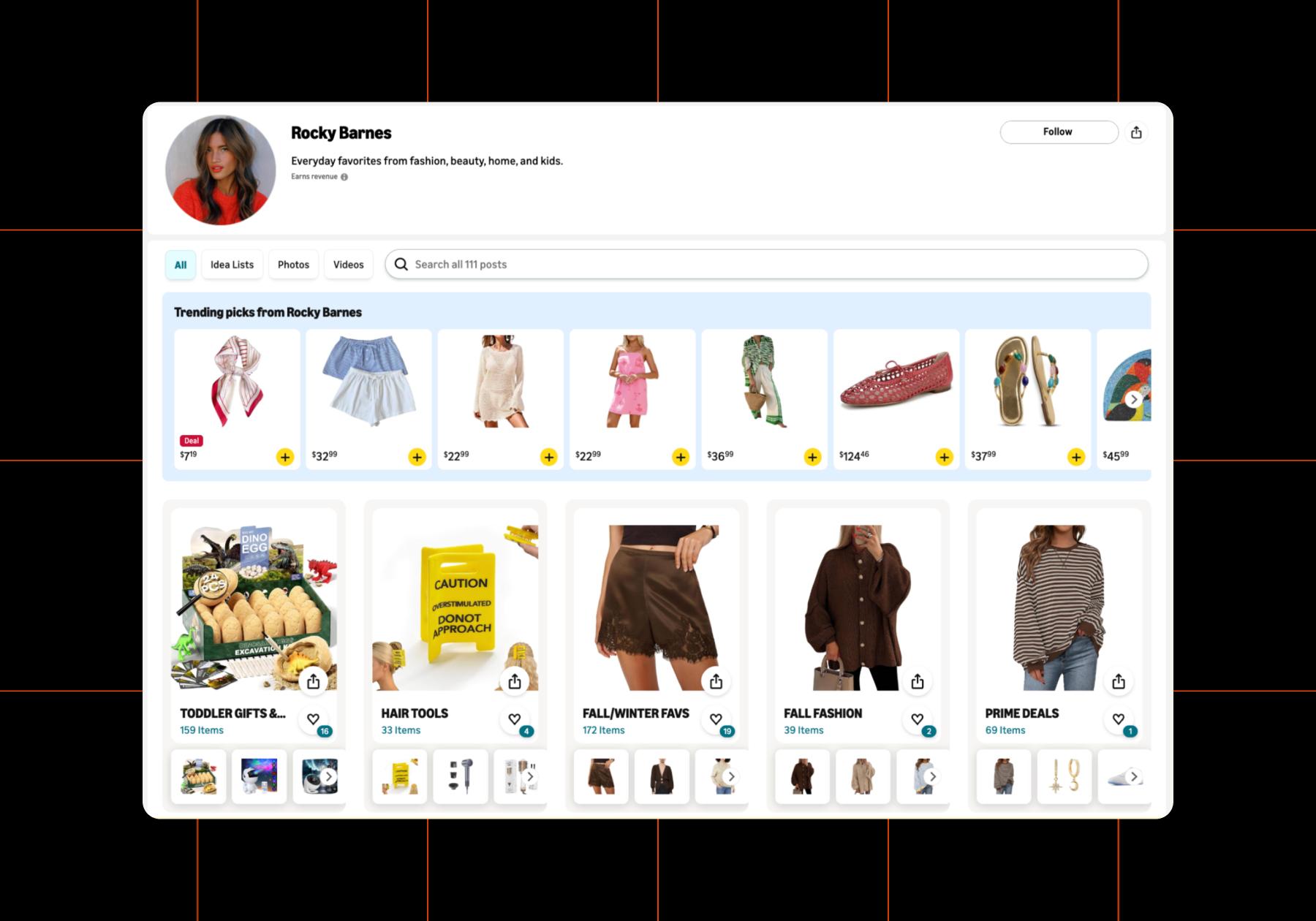
The biggest difference between the two programs is that creators in the Amazon Influencer Program get their own Amazon storefront with a custom URL. This allows them to organize their favorite finds into lists and direct followers to one central shopping page instead of sharing a separate link every time they want to recommend a product.
Here’s an example of what an Amazon Influencer storefront looks like from creator and model Rocky Barnes (@rocky_barnes):
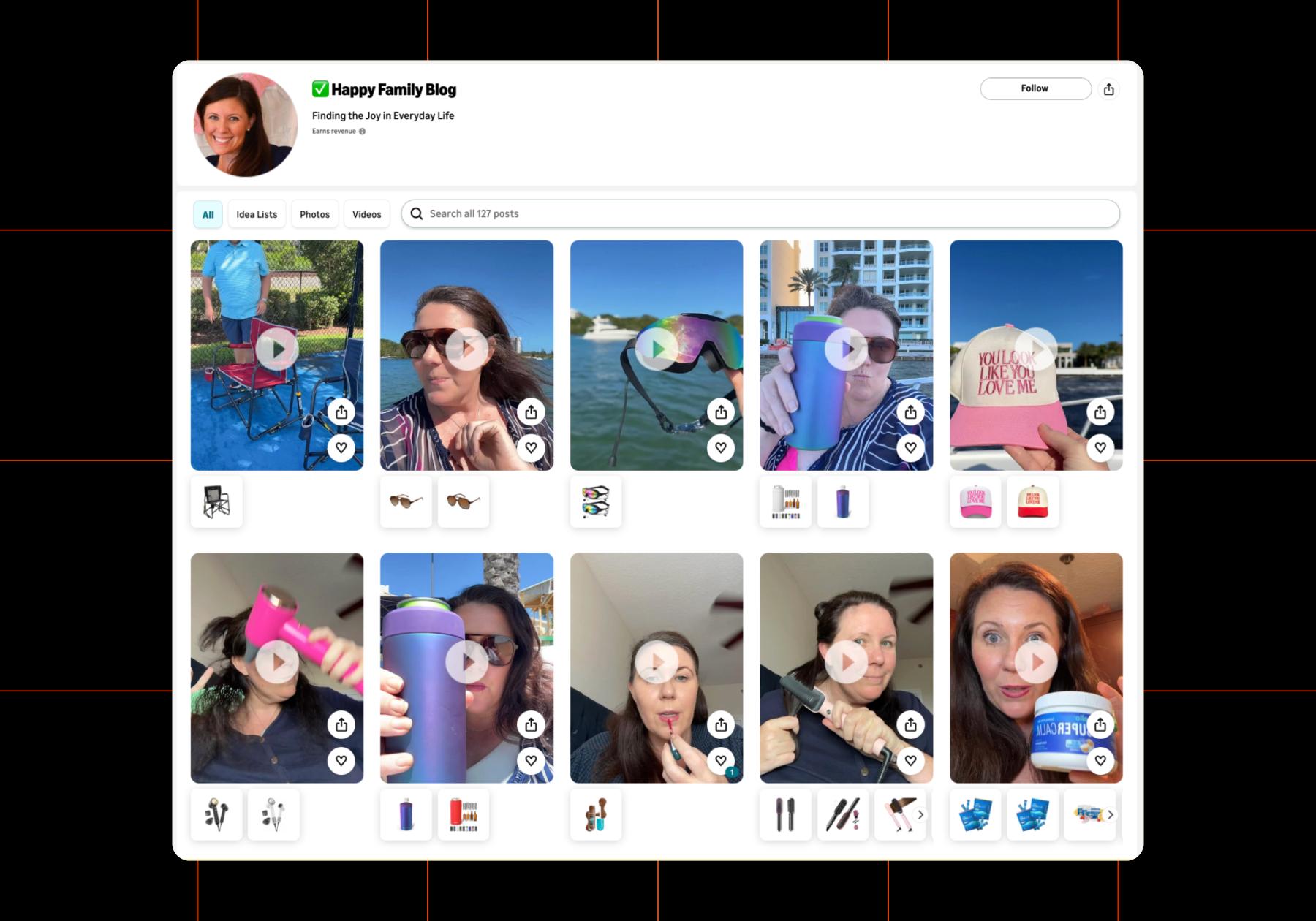
Amazon Influencers can upload product-related photos, videos, livestreams, and other content to Amazon. This content lives on their storefront, and some of it may get featured and monetized on Amazon product pages as well.
Here’s an example of video content on Cristy Stewart-Harfmann (@happyfamilyblog)’s Amazon storefront:
Amazon Influencers also occasionally earn bonus commissions through brand partnerships and/or ad revenue when shoppers click sponsored products.
Eligibility Requirements for Amazon Associates and Amazon Influencers
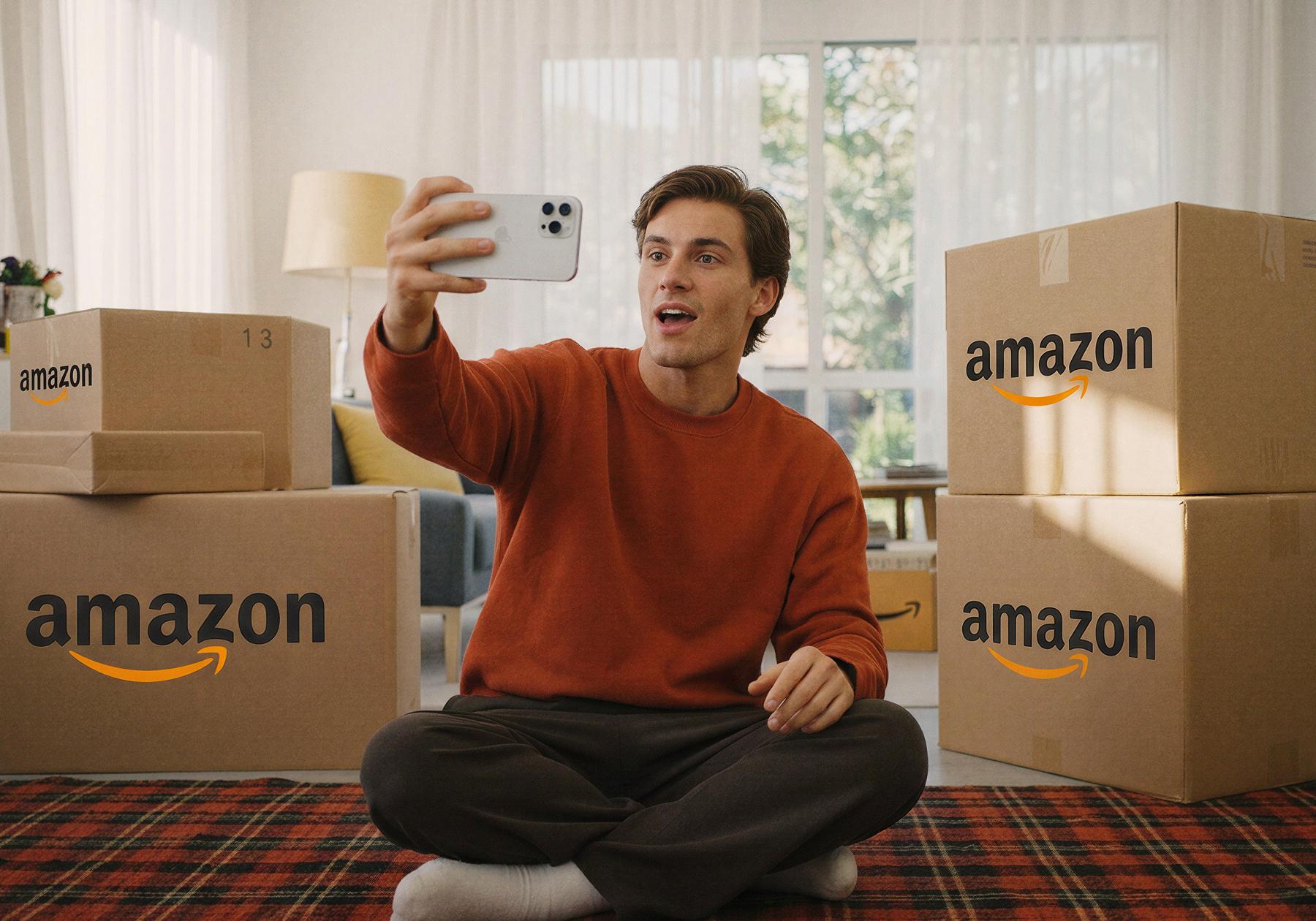
You don’t necessarily need a massive audience to become an Amazon affiliate or influencer, but Amazon does expect applicants to have an established public platform with original content and real engagement. The exact requirements and review process depend on which program you apply for.
Amazon Associates Program eligibility requirements
The Amazon Associates Program is open to content creators, publishers, bloggers, and other applicants with a qualifying website, mobile app, or supported social media account.
To apply, you’ll create an Associates account, provide information about your content and audience, and list every website or social media page where you plan to share Amazon affiliate links.
If you’re applying with a website, Amazon says your account or website should have recent, original content. All platforms included in your application must be publicly accessible and contain enough content for Amazon to evaluate them (at least 10 original posts before applying).
Amazon currently accepts Associates applications using the following social networks:
- Facebook open groups and fan pages, but not personal profiles
- X
- YouTube
- TikTok
- Twitch
You’ll need to submit the exact URL for your profile or page, and your account must also be public. Amazon says social accounts should have a substantive number of organic followers or likes, which means at least 500 in most cases.
After completing the initial signup, you can begin creating affiliate links. However, your application is not fully reviewed until you generate at least three qualifying sales within your first 180 days. After that, Amazon will review the platforms listed in your application to confirm they meet its content and customer experience standards.
Want to learn more about how Amazon Associates works? Check out this episode of Just Send It featuring Sal Farzin (@simplysalfinds).
Amazon Influencer Program eligibility requirements
The Amazon Influencer Program is designed specifically for creators with an established social media presence. During the application process, you’ll sign in with an Amazon account and connect a supported social media profile for Amazon to evaluate.
Amazon does not publish a follower minimum for the Influencer Program. Approval is based on the “overall strength” (audience size, engagement, content, and activity) of the social account you choose to connect. The good news is this means even smaller creators can qualify, as long as they have an engaged audience.
The Influencer Program application process is generally quicker than the full Associates review, because Amazon evaluates your connected social profile when you apply (as opposed to after the first 180 days). Approved creators can create an Amazon storefront and begin curating product recommendations for their audience right away. Just note that access to additional features — such as having videos displayed on Amazon product pages — may require a separate content review after acceptance into the program.
Which Amazon Affiliate Program Should You Apply For?

If you’re wondering which program to apply to, here’s the deal: Amazon Associates is a more accessible starting point for most types of creators (you only need 500 organic followers to apply). The main challenge is generating three qualifying sales within 180 days before Amazon completes its review of your application.
The Influencer Program is the best fit if social media is your main platform and you want an Amazon storefront where followers can browse all your recommendations in one place. But its approval criteria are less specific, so there’s no guarantee you will get accepted.
You can also start with Amazon Associates and apply for the Influencer Program as your social presence grows. Since the Influencer Program operates within Amazon’s broader affiliate system, the two aren’t competing programs as much as different entry points for different kinds of creators.
BTW, Affiliates Love Manychat

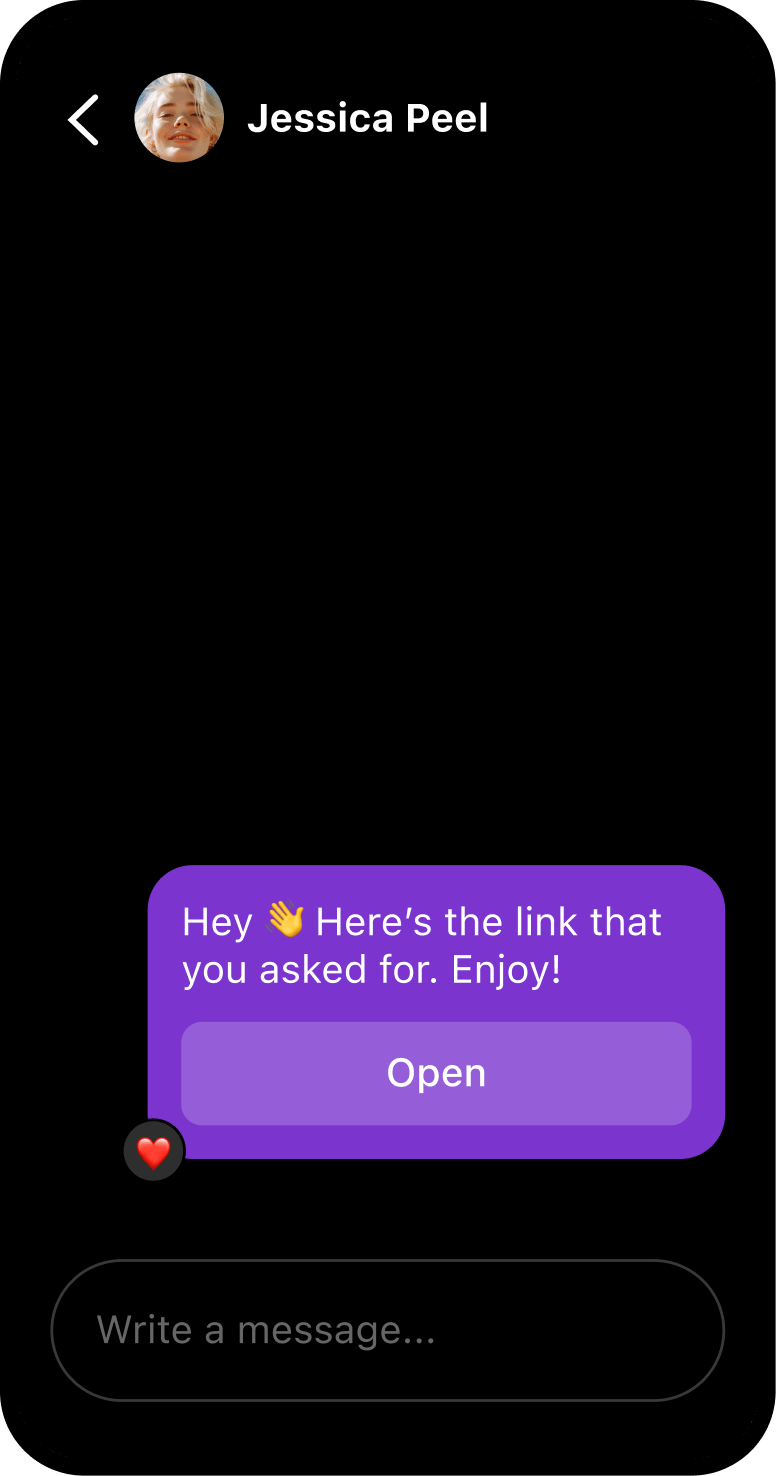
Affiliate creators love Manychat because it lets them automate sending product links to interested followers.
Instead of telling your followers to “check the link in bio!” or manually replying to all the comments in your notifications tab, you can ask people to comment a keyword on your post and have Manychat automatically send the appropriate product link to their inbox.
Want to learn how it works? Check out How to Set Up Instagram Quick Automation (A Comment-to-DM Guide)
Or, just get started — it’s free, so there’s really nothing to lose.
Frequently asked questions
Amazon Associates can create trackable affiliate links and earn commissions from qualifying Amazon purchases. The Amazon Influencer Program includes those same basic affiliate capabilities but is designed specifically for social media creators. Approved Influencers also receive a personalized Amazon storefront where they can organize product recommendations, photos, videos, and curated lists in one place.
When applying to Amazon Associates with a social media account, Amazon says the account should have a qualifying number of organic followers or likes (at least 500 in most cases). The profile must also be public, established, and contain original content that Amazon can review. Amazon does not publish a universal follower minimum for the Amazon Influencer Program; Influencer applicants are evaluated based on factors such as audience size, engagement, content quality, and activity.
Amazon Associates is generally the more accessible option because it is open to bloggers, publishers, app owners, and creators. However, Associates must generate at least three qualifying sales within 180 days before Amazon completes its review. The Influencer Program reviews a creator’s connected social account during the application process, but its approval criteria are less specific, and acceptance is not guaranteed.
Yes. The Amazon Influencer Program operates within Amazon’s broader Associates system, so an approved Influencer is also participating in Amazon’s affiliate ecosystem. Creators can start with Amazon Associates and apply for the Influencer Program later as their social media presence grows. The programs are better understood as two related entry points rather than completely separate or competing opportunities.


Originally published: Jul 22, 2026
More stories worth reading
More content that's too good to miss