From Scroll to Bankroll: Here’s Every Way to Monetize on TikTok
If you’ve been anywhere near a smartphone over the last decade, you’ve seen how social media has evolved from a place for sunset pics and food snaps into a serious income stream for creators.
TikTok, in particular, has gone from viral dance hub to one of the most powerful platforms for building audiences and businesses. Today, creators are cashing in on the platform through the Creator Rewards Program, TikTok Shop, and brand partnerships.
So, whether you launched your account to turn it into a side hustle or you’ve caught yourself scrolling and thought, “Hey, I could do that!”, this guide will walk you through all the ways you can go about translating screen time into revenue on TikTok.
TikTok Creator Rewards Program

TikTok’s Creator Rewards Program is the primary monetization option for creators on the app. The program is designed to reward accounts for publishing high-quality, original videos. It replaced the old Creator Fund in early 2024 and was built to address complaints about low payouts.
To qualify for the Creator Rewards Program, you need to meet some baseline requirements:
- Be at least 18 years old
- Have a Personal account
- Have 10k+ followers
- Have at least 100k views in the last 30 days
- Post original content that’s at least one minute long
- Maintain a personal account in good standing
If you’re thinking 10,000 followers is a lot, you’re not wrong: Most influencers (70%) have less than 10k followers. However, you can reach new people by posting consistently and engaging with users. (For more on that, check out Optimizing Your TikTok for Follower Growth.)
P.S. If you want to put engagement on easy mode and focus on creating content, you need Manychat. We’ll handle the DMing for you; you can focus on the choreography.
Sign up for Manychat now — it’s free
How the Creator Rewards Program works
Once accepted into the program, you’ll earn rewards based on qualified views (authentic For You feed views that last longer than five seconds). Your videos must reach 1,000 qualified views to begin generating earnings.
From there, payouts get measured in RPM (revenue per 1,000 qualified views), with higher rates going to well-crafted, engaging content. While exact payouts vary, many creators report making significantly more per view compared to the old Creator Fund.
Is the Creator Rewards Program right for you?
If you meet the requirements and frequently post original content, the Creator Rewards Program can be a solid income stream — but it’s not for everyone. Some creators thrive with it, while others find it too demanding or not a good fit with their content style.
Devin and Hunter Cordle (@thecordlefamily) reported earning five-figure payouts in a single month through the program, calling it a complete turnaround from the meager Creator Fund days. On a smaller scale, Sara Callahan (@sarac1409) used the program to pay down her credit card debt, generating about $1,400 in just two weeks by posting engaging daily walking videos.
However, other TikTokers find that it’s not worth the effort. Creator Gigi Robinson (@itsgigirobinson) explored the Rewards Program as a monetization option in the past, but ultimately, she decided to go another direction.
“It sounds really great if you are willing to invest 10 to 30 hours a week on it, but it did not work for me because I’ve never been that kind of creator,” she says.
TikTok Shop

TikTok Shop is the platform’s built-in ecommerce marketplace that lets users browse and buy products directly inside the app. Shoppers can purchase from the Shop tab, from links in their For You feed, Following, Friends feed, or LIVE streams, and even through search results.
To sell on TikTok shop, you need to:
- Be at least 18 years old (or meet their local age requirement).
- Follow TikTok’s Shop rules and Seller Terms of Service, which cover product listings, delivery standards, and return/refund policies.
TikTok Shop: Creator vs. Business accounts
Creators need a Personal account to join TikTok Shop as affiliates, where they can earn commissions by promoting products in their content. Business accounts can run full storefronts with inventory, listings, and direct sales.
In other words: creators promote, while businesses sell.
Confused about which account type to choose? Let us help: Business or Personal: Which TikTok Account Type is Best For You?
How TikTok Shop works
TikTok Shop gives both creators and businesses different ways to make money:
- Affiliate selling: Creators can add product links to their TikToks, Lives, or profiles. When someone buys through the link, they earn a commission. This is the easiest way for creators to monetize without holding inventory. Likewise, businesses can partner with creators to have them feature products through TikTok Shop affiliate deals, which expands reach while rewarding creators with commissions.
- Selling branded products: Both creators and businesses can sell merchandise, courses, or products directly in the Shop. Orders are processed through TikTok, and sellers are expected to ship items within two business days to maintain good standing.
- Livestream shopping: Many creators use TikTok LIVE to promote products in real time. Livestreams often convert at higher rates because they mimic the urgency and entertainment value of QVC-style shopping. Livestreams often convert at higher rates because they combine entertainment with real-time product demos, creating a sense of urgency that encourages viewers to buy on the spot.
Is TikTok shop right for you?
TikTok Shop can be a strong revenue driver if you have products to sell or the capacity to partner with brands as an affiliate.
Some small businesses and creators are seeing impressive results. Connecticut entrepreneur Alexa Curtis (@alexacurtisunfiltered) sold out of her local area-code hats through TikTok Shop, while brands like SooSlick (@sooslick) went viral with shoppable affiliate videos that racked up over 200 million views.
That said, it’s not a perfect fit for everyone. TikTok Shop requires fast shipping and strict compliance with seller rules, which can be overwhelming for solo creators. The platform also skews toward affordable, impulse-buy products — meaning higher-priced items may not perform as well.
Some sellers have also raised concerns about volatility in visibility and rules, making Shop better suited for those ready to treat it like a full e-commerce channel rather than a casual side hustle.
BTW, our YouTube Manager interviewed some creators who are crushing it on TikTok Shop:
Brand Partnerships and Sponsored Content
Brand deals are one of the most established ways for creators to earn money on TikTok (or any platform, for that matter). Here’s how they work: A brand pays you to promote their product or service, either through a sponsored post on your channel or by creating content they can use in their own marketing.
Unlike TikTok’s built-in monetization tools, these deals are negotiated directly with companies (here’s how you can negotiate brand deals like a pro even if you’re new to it) or facilitated through TikTok’s Creator Marketplace, which helps brands find creators who match their target audience.
How brand partnerships work on TikTok
Sponsored content can take many forms: a quick shoutout, a series of videos featuring a product, or polished campaigns that run as ads. The biggest benefit is that these deals can pay significantly more than TikTok-native monetization methods, especially when brands secure usage rights to boost your content as ads.
As Gigi says, “The creator is the billboard. If the brand wants to boost my content and use it like a commercial, that’s a win for both of us.”
Gigi also stressed the importance of long-term, authentic partnerships, pointing to her years-long ambassador role with Adobe (a product she’s used for over a decade). “When I promote Adobe, people know they can trust me, because I’ve literally been using it since I was ten. That’s the kind of partnership I believe in.”
Creators should only partner with brands they genuinely believe in; otherwise, they risk losing trust with their audience and coming across as a sellout. This is something crucial to Gigi, who turned down a five-figure campaign with a candy company because it required her to eat a product she’s allergic to.
“There’s no amount of money you could pay me to eat a chocolate bar that I know is going to make me sick,” Gigi says.
A good choice; most of Gigi’s audience knows about her health journey, and they’d be skeptical to see her promote something that doesn’t align with her personal experience.
Are brand partnerships right for you?
Brand partnerships can work for creators at almost any follower level, as long as they have an engaged audience. Many brands are increasingly interested in micro-influencers (10k-50k followers) and mid-tier creators (50k-500k) because their audiences tend to feel more connected and authentic compared to massive celebrity accounts.
Larger creators (with 500K+ followers) can command higher rates and longer-term ambassadorships, but this usually comes with more pressure to deliver consistently strong results.
Gigi’s advice for creators who want to lock down partnerships is to make a hundred list:
- 30 dream brands you’d love to work with
- 30 everyday brands you already use
- And brands you’d never partner with (we have to assume 40 of those, or forgive the math not adding up)
“Keep lists of everything you use — the clothes, the perfume, the makeup, the skincare, the tech, the food, the kitchen stuff. From there, you can use AI tools to brainstorm content ideas that naturally incorporate those brands into your posts.”
Gigi went on to make the point that brands are always listening — a little creepy, but true.
“Social listening tools are such a big thing right now that when you mention products organically, paid opportunities often follow.”
UGC Deals
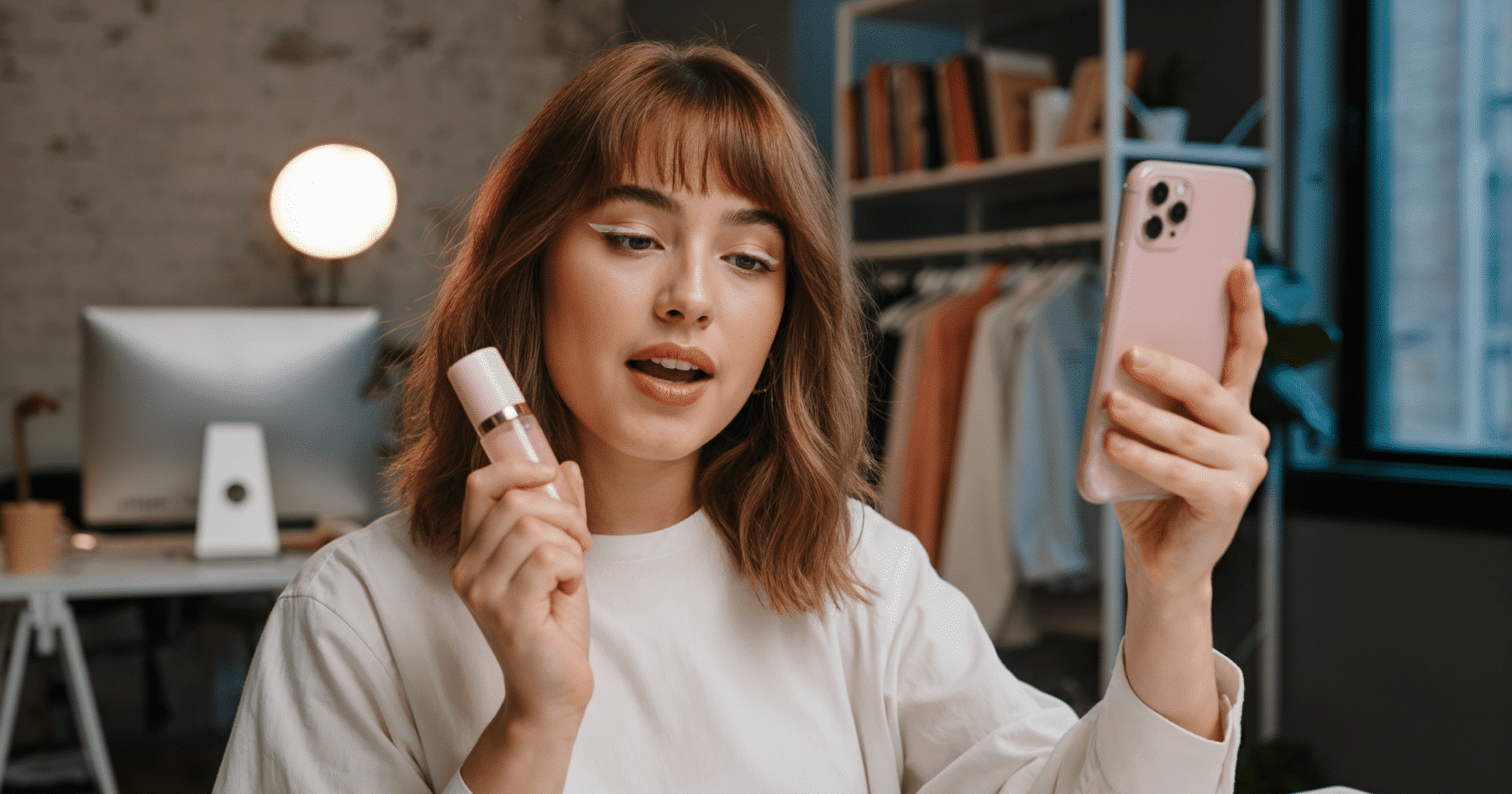
UGC (user-generated content) deals on TikTok involve brands paying creators to produce videos featuring their products or services, without requiring those creators to post the content on their own social media.
Unlike a sponsored post that goes live on your account, UGC deals often mean you’re hired to produce content that the brand will publish on their channels or run as ads.
How UGC deals work
For brands, UGC is appealing because it feels authentic and performs better than polished, studio-made ads.
For creators, it means you can get paid even without a huge following, since companies are buying your content creation skills rather than your audience reach.
We did some digging into two of the more reputable platforms where creators and brands connect for UGC (Billo and UGC Shop), and found these sample packages:
- Billo: Six TikTok videos for $500 or 14 videos for $1,000
- UGC Shop: Four TikTok videos for $1,200 or 16 videos for $4,000
Are UGC deals right for you?
UGC deals can be a smart entry point for creators who are confident in their content skills but don’t yet have a large following. Since brands are paying for your ability to create authentic, engaging videos (not your audience size), this path works well for beginners or those building their presence on TikTok.
That said, brands want videos that feel native to TikTok — not like staged ads — so you’ll need to stay up-to-date on trends and know how to tell a story in under a minute. If you’re looking for a relatively low-barrier way to start monetizing, UGC is worth exploring. And for creators who eventually want to land larger brand partnerships, these deals can double as portfolio pieces that showcase your skills.
TikTok Series

TikTok Series allows eligible creators to package premium content (up to 80 videos, each ranging from 30 seconds to 20 minutes) behind a paywall.
Viewers purchase access via in-video links or through the creator’s profile, unlocking exclusive, long-form content directly within the app.
Series can be made by TikTok creators with public Personal accounts who meet these requirements:
- Be at least 18 years old
- Account active for at least 30 days
- Posted three or more public videos in the last 30 days
- Have 10,000+ followers and 1,000+ views in the past month
- Content must be original and adhere to TikTok’s policies
FYI: Some regions allow Creators with Business accounts to make Series as well.
How TikTok Series work
Creators define a price (ranging from $1 to $190, depending on content value) and post their Series through TikTok Studio or the Creator Academy portal. Viewers pay to unlock and view the full collection, and creators retain all revenue. TikTok typically reviews Series content for policy compliance before allowing distribution.
Are TikTok Series right for you?
Series can be a great fit if your content naturally lends itself to longer-form or episodic storytelling. Formats like story times, tutorials, educational lessons, or serialized entertainment work best since viewers are more likely to pay for structured, in-depth content rather than quick, viral clips.
Success with Series also depends on having an engaged audience that sees value in paying for premium access. Suppose your followers already ask for “part two” of your videos, want more behind-the-scenes insights, or consistently request tutorials and deep dives. In that case, they may be willing to support you financially.
If most of your content is short, spontaneous, or trend-driven, you may find it harder to convince viewers to pay for access.
Tips and Gifts

TikTok offers a few direct fan-support features: Tips, Gifts, and LIVE monetization. Unlike brand deals or affiliate sales, these tools let audiences contribute directly to their favorite creators. Notably, Tips and Gifts are creator features, so they’re only available to users with Personal accounts.
How Tips on TikTok work
Fans can send money directly to creators through TikTok’s Tips feature, powered by Stripe. TikTok doesn’t take a cut, though Stripe may charge processing fees.
To be eligible, creators must:
- Be at least 18 years old
- Be a member of Creator Next
- Have at least 100,000 followers
- Have a verified Stripe account for payments
Once enabled, 100% of the tip goes to the creator.
How Gifts on TikTok work
Gifts are virtual items fans can use to show their appreciation for your TikTok content. Users can send Gifts while browsing their feeds or watching a TikTok LIVE.
To send Gifts, users must purchase TikTok Coins through the app or website. Each Gift has a Coin value, and when creators receive them, they’re converted into Diamonds, which can be exchanged for cash.
Are Tips and Gifts right for you?
Tips and Gifts are best suited for creators with an engaged fan base that enjoys live content and community-driven experiences. While these tools may not deliver the same revenue as long-term brand partnerships, they offer a reliable way to supplement income and strengthen fan loyalty.
Take Australian creator Jakey Boehm (@jakeyboehm). Known as a TikTok “sleepfluencer,” he started on the platform running nightly livestreams where viewers could send Gifts to trigger lights or sounds that wake him up. This unique format reportedly earned him $34,000 in a single month, demonstrating that creativity combined with fan engagement can turn even sleep into a monetization strategy.
Ready to Cash In?
Making money on TikTok and other social media platforms isn’t as quick and easy as some creators might have you believe. It takes consistency, some creativity, and a whole lotta tenacity.
As a next step, consider which TikTok monetization options make the most sense for you at this time (you can always adjust your strategy in the future). The key is to start experimenting, pay attention to what resonates with your audience, and lean into the methods that feel sustainable and authentic to you.
Or, as Gigi explains, the goal should be to move beyond short-term payouts:
“A lot of creators don’t understand the idea of graduating from the content world and building a legitimate business. You should work on building your platform to the point where you have enough capital to fuel a real business.”
For Gigi, the real business has been her children’s book and Hosts of Influence, an education platform designed to transform creators into thought leaders, launching soon. Her following on TikTok, Snapchat, and Instagram was never the end goal, just the fuel she needed to build something bigger.
So the question is: How will you use your platform to build your business?
✋Frequently Asked Questions (FAQs)
1. How do I know which monetization stream to focus on first?
Start with the option that feels most natural to your content. If you already create tutorials or longer videos, try the Creator Rewards Program. If you’re comfortable selling or demoing products, TikTok Shop may be a good fit. Think about what kind of content your audience engages with, and build from there.
2. How much should I charge for brand partnerships or UGC deals?
It depends on your following, engagement rate, and the agreed-upon usage rights and terms. Micro-influencers (10K to 50K followers) often charge $100 to $500 per post. Mid-tier creators (50K to 500K followers) can earn $1,000 or more per post, while large creators (500K followers and up) often charge $5,000 to $10,000+.
3. Can I combine multiple monetization methods at once, or is it better to stick with one?
You can and should combine monetization methods. Many successful creators earn from both TikTok Shop and brand partnerships, while also running Series or UGC deals. Diversification protects you from algorithm or policy changes.
4. How do I scale beyond TikTok monetization into a real business?
Use TikTok to fuel bigger plays: Build an email list, launch a product line, offer services, or create paid content off-platform (e.g., Patreon, Substack). Treat TikTok as your top-of-funnel channel, not your entire business.
5. What’s the best way to increase engagement so I can maximize earnings across all these monetization methods?
Consistency and interaction are key: reply to comments, go live, and create content that invites responses (such as polls, questions, or challenges). You can also use Manychat to automatically respond to comments and messages, freeing up your time to focus on creating.