The path to becoming a creator isn’t a neat, connect-the-dots process. For some, the road is jagged, full of detours and reinventions. Success doesn’t come from following a script: it comes from refusing to be erased.
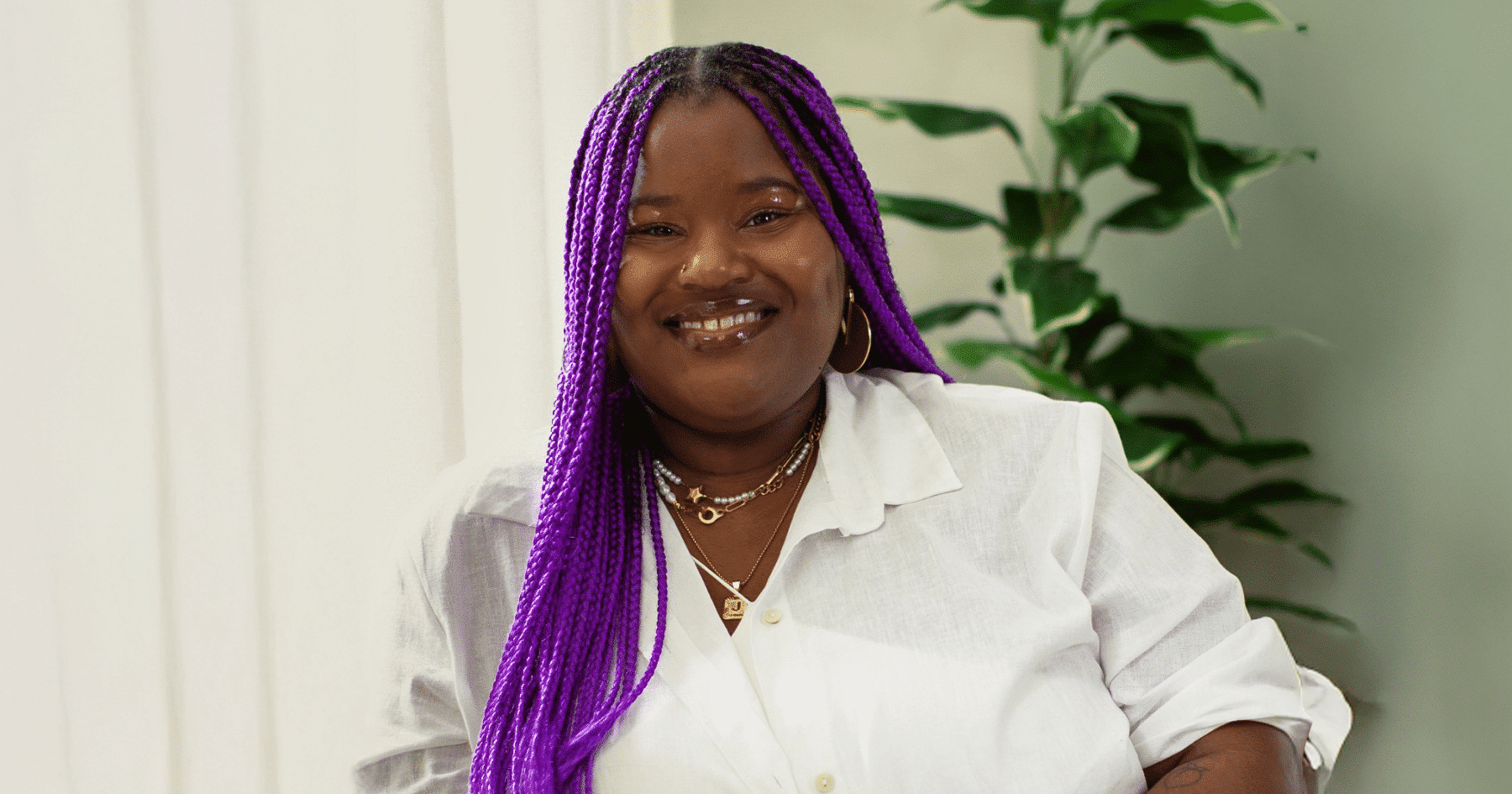
Jayde I. Powell has spent the last four years turning those contradictions into currency. A former corporate social media manager who got tired of being overlooked and underestimated, she’s now one of the most visible voices shaping how creators build sustainable brands. Her text-first wit made her a Twitter girl at heart; her candor has made her an approachable force on LinkedIn; and her larger-than-life sense of community — especially for Black creators — has made her a cultural anchor in an industry that often tries to side-step voices like hers.
“Hiring creators inspired me to become one. I thought, I can do this too — and I made the leap. I haven’t looked back in four years.”
Building in Public
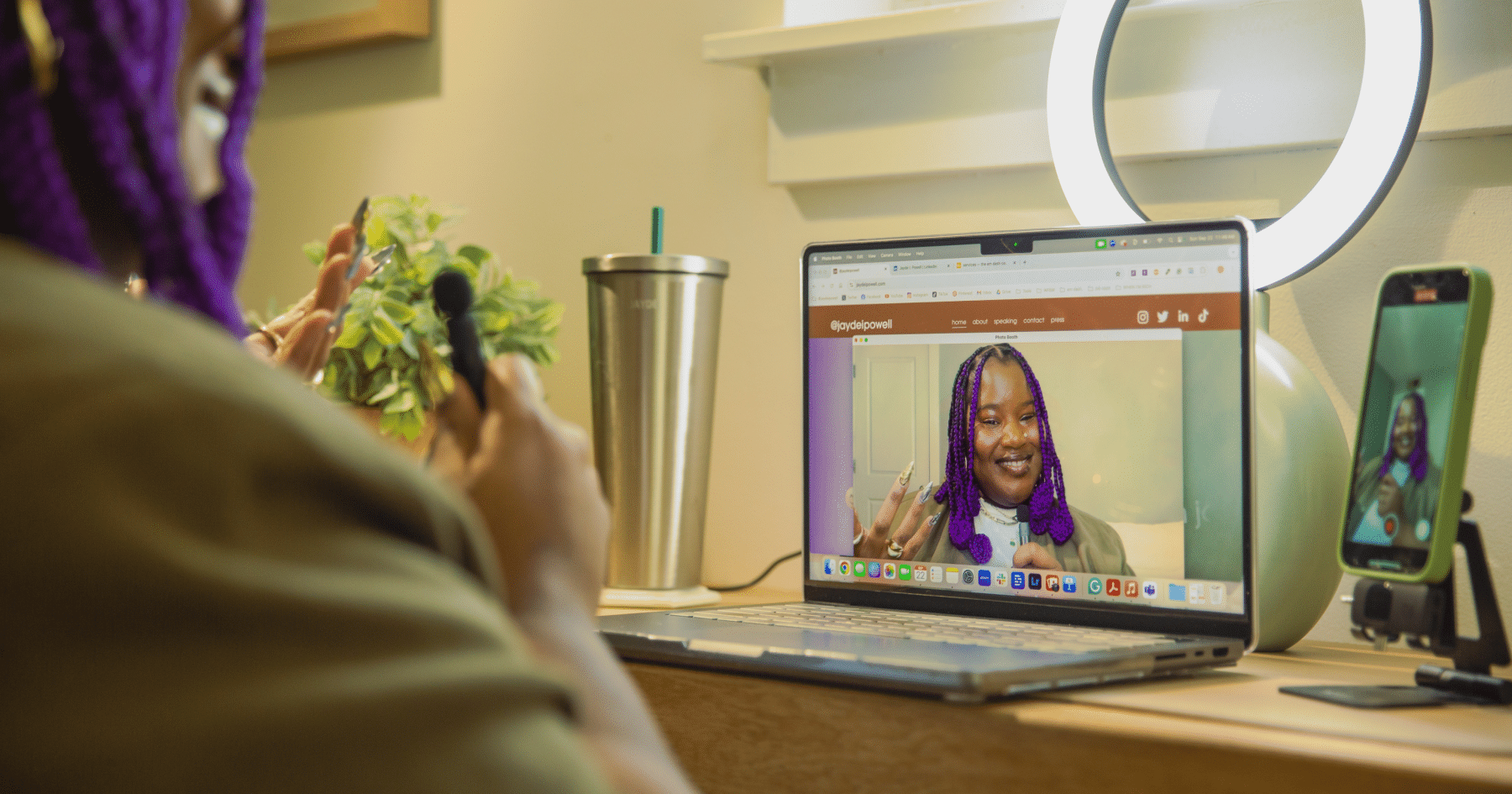
The Clermont Lounge is the kind of Atlanta landmark that doubles as both myth and rite of passage. Powell once celebrated a birthday there, part photo shoot, part chaos, all neon-lit proof that she doesn’t take herself too seriously. That looseness — a blend of humor, confidence, and transparency — permeates her work. She’s the creator who’ll talk about losses in the same breath as wins, who laughs at the idea of being untouchable even as her audience keeps growing — with her.
Where others posture as experts, Powell builds in public. Where corporations dismissed her ideas, she carved out her own path. She’s a case study in what happens when someone stops waiting to be recognized within someone else’s system and decides to carve her own.
To support those launch campaigns, Powell spent her time talking with creators in the community, getting to know their work and their stories. “It was hard not to fall in love with people like that,” she said. At the same time, she was already creating reels and producing content for her company’s social channels — “inherently a creator, just internally.”
But seeing those creators up close pushed her further. They showed her another way forward. “I was honestly already ready to transition out of working for people,” Powell explained. “So I made that leap and did everything myself.”
It’s not surprising, considering that at just 18, Powell started her own cupcake business called Whisk. She’s always had that DIY spirit.
Becoming Your Own Boss
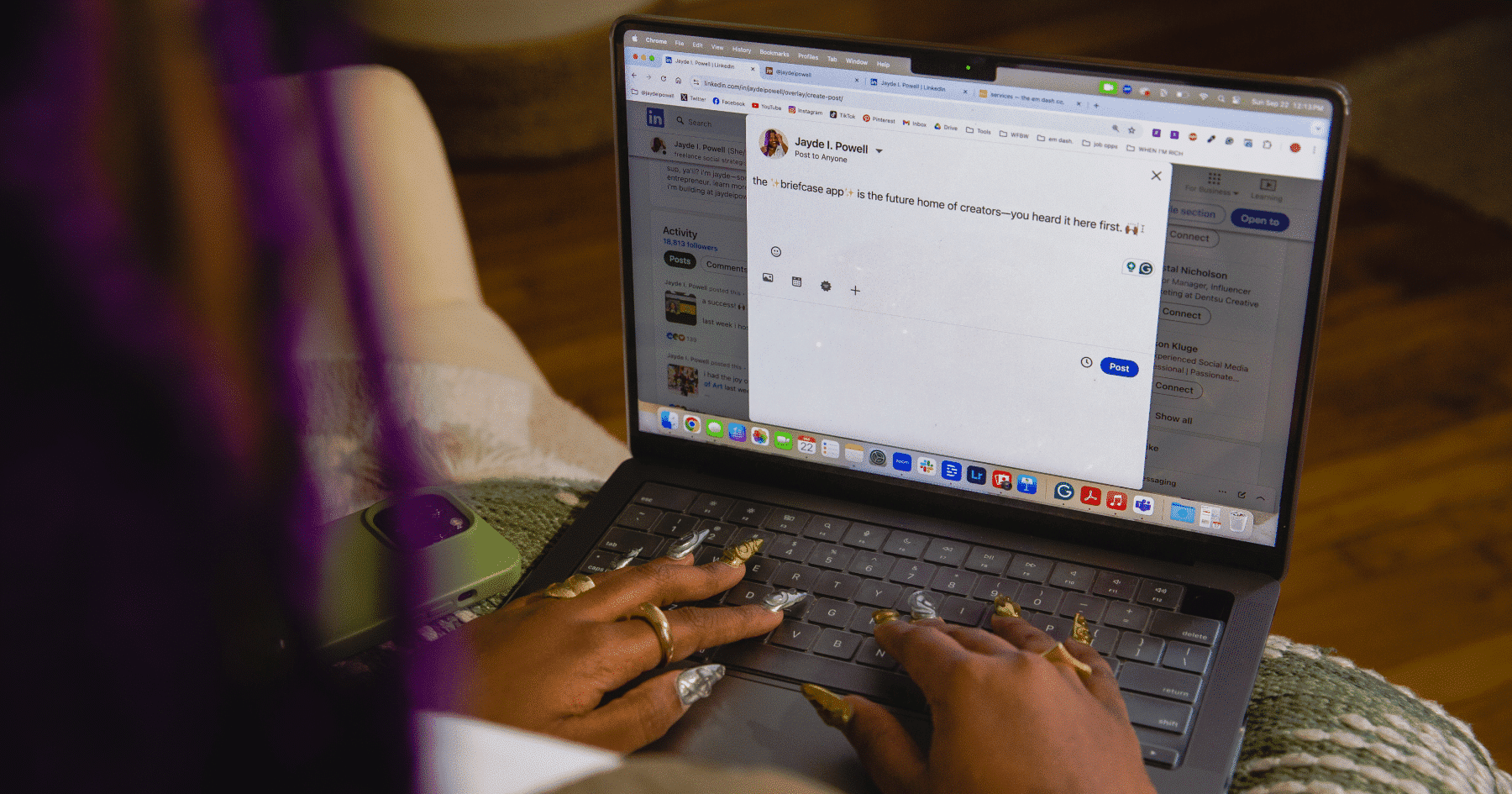
That leap of faith in believing in herself has worked out. People follow what she does across social media and appreciate that she has landed some A+ partners to work with, such as Netflix, Timberland, and Coca-Cola. However, despite her successes, she maintains a core of herself that many in the social media space lack: boundaries.
“I’m very transparent — but I still have boundaries. I don’t air out all my business on the timeline. The thing is, even knowing I have a personal brand, I don’t make myself feel unapproachable. That’s intentional.”
“It’s easy in this space, especially twelve years in, to put out this energy like: I’m the expert, I know it all, listen to me. But there’s something more interesting — and real — about building in public. Showing people your journey. Showing that you don’t know everything.
That’s what makes people feel like I’m approachable, whether through my content or in real life. I never want to paint a picture where what I’m doing is perfect. This is a process. I’m learning as I go. I have wins, but I also have losses, and I try to communicate that consistently.“
Corporate life taught her lessons the hard way. “I’d gone through four full-time jobs, and it wasn’t that I hated them; they weren’t the right environments. When you’re the first person in your family to step into those spaces, nothing really prepares you for the politics or what it takes to secure a promotion.”
After four companies, she realized, “This isn’t working.” Instead of forcing it, she needed to do something else. Talking to creators inspired her to become one. She’d been working in social media for so long, she had to make the switch from doing it for brands to doing it for herself.
The Push
“I’ll give you an example. I worked at a cannabis company as their only social media manager. Our CMO set a goal: hit 10,000 followers on Facebook. I rallied the entire team — coworkers, dispensary staff across the country — and we crushed it. Surpassed 10k.
Then, at our company’s all-hands meeting, the CMO stood up and said, ‘As you’ve all seen, we hit our goal on Facebook.’ He looked in my direction and gave credit to a white woman on my team. I was the only social media professional there. No one else could have done that work.
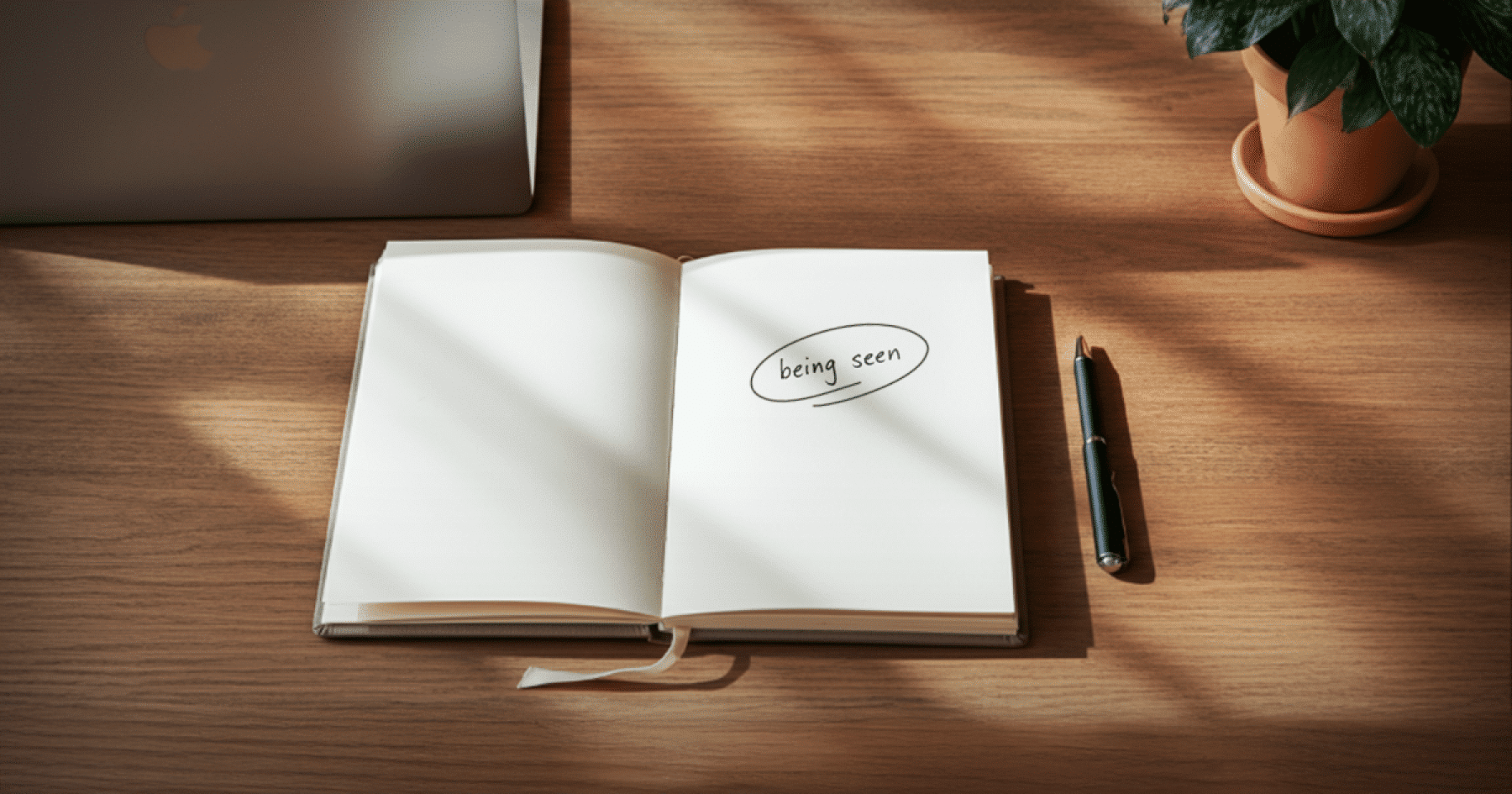
That was the moment I realized: it doesn’t matter how hard you work or how much you deliver. What matters is being seen.”
Her story isn’t unique. According to McKinsey, Black employees are 23% less likely than their white peers to say their contributions get recognized at work — a gap that grows even wider in marketing and creative industries. Powell’s story is one example of how talent can be overlooked — and contributions erased — when the person behind the work doesn’t look like the majority in the room.
Inspiration All Around
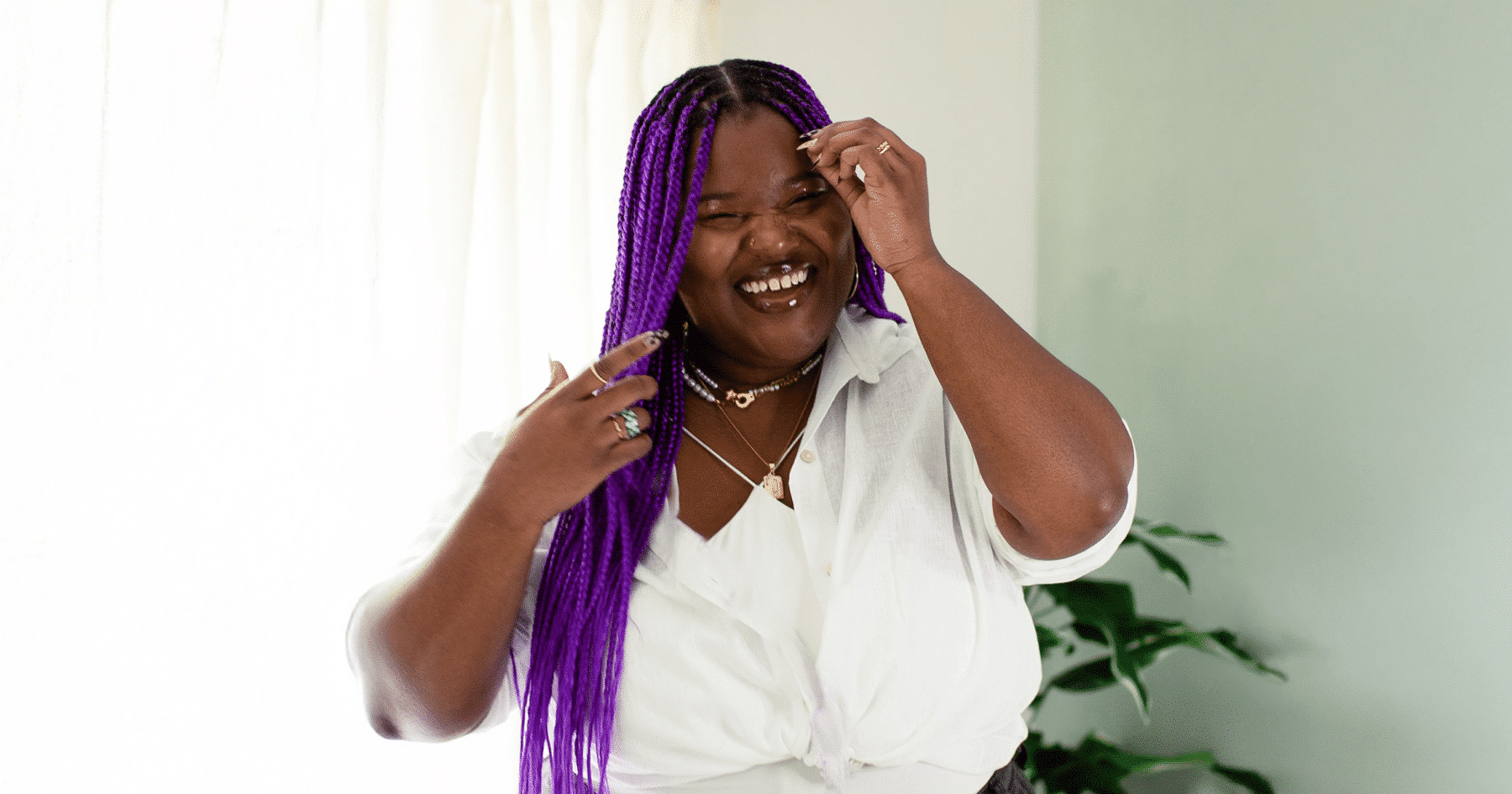
Powell still calls herself “a Twitter girl”—that’s where she built her first community, firing off thoughts from her phone that resonated far beyond her circle. Writing remains her most natural form, but over time, she’s layered in video, design, and other formats, each serving a different purpose. Her tone — equal parts humor and honesty — made her a standout on LinkedIn, where she’s grown her biggest following.
When it comes to inspiration, she points to bell hooks for her work on intersectionality and RK Jackson for his razor-sharp wit on Twitter. Baldwin’s The Creative Process sits close at hand in her office, a reminder that creativity is a long game, one built on pivots, growth, and sustainability.
When asked about her heroes, Powell doesn’t hesitate: Beyoncé. But she’s quick to add that her real inspiration comes from the Black creator community she’s built around her. Despite inequities in pay and recognition, she calls them “the most creative beings I’ve ever witnessed,” a constant source of energy and connection. “Love us for real,” she says.

Originally published: Dec 3, 2025, Updated: Dec 4, 2025
More stories worth reading
More content that's too good to miss