The Creator Economy’s Dirty Secret: You’re Not Building a Business, You’re Auditioning
A social media creator is standing on quicksand. No matter how solid the ground may seem, one shift and they could be swallowed like a lizard and a chicken’s egg. The myth of the creator economy suggests that everyone starts equal — build an audience, and success is just a click away. But that’s where the illusion cracks. Followers don’t equal freedom or income, and if the platform’s algorithm changes, you could be out of cash flow overnight.
Platforms own that space. You’re just leasing a square of land.
Ask the ghosts of Vine: Brittany Furlan or King Bach, who had millions of followers one day and nothing the next when the app went dark. Or ask YouTubers like Hank Green, who’s been demonetized and throttled by algorithm updates despite being YouTube’s resident science teacher.
“Everybody wants the spotlight,” Richard Pryor once said, “but nobody wants to see who’s holding the switch.”
Building on Rented Land

Most creators can’t survive on audience alone. Platforms reward access, not authenticity, and that’s a jarring realization for anyone trying to make stuff that matters. The ground beneath your feet isn’t just unstable — it was never really yours to begin with.
Brand deals are the way most creators make money. But the secret is that it’s not about follower count — it’s engagement. Metrics have moved long past likes and shares. What matters now is who gets people talking, who people believe in, who becomes an avatar of their audience’s interests.
That’s the real economy: connection. Followers might scroll past you, but a true community listens, responds, and shows up. Brands want creators people feel allegiance to — the ones who can move product because they’ve built trust, not just reach.
The numbers back this up. Micro-influencers — those with smaller, tighter audiences — average 3.86% engagement, compared to 1.21% for mega-influencers. Meanwhile, 62% of social media users say they trust influencers over A-list celebrities.
Platforms measure your worth by how much belief you can generate per post. Belief drives conversions, gets brand deals, and becomes currency.
The Invisible Divide

There are two creator realities: some folks make crazy money, and everyone else might make a dollar here or there through merch sales or a small brand deal. These two are not the same.
A small group makes absurd money: sponsorships, retainers, and brand deals that rival Hollywood budgets. Everyone else hustles for scraps: a few bucks from merch, an occasional free product, maybe a one-off deal that barely covers rent.
The Audience Economy
This is where you think you are.
- Followers, likes, and views = supposed success
- The myth of meritocracy: “If you go viral, you’ll make it”
- Platforms sell the dream that visibility equals stability
- You grind for metrics that don’t translate into real leverage
The Access Economy
This is where the money actually is.
- Brand-manager relationships and PR lists
- Agency representation and talent pipelines
- Platform favoritism — who gets early access to new tools
- Invite-only events, algorithmic boosts, and private creator Slack channels
- The rooms you don’t even know exist
Translation: The Audience Economy is the fancy showroom. The Access Economy is the back office where deals get made.
Millions watch. A chosen few get in.
The Modern Casting Couch
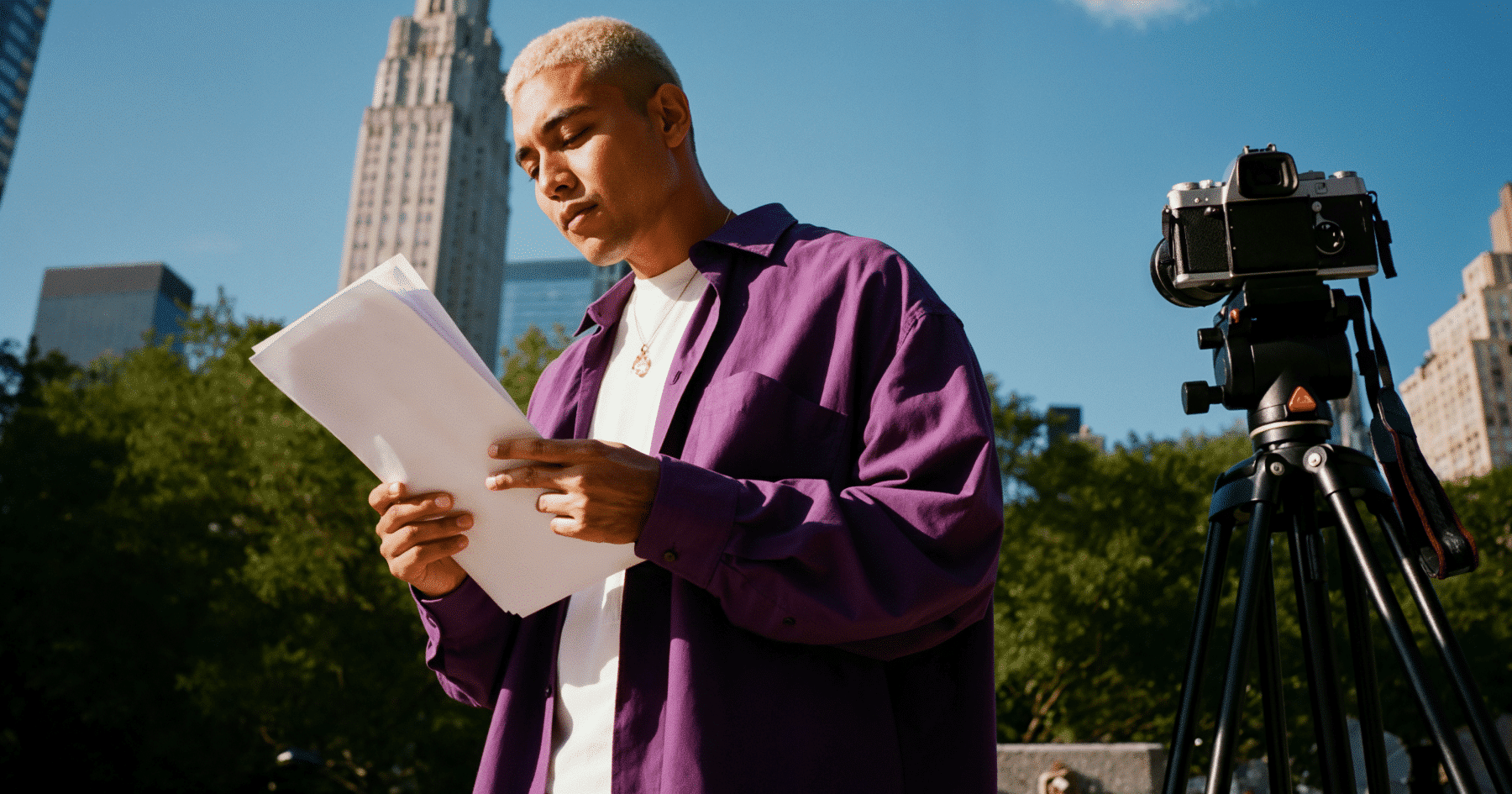
Look, I’m not saying you have to be a gorgeous model to make it in the world of clicks and shares. But there are complex levers within social media: algorithms, agencies, managers, brand reps, analytics people, business coaches, and a whole world dedicated to the business of being online.
Old Hollywood had creepazoid casting couches. Today’s version is more sanitary: algorithms, agencies, and brand managers with ring lights. The deals don’t get made because you’re talented; they get made because someone at a PR firm can trust you not to say something off-brand on a podcast. Brands don’t want creativity; they want control, reliability, and relationships.
The guy with two million followers and a messy breakup? He’s probably not getting the call. But then again, maybe he is — if his brand is drama (and it’s the right kind of drama), then it’s aligned with the audience. See how murky it can get?
Meanwhile, “Access Insiders” like Emma Chamberlain or Alix Earle glide between brand trips and Vogue spreads, pulling checks bigger than those of creators twice their size, because they’re considered safe investments. Picture it: one creator is in Tulum, sipping complimentary cocktails and tagging #ad with the precision of a Swiss watch; another sits at home hunched over their phone, reverse-engineering the algorithm like it’s the Dead Sea Scrolls, wondering why the world keeps rewarding people who already got the invite.
The Velvet Rope Economy

The social-media X-factor is simple: constant creation. Platforms need an endless buffet of reels, TikToks, carousels, hot takes, and confessionals — a 24/7 content factory powered by unpaid labor. Pull the camera back, and it’s easy to see the design: the platforms are the landlords, and creators are the tenants. You don’t own the land; you just keep the property values high. The algorithm is your lease, and when it changes, you can get evicted overnight.
Ask Twitch streamers who lost income after Amazon’s payout cuts. Ask YouTubers like Casey Neistat or Lilly Singh, whose empires shrank when the algorithm shifted to Shorts. Ask TikTok educators who woke up one morning shadow-banned for “content violations” no one could explain. Platforms profit from that confusion; it keeps you chasing the next post like a gambler feeding a slot machine.
The math’s brutal: TikTok’s worth over $250 billion. How much money did creators make them last month? Plenty.
The Con Within the Con
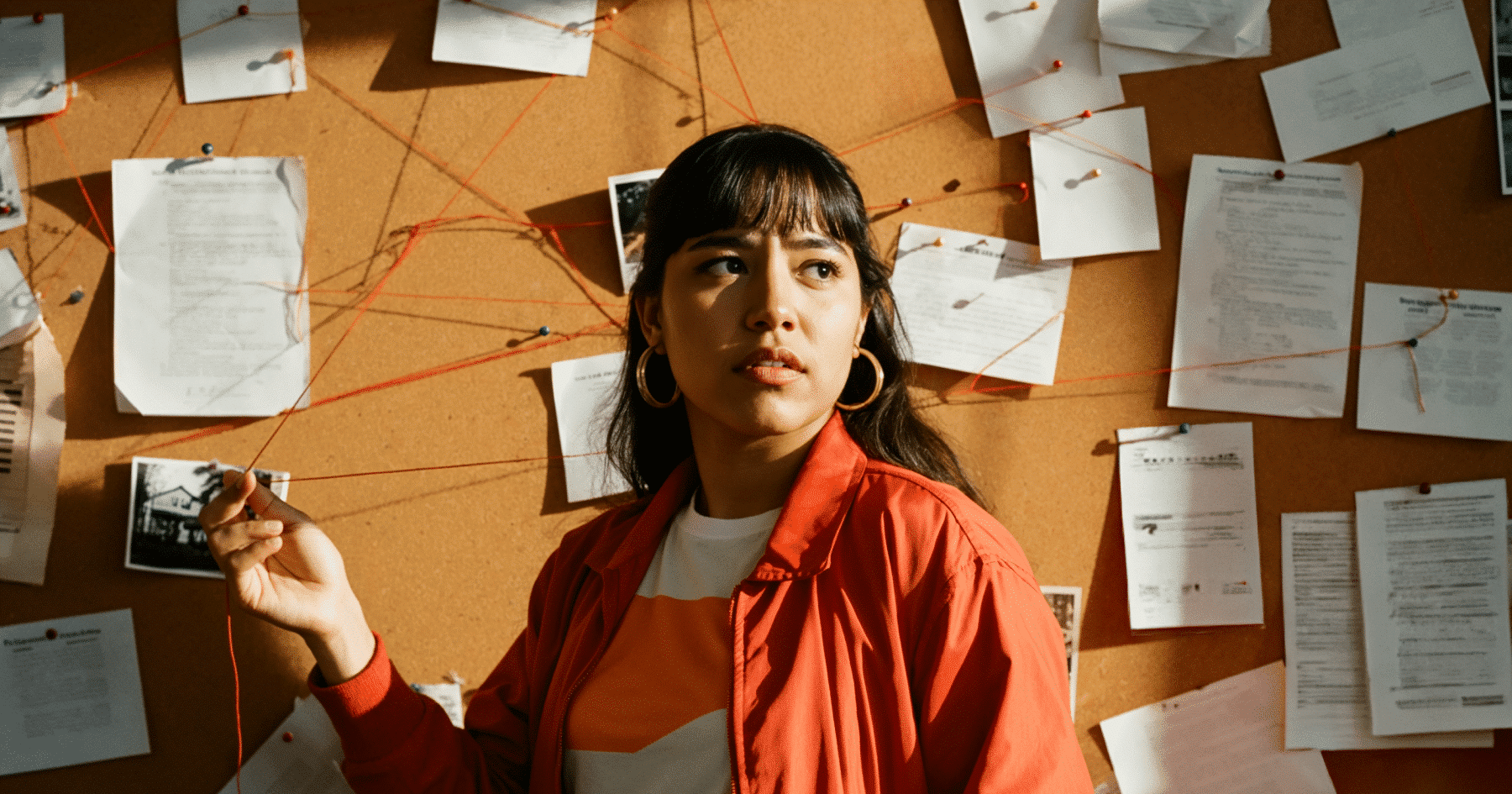
Just when you think you’ve cracked the code — “Build your email list! Own your audience!” — the game flips again. That advice sounds empowering until you realize that even independence comes at a cost, including money, time, and infrastructure, which most creators don’t have. The ones who “made it” weren’t bootstrapping from scratch; they had connections, capital, or a safety net they don’t mention in their TED Talks. The success stories that flood your feed aren’t proof that the system works; they’re proof that it rarely does.
Because here’s the darker truth: even the winners are still renting. One platform ban, one cancel wave, one algorithm tweak, and the empire collapses overnight. Nobody owns the land; everyone’s just praying the ground holds another day.
The Real Stakes

This isn’t about follower counts, it’s power. The creator economy mirrors the same wealth inequality and nepotism that define the broader economy. Millions of people are performing unpaid labor at scale, enriching platforms that will never acknowledge their contributions. The access-heavy creators, the ones with management teams and brand retainers, become our cultural tastemakers not because audiences chose them, but because gatekeepers did. The result is a feedback loop where visibility doesn’t equal opportunity; it just reinforces hierarchy.
When TikTok darlings land Super Bowl commercials while independent journalists and artists grind for pennies, you start to see the shape of it. The question isn’t whether creators can make a living, it’s what kind of culture we’re building when the loudest voices are the ones the system handpicked.
The Ground was Never Yours, but it Could Be
Remember that quicksand? You’re still in it. You were never standing on solid ground — just shifting code, fickle algorithms, and borrowed attention. The creator economy sells the illusion of entrepreneurship, but what it really offers is platform labor dressed up as freedom. You’re not the business owner; you’re the content supply chain.
So treat yourself like the business, not the platform.
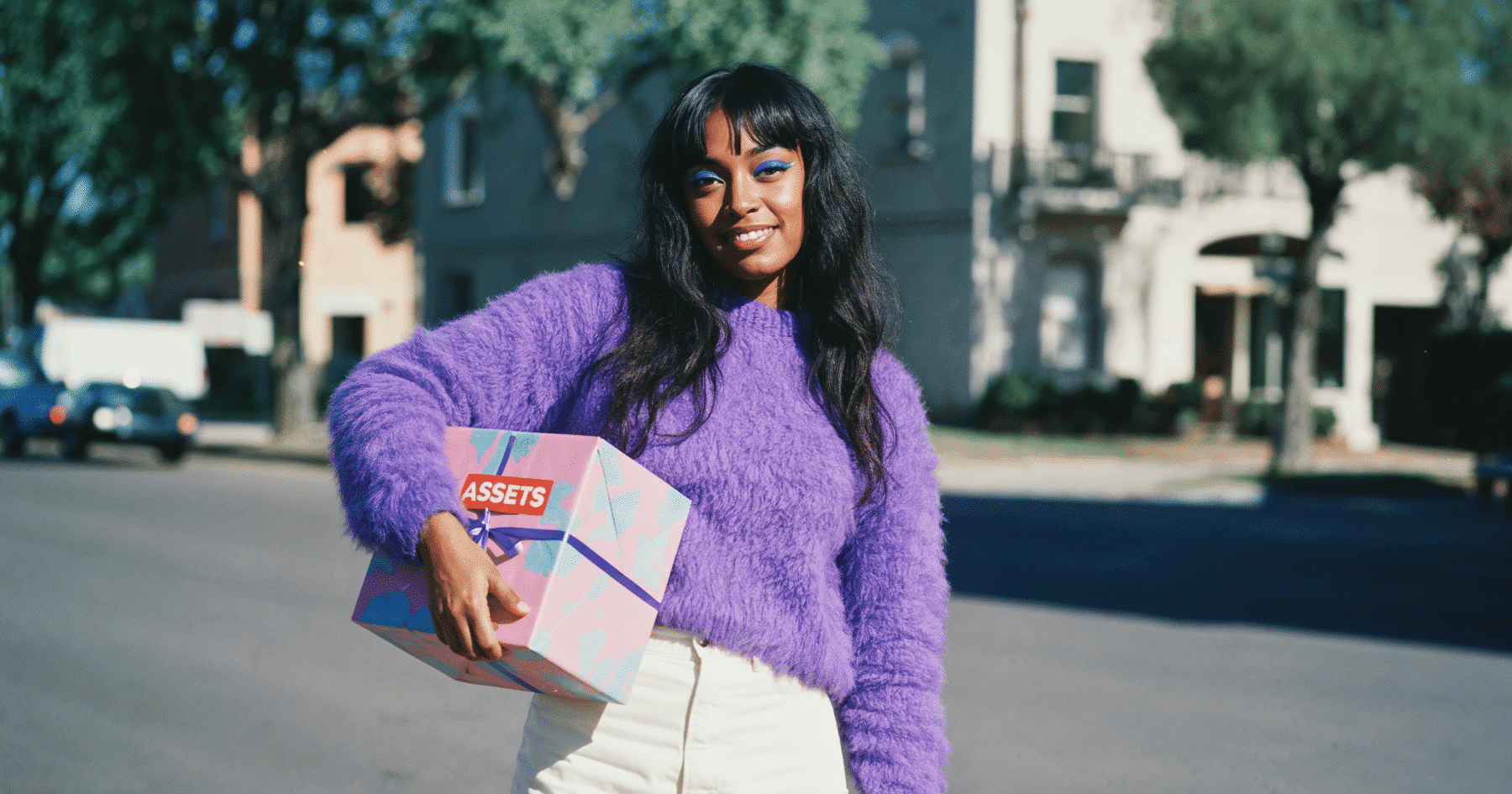
Own your infrastructure: build an email list, keep a website, store your audience somewhere that can’t disappear overnight. Diversify. Post in a few places, not just one. Make things that can live beyond an app: essays, products, mailing lists, workshops, whatever makes sense for you. Create assets, not just posts.
Check in with the characters we’ve met along the way: the creator with the “Access Insider” pass is still chasing the next deal; the one at home reverse-engineering the algorithm is still posting into the void, praying the views come back. Both are treading the same unstable terrain — one just has better lighting. The difference is who’s quietly building a bridge off the sand.
The ground beneath your feet was never really yours to begin with. So, you need to fight back to ensure the quicksand becomes firmer ground.

Originally published: Nov 12, 2025, Updated: Nov 19, 2025
More stories worth reading
More content that's too good to miss