The Monetized Self: How the Creator Economy Hijacked Personal Identity
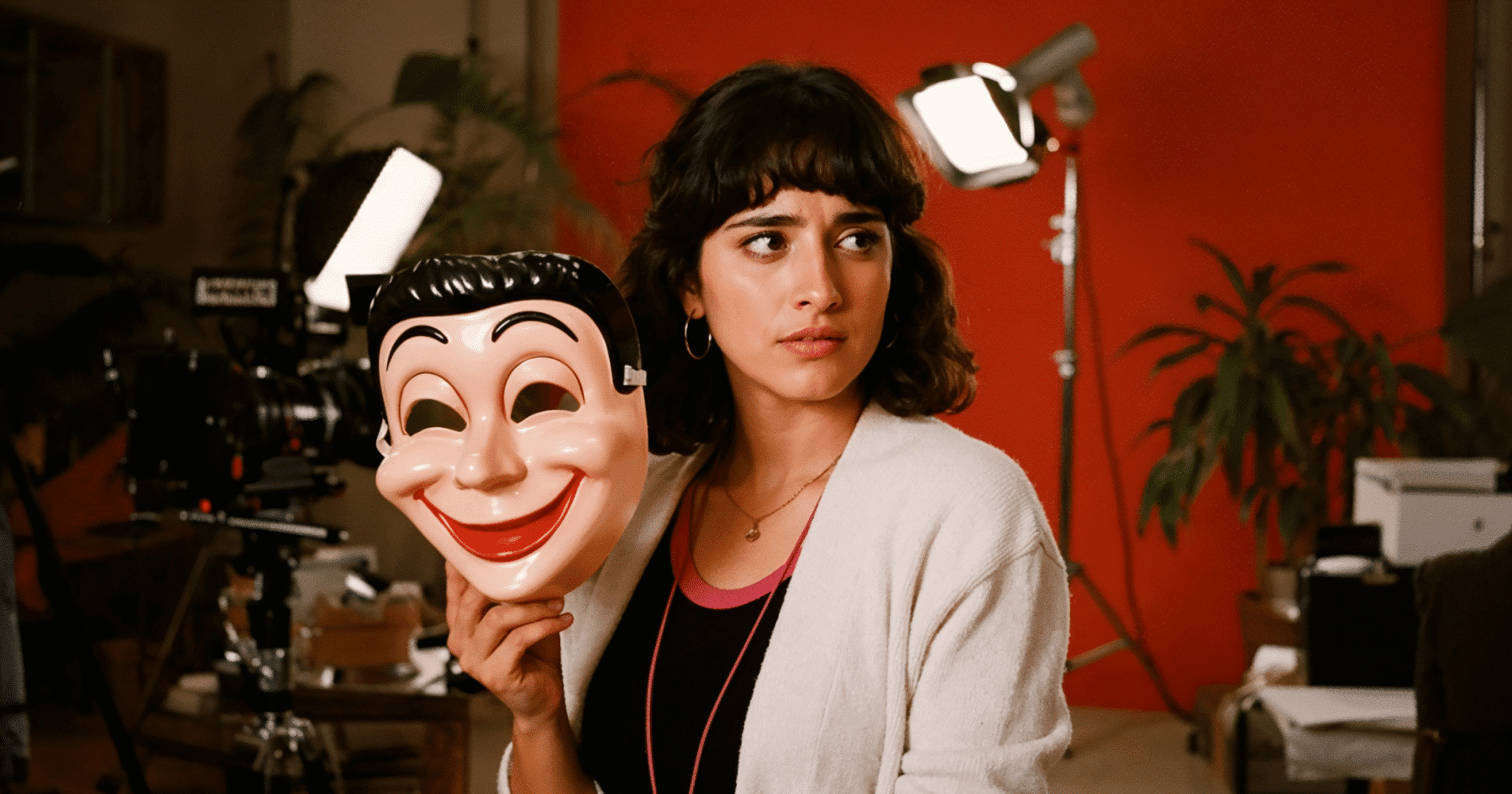
Epictetus said, “Man is not disturbed by things, but by the view which he takes of them,” which takes us to the eternal question: how do you maintain clarity when someone is absolutely losing their shit on camera?
You’ve seen it before. A creator melts down over their life, and the crisis becomes content. Vulnerability converts into capital. The paradox: authenticity no longer means self-expression — it’s a strategy for performance and profit.
The Economics of Identity

Somewhere along the way, identity itself became a revenue stream. What once lived in the edits of television now pours out through the raw, unending feed of social media. Creators are expected to broadcast 24/7. The attention economy reframes selfhood as a commodity, rewarding extreme personality traits and manufactured drama through algorithms designed to amplify engagement.
In this system, the self is both product and producer, demanded to supply constant content for visibility. The costs are clear: burnout, psychological strain, and authenticity hollowed into the performance of “being real.” Taking a break isn’t an option for some — you can see it in people talking to their phones in the shower.
We don’t need that content. We need boundaries.
The Commodification Pipeline

On the opposite end of the spectrum was George Carlin, stating, “Behind every silver lining, there’s a cloud.” And when you’re capitalizing on trauma for views, the line between sharing and exploitation blurs. More than 52% of creators report burnout, with 37% considering quitting altogether. Some surveys push the numbers higher — up to 90% reporting burnout, and 71% saying it made them think about walking away.
When people spill their family dramas, mental health, or private lives, there should be a line. You’d hope so. But entire generations grew up with their monetizable selves forming alongside their identities.
Do some become so accustomed to performance that they can’t separate from it?
It’s a Black Mirror hellscape: every aspect of the self-staged for “The Gram.” Are we one step away from selfies at Nana’s casket, tears streaming, hoping for reach? If Jake Paul walking through Japan’s suicide forest is a metric of self-absorption, the answer is bleak.
Research shows platforms don’t just reflect identity — they shape it. Adolescents and young adults tie their self-worth to likes and algorithmic feedback, creating what psychologists call a “contingent self-concept.” Instead of growing through trial and error, they learn to edit themselves for visibility. The “personal brand” replaces personality, rewarding consistency and drama over complexity.
The self becomes less a process of becoming and more a product for consumption. (Also bleak.)
Platform Incentives vs. Human Psych
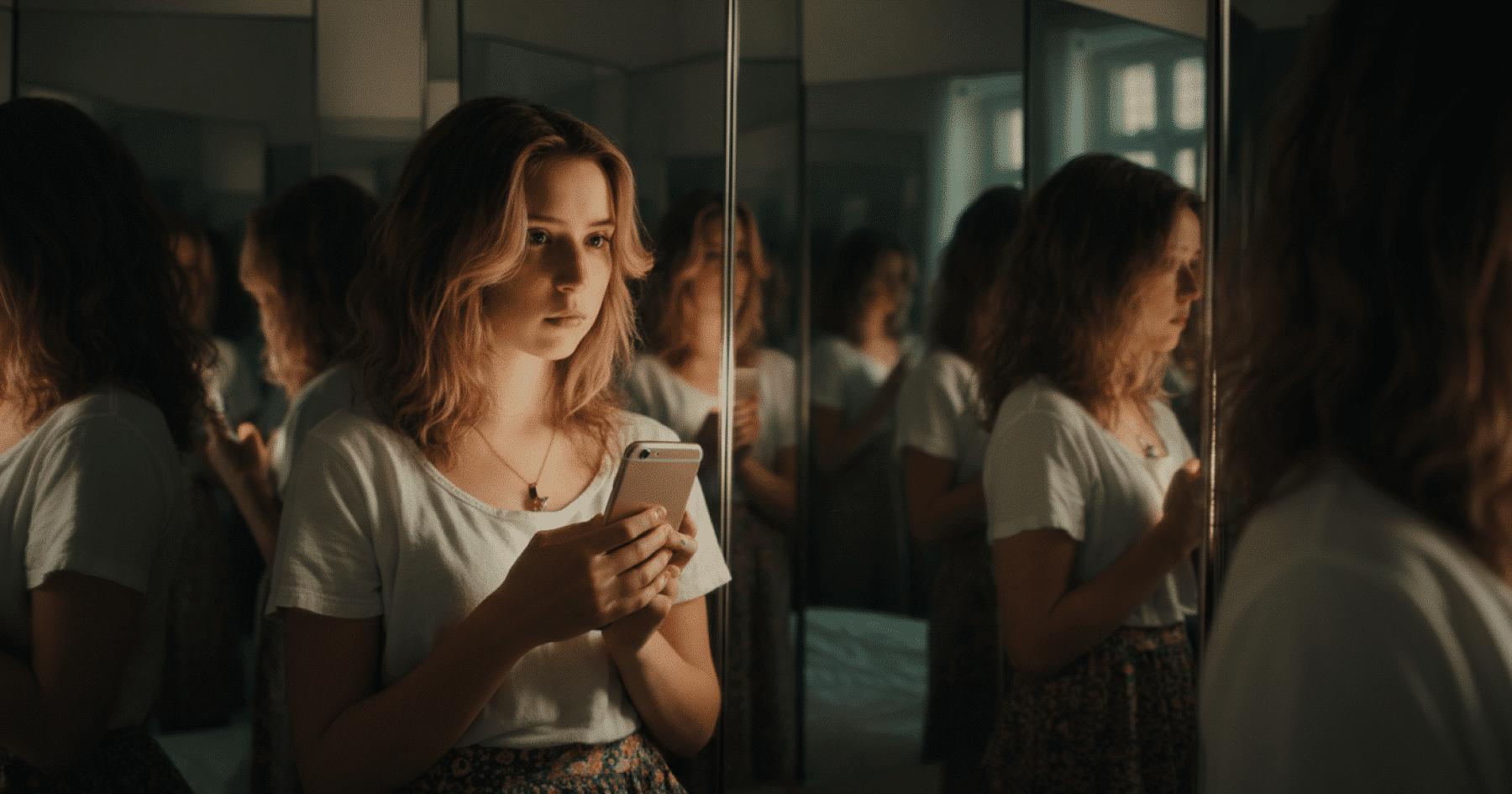
Recently, a young creator went viral by sharing her dire living situation: a home filled with filth, roaches, and garbage piled to hazardous levels. She sneaks around her mother, filming as she raises money to escape. It’s impossible not to root for her. But once she builds 200,000+ followers who tune in daily to watch her climb out, what happens when she finally does? The cynic in me wonders if she’ll really walk away.
There’s a lot of power in a riveted audience that might not stay if you walk away from the situation that built it.
This is where platform mechanics kick in. Algorithmic feedback loops reward whatever draws the most attention, shaping behavior and self-perception. Each post delivers a dopamine hit in views and likes, reinforcing disclosure as a strategy. Features like livestreams and confessional posts encourage increasingly personal revelations, while economic pressure pushes escalation: if yesterday’s crisis kept people watching, tomorrow’s has to be bigger, rawer, and riskier.
Survival stories risk becoming serialized trauma — not just lived, but performed.
The Backlash and Its Limits
If crocodile tears equal clicks, judgment itself becomes currency. Does this mean exploitation? Maybe. Boundaries blur: some creators overshare, while others carefully curate, and both risk falling into performativity instead of building the real connections social media once sought to make.
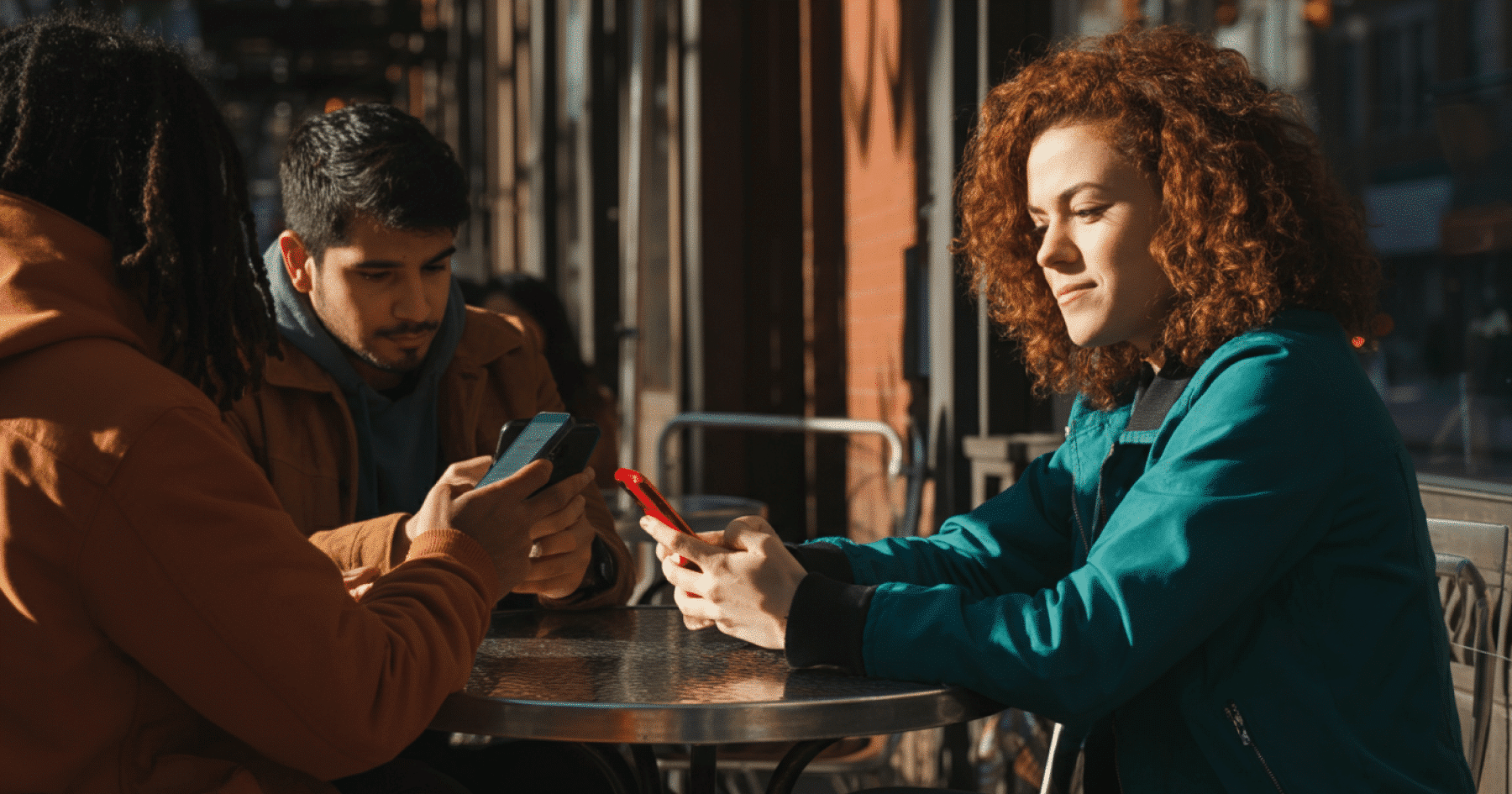
Do people crave intimacy as entertainment, or are we searching for ourselves in others because we’re socially stunted, faces buried in phones? (Last night I saw a family at a Mexican restaurant, silent, scrolling like zombies. The dad only looked up to yell at the waitress about the meat in his kid’s quesadilla.)
If there’s hope of untangling identity from profit, it has to be more than “log off and touch grass.” Regulation is essential, especially for kids who shouldn’t trade safety for visibility. Platforms could redesign systems to blunt commodification — making privacy the default, or rewarding quality over quantity. But policy and design only go so far without a cultural shift that values privacy and non-monetized expression, reminding us that being human doesn’t always need a brand strategy.
The hardest part is personal: how do you maintain authentic relationships when every interaction risks becoming something for TikTok followers? Imagine a first date where someone tries to make it “content.” Big yikes. The personal brand has replaced the personality entirely. We’re no longer raising humans; we’re manufacturing content creators.
And here’s the bottom line: when identity and income merge, self-care doesn’t fix shit. It just keeps the machine fed while the system grinds you down.

Originally published: Oct 17, 2025, Updated: Oct 17, 2025
More stories worth reading
More content that's too good to miss