What does it pay to be a YouTuber these days? Spoiler alert: it depends. 😬
Some creators earn just a few dollars per month. Others build six- or even seven-figure businesses from their channels — like Winnie Puah, who founded the WinnieTriplets channel. Over a decade ago, a video of Winnie’s triplets’ first swimming lesson went viral (23 million views and counting). But Winnie knew that ad revenue alone wouldn’t support her family.
“Instead of relying solely on ads, I leveraged the momentum to build a business,” Winnie says. “I launched WinnieTriplets fashion and accessories on Etsy, using my triplets as models in our content.”
When our shop became an Etsy bestseller within a year, we rebranded to Ashbury CoCo and eventually transitioned to our own branded e-commerce store. We also sell via Walmart.”
Today, Ashbury CoCo’s annual revenue is approaching $500,000, with a large portion of traffic coming from the WinnieTriplets YouTube Channel.
On the other end of the spectrum is Ice White, the creator behind GameGlobalOfficial. Ice shared his real YouTube monthly earnings from the past few years with me. After joining the YouTube Partner Program in 2021, his payouts ranged from less than $20 to $500+ per month as both his channel and monetization strategy matured.
Winnie and Ice’s experiences illustrate how monetizing as a YouTuber typically works: YouTube does pay out, but it’s up to creators to maximize their earnings by diversifying their monetization strategies.
YouTube Monetization 101

Most YouTubers monetize through either:
- The YouTube Partner Program, or
- Off-platform monetization, where YouTube acts as the traffic engine.
The YouTube Partner Program (YPP)
The YouTube Partner Program is YouTube’s official monetization program. Once accepted, creators earn a share of revenue generated from their content and gain access to additional monetization features.
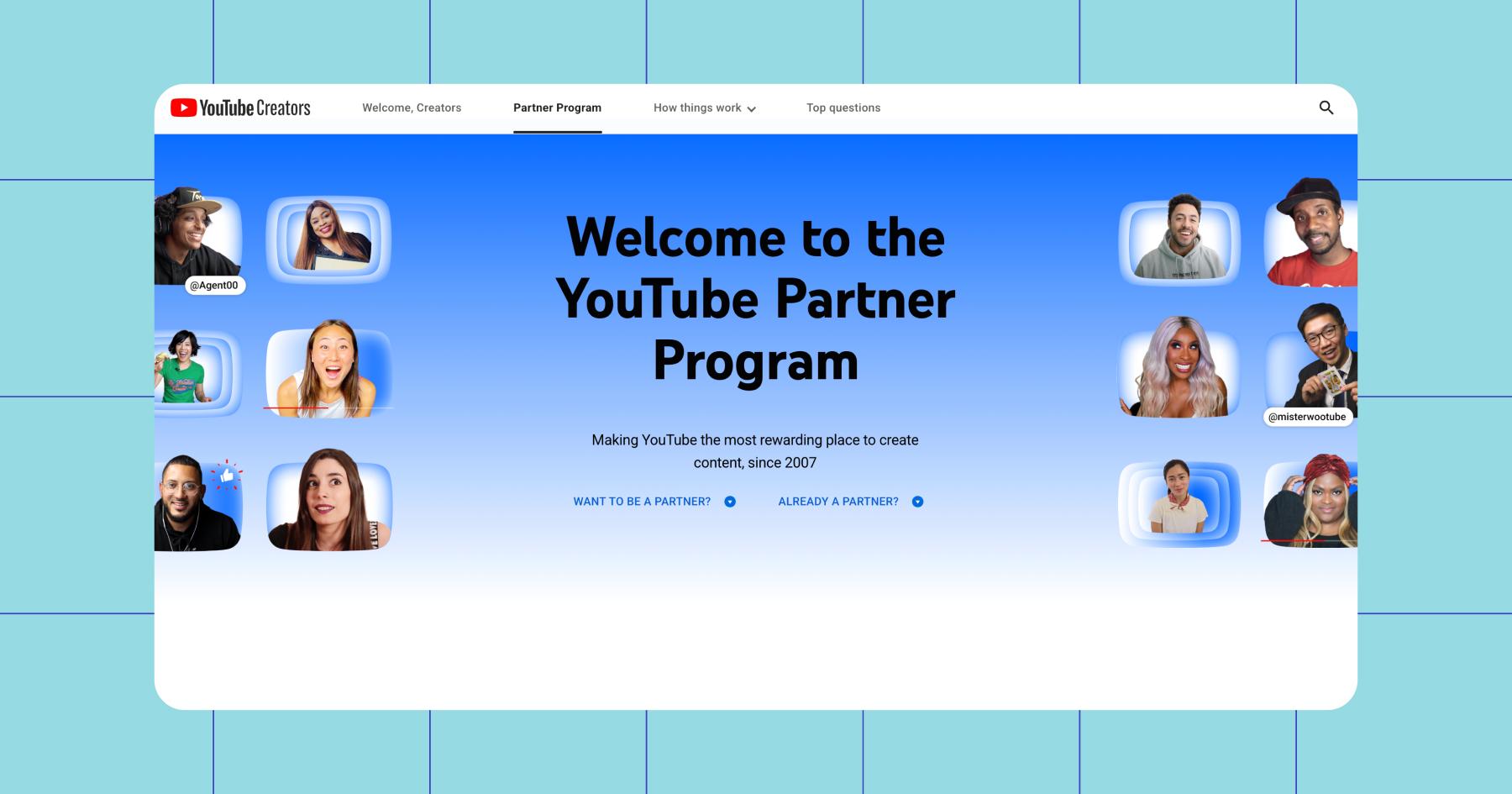
To qualify for YPP, you must:
- Follow YouTube’s monetization policies and Community Guidelines
- Live in a country where YPP is available
- Have no active Community Guidelines strikes
- Turn on 2-Step Verification
- Link an active AdSense for YouTube account
If you meet all of those requirements, your channel can become eligible for YPP with either YouTube Shorts or long-form videos.
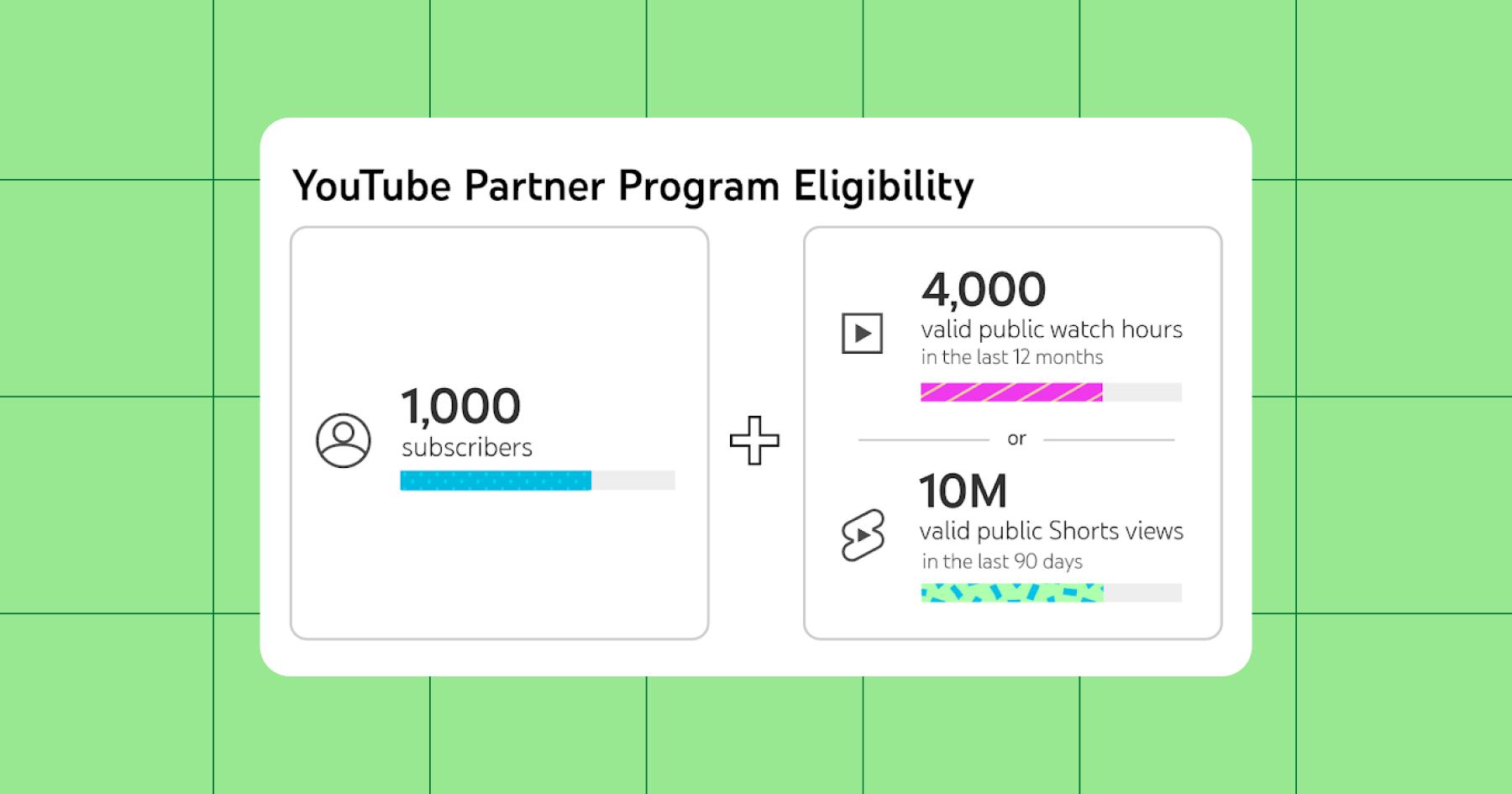
YouTube Shorts | Long-form video content |
1,000 subscribers and 10 million public Shorts views in the last 90 days | 1,000 subscribers and 4,000 public watch hours in the last 12 months |
How much do YouTubers get paid through YPP?
YPP earnings vary widely depending on the method and channel. Let’s talk about how each monetization option available through YPP works.
Ad revenue
Ad revenue is the most well-known revenue stream for YouTubers. Creators earn a share of ad revenue when ads run before, during, or after eligible videos.
Watch page ads (long-form videos)
- Typical RPM (revenue per 1,000 views): $2 to $10
- Finance, tech, and B2B niches often earn more
- Entertainment and vlog content often earns less
In other words, a video with 100,000 views can earn anywhere from $200 to $1,000+ from ads alone.
Shorts feed ads
YouTube Shorts are monetized differently from long-form content. Ad revenue is pooled and distributed based on views, after covering music licensing costs.
Earnings per 1,000 views are generally lower than those for longer videos, but high-volume Shorts creators can generate meaningful income if they’re committed.
Channel memberships
Channel memberships let creators build recurring monthly revenue by offering fans exclusive perks in exchange for a subscription fee. It’s the Patreon model, but on YouTube.
Those exclusive perks can be:
- Custom badges and emojis that appear in comments and live chats
- Members-only videos and content
- Exclusive livestreams or early access to content
- Priority replies during Q&A sessions or live streams
Memberships are especially powerful because they provide predictable income, unlike ad revenue, which fluctuates based on views and advertiser demand.
YouTube allows creators to set multiple membership tiers, and pricing typically falls into a few common ranges:
Membership pricing (per month) | Perks included |
$1.99 to $2.99 | Badges and emojis |
$4.99 to $6.99 | Members-only posts, videos, or livestreams |
$9.99+ | Exclusive community and direct interaction opportunities |
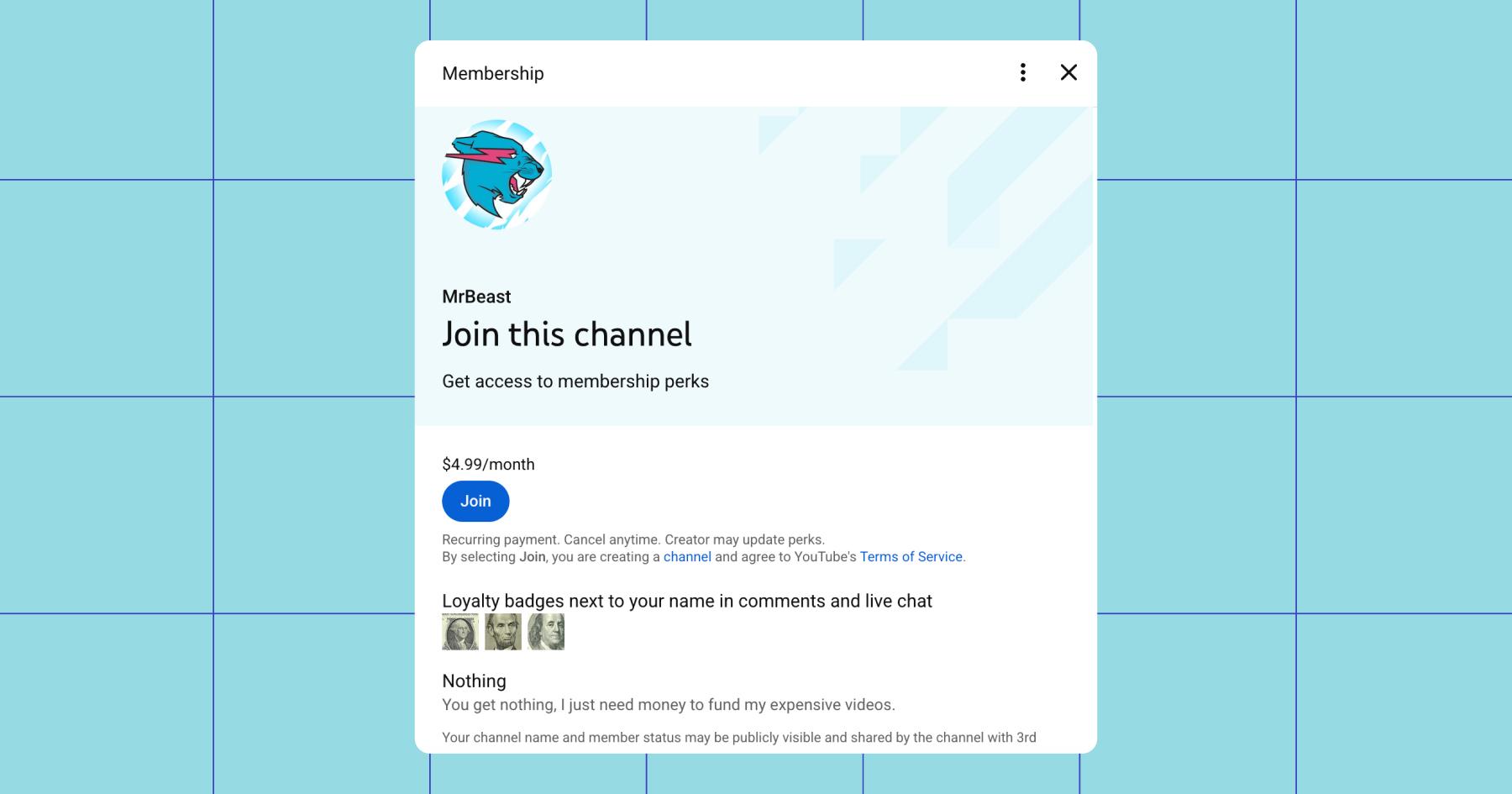
For the most part, lower-priced tiers convert best, especially when the value the viewer gets is emotional (supporting you, yay!) rather than transactional.
For creators focused on long-term financial sustainability, memberships are one of the most reliable revenue streams to start with. Even a relatively small fanbase, say 500 members at $4.99/month, can generate nearly $2,500 in monthly income without ads or sponsorships.
Supers
Supers are YouTube’s built-in fan tipping features (sort of like TikTok Diamonds or Instagram Gifts). Supers are designed to let viewers financially support creators without committing to a recurring membership. Supers include:
- Super Chat: Paid messages that stand out in live chat during livestreams
- Super Stickers: Animated stickers fans can purchase during livestreams
- Super Thanks: One-time tips viewers can leave on regular (non-live) videos
Gamers, educators, and creators who livestream often are the most likely to receive Supers. But in reality, Supers are very unpredictable. Unlike ads or memberships, Supers are entirely optional and driven by viewers.
One Redditor summed it up bluntly: “After a year [of posting] and 6,000 subscribers, I have never gotten a Super Chat, membership, or Super Thanks.”
Realistically, Supers shouldn’t be treated as a core revenue stream. However, you should still turn on Supers so you can receive them.
Shopping
YouTube Shopping lets creators sell products on YouTube. Products can be tagged in videos, Shorts, and livestreams. It’s one of YouTube’s most commerce-forward monetization tools.
Creators can use YouTube Shopping to sell their own merch or physical products or promote affiliate partners’ products. The advantage here: no links, no tab-switching, no friction.
Like Supers, YouTube Shopping is highly context-dependent. Creators tend to see the best results when they have an audience that trusts them, and the products they promote are directly tied to their content (like a makeup artist doing a tutorial and promoting the eyeliner they used).
Does YouTube take a cut of YouTube Shopping sales?
In most cases, YouTube does not take an additional cut of products sold through YouTube Shopping. If creators are tagging affiliate or retail partner products, they earn the standard commission set by the retailer. If they’re selling their own merch or products, YouTube still doesn’t charge a platform fee — though creators will cover typical costs like payment processing, fulfillment, or print-on-demand fees through their e-commerce provider.
Where YouTube does take a revenue share is with fan funding features like memberships and Supers.
Off-Platform Monetization Methods for YouTubers

For many creators, YouTube’s monetization tools don’t cut it. So, they look toward off-platform options.
Affiliate marketing
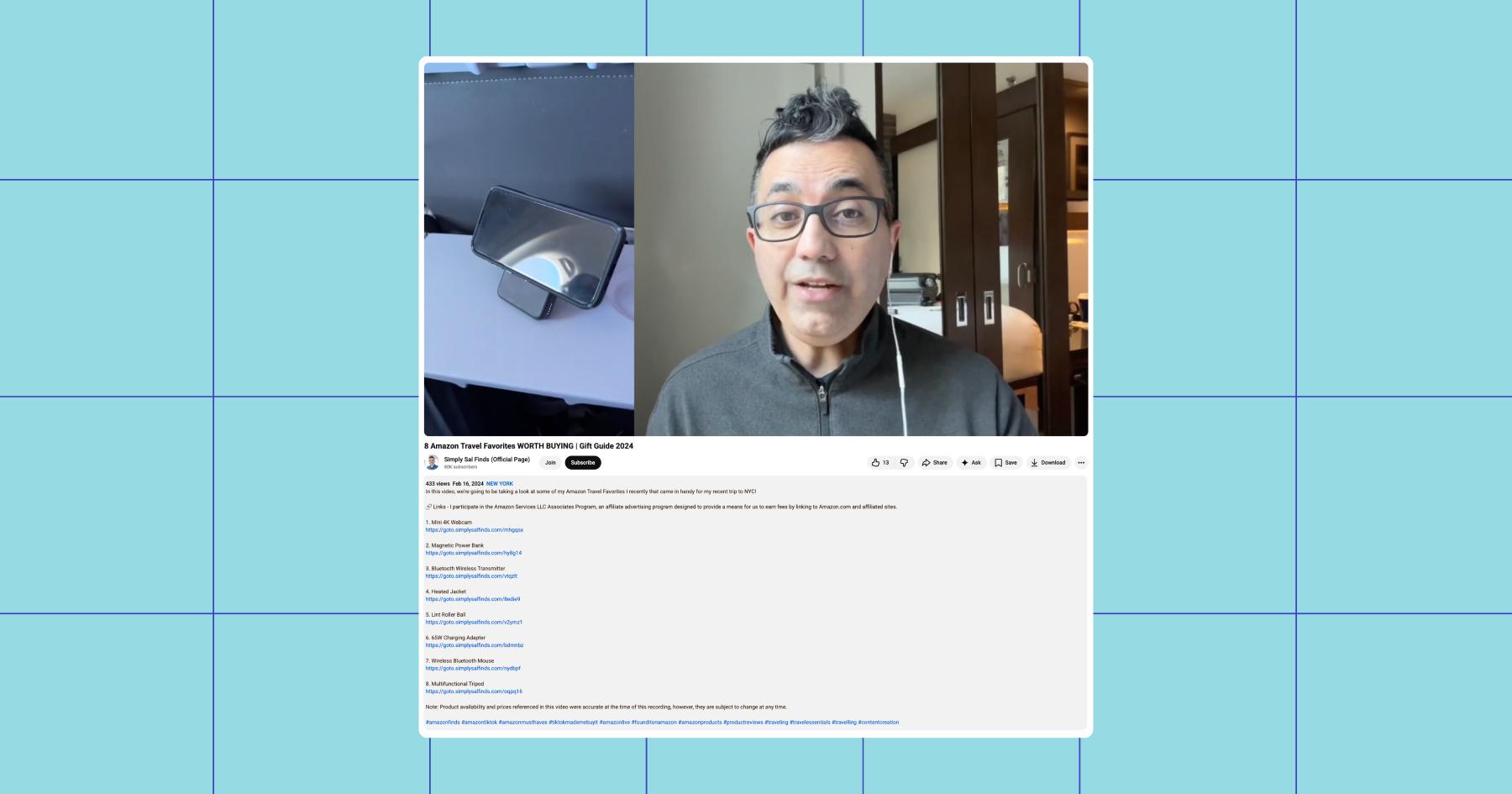
Affiliate marketing is one of the most common and accessible monetization methods for YouTubers — and all creators, really. Creators earn a commission when viewers purchase products through links in video descriptions, pinned comments, or YouTube Shopping tags.
Affiliate marketing is especially effective for:
- Tech
- Beauty and skincare
- Educators
Programs like Amazon Associates, LTK, and ShopStyle are good options for YouTubers looking to get started with affiliate marketing.
Sponsorships
Sponsorships are often how YouTubers get their largest single payouts. Brands pay creators to feature products or services in videos, Shorts, or livestreams. For example, The Try Guys are sponsored by BetterHelp and integrate ads for the service into their content (a few minutes in, so you don’t skip ahead immediately):
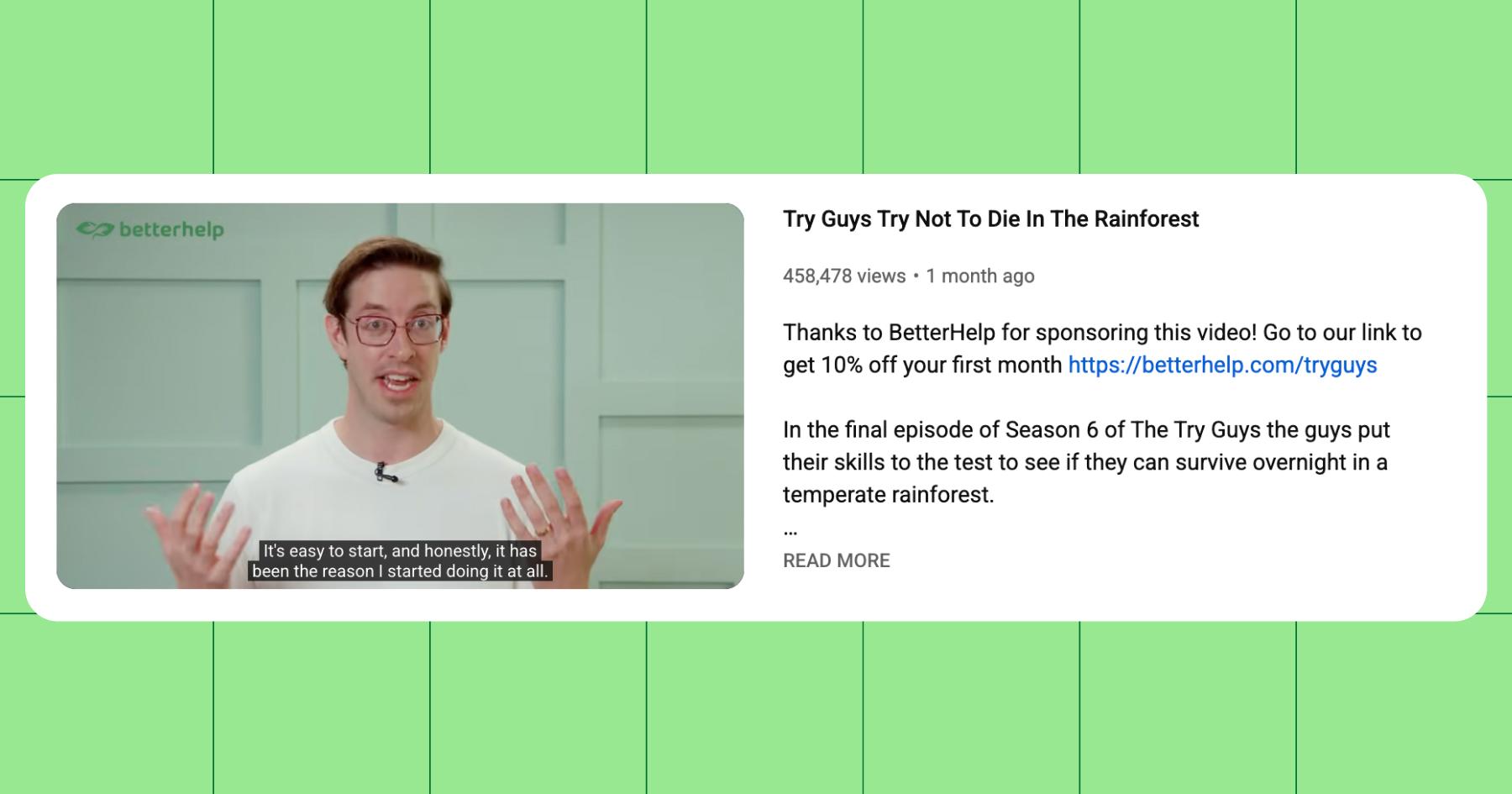
On average, YouTubers charge brands between $10 and $30 per 1,000 views — more if they have a very niche audience. As you can imagine, it’s easy to earn more from one sponsorship than months of ad revenue. But locking down a sponsorship requires work. Check out How to Land Your First Brand Deal (And Keep ‘Em Coming) for more details on making yourself appealing to brands.
Selling your own products
Selling your own products gives creators the most control (and often, the highest margins). Examples of things YouTubers sell include:
- Physical products: merch, print-on-demand items, etc.
- Digital products: courses, templates, access to paid communities, downloads
- Services: coaching, consulting, or other services
Owning the product means you aren’t dependent on brand budgets or algorithm shifts. And YouTube funnels traffic to your owned business.
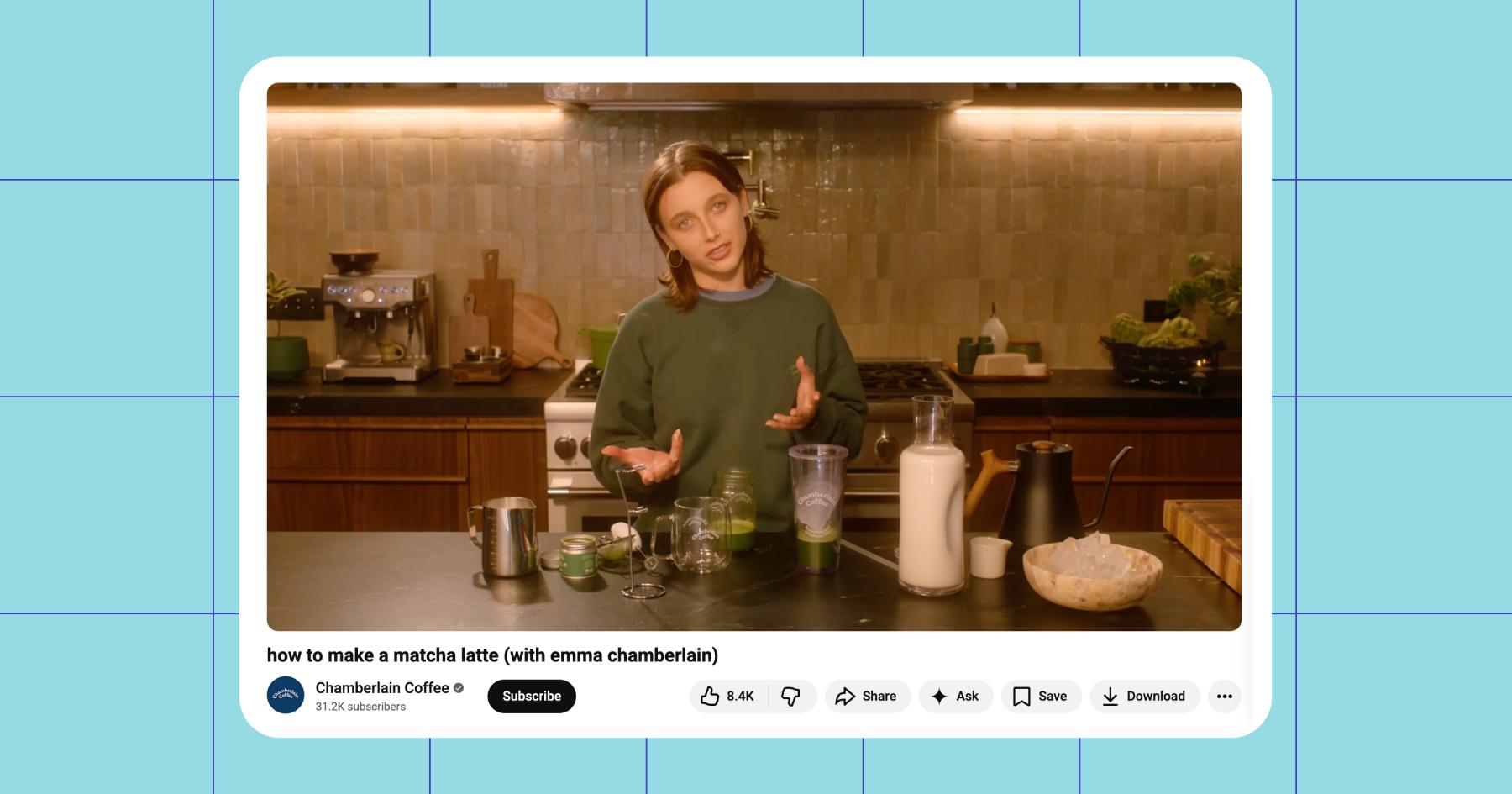
A great example of this is Emma Chamberlain’s Chamberlain Coffee. Emma has been making YouTube content since 2017, but today, she’s more of an entrepreneur than a YouTuber.
Final Advice: Get Your Monetization Mix Right

If you want to make money as a YouTuber, the best way to go about it is to combine a few of the monetization strategies covered in this article. Take advantage of the YPP and set up some income streams you fully own. That way, you’re not at the mercy of whatever rate YouTube decides to offer for ad views this month.
Oh, and sign up for Manychat. It’s free, and you can use it to send people to your channel.
Frequently asked questions
YouTube Premium is a subscription service that lets users pay to remove ads from their viewing experience. This eliminates the opportunity for creators to earn ad revenue. Instead, they earn a portion of Premium users’ subscription fees based on their watch time.
Yes, but not right away. It’s usually slow going, even if you’re in the YouTube Partner Program. Income grows with your following and as you add more monetization streams (memberships, affiliates, sponsorships, or your own products).
No. Ads are the most visible monetization method, but creators typically earn more from sponsorships, affiliate marketing, and selling their own products than from ads alone.
For long-term stability, creators typically turn to recurring income streams like channel memberships and owned products. These are less affected by algorithm changes and advertiser demand than ad revenue alone.


Originally published: Jan 27, 2026, Updated: Jan 27, 2026
More stories worth reading
More content that's too good to miss