Punch Cards Belong in the Past — Here’s How to Do Customer Loyalty Today

Who doesn’t love a little perk? Whether it’s a free cup of coffee or early access to concert tickets, those small rewards make us feel like we’re special. 🥰
That’s the magic of customer loyalty programs, and it’s why they’re so popular; 92% of consumers are enrolled in at least one loyalty program, and nearly half are a part of more than five. That means your customers probably already have an inbox full of memberships, points, and promo codes. Here’s the challenge: Being one of the messages they’ll open.
If you want to know what consumers really want from loyalty programs today and how to refresh your current setup so that people keep coming back, you’re in the right place. Scroll on.
Loyal customers = 🤑

Retention beats acquisition every time.
If you’ve ever heard the saying “it costs more to win a new customer than to keep an old one,” it’s true, and loyalty programs prove it. When customers feel rewarded for supporting your business, they’re more likely to keep doing so.
Over three-quarters of customers say loyalty programs compel them to spend more. And when they’re choosing between brands, 41% prefer to shop where a loyalty program is in place.
That’s the beauty of repeat business, and the payoff is just as clear. Nearly half of businesses (48%) report that 26% to 50% of their annual sales come from loyalty program members.
The math is simple: happy customers = repeat customers = more revenue.
What do consumers want out of loyalty programs today?
For years, loyalty programs leaned heavily on discounts and points systems. Those still matter, but as people enroll in more and more programs, they’re looking for something different. Novelty and personalization are what currently stand out.
Exclusive experiences
VIP events, early product access, or member-only perks go a long way in creating hype.
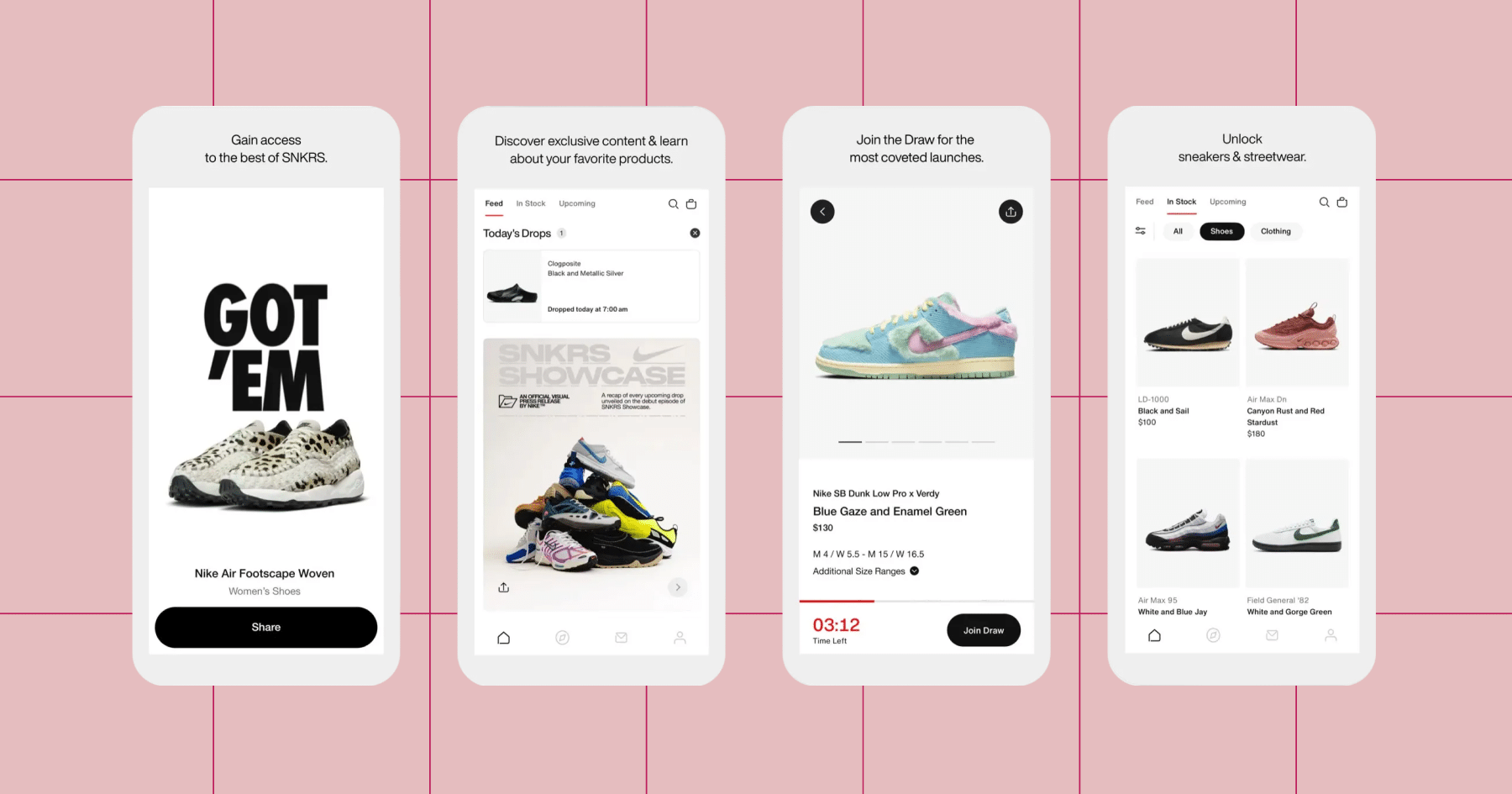
Example: Sephora’s Beauty Insider program gives top-tier members first dibs on new product launches. Nike’s SNKRS app (below) offers exclusive drops to keep fans scrolling and buying.
Gamification
Streaks, challenges, “double points days,” or chances to level up provide a certain fun factor that increases participation.
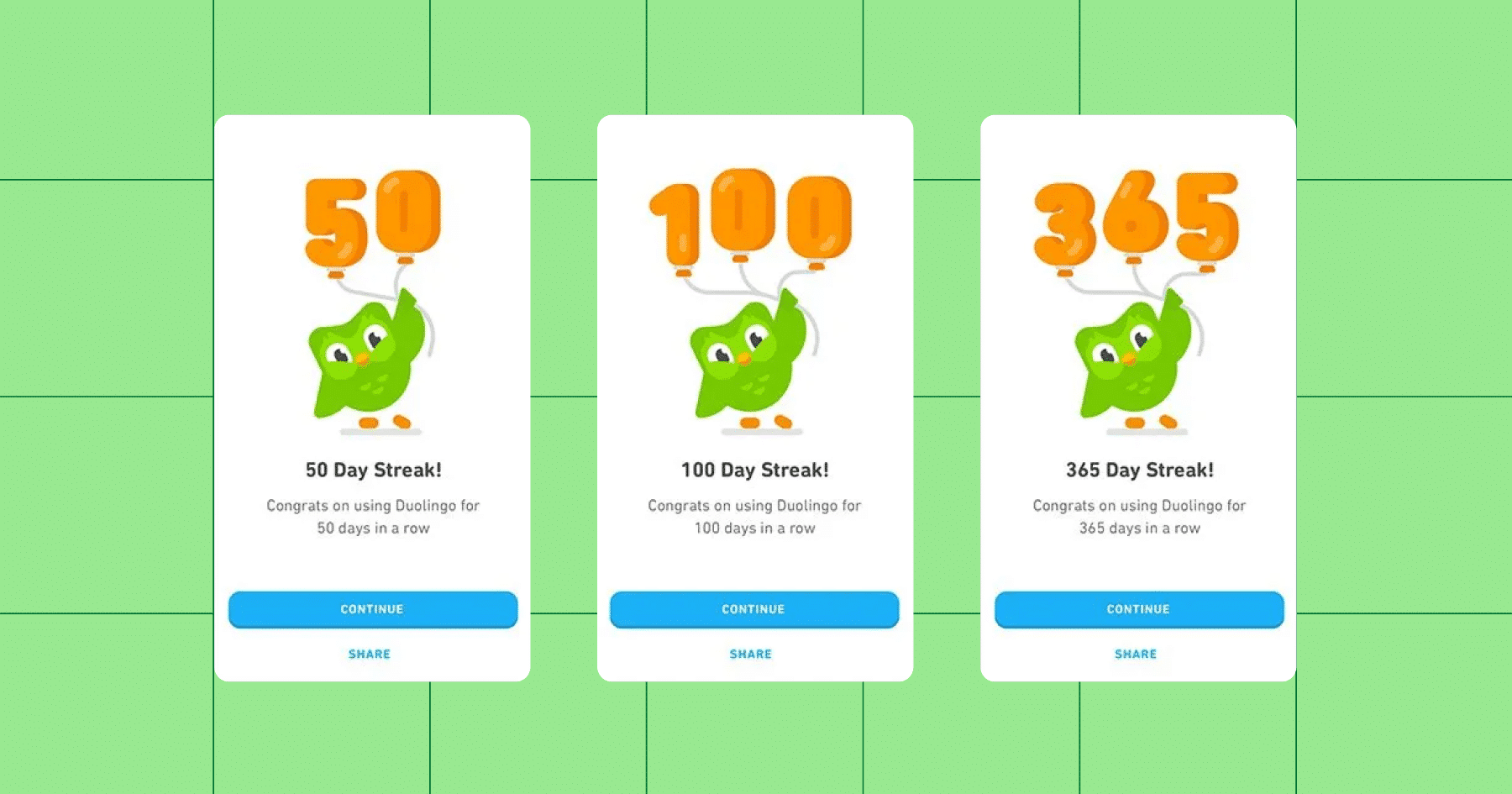
Example: Starbucks Rewards nails this by offering bonus challenges (like “buy three lattes this week for 100 extra stars”). Duolingo uses streaks and leaderboards to keep learners hooked.
Partnership perks
Being able to redeem rewards from multiple brands or tap into a broader rewards ecosystem adds another layer of value for consumers.
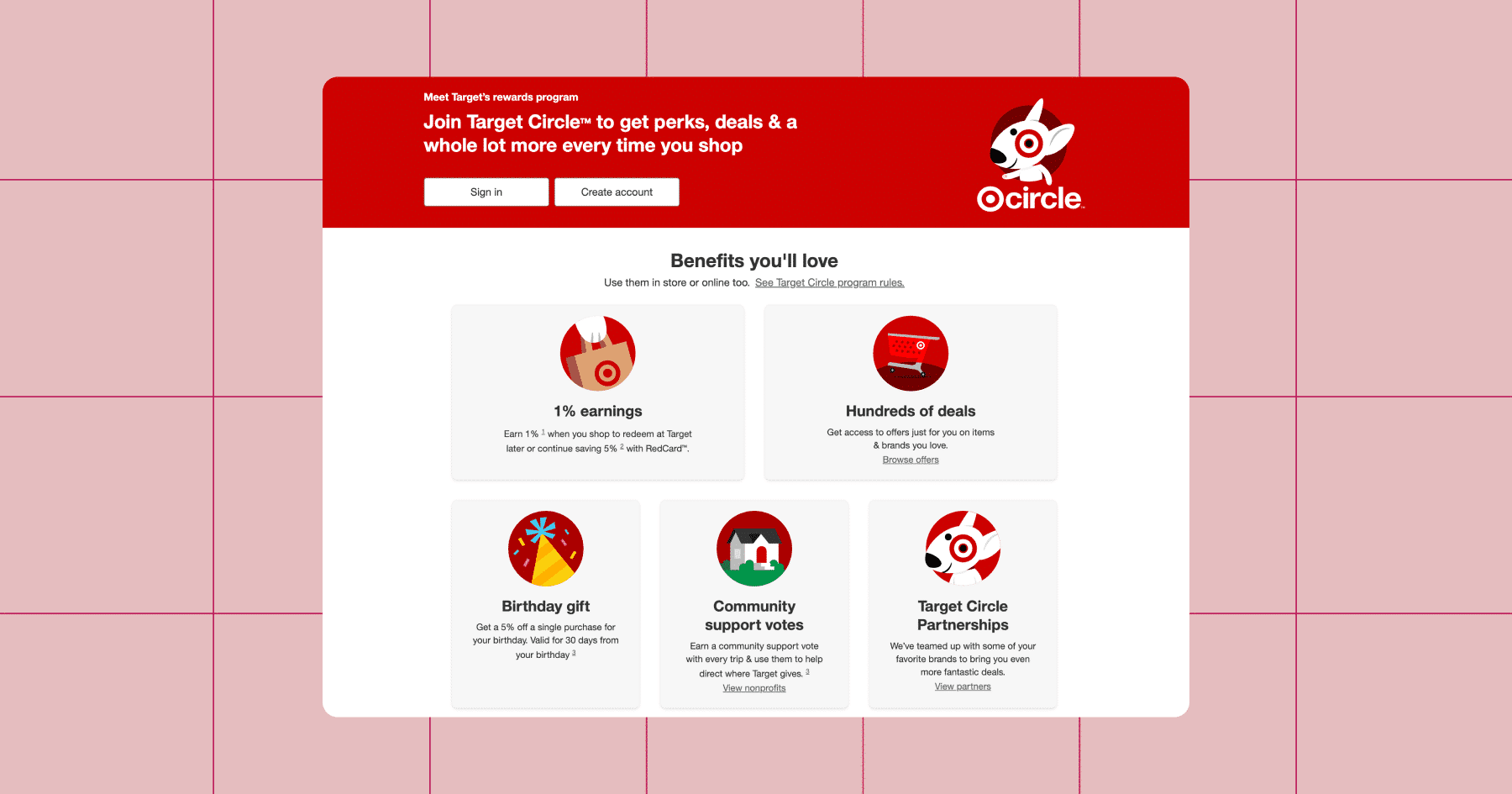
Example: American Express Membership Rewards allows customers to transfer points to airline and hotel partners. Similarly, Target’s Circle program frequently partners with other brands for cross-promotions, giving members more ways to earn and redeem rewards.
Keep in mind that you need to tailor loyalty strategies to your customer base. To help you brainstorm, we’ve broken down what each generation wants from a loyalty program. ⬇️
Age range | What they want | How they behave |
18 to 24 | Brand association, curated rewards, seamless digital and in-store experiences | Sign up via mobile apps and in-store; value recommendations from friends; care about being part of a community |
25 to 44 | Personalization, recognition, and milestone rewards | Join many programs; willing to share data; shop more often and increase spend with loyalty brands |
45 to 54 | Discounts, points that they can control and redeem quickly | Participate weekly; prefer control over their rewards; motivated by instant gratification (surveys, challenges) |
55+ | Discounts, sales, and straightforward benefits | Stick to a few trusted programs; prefer email over apps; least likely to feel emotionally connected |
Align your program with what your audience wants, and they’ll keep coming back.
How to Revamp Your Customer Loyalty Program
Punch cards had their moment. Who didn’t love chasing that free froyo back in the day? But they’re easy to lose, easy to forget about, and don’t exactly scream “modern customer experience.”
Today, loyalty lives where your customers already are: on their phones. From apps that track your points in real time to VIP email lists that unlock surprise perks, tech has made it easier than ever to stay top of mind.
Let’s talk about how to revamp your customer loyalty program so it’s built for today’s consumers.
1. Invest in a customer loyalty tool
Running a loyalty program without a system to provide support is a bad idea (unless you like tedious work). Most businesses don’t build their loyalty programs from scratch; they plug into platforms that make setup and management easy. You’ve got a few routes to choose from:
- Standalone tools: These are dedicated platforms (like Smile.io or Yotpo) that focus only on loyalty and rewards. They often give you the most features and flexibility, and can integrate with multiple sales channels.
- POS systems: POS providers like Square, Clover, and SumUp (formerly Fivestars) make it easy to enroll customers at checkout, track visits, and automatically apply rewards. This is a great fit if you’re running a restaurant or brick-and-mortar store.
- Apps + e-commerce platforms: Platforms like Shopify allow you to integrate apps like Smile.io, Growave, and BON Loyalty that sync directly with your store. This allows you to run point programs, referrals, and VIP tiers alongside your online shop.
The key is to pick a system that integrates seamlessly with how you already sell and market.
And if you’re wondering whether it pays off, it does. EY’s report found that most companies see an annual ROI of 10% to 20% from loyalty programs. With numbers like that, investing in the right tool feels like less of a gamble and more of a growth strategy.
2. Keep the system simple
One of the biggest mistakes brands make is overcomplicating their loyalty program. Sticking to a clear, straightforward model keeps things easy to understand and encourages people to participate.
There are three tried-and-true approaches:
- Points-based: Customers earn points for every purchase and redeem them for freebies. Starbucks Rewards is the gold standard here — stars add up to free drinks or food, and the app makes it easy to track progress and unlock limited-time offers.
- Tiered: The more you spend, the more exclusive the perks. Think airline frequent flyer programs, where climbing the tiers unlocks upgrades, lounge access, and priority boarding. Creators can also apply this model by offering paid content tiers (BTS access, premium tutorials, or VIP communities) that reward their most engaged fans.
- Paid memberships: In this model, customers pay upfront for ongoing benefits. Amazon Prime is a prime (ahem) example, offering perks like free same-day shipping, streaming, and early access to deals. Essentially, the idea is to embed the customer in an ecosystem they won’t want to leave (like Auntie Anne’s here).
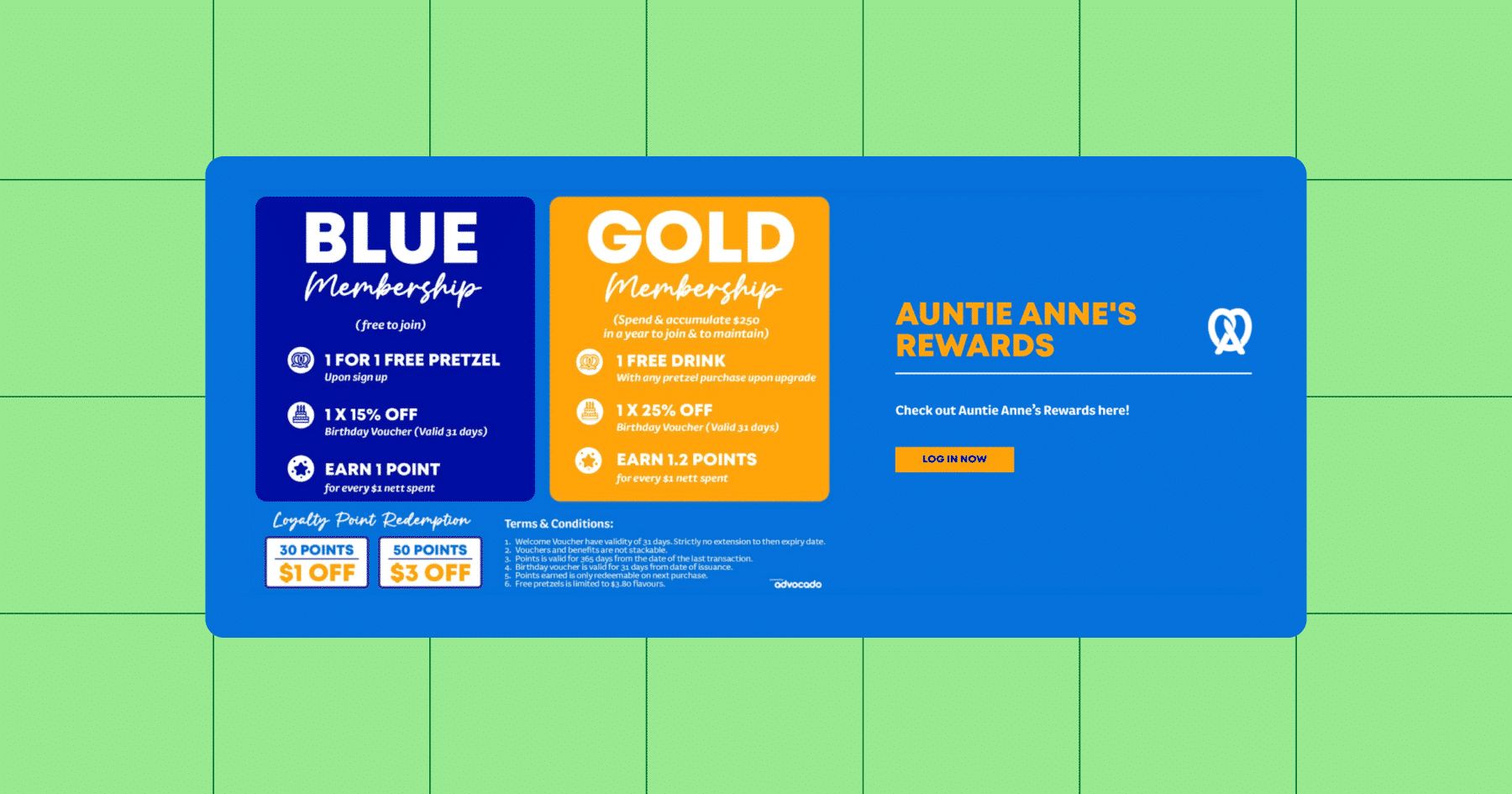
Of course, you don’t have to choose one of these program models. The most important thing is to design a system that’s easy for your customers to use and hard for them to say no to.
Kelsey Garlock, founder of Movemama (@movemamaapparel), shared a bit about her brand’s loyalty system with me. After a customer makes three orders, they’re added to a VIP email list. From there, they get exclusive updates, first access to new drops, and random discount codes.
“It’s this feeling of being special…we generate a lot of sales this way,” she says. Go Kelsey.
3. Personalize offers
Today’s consumers want rewards that feel like they were made for them. Luckily, personalization is not difficult to achieve — it can be as straightforward as offering a birthday gift.
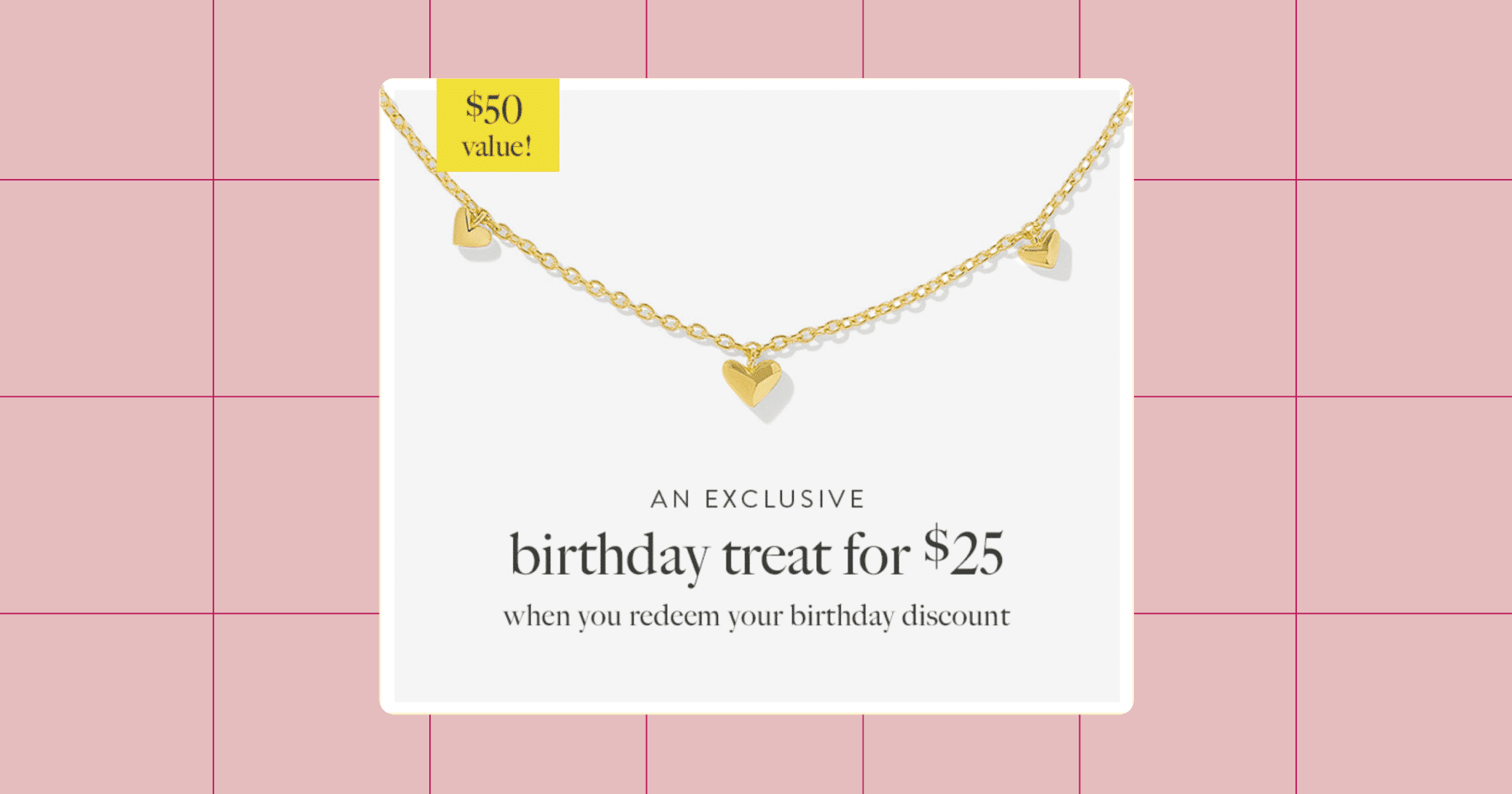
Aside from birthdays, one of the best examples of personalization that comes to mind is the abandoned cart email. Instead of a generic “come back and shop!” nudge, the message includes a picture of the exact item a customer left behind — maybe with a limited-time discount to seal the deal. This small detail makes the reminder feel relevant rather than spammy, and it often converts browsers into buyers.
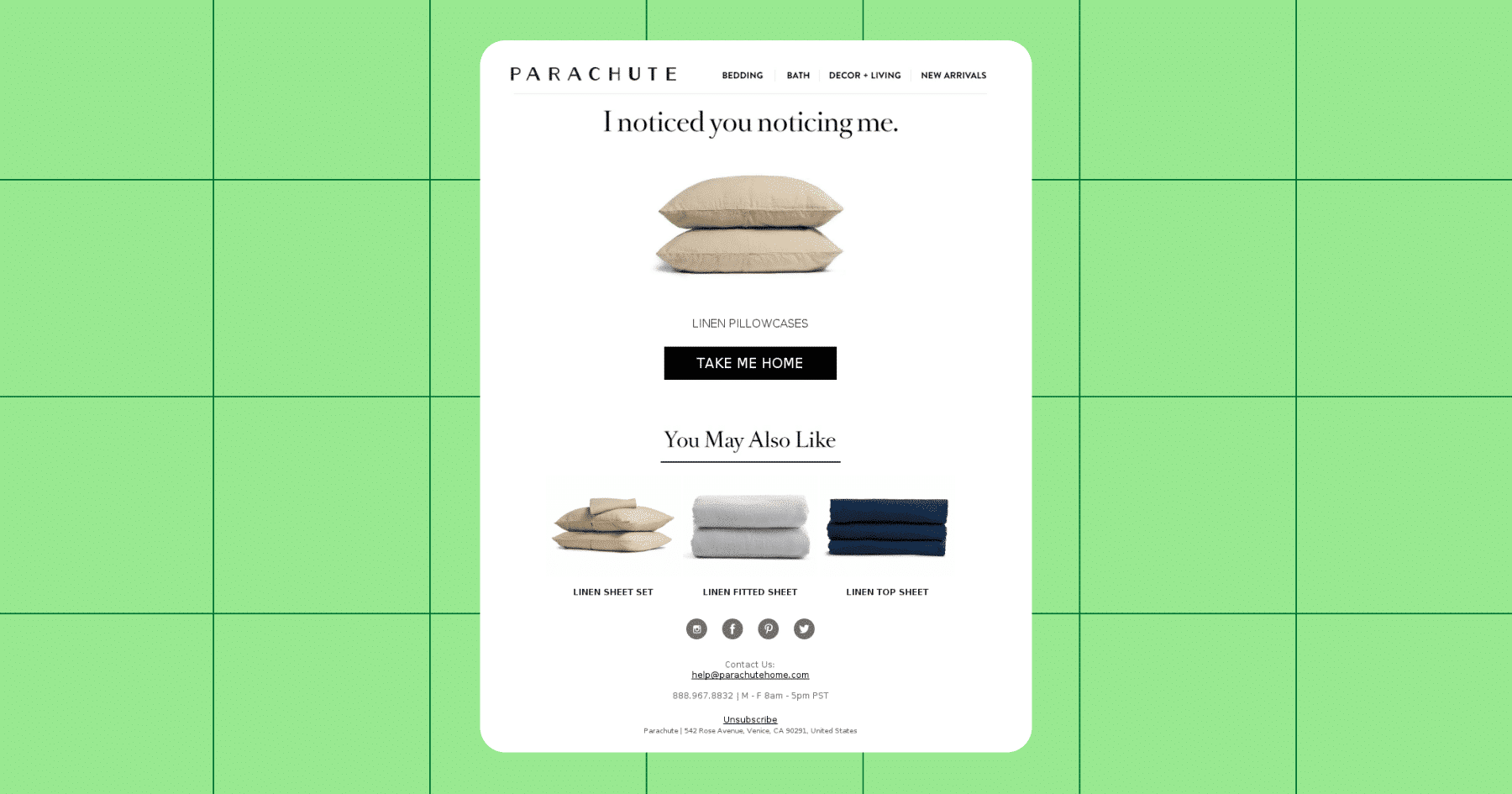
This is where AI and data analytics come into play. Most e-commerce tools (like Klaviyo) can predict when customers are likely to churn, what products they’re most interested in, and which offers are most likely to get them to click “buy.”
4. Keep track of what works
You can’t just set it and forget it with a loyalty program. You need to track participation to understand whether it’s working. There are a few metrics that really matter:
- Enrollment rate: What percentage of your total customer base signed up for your program? A low rate could mean your offer isn’t clear or compelling enough.
- Active participation rate: Of those who enrolled, how many actually use the program regularly (weekly/monthly)? High enrollments don’t mean much if nobody engages.
- Reward redemption rate: Are people cashing in their points, promo codes, or perks? A healthy redemption rate signals customers find value in the rewards; a low one means the benefits may feel out of reach or irrelevant. Track how often loyalty-specific promotions (e.g., birthday codes, double-points days) are redeemed. This shows which incentives actually motivate action.
- Churn (program members vs. non-members): Loyalty members should stick around longer. If they don’t, that’s a red flag that your program isn’t adding real value.
Use Manychat to Level Up Your Customer Loyalty Program

Manychat can support your loyalty program by making sign-ups seamless, data collection effortless, and rewards personal.
Make sign-ups seamless
Make joining your loyalty program as easy as sending a DM.
- Add a “Join Rewards” button in your Main Menu.
- Create a sign-up flow connected to a trigger keyword like “rewards” or “VIP.”
- Run comment-to-DM campaigns that send the sign-up link straight to their inbox.
Capture customer data…and use it
Use Quick Reply buttons and Data Collection blocks to capture details about your followers, like their preferences, general location, email addresses, and phone numbers. Then, tag users so you can filter your Contact list into segments.
Having the contacts is great, but what really matters is what you can do with them.
- In Manychat, you can segment and personalize right away. For example, a skincare brand could send a promo only to people tagged “dry skin.” You could also trigger a VIP reward for those who’ve made three or more purchases.
- You can also export Contact data to your loyalty platform. You can export your Contact list to Google Sheets, then sync that sheet with loyalty platforms like Smile.io or Yotpo to power rewards with the info you capture in chat. This allows you to use the preferences, birthdays, or purchase milestones you capture in your DMs to fuel personalized offers.
With Manychat, you can turn your followers into your regulars. Ready to make it happen?
✋ Frequently Asked Questions (FAQs)
1. Do I need a separate loyalty platform if I’m using Manychat?
Yes. Manychat can handle sign-ups, data capture, and personalized engagement, but you’ll still need a loyalty platform or a POS with built-in tools to actually manage points and rewards.
2. How do I know if my loyalty program is actually working?
Track metrics like participation rate (are members engaging?), redemption rate (are they using rewards?), and member churn compared to non-members.
3. What’s the best way to keep my loyalty program top-of-mind?
Most programs fail because people forget about them. Use Manychat to run automated reminders via DM — like “Hey, you’re only 20 points away from a reward!” — so your program stays top of mind without you lifting a finger. Without Manychat, your main options are email/text campaigns and app push notifications (if you have a dedicated app).
4. Can I grow my program even if I don’t have a big team?
Yes, but without automation, it usually means a lot of manual work — sending reminder emails, updating spreadsheets, or constantly checking who qualifies for rewards. That’s tough to sustain if you’re a solo creator or small team.
With Manychat, you can build flows to handle sign-ups, reminders, and rewards in the background, so your program keeps running (and growing) while you focus on creating and selling.


Originally published: Feb 11, 2020, Updated: Nov 25, 2025
More stories worth reading
More content that's too good to miss