A Retailer’s Guide to Black Friday Success: Cozy Lessons from a Loungewear Founder

If you’re a retailer, you know that Black Friday/Cyber Monday (BFCM) is the most significant sales opportunity of the year. But did you know that it gets bigger and bigger every year, with more brands and consumers getting in on the action?
Adobe’s 2025 Holiday Shopping Forecast predicts that Black Friday sales will grow 8.3% from last year, generating a whopping $11.7 billion. 🤑
If you want to be in on that but don’t have a ton of time to put together a strategy, fear not: everything you need to know to take advantage of BFCM is covered below. And to make sure I didn’t leave any crucial details out, I chatted with Liz Allen, an entrepreneur who launched her luxury sleepwear line, Elizabeth Cotton, more than 20 years ago.
BFCM: E-Commerce’s Busiest Time of the Year 💸

According to Adobe’s report, online holiday sales are expected to surpass $250 billion for the first time this November and December, reaching a projected $253.4 billion. For e-commercers, that means holiday sales are year-defining.
“In two months, you can do the same amount of sales that you would have throughout the rest of the year,” Liz says.
She makes a good point: Capital One reports that holiday shopping (from November 1 to December 31) accounts for approximately 13.5% of retailers’ annual sales revenue.
But here’s the thing: Everyone’s doing BFCM offers. And everyone’s inboxes are crowded with discount codes and promotions.
“Years ago, customers were excited about 15% off. Now they expect it. You’re competing in a sea of subject lines,” Liz explains.
It’s true; shoppers are always looking for a deal, and many brands (Elizabeth Cotton included) offer around 10-15% just for giving them your email address.
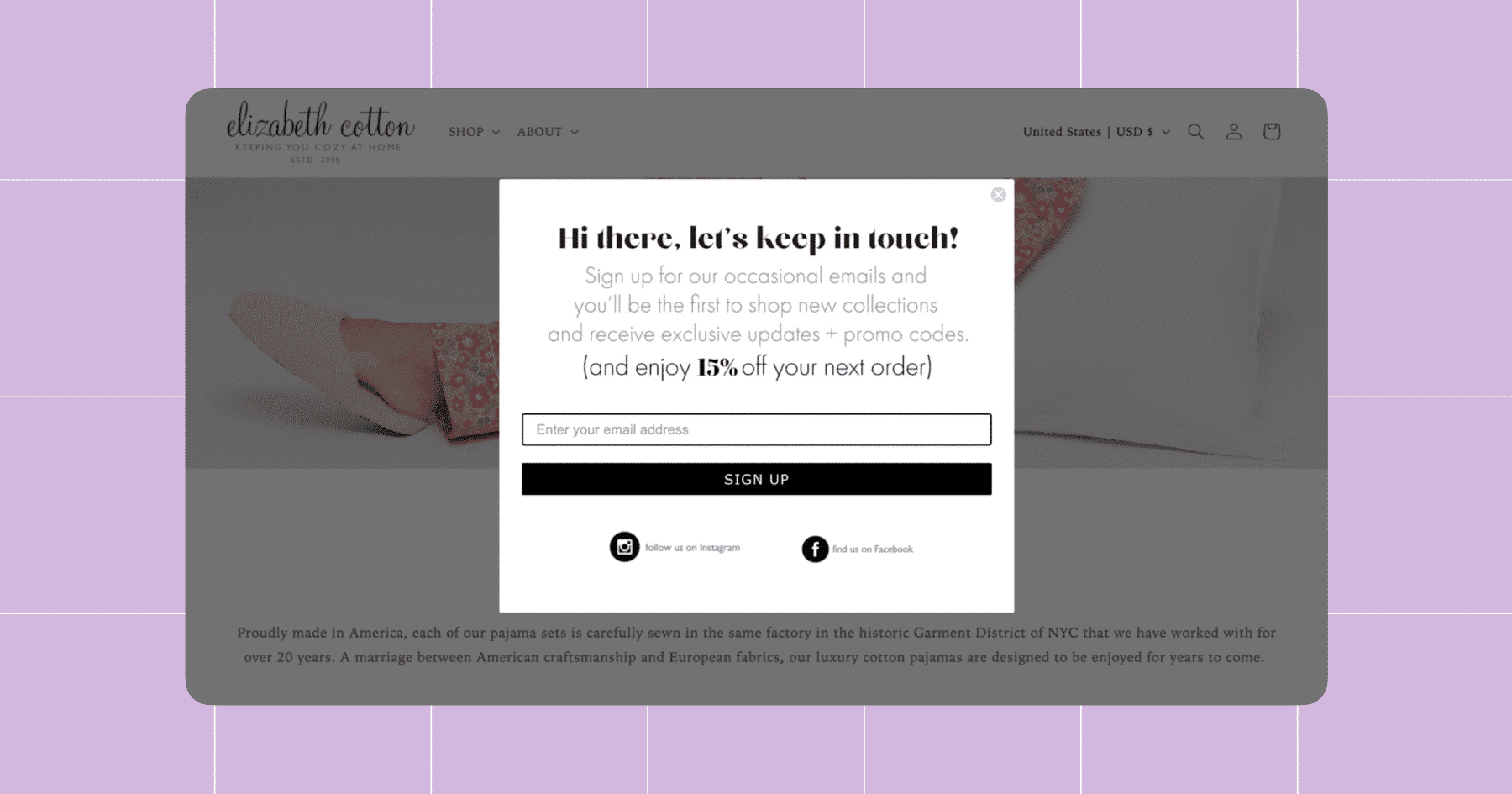
Even so, you don’t need to blow up your budget and margins to have a successful BFCM season. You just need one or two compelling offers and a plan to promote them.
How to Prepare for BFCM (Without Crashing Out 🫠)

Repeat after me: Preparation, not panic. Taking a few well-thought-out steps now will save you stress (and lost sales) later.
1. Start early
“Customers are shopping later because they expect faster delivery, but that doesn’t mean you should start late,” Liz says.
While many shoppers now buy closer to Christmas, your planning should start long before that. Ideally, you’re laying the groundwork in late summer or early fall — reviewing last year’s numbers, checking inventory levels, and finalizing your offers by early November. That gives you time to update your website and put together a marketing plan before the big rush.
Liz has learned the hard way that waiting too long to promote can lead to chaos: “I stopped offering promotions during the last few days before Christmas because the return rates were absurdly high.”
Most small retailers see the best results by launching early-access promotions in mid-November, running their main sale through Black Friday weekend, and tapering off the following week. Of course, timing depends on your audience and data — so use your own sales insights to decide how early to tease and when to wind down.
2. Focus on a few key offers
Black Friday offers the deepest discounts of the holiday season across most categories, averaging 25% to 28% off.
Elizabeth Cotton’s typical BFCM offer — 20% to 25% off, sometimes with free shipping — is right on target. “Our price points aren’t artificially inflated. We don’t do 40% off because that would mean overcharging the rest of the year,” she says.
Like Liz, you can offer a discount across the board. Alternatively, you could discount a few hero products or bundles instead of everything — such as bestsellers or giftable items that are likely to convert fast. BOGO deals (“buy one, get one half-off”) or gifts with purchase are another option that can entice shoppers while maintaining healthy margins.
Don’t go overboard here; look at last year’s top sellers or best-performing promotions to determine what you should offer. As Liz says, “You want to catch as many shoppers as possible, but you don’t want to give things away.”
Warning! ⚠️Make note of shipping timelines 📬
Last-minute shoppers can be a bit of a trap: Sure, it’s a sale, but there’s a high chance of a return if the item doesn’t arrive on time (or if it was an impulse purchase to begin with).
“I used to offer free express shipping during the final days before Christmas, but those orders had the highest return rates — almost 50%,” says Liz.
Now, she ends her promotions about a week before Christmas to reduce stress and avoid rushed orders.
“Customers are used to Amazon-speed shipping. But if someone wants a last-minute gift, I encourage a gift card instead.”
If post-holiday returns have been a burden in the past, follow Liz’s lead: Stop your promotions about a week or two before the end of the year.
Build a (simple) marketing plan
Social media referrals are expected to increase by up to 80% during the holiday season, with Instagram traffic alone rising 60% to 65% year-over-year. That makes social a powerful place to reach shoppers, but you don’t need to be everywhere at once to make an impact — you just need to show up where your customers already are.
Liz keeps her marketing consistent and straightforward. “I’m not great with social media — I use it to create awareness, not necessarily conversions.”
“For me, retargeting works best. If someone visits the site, I want them to see the brand again — even if they never opened the email.”
Instead of chasing every trend, she focuses on repetition and recognition: Show up and stay visible during the weeks when customers are deciding where to shop.
A straightforward BFCM plan
- Pick your top two channels. For most retailers, that’s Instagram and email. Focus your time on where you already have an audience, rather than spreading yourself too thin across every platform. “Even if J.Crew emails people every day, as a small business, you shouldn’t. Be gentle with your list,” Liz says.
- Create a few core assets, such as:
- A short promo email announcing your sale
- A few reusable images or videos (lifestyle, flat lay, or product demo)
- One “reminder” graphic to reuse across Stories, posts, and your site banner
- Align your timing. Plan to start teasing your offer in early to mid-November, go live with it during the week of Black Friday, and send one or two follow-ups through Cyber Monday.
- Automate what you can. Use tools to schedule posts and emails, or set up a Manychat automation to answer FAQs while you handle fulfillment.
- Retarget visitors. Even basic retargeting ads or DMs reminding customers what they viewed can drive serious conversions during BFCM.
For small retailers, a clear message and consistent presence can outshine a dozen competing discounts.
Refresh your website
More than half of all online holiday spending (56%) is expected to happen on mobile devices this year. That means your website needs to load fast, look great on a phone, and make it easy to check out.
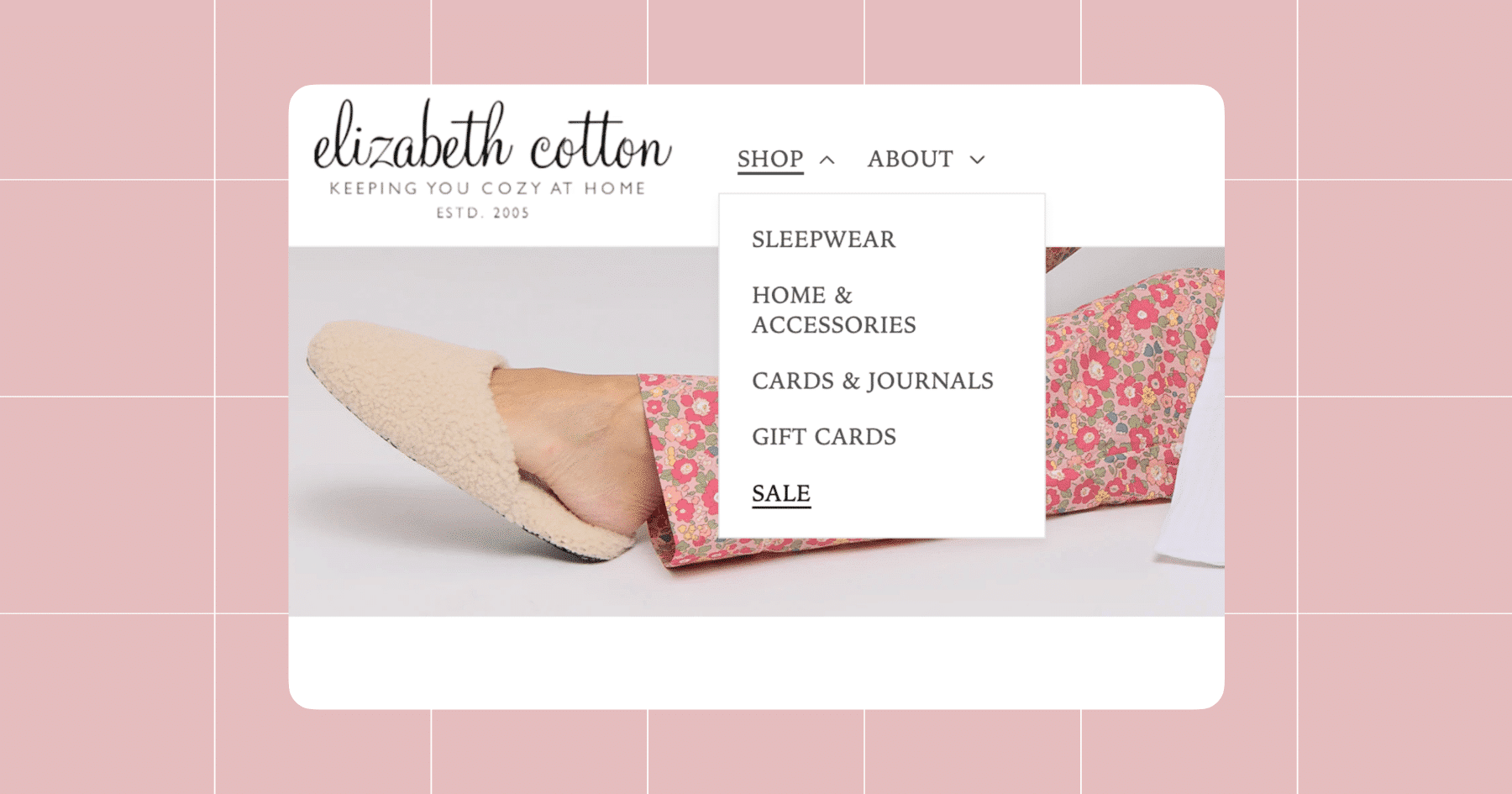
Here’s what to do:
- Test your site on mobile. Pretend you’re a first-time shopper: Can you find products easily? Are the buttons too small? Does checkout require too many steps?
- Simplify navigation. Add a clear “Shop Sale” or “Gift Guide” tab during the season so customers can quickly access deals.
- Check your speed. Slow load times can tank conversions during peak traffic. Use a free tool like Google PageSpeed Insights.
- Prominently display shipping timelines, return policies, and payment options like Buy Now, Pay Later (BNPL is projected to hit nearly $20 billion in holiday spend this year, BTW).
Prep your automations
Sure, automation is “optional.” But for small e-commerce brands, it’s the best way to keep up during the busiest time of year.
Plus, it improves the customer experience: 72% of consumers who used AI tools while shopping were less likely to return purchases, and 95% were satisfied with their experience.
The right tool can handle the heavy lifting during BFCM — recommending products, answering FAQs, and keeping customers updated on their orders. And it doesn’t need to be pushy; with Manychat, you’re in control of the tone and pace of every automated message in your inbox.
Go From Just Browsing to Just Bought 🛍️

Black Friday and Cyber Monday are massive opportunities, but you don’t need to slash prices or burn through your ad budget to have a successful holiday season. Keep it simple. Follow Liz’s advice, and you could be celebrating your second decade in business just like her.
On that note, if you want to save your sanity (and your inbox), let automation take the wheel. With a free Manychat account, you can set up a few automations that will handle all the tedious texting you’d be doing otherwise, like:
- Keyword flows: Trigger instant DMs when someone comments or DMs you a word like “deal,” “gift,” or “holiday.” It’s an easy way to capture warm leads as soon as they’re interested.
- Main Menu: Easily guide shoppers where they want to go without them ever leaving the chat.
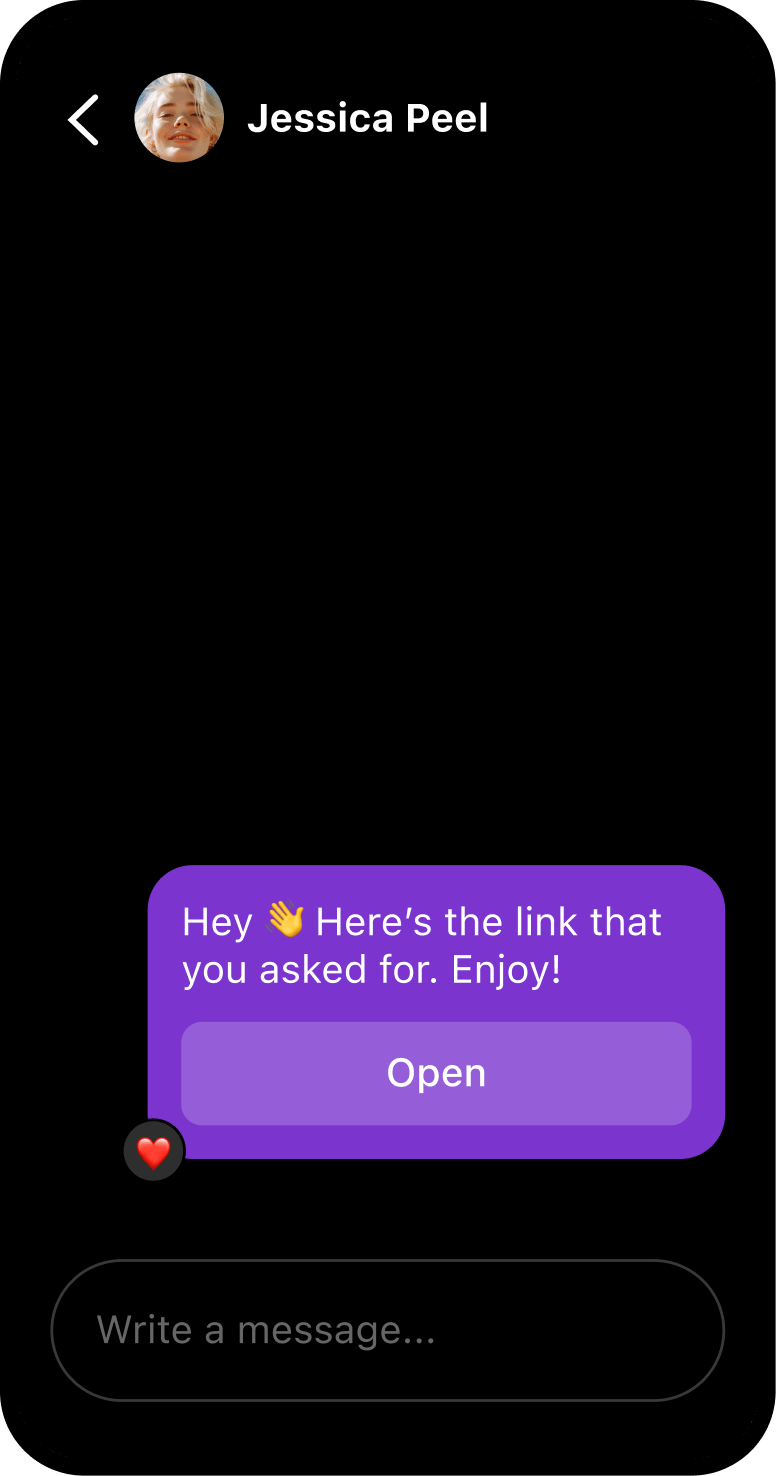
- Comment-to-DM: Turn your social posts into lead magnets. When followers comment on a BFCM post, instantly DM them an offer or early-access link.
Happy shopping season, friends!
Get your flows live before the BFCM rush: Create a free Manychat account today.


Originally published: Nov 19, 2025, Updated: Nov 20, 2025
More stories worth reading
More content that's too good to miss