Luke Januschka: Why Simple Beats Sophisticated in Restaurant Marketing

Luke Januschka loves to eat — as in, going out to dinner is his passion. So much so, he made a career out of helping those slinging burgers and fries break through in the age of endless scrolling and swiping.
Some people collect baseball cards; this guy collects meals.
“I love seafood, crab legs, sushi, all of it,” Januschka says. “But honestly, I like it all. And coffee? Definitely. Picking one favorite is tough. Give me a top 20 list and I’ll give you an answer.” The guy just really liked food and made it his full-time gig — one version of the American dream.
The Restaurant Landscape
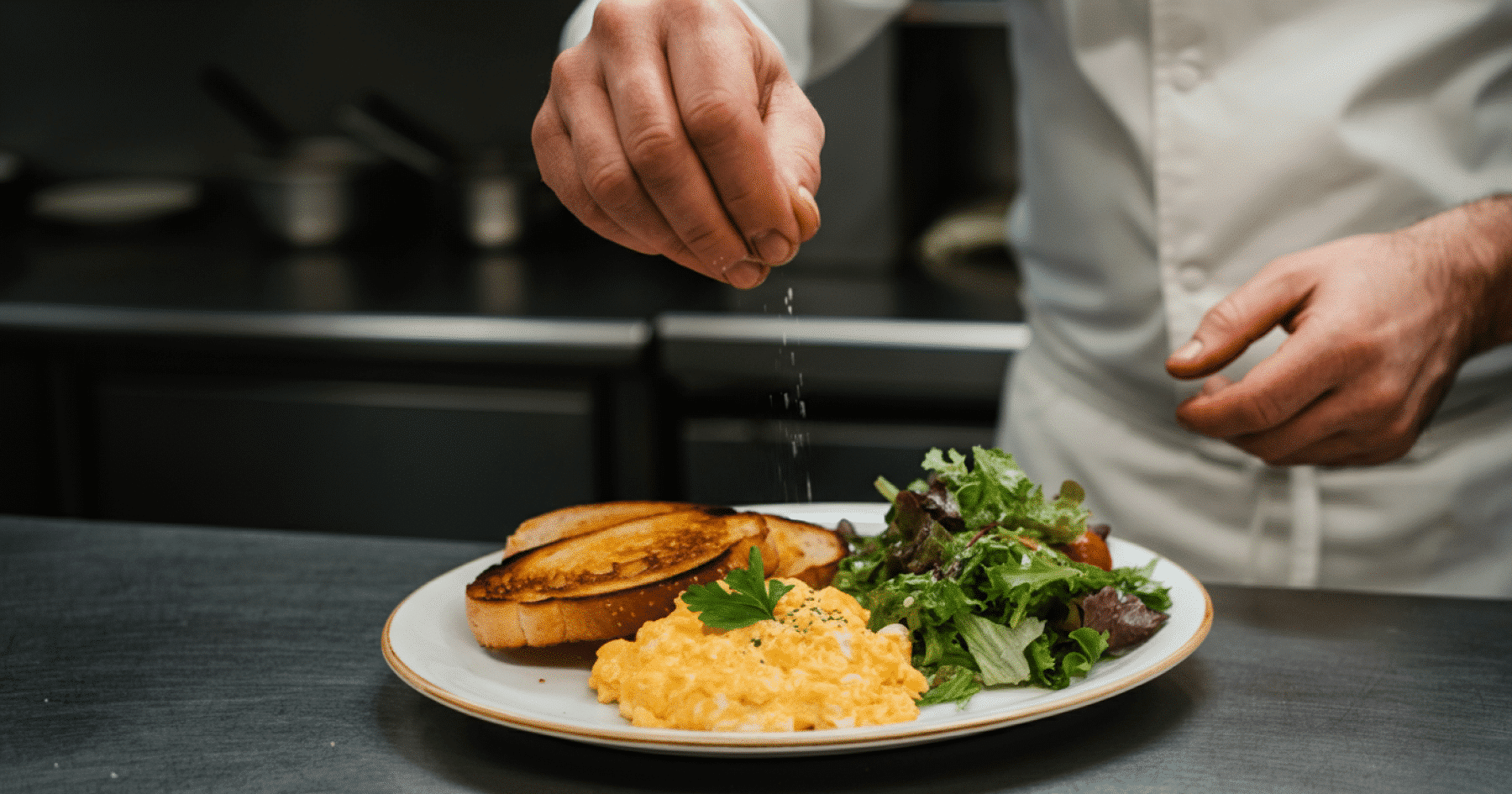
Do you know how many mom-and-pop restaurants there are in the United States? A lot. Out of roughly 700,000 restaurants nationwide, an estimated 300,000 to 500,000 are independents: single-location spots fighting daily for the public’s attention. When the pandemic hit, that fight turned brutal. People were selling toilet paper and bottles of wine with full meal kits. (I know because I bought these takeaway meals — shout out to Blue Corn Harvest in Cedar Park, Texas.)
So, everyone, everywhere, was in a panic.
The breaking point
Januschka remembers the moment: emails pouring in every ten minutes asking to cancel, pause, or turn off the ads. 80% of his restaurant clients disappeared in a matter of hours. What felt like a catastrophe at the time forced him to strip everything down, and in the chaos, he stumbled onto the core philosophy that would redefine his work.
From Pushing Sales to Founder
When Luke Januschka and his best dude, Mike, launched their agency, Restaurant Growth, they weren’t trying to reinvent the wheel; they saw a gap no one else was filling. For many owners, Instagram is a place to post food photos and argue about politics, but the real value is in using it to promote their special hot dogs or Tuesday sub specials with all the behind-the-scenes content people go nuts for.
“We’ve worked with about 3,000 restaurants to date,” Januschka says. “At one point, we were double-checking commissions with a partner program, and the team on the other end thought it looked like fraud. They were like, How do you have this many accounts? And we had to laugh: no fraud. We just signed up a lot of clients.” To be honest, 3,000 is a lot, but also, who commits that kind of fraud?
“We created a secret burrito empire!” What?
He entered restaurant marketing years earlier in Scottsdale, working at Zenreach, a Wi-Fi email marketing company for restaurants. “I was the top sales guy there for a handful of years,” he recalls. “But I noticed something, most of our clients weren’t actually using the software. 90% of them just collected thousands of email addresses they never touched. It drove me crazy.”
So Januschka started going into client accounts, even though it wasn’t part of his job. “I’d set up the triggers and campaigns, and suddenly they were getting results. All it took was actually using the tool. That stuck with me.”
Impact Like Whoa
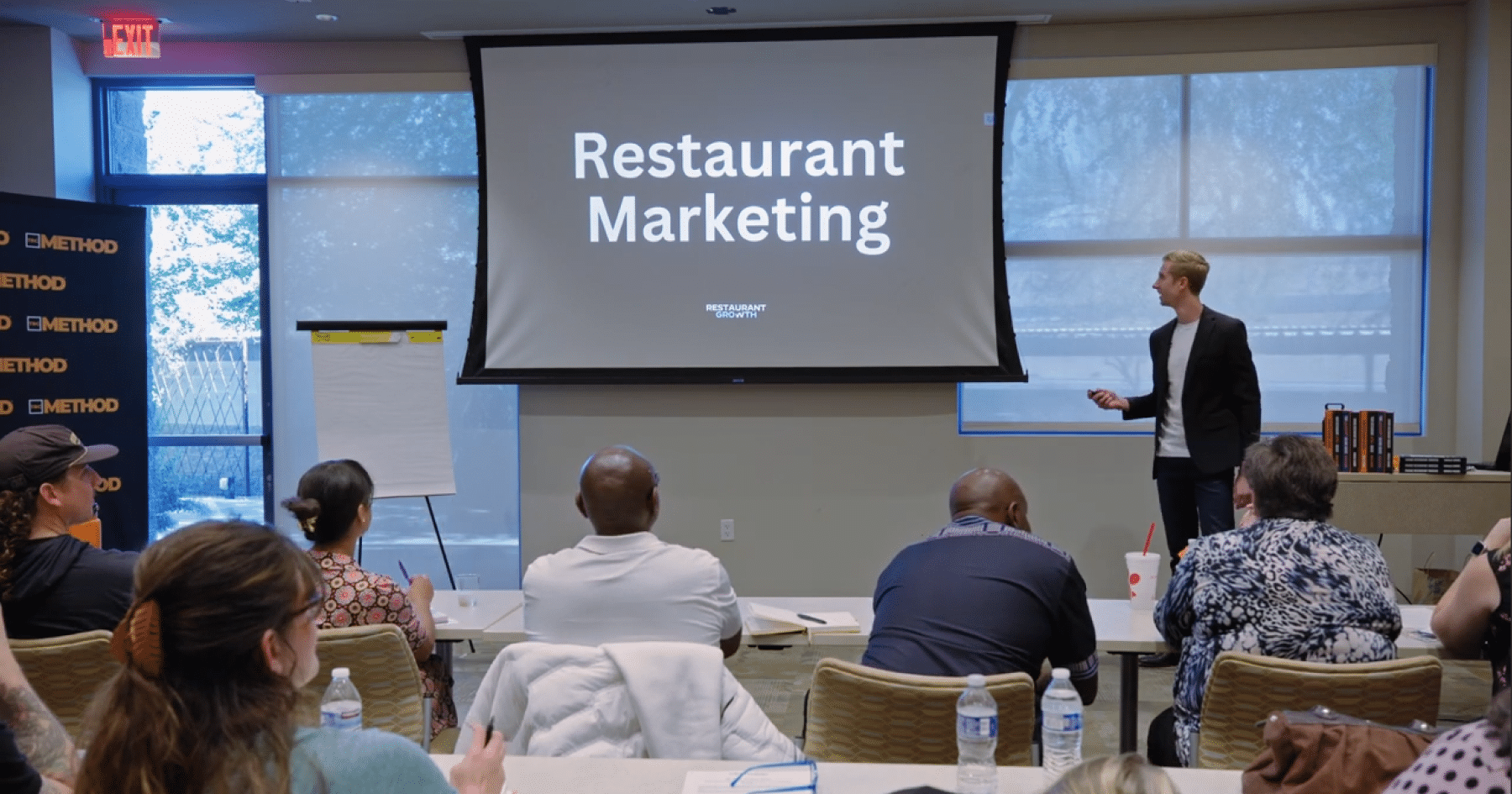
When he and Mike finally decided to strike out on their own, the idea was simple: give restaurants the marketing support they desperately needed but didn’t have the time or staff to run.
“We thought, what if we were like an in-house marketing team, but outsourced, so they don’t have to pay a full salary, but still get real results?” Januschka says.
That idea became the foundation of their agency, which now handles everything from email campaigns to social ads to catering promotions. “Most business owners figure things out by spotting a gap,” Januschka says. “For us, it was obvious. Restaurants had the tools, but not the help. We became the help.”
Luke realized that most restaurants handle catering inquiries like it’s 1995: the hostess picks up the phone, promises the owner will call back, and deals die while they’re hunting for a pen.
“I love that we can actually make an impact,” he says. “And I don’t mean that in a cheesy way. But when clients email us saying, everybody’s talking about how they see our ads everywhere, and then people actually show up, it’s pretty cool to see.”
The Stakes Are High
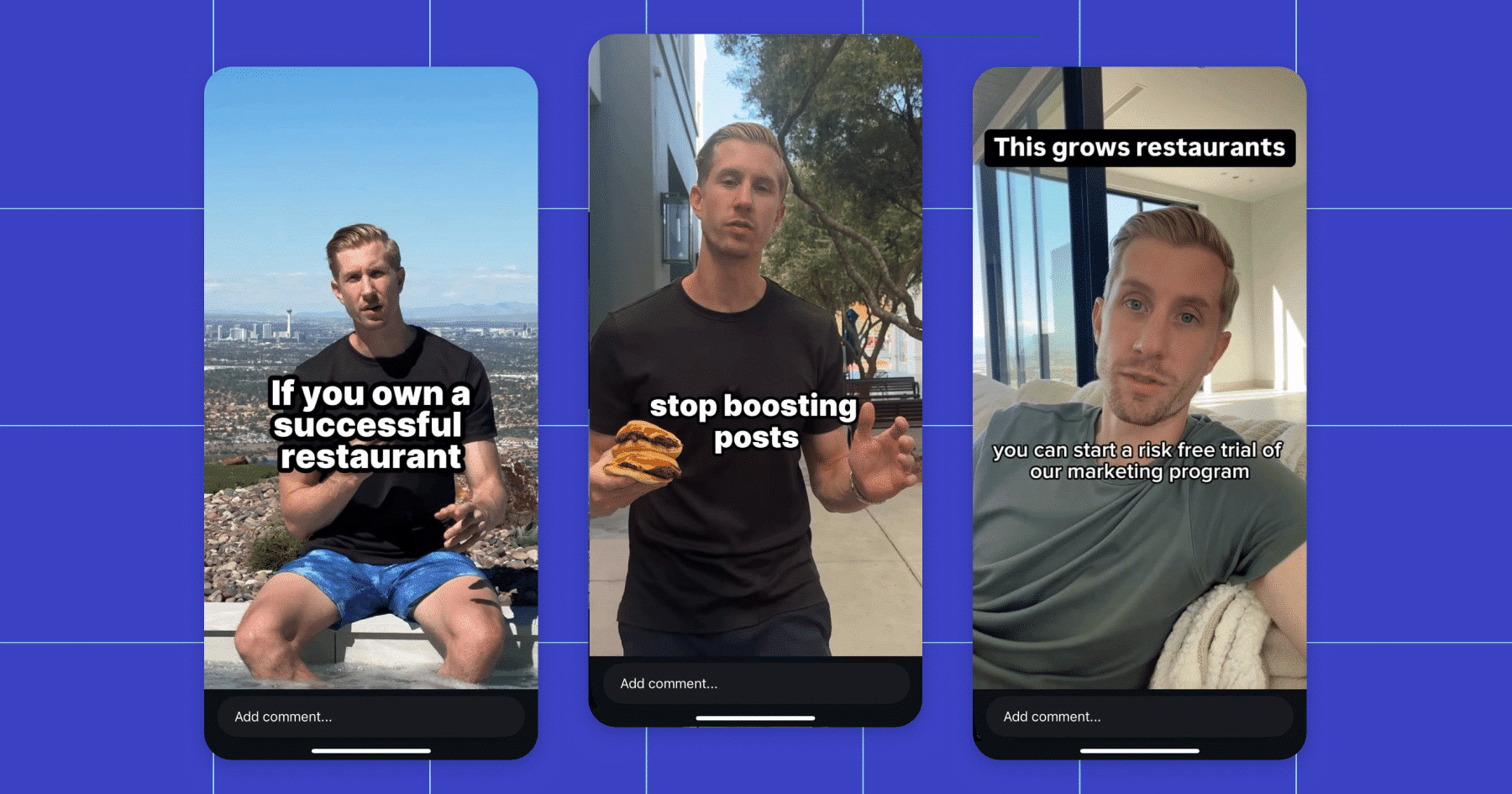
In a crowded industry where nearly half of U.S. restaurants are independents, marketing isn’t optional; it’s serious survival in a brutal market that reeks of fry grease. Ads amplify what’s already great, helping standout spots cut through noise, reach the right diners, and turn one-time visitors into loyal regulars who keep the lights on.
Most restaurant owners either have to hire a social media person or risk losing their market share because, really, these folks are working night and day to ensure they serve quality food, so it’s not some crazy idea that they don’t have the time to show how they put together their Friday pork chop special.
COVID nearly broke the business, but the chaos forced reinvention. “We had to ask ourselves, how can we help if they’re not open for dine-in? So we pivoted, selling gift cards, pushing online sales, finding any way to keep revenue flowing. It was rough, but it made our service stronger.”
Ads as Truth Serum (Definitely not Poison)

Part of the problem, he explains, is that many restaurant owners confuse posting with advertising. “They’ll boost posts or put something up for their followers and think that’s advertising. But it’s not. Once we run real ad campaigns for them, the results are totally different.”
Of course, not every campaign is a slam dunk. “Ads don’t work for everyone,” Januschka admits. “They work best when there’s already a strong product-market fit, when people love the food, the location’s good, and the reputation is solid. If a place has 3.5 stars and it’s tucked in a back alley, ads won’t fix that.”
That’s why he describes marketing as a kind of truth serum. “Ads expose the truth. If the product and brand are truly great, people just need more exposure, and things fall into place. If they’re not, ads make that clear, too.”
Case study: Rainbow Cone
One recent success proves his point. “We just launched a campaign with Rainbow Cone in Hurst, Texas. They do these wild ice cream cones where the flavors aren’t scooped; they’re sliced and stacked, bright, colorful, totally unique. Hundreds of people poured in almost immediately. That’s the kind of feedback we love, because it shows us the ads are amplifying something that’s already special.”
“Ever since I was a kid, I thought restaurants were the coolest thing in the world. You didn’t have to clean up after yourself, and it felt like this special family experience. Now I look at them differently. Restaurants are the backbone of local communities, but they’re under constant pressure: food costs, labor, razor-thin margins. Too many play defense instead of offense. The truth is, if you’re doing $100,000 a month, you should be spending two to four thousand on ads. Most spend less than five hundred. That’s the difference between struggling and growing.”
If only everywhere could be a Tucson pizza place
In Tucson, one client’s story stands out more than any metric. A family-run pizza place was staring down collapse when COVID hit. “She was almost on the brink of tears in her testimonial,” Januschka remembers. “They were scrambling, saying, I don’t know what we’re going to do.”
His team pivoted fast, helping the restaurant tell its community it was still open for takeout, delivery, and online orders. “We wanted to send the message: don’t worry, the world’s gone crazy, but your pizza joint is still here.” Soon, cars were lining up in the parking lot, customers paying at the curb, and pizzas handed straight into windows.
That moment crystallized his philosophy: the basics win. “People ask us what makes us special, and honestly, nothing. We’re not magicians. We help restaurants do the fundamentals they’re not doing.”
The Three Pillars

For Januschka, those humble fundamentals come down to three pillars: ads, databases, and systems.
Paid ads solve what he calls the “exposure problem” — not enough people knowing a restaurant exists. Then comes database building: “We use email, text, Manychat broadcasts — our goal is to get clients past 10,000 contacts as quickly as possible.”
The third piece is systems, like catering sales processes. “A lot of restaurants have no catering system at all,” he explains. “The hostess picks up the phone, says the owner will call back, and two days later, the deal’s gone. So we set up Calendly — super simple — just to book calls directly. That alone wins them business.”
TL;DR: The Basics Win
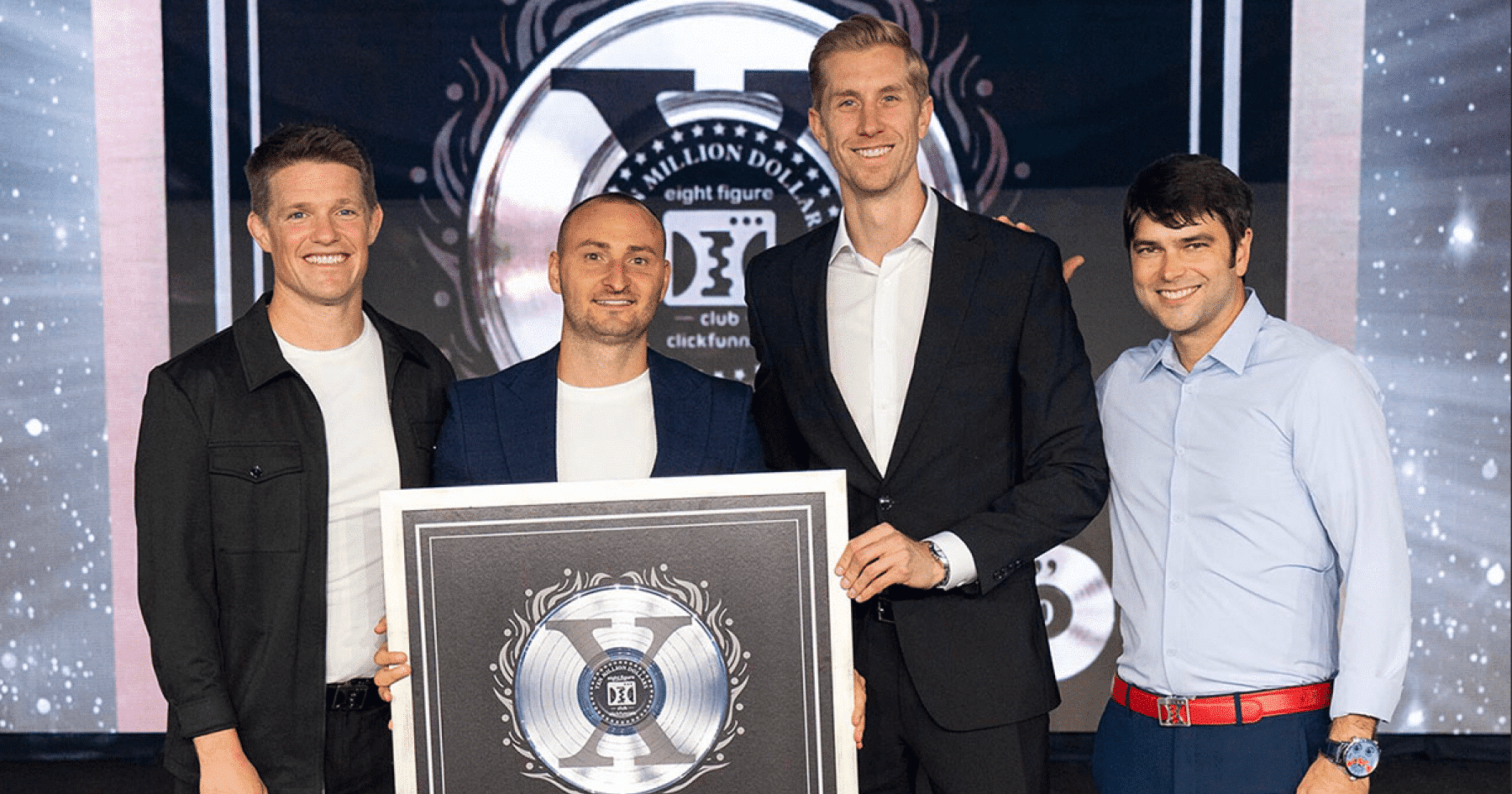
For the Restaurant Growth team, it isn’t rocket science. It’s discipline.
“It’s just the basics,” he says. “Ads, follow-ups, systems. Do those things right, and restaurants survive and grow in the toughest moments.” The average independent restaurant owner is over 50 and learned business when Yellow Pages ads worked.
Now they’re supposed to understand Instagram algorithms and Facebook pixel tracking while also managing food costs and staffing shortages. Who could blame them for wanting help promoting their steak night?
Bone-apple-tea, or whatever.

Originally published: Oct 10, 2025, Updated: Dec 17, 2025
More stories worth reading
More content that's too good to miss