Want to Make Sales on Instagram? Build Real Relationships First

There’s no shortage of vintage stores in Austin, but only one I visit (and buy from) regularly.
Why? Because the shop owner knows my name, follows me on Instagram, and always predicts what I’ll pull off the rack before I even find it.
That’s IRL. But on Instagram, where attention is fleeting and competition is endless, building that kind of relationship can be the difference between a casual lurker and a customer for life.
Ahead, we’ll explore how to build relationships on Instagram, drawing from Tyler Angelos’s success and his blueprint for growing an engaged community from the ground up.
The Relationship-First Mindset: Why It Works

HubSpot’s 2024 Instagram Engagement Report revealed that 70% of shoppers turn to Instagram to make purchases, and 80% of Instagram users follow brands. But following alone doesn’t guarantee a sale; most people will only open their wallets for brands they relate to on a personal level.
Crystal King, Senior Professor at HubSpot Academy, puts it this way: “Today’s consumers want to see some personality and what brands stand for.”
In other words, spamming the feed with promotions won’t cut it. Users want to connect with you — the human behind the account — and feel like a part of a community. That’s how you turn a casual scroller into a loyal buyer.
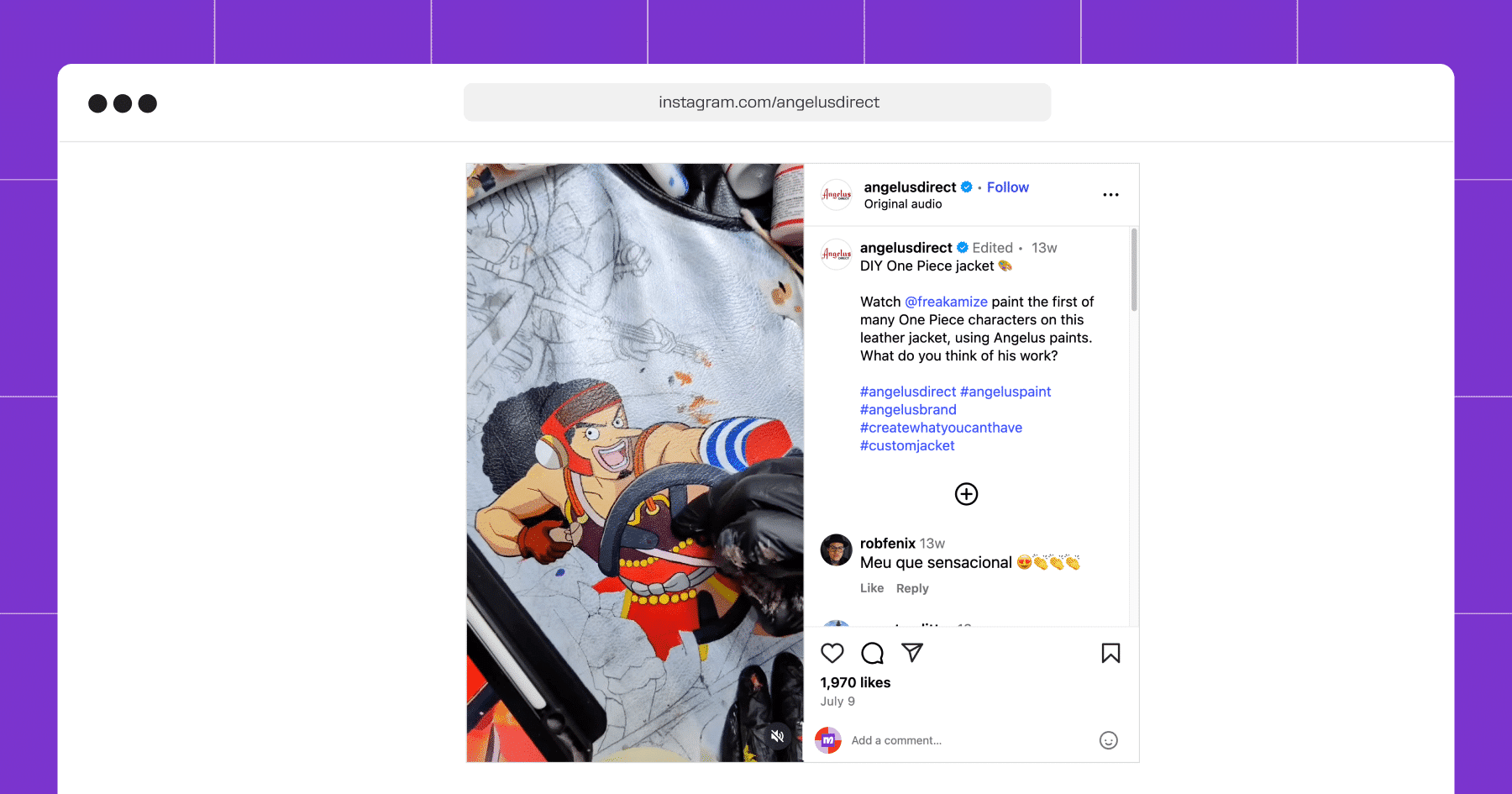
Angelus Direct: How a 100-year legacy became a global online community
Tyler Angelos is the CEO of Angelus Direct, a 100+ year-old company founded by his grandfather, a Greek immigrant who started selling shoe polish on the streets. For decades, Angelus was known for its leather care products (shoe polish, cleaners, conditioners, and waxes), but about 15 years ago, Tyler decided it was time to bring the brand online.
He launched Angelus Direct as the company’s direct-to-consumer arm, and, over time, began pivoting from pure shoe care into the niche art space — paints, dyes, and other products for customizing leather, denim, and canvas.
The turning point came when Tyler leaned into Instagram. What started as a way to show off products became the catalyst for massive growth: his social-first strategy drove so much e-commerce demand that major art supply stores began calling him, asking to carry the line. Today, Angelus Direct ships worldwide, with a strong following in the UK, Australia, Mexico, and South America.
Through it all, Tyler has built his Instagram strategy around one guiding idea: “We don’t try to make the sale. We try to make them happy… like they’re a part of team Angelus,” he says.
This approach has created a fiercely loyal audience so invested that they often step in to answer questions about Angelus Direct products on YouTube and Instagram (sometimes faster than his own staff could). That kind of peer-to-peer support proves that when you focus on building genuine relationships, your customers don’t just buy from you; they advocate for you.
That kind of advocacy is priceless in an algorithm-driven, attention-scarce Instagram world. So, let’s talk about how to work toward it.
Create Content that Connects (Not Just Converts)
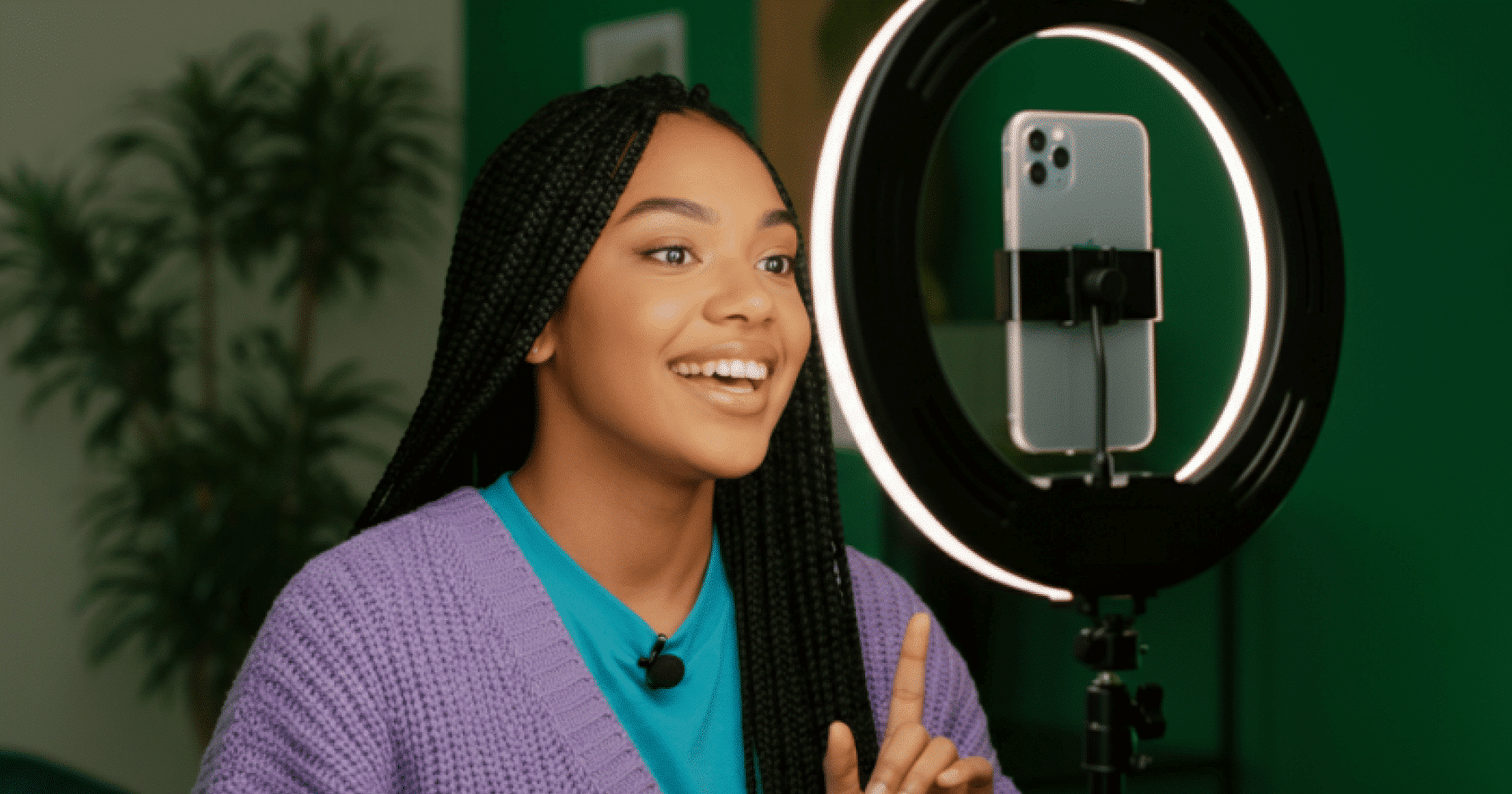
On Instagram, content is key; it’s how you get noticed and keep users coming back for more. But not all content earns trust (or engagement) equally. According to Hubspot, the top-performing post types last year were:
- Product or service demos (49%)
- Funny content (40%)
- Authentic, relatable content (38%)
There’s a common thread: Each format gives people something beyond a sales pitch (in this case, education, entertainment, and inspiration).
Juice that UGC
If you look at the Angelus Direct Instagram, you’ll notice a heavy dose of social proof. This is a smart choice because positively framed user experiences can increase conversion rates by up to 270%.
A post from a peer endorsing your product or service will almost always outweigh a polished ad in terms of trust and influence. Angelos has mastered this strategy. “We don’t UGC farm. We find people who already love our product and work the relationship,” he says.
His content formula breaks down like this:
- Highly artistic Reels earn massive views (think intricate sneaker art or jaw-dropping leather restorations).
- Entry-level tutorials, like a simple color change on a handbag, convert casual viewers into paying customers.
- UGC testimonials make for powerful ads because, as Tyler says, “The best-performing posts aren’t the most polished. They’re the most relatable.”
Additionally, instead of simply reposting users’ content, Angelus Direct uses Instagram Collab posts so content appears in both their feed and the creator’s.
Timing is everything
Your post’s timing, frequency, and format can dramatically affect the number of people who see and engage with it.
Of course, the best thing to do is to post when your audience is most active. If you have a business or creator account, you can easily find this information in Insights:
Navigate to your profile, tap the “Professional Dashboard” or the three horizontal lines (menu), and then “Insights.” Under the “New followers” tab, you’ll find a section called “Most Active Times” that shows when your followers are online.
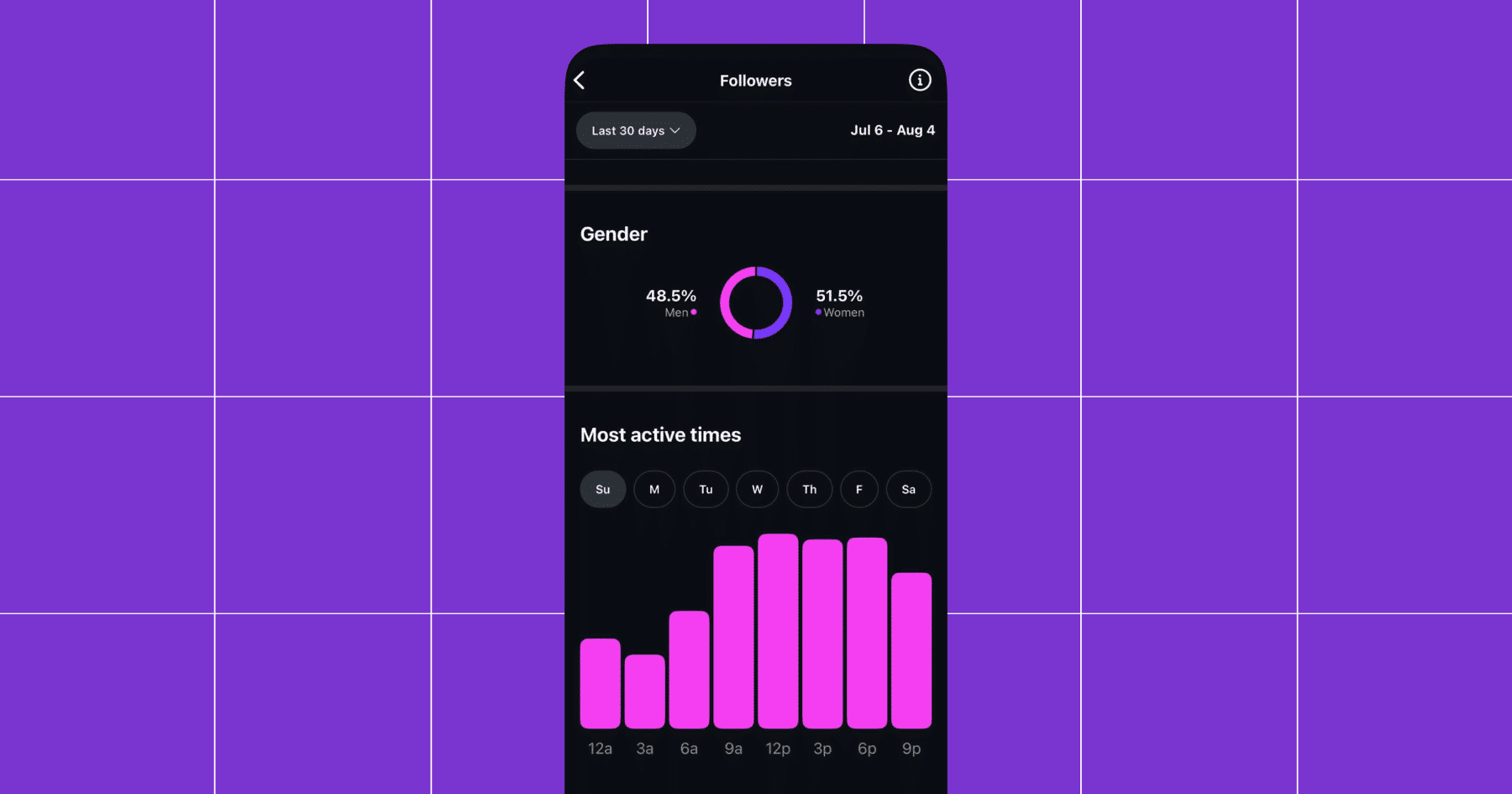
If you don’t have a professional account, don’t worry. HubSpot reported on the best times to post for maximum engagement:
- Best day to post: Friday
- Best times: 12 to 3 PM and 6 to 9 PM
- Best frequency: Multiple times per week or daily
Interactions > impressions
The Instagram algorithm rewards meaningful interactions over passive views. A post with fewer likes but more comments, shares, or Story replies will perform better in the feed than a high-like, low-interaction post.
To encourage more interaction on your posts (like this one):
- Ask questions. Instead of ending your caption with a statement, try prompts like “What would you paint with this color?” or “Which design do you like better?” The more specific the question, the more likely you’ll get responses. Below, you can see an example from Angelus Direct that garnered over 100 comments:
- Use interactive Story stickers. Polls, emoji sliders, and quizzes get quick taps, making followers feel like part of the brand conversation. Even a simple poll like “Should we bring this color back?” can double as market research.
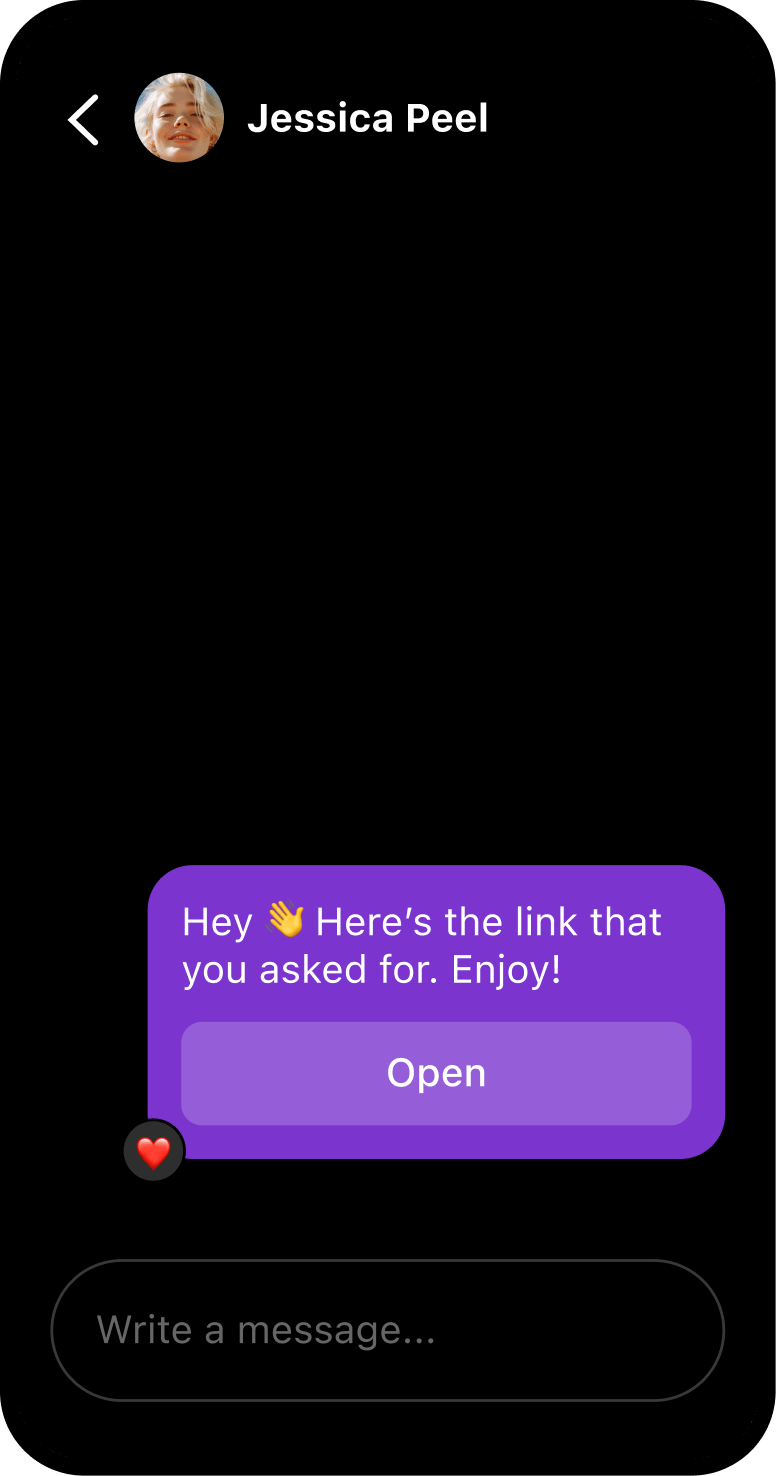
- Respond quickly to comments and DMs. About a third (32%) of consumers expect a DM response within an hour.
Engagement Is an Invitation — Don’t Forget to RSVP

On Instagram, every interaction is a potential conversation starter, and the more personal the exchange, the better.
A like, a comment, a Story reply — these may seem like small gestures, but they’re signals that someone saw your content and took action. The smartest creators don’t let those moments pass them by; they keep the conversation going.
Angelos knows the value of acting on these cues. “I saw our product in the background of someone’s post. We ended up DMing them to say we loved their work,” he explains.
This wasn’t an attempt to win over a new customer — it was a personal acknowledgment of someone already using their product. Angelos knew he wasn’t about to make a sale, but his message made that customer more likely to stick around, buy again, and tell others about the brand.
How to respond to different touchpoints
Treat each interaction on its own terms, and you’ll turn quick taps into conversations that actually go somewhere.
Likes = passive signals of interest
For the most part, likes do not warrant a direct response. Use them to identify engaged followers and be ready to act when they take a higher-intent action like commenting or replying to a Story.
Comments = public opportunities to connect
When it comes to comments, the best way to handle them is to reply quickly and make it personal. Skip the generic “Thanks!” and instead, invite further conversation.
For example, if someone:
- Drops you a compliment; ask a related question. “Glad you like this color! What shades would you pair it with?”
- Tags a friend; acknowledge it. “Love the tag-team. What do you two think of the new packaging?”
- Shares their own experience; validate it. “Yes! That’s exactly what we were going for.”
We’ll go ahead and drop this here: To Automate or Not? Here’s How to Respond to Comments on Instagram
Story replies = warm leads for private conversation
When someone replies to your Story, DM them with a personalized note. If they hit you with a 🔥 or 😍, thank them and ask a simple, friendly question, like “Which one’s your favorite?” or “Would you try this yourself?”
If their reply is more detailed, build on it. Acknowledge what they said, share a related tip, or link them to something that adds value. The aim is to keep the exchange casual and genuine while creating space for a longer conversation.
P.S. Manychat’s Story reply trigger can kick off a predefined messaging flow. You can launch into a lead qualification funnel, a quiz, or something else.
Post shares = high-value advocacy moments
When someone shares your post, they’re putting their stamp of approval on it — that’s a big deal. Send a quick DM to thank them, and reference the specific post they shared: “Really appreciate you sharing our latest tutorial. Let us know what you want to see next!”
You can also reshare their Story or post to spotlight their support and encourage them to keep engaging in the future.
Non-Transactional Gestures: Worth a Try

Not every interaction with your audience needs to lead to a purchase. In fact, some of the most impactful brand moments happen when there’s no expectation of a transaction occurring.
Angelos has made personal gestures a big part of his brand’s relationship-building strategy. “We’re known for doing crazy care packages and having a lot of fun with that kind of stuff,” he says.
In one case, Angelos sent a neon sign and merch bundle to a longtime fan who had been overlooked. “She did a huge post about how she’s been following us since day one. She was showing off all the stuff she’s bought over the years…it was totally our fumble that we never noticed her before,” he says.
These moves don’t have an immediate ROI, but they pay off in other ways, like strengthening loyalty with your current customers and encouraging word-of-mouth marketing.
If you’re thinking of giving this a try, here are a few best practices to keep in mind:
- Rightsize the gesture: Don’t blow out your budget for one surprise and delight moment. You can go as small as a handwritten thank-you card or as big as a personalized gift box.
- Make it personal. Reference something specific about the customer’s interaction with your brand (e.g., their favorite product, how long they’ve been following you, a post they shared).
- Keep it unprompted. The impact is bigger when the gesture isn’t tied to a purchase, campaign, or request.
- Spotlight recipients (with permission). Share their story on your feed or Stories to make them feel celebrated and inspire others.
- Vary the surprise. Mix it up so the gesture feels fresh and genuine every time.
No matter how popular your account is, profitability is not guaranteed. What will improve your odds is building real relationships with your followers — the kind that naturally lead to conversions over time.
That means resisting the urge to turn every interaction into a pitch. Instead, post with purpose (especially UGC), engage with people in your comments and DMs, and care for your customers long after the sale.
Tyler Angelos has seen Instagram change over the years, and he quickly points out that follower count isn’t everything: “Instagram has gotten a little bit more difficult over the last year or two.”
Instead of chasing vanity metrics, he focuses on what drives actual results: “I find it more valuable to have real, organic conversations with people than to worry about the account itself…it leads to more conversions and makes more financial sense to reach out to people who already use our product and make sure they’re happy with it.”
And while the human touch is non-negotiable, you don’t have to handle every interaction manually. With Manychat, you can automate the quick, repetitive replies so you have more time (and headspace) for the high-effort, high-impact conversations that build real relationships.
Get started with Manychat
✋ Frequently Asked Questions (FAQs)
1. How do I balance building relationships with selling my products or services?
Think of selling as a perk of the relationships you build. Focus most of your content on value — tutorials, BTS moments, and UGC that feels real. When you do promote, pair it with a clear CTA like “Shop the link in bio” or “DM us to sign up.”
A good rule of thumb is the 80/20 balance: 80% posts that make people want to stick around, 20% promotional. This way, followers never feel spammed, but always know how to buy when ready.
2. What if I don’t have much user-generated content (UGC) yet?
Start small: Feature reviews if you’ve got them, or ask a friend or follower to try your product or service in return for a testimonial. You can also run a simple campaign, like “Tag us to be featured on our page.”
If you’ve got some budget, consider tools like UGC Shop or Bello. They connect brands with creators who can produce authentic content, helping fill the gaps while you build up organic UGC from your own community.
3. How do I keep engagement consistent when growth slows down?
When growth plateaus, shift your focus from reach to depth. Ask questions, host Story polls, or go Live to talk directly with your audience. For more ideas, check out Want More Likes, Comments, and Shares? Try These Instagram Engagement Strategies.
4. How can I scale personal interactions without burning out?
Focus your energy on important conversations (complaints, potential conversions, etc.) and let automation handle the rest. You can also use the AI Intention Recognition trigger to interpret the meaning behind follower messages and send a tailored response automatically. This helps you save energy for conversations that truly need a personal touch, while making followers feel heard and supported.
5. How do I measure if my relationship-first strategy is working?
Look for signs of loyalty:
- Are people commenting on your posts or DMing you more than once?
- Are you seeing new or repeat customers?
- Are followers sharing your posts or tagging their friends?
If you can confidently answer yes to any of these, your relationship-first strategy is paying off — keep at it.


Originally published: Dec 10, 2021, Updated: Oct 16, 2025
More stories worth reading
More content that's too good to miss