The Creator Economy Is the New Indie: Zines, Blogs, and Substack
While your favorite indie band is still splitting $200 from a Tuesday night gig in Brooklyn, one creator just bought a house from their content: making TikToks about obscure Soviet bus stops. Another clears $10K a month reviewing Halloween merch or hunting down the weirdest snacks at Trader Joe’s.
Welcome to the creator economy, where niche isn’t a strategy — it’s the whole game. The goalposts have changed, and that’s just the rules of trying to remain relevant within an ever-changing culture.
If there’s one rule of content creation, it’s that the DIY ethos rules all. Until someone becomes a brand and can afford to be an employer, it’s usually a one-person show. The DIY ethos that defined indie culture for decades has migrated from music venues and zine distros to newsletters, OnlyFans, and YouTube channels.
Same energy, different platforms, way better money.
Niche is The New Big
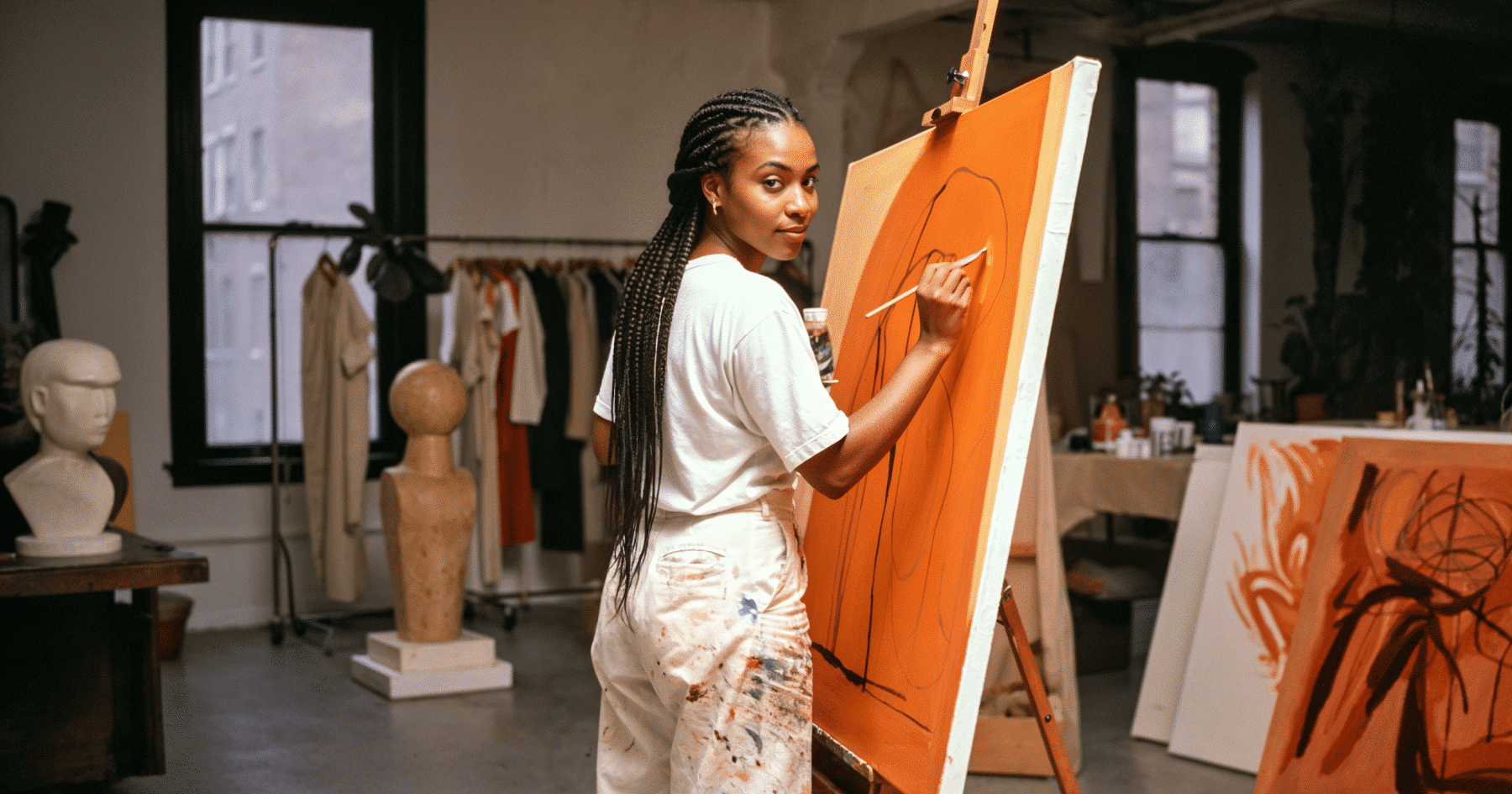
If you’re a thinker, a band, a poet, or a painter, the world of social media is just how you connect with people on a bigger scale. While there’s the sting of feeling like a sellout, this is just how the game works now. As much as we crave authenticity, Maximumrockandroll had 10K readers; there are Substacks with over 100K.
As an old guy who came up in the underground DIY punk scene, this is my lane. Back then, we had zines, indie labels, and blogs. You’d make a zine, get a table at a show, and hope to spread the word person by person.
Now, there are no gates: you build your audience, stay authentic, and what was niche can change someone’s life. The Chicago Hardcore/Punk scene educated me into the person I am today, and I’m sure social media is doing the same for someone else.
Ethos is Ethos as a Creator

Over 60% of video creators say they already make a living from content, and 86% identify as entrepreneurs, not entertainers.
This shift has spawned two camps:
- Indie purists, who view monetizing self-expression as a betrayal.
- Creator-economy advocates, who argue that sharing personal stories on platforms like Substack or TikTok represents an innovative business model.
Breakup influencers are prime examples, turning emotional distress into lucrative content: one TikToker earned six figures by charting her “healing journey,” but experts warn of the pressure that comes with performing trauma.
The commodification of vulnerability runs deep. Mental health influencers, particularly on TikTok, play an informal role in educating youth. Yet too much exposure can harm creators, leading to burnout and identity crises. According to Vibely, 90% of creators report burnout, with 71% having considered quitting.
These Values go to 11
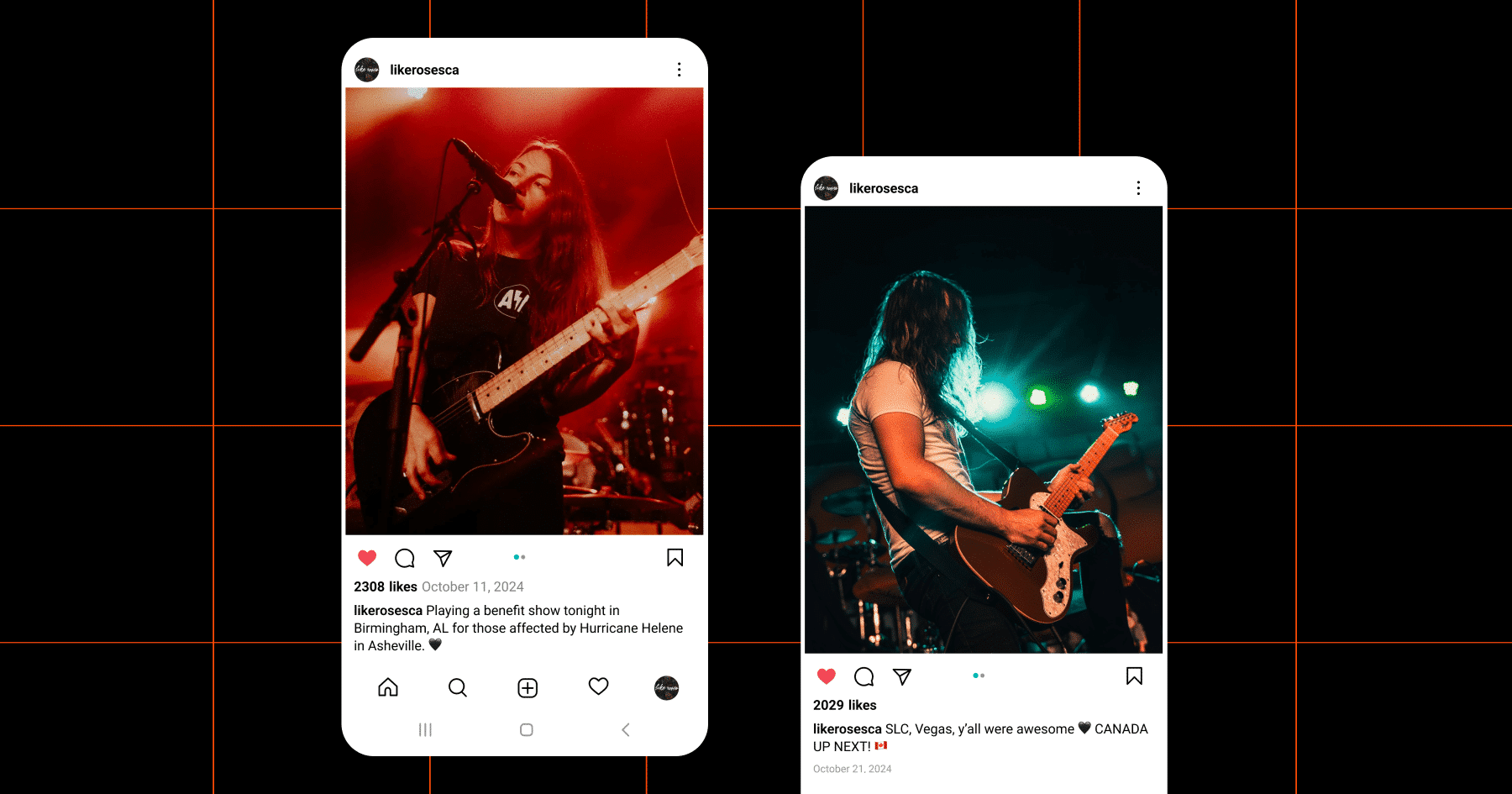
TikTok and Instagram are different animals. Like Roses, a punk band, blew up on Instagram; Yosemite in Black, a hardcore band, saw 1.5M YouTube views on “Cold Shoulder.” Without sharing, neither would have landed the opportunities they have.
For a musician looking to break out, touring is brutal. “For 82% of independent musicians worldwide, touring beyond their local area is simply unaffordable.” Ditto Music’s 2025 survey found most can’t cover travel, lodging, and gear costs. Platforms have become the new venue bookers.
With record labels fading, there’s no risk of being dropped — your fate is between you and your fans.
The TikTok algorithm is the new tastemaker, breaking songs to millions in hours, often without the artist even knowing. Indie radio DJs champion niche sounds through curation and personal relationships; TikTok relies on data-driven virality, favoring tracks that fit trends over those that challenge them.
Authenticity vs. Monetization
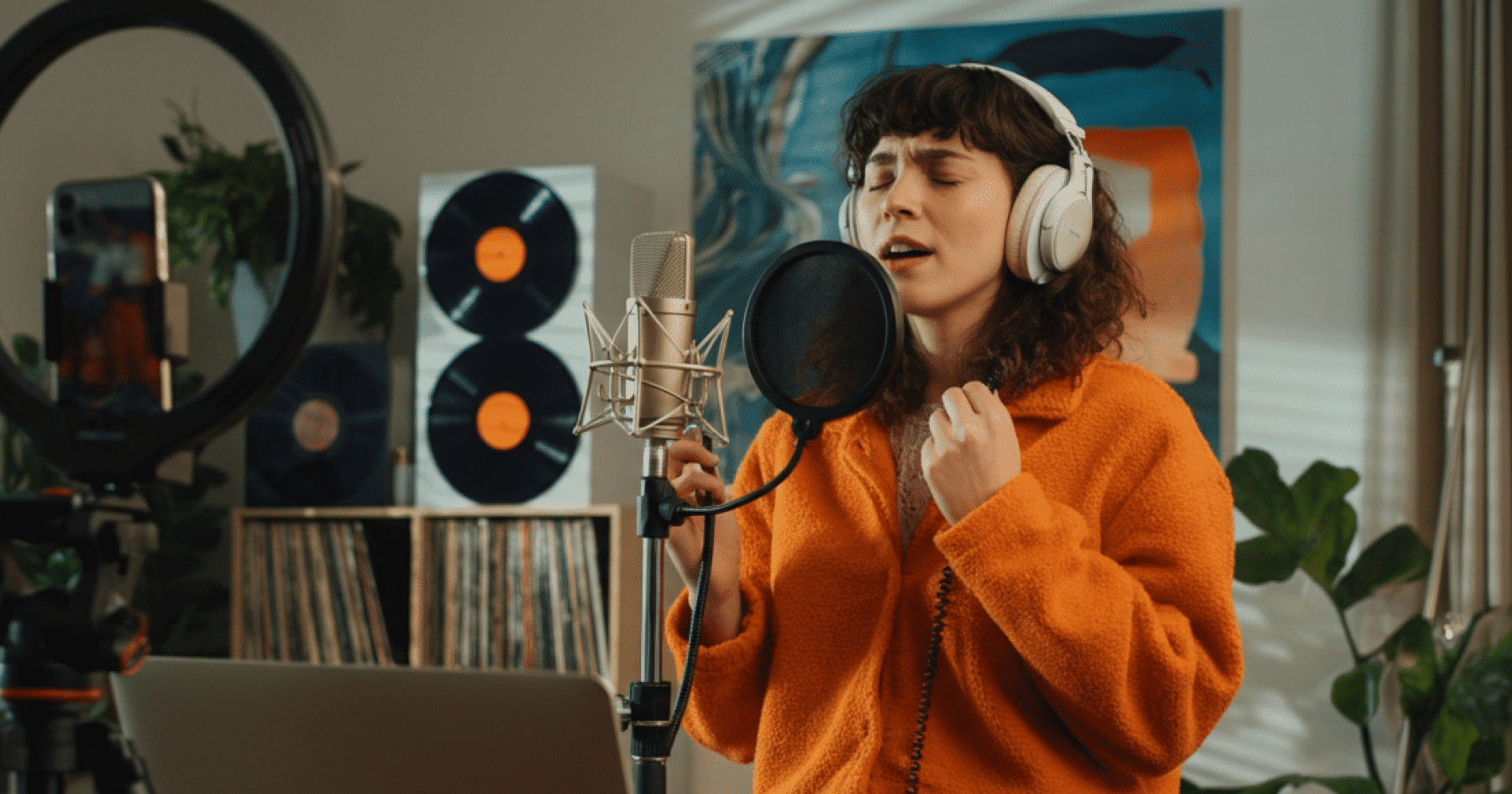
Bands like Papa Roach, Limp Bizkit, and Deftones are playing bigger crowds than in years, especially Papa Roach, whose 15-year-old song “Scars” has been used almost 40K times on TikTok. The band didn’t make it happen; they just kept grinding until the algorithm handed them a second act.
On Patreon and Substack, creators keep ownership and build direct audience relationships: no label cuts, no middlemen. While 96% of creators earn under $100K a year, that still beats 99% of bands in traditional deals, where streaming pays pennies and touring loses money.
Ian Mackaye and Fugazi warned us against selling out: “You are not what you own.” The ethos is still respectable. But when everything feels like a billboard, how else does a band get heard without playing the game? You have to play along without losing yourself.
Chess, not checkers.

Originally published: Sep 9, 2025, Updated: Oct 10, 2025
More stories worth reading
More content that's too good to miss