Ethical TikTok Automation: Striking the Balance Between Efficiency and Authenticity

You post a TikTok video. Then you go to sleep. That's when it happens: the video pops off at 2 a.m. and goes viral; the comments turn into their own group chat, and by the time you wake up, you're staring down a hundred versions of the same three messages.
You could spend your morning answering those messages, but what if most of them were automatically acknowledged and responded to before you woke up? That's how TikTok automation works — and done right, it's great.
But automation isn't absolution, and handing the busywork to a bot doesn't mean you're off the hook for the relationship behind it. The creators and brands who get TikTok right are the ones who know when to let automation handle it, and when to step in and actually show up.
That's the balance this piece is about: finding efficiency without losing the human touch that got people following you in the first place.
TikTok Automation: A Game-Changer for Busy Brands and Creators
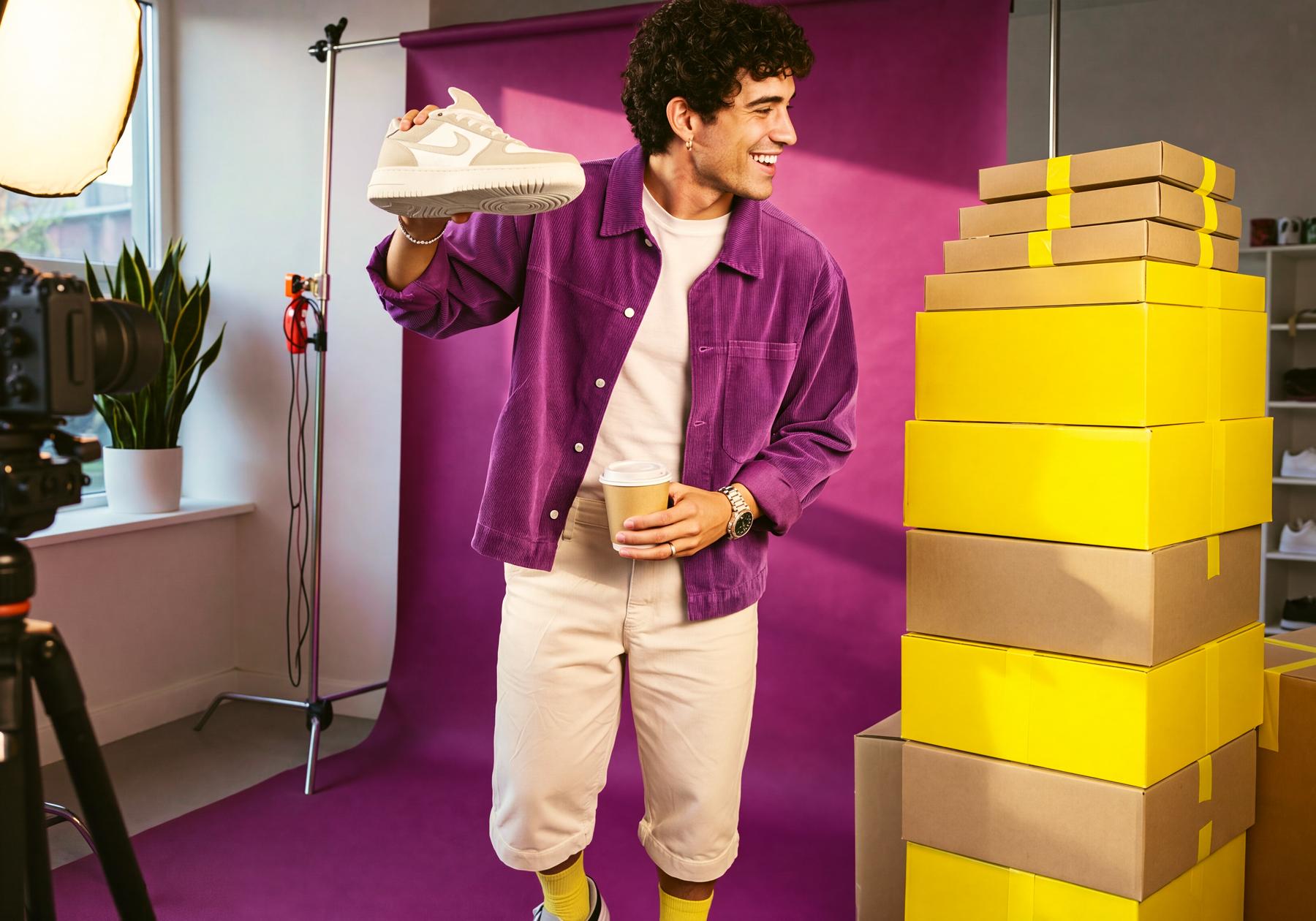
TikTok moves quickly, and balancing DMs, comments, collabs, content creation, researching new tools, marketing your efforts, and staying engaged can feel like you’re working overtime. Unless your goal is to survive on caffeine and burnout, automation is the lifeline you didn’t know you needed.
At its best, automation handles the busy work so you can focus on creating. It helps you:
- Save time: Instead of answering the same question 15 times, let automation handle FAQs so you can focus on your content.
- Boost engagement: Automated replies keep the conversation going, which tells TikTok’s algorithm that your content is worth showing on the For You page.
- Scale effortlessly: Whether you have 500 followers or 500,000, automation ensures nobody feels ignored, even when your inbox is a nightmare.
But let’s be clear — automation should enhance your interactions, not replace them. Nobody wants to feel like they’re chatting with a robot, and if your responses sound stiff, your audience will bounce.
So, where do you draw the line between efficiency and authenticity? We’ve got you covered with the dos and don’ts.
The TikTok Automation Do’s and Don’ts

Every social platform has its culture and quirks; TikTok is no exception. It’s fast-moving and engagement-driven, but it also thrives on authenticity. Creators and businesses build massive followings, which require genuine connection to maintain. Overautomation is one of the fastest ways to come across as disconnected and kill that community.
What to do with TikTok automation
Smart TikTok automation strategies include:
✅Auto-replying to DMs: Answer FAQs, share resources, let someone know you got their message, and will get back to them.
✅Comment-reply automation: This has limits, but you can also respond to FAQs in comments and share resources around upcoming merch drops or events.
✅Keep it casual and on-brand: TikTok isn’t a super formal space, so don’t set up automation that sounds like a highly technical help page.
✅Use it wisely: Set up keyword triggers around giveaways so when someone comments WIN, they’re automatically sent the details.
What not to do with TikTok automation
Automation can hurt instead of help if you:
❌Make it spammy: Mass-replying in comments with the same message is not a good look.
❌Don’t set alerts: If a post is blowing up and every response is automated, you’re missing out on a big opportunity to engage your audience (and potential collabs from brands and creators!) in real time.
❌Never refresh your messaging: Keep messaging from going stale by regularly checking in, ensuring it stays on-brand and isn’t causing interactions and engagements to decline because the same responses have been going out for months.
Let the bot take the opening salvo in most conversations and set clear expectations for when you or another human (depending on if you’re a solo creator or part of a team handling brand communications) steps in.
When to Step In: Signs It’s Time for a Human Touch

Here’s when it’s time to take over from your friendly robot assistant:
- Complex questions: When a question goes beyond the standard FAQ you’ve programmed in, it’s time to escalate to a real human for handling.
- Personal responses: Don’t let the robots listen to someone baring their soul in your DMs. If you’ve shared a personal experience and are getting emotional responses, set aside time to handle those yourself.
- VIP moments: If a high-profile customer or creator you admire engages? That’s your cue to step in and shine.
Leaving any of these to an automation to handle is risky. At best, a standard response can be tone-deaf or frustrate customers who aren’t getting their questions answered. A VIP might move on to another creator or brand if they don’t feel they’re getting the treatment they deserve from an interaction. That’s potentially a huge missed opportunity for your brand!
And even the most loyal fans and followers can be left feeling hurt and demoralized if they pour their heart out to their favorite creator only to have it received by a bot that says, “Thanks for the message, babe! Be back soon. 😘”
The Danger of “Set It and Forget It” Social Automation

We laid out some of the most obvious risks associated with automation left to its own devices, like tone-deaf responses and missed opportunities. Still, more situations require human handling.
What not to do
Here are some examples of ways unchecked chatbots can derail conversations and erode any goodwill and community you’ve built around your brand.
💬 Message: Hey! My order came today, and it’s COMPLETELY wrong. Can you help me??
🤖 Response: Thanks for reaching out! How can we help you?
❌ Why it doesn’t work: This kind of autoresponse is meant to be a generic acknowledgment of a message received, which is an important way for customers to know you’re responsive. But it comes across as careless when it's irrelevant to what they’re contacting you for. Worse, customers can get stuck in a loop of unhelpful messages, increasing their frustration and the chances they will never want to interact with you again.
💬 Message: Wow, this is really great customer service I’m getting. Thanks so much.
🤖 Response: We are so glad to hear it; thanks for letting us know!!
❌ Why it doesn’t work: Bots are terrible at reading sarcasm (tech generally struggles with accurate sentiment analysis). If a customer gets stuck in an unhelpful loop and responds with sarcasm, then gets this kind of literal response? They will be done with you and will probably put you on blast within their networks. That’s a missed opportunity to strengthen a customer relationship at best, and can snowball into a huge problem if the customer is a VIP.
But what about when you’re a creator, not a business?
💬 Message: Hey, I’m having a really tough time right now and just wanted to let you know how much I love your work. It really helps me when I’m having a bad day. Thank you ❤️
🤖 Response: Wow, queen SLAY! 😎
❌ Why it doesn’t work: Playful autoresponses are fine in the right context. Setting them up for every single initial message could lead to an exchange like this one, which comes across as callous and unresponsive to the fans and followers you’ve worked so hard to build a connection with.
The risks are similar to those for businesses; at best, you’ve ruined the chance to build a better relationship with one of your most active fans and followers. At worst, you’ve just set yourself up for a PR disaster if that person happens to have a big following of their own and decides to put you on blast.
What to do about it
To avoid situations like these, consider how you set up your automations. Test different types of messages to see how they might work in various situations and tweak your responses as needed. Check in regularly to see how your automations resonate with your audience (if message engagement declines sharply, see if it’s because the responses don’t match, for example) and update them to keep them fresh.
Train your bot on specific keywords: “cancel” and “refund” if you’re a business or sell merch, and strong emotions like “angry” or “sad” if you’re a creator. Ideally, set up alerts for conversations that go off-script so a human can step in before things go entirely off the rails.
Automation should enhance customer experience, not damage it. The goal isn’t to avoid it because it could potentially go wrong, but to set it up intentionally so everyone benefits.
Tools to keep automation in check
Manually monitoring every comment and DM is a lot of work (and not always feasible), but you also don’t want automation running wild. Here are a few ways to keep things under control:
- Use dashboards like Manychat to monitor auto-responses and step in when needed.
- Check analytics: If engagement rates drop or people stop replying to DMs, your automation might be too aggressive.
- Set aside time for a daily check-in: A quick skim of your inbox and comments will ensure that nothing important slips through the cracks.
The goal isn’t to automate everything; it’s to automate wisely. The best creators use automation as a support system, not a crutch. Find that balance, and your audience will feel engaged, not ignored.
How to Disclose You’re Using Automation Without Killing the Vibe

You don’t need to slap a “THIS ACCOUNT USES AUTOMATION” warning on every video, but being upfront about automation is a good way to keep your audience’s trust.
Disclosure works better in the moment it's actually happening: a pinned comment on the post driving the DMs, or auto-reply copy that's upfront about what it is. That way, people find out about the automation exactly when they're experiencing it, not through a blanket label buried in your profile.
Here are some simple, effective ways to disclose automation without making your profile feel like a customer service hotline.
1. Use pinned comments to clarify automated interactions
If you’re running a campaign, giveaway, or any high-volume engagement post, pinning a comment explaining automation is a smart move. It prevents confusion and keeps expectations clear. Try something like:
- “If you comment ‘freebie,’ you’ll get an instant DM.
- “Auto-reply is on for this post! If you get a DM, that’s my system making life easier.”
- “DM replies are automatic, so you get the info fast! But I promise I read everything.”
This kind of transparency keeps engagement high while ensuring nobody thinks they’re getting ghosted or tricked.
2. Auto-replies that keep it real
Let’s be honest; people know automation exists, but how you phrase it makes all the difference. Your auto-replies should be helpful, friendly, and should not pretend to be a personal response.
Here are some examples of ethical, trust-building auto-replies:
- “Hey there! This is an automatic reply so that you can get this info ASAP. If you need anything else, I check messages daily!”
- “This message is automated, but if you need a real convo, reply ‘help,’ and I’ll personally jump in.”
- “I use auto-replies to keep up with DMs, but I’m still here and love chatting! Let me know if you need anything specific.”
This approach ensures that automation enhances the audience experience instead of making them feel ignored.
3. Set expectations in your content
If you rely on automation regularly, mentioning it casually in videos can be a game-changer. A quick “If you comment, you’ll get an auto-reply with details!” in your caption or video text can prevent confusion. Plus, it encourages engagement while keeping everything transparent.
Automation With Integrity: Build Smarter, Stay Real
When done well, TikTok automation is a powerful tool that saves time, improves engagement, and helps creators scale without losing their sanity. But success on social media isn’t just about efficiency; it’s about trust. That’s why transparency matters.
Audiences can tell when they’re talking to a bot, but they don’t mind — as long as they know what’s up. The best creators balance automation with authenticity, using it as a tool to enhance real conversations rather than replace them. Whether it’s setting up clear disclaimers, knowing when to step in personally, or making sure automated messages actually sound like you, ethical automation is about creating a better experience for everyone involved.
As automation evolves and platforms crack down on spammy engagement tactics, creators and brands who lead with honesty will always have the edge. Your audience follows you for a reason — because they like you. So let automation handle the busywork, but keep the heart of your brand human.
Frequently asked questions
Depends on the type. TikTok's Community Guidelines and Terms of Service prohibit automation designed to fake engagement or bypass the platform's systems: follow/unfollow bots, scraping, bulk fake accounts, or artificially inflating likes/views/follows. Auto-replying to DMs or comments through an approved tool (like Manychat) isn't in that category; it's using automation to manage real conversations, not manufacture fake ones.
Not on its own. The penalty risk is tied to deceptive or spammy automation — mass-identical comments, fake engagement, scraping — not to auto-replies that answer real questions. Sloppy automation (generic responses that ignore what someone actually said) hurts your engagement rate more than it risks a ban, but it won't get you flagged the way fake-follower bots will.
No, but FTC guidance is explicit that automated tools can't misrepresent what they are or mislead people, and a few states (California among them) have bot-disclosure laws aimed at commercial contexts. The safe, and increasingly expected, move is to let users know you’re using automation.
Audiences generally don't mind automation; they mind feeling tricked by it. A transparent auto-reply reads as helpful; a bot pretending to be you personally can come off as icky, though.
FAQs, order status, "got your message, I'll be back soon," keyword-triggered giveaway links — all fine to automate. Complex complaints, anything emotional, VIP or brand-deal conversations — keep those human.

Originally published: Feb 19, 2025, Updated: Oct 6, 2026
More stories worth reading
More content that's too good to miss