A fundamental need of the American worker is protection — the knowledge that you’re more than just a body swinging a wrench or pulling a lever. The same goes for the people dunking fries or folding shirts at the mall.
No matter the job, work is work, and there should be rules in place that protect workers from being chewed up by the machinery required just to survive in an ever-grinding economy.
Social media isn’t the same kind of labor that César Chávez was organizing around, but it is labor. And increasingly, it’s labor that people rely on to pay rent, feed families, and build fragile small businesses on platforms they don’t control.
The Human Question: “Why Not Us?”
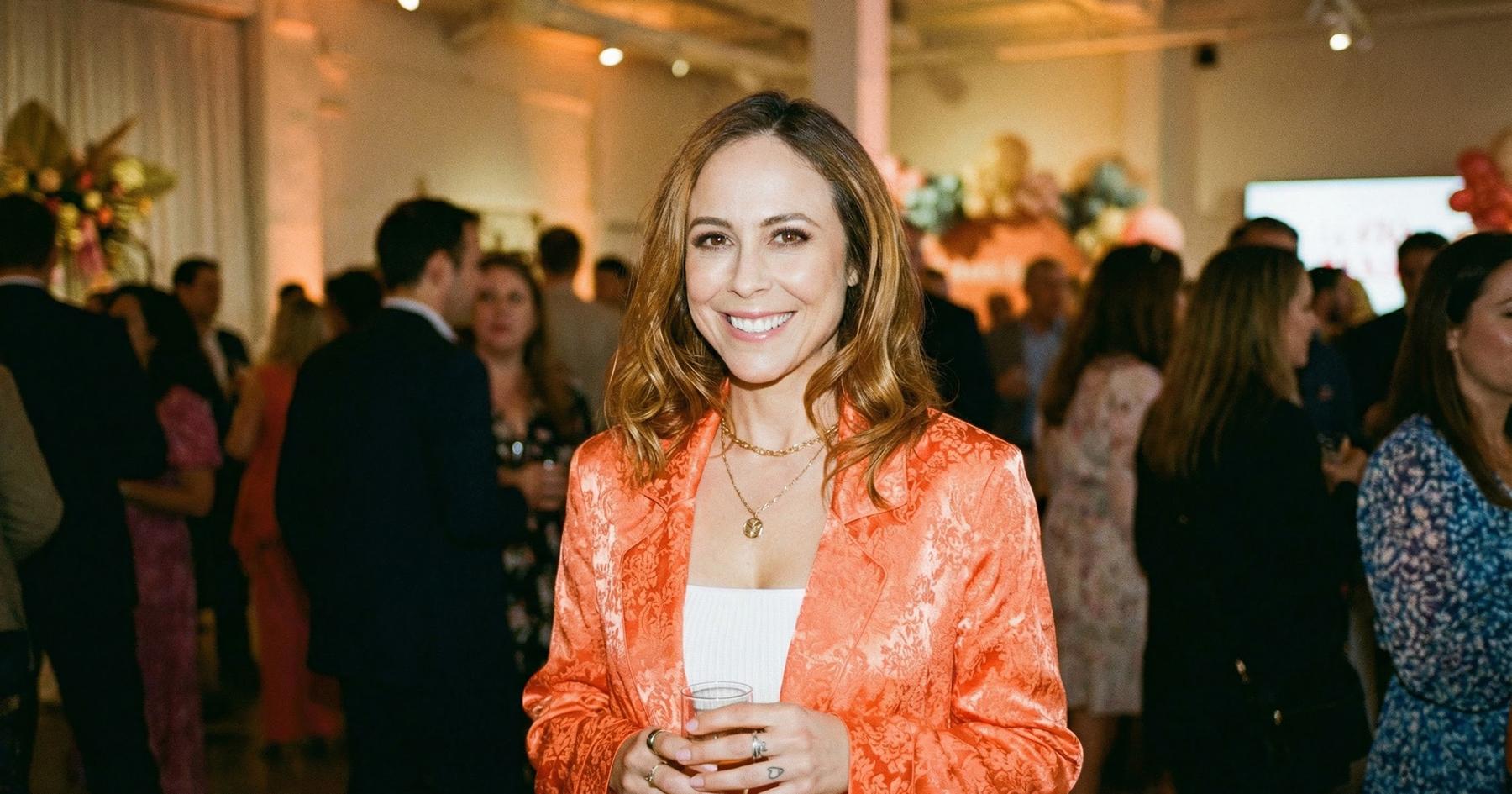
Creator Shira Lazar has been one of the voices asking a simple question: Why not us too? As social media becomes ingrained in our daily lives — and more people depend on it for income — the lack of basic worker protections for creators has become harder to ignore.
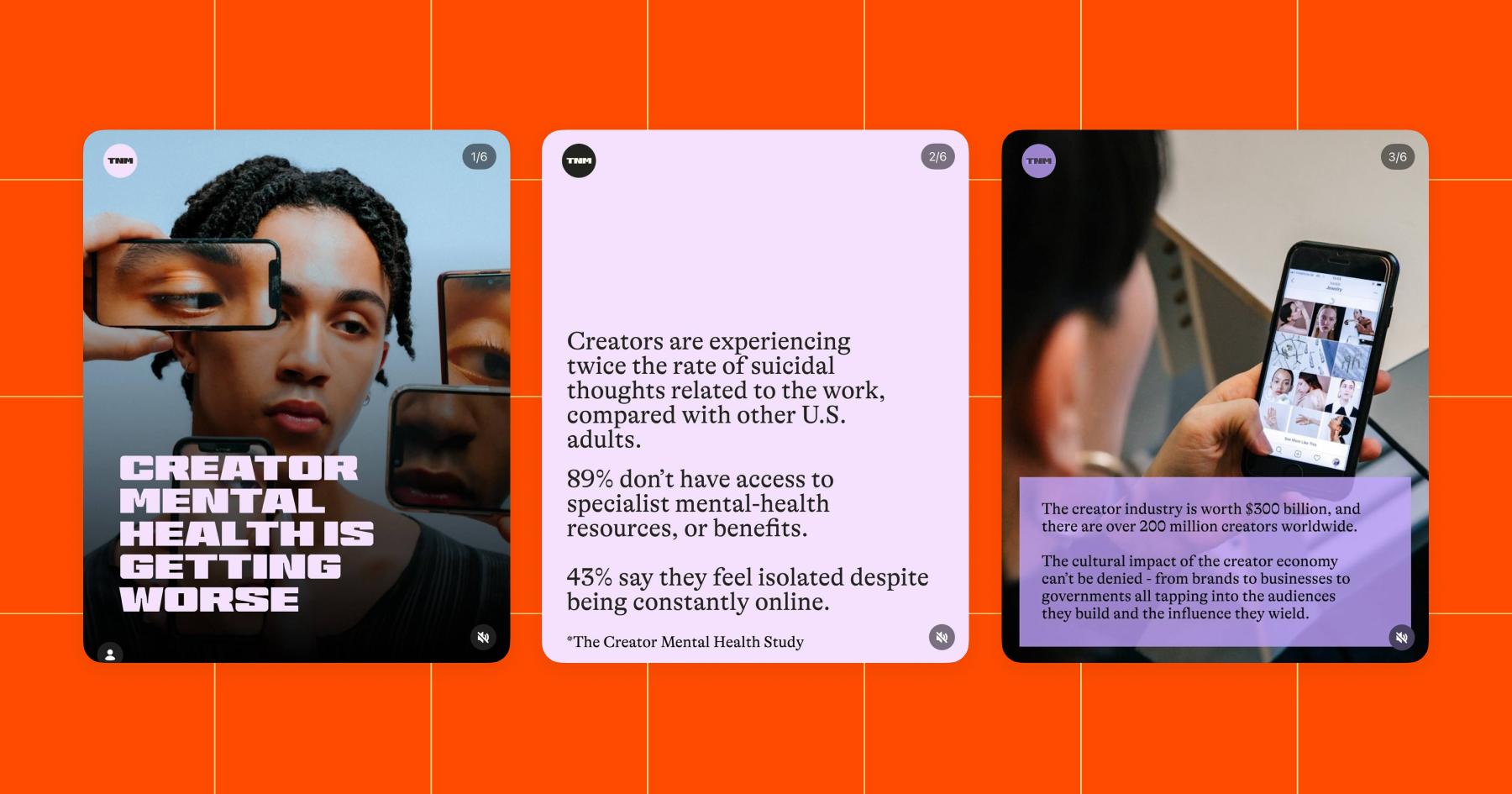
“The work I’ve done with Creators 4 Mental Health directly informed this. We didn’t do that research just to publish numbers — we did it to inspire action.” She continued, “I’m excited because this is action. This feels like progress. This isn’t about MrBeast. It’s about the creator middle class — people who aren’t the biggest household names, who still worry about taxes, healthcare, and platform instability.“
Breaking the Scale: How Big This Fish Actually Is
Depending on whose numbers you use, there are at least 1.5 million full-time creators in the U.S., and potentially many more. To put that in perspective, full-time digital creator jobs in the United States jumped from about 200,000 in 2020 to 1.5 million in 2024 — a roughly 7.5-fold increase — according to a study by the Interactive Advertising Bureau.
Speaking with Lazar, you could hear the excitement in her voice that this project, even with the possibility of political mayhem, was meaningful for her. That this matters, “This industry is often treated like the Wild West, even though there’s enormous money and growth flowing into it. We’re on track to be a half-trillion-dollar industry by 2030. The question is: how do we make sure the workers holding up this industry are supported so it’s safe, healthy, and sustainable?“
Shira Lazar Goes to Washington
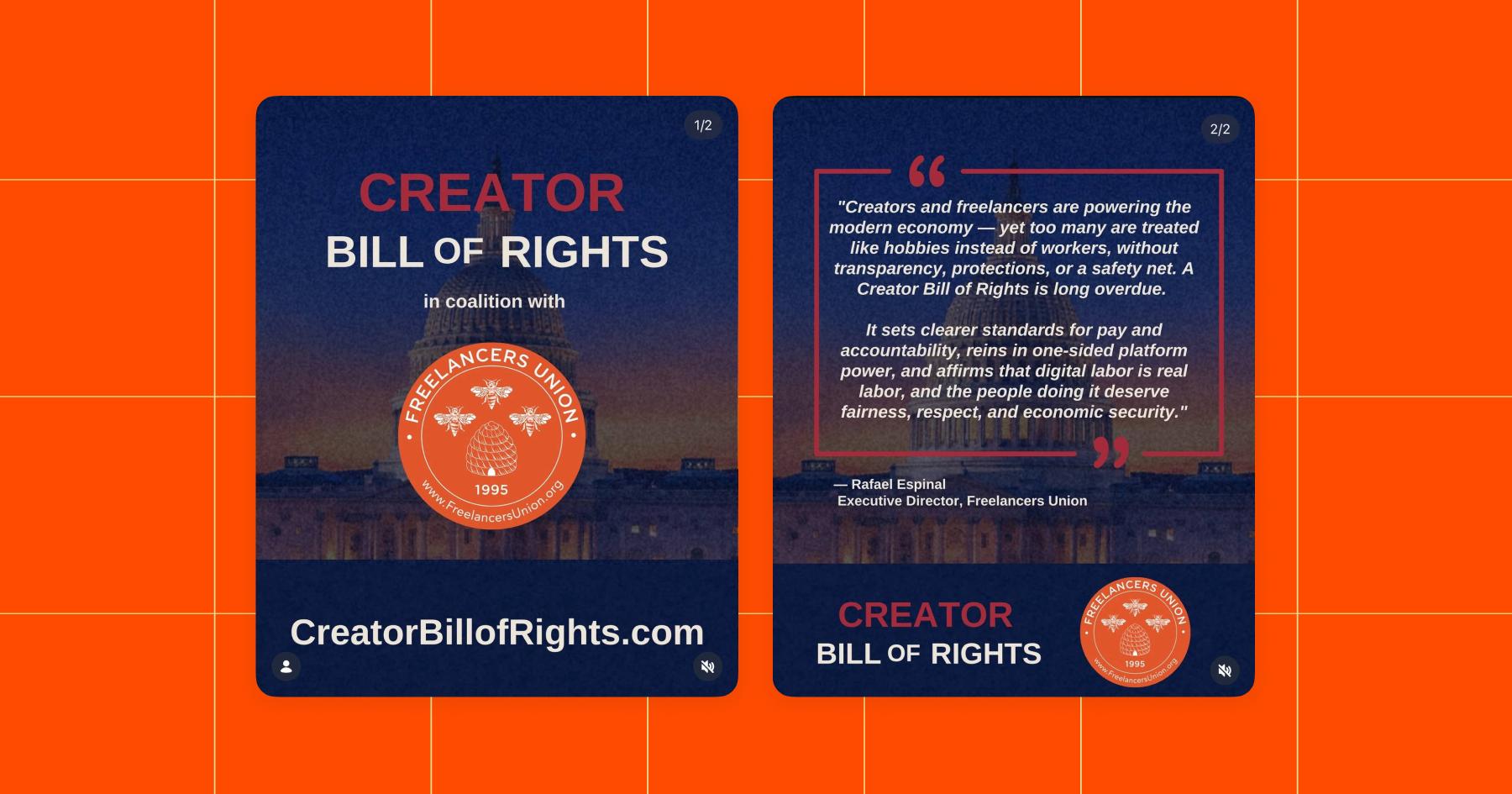
Working with Representative Ro Khanna, Lazar has been knocking on doors in Washington, D.C., asking what labor looks like in the digital age.
She explained her motivation without pulling punches, “The Creator Bill of Rights was introduced with Representative Ro Khanna alongside creators like me who co-developed it with his team, and another creator, Lisandra Vasquez. We already have nearly 5,000 creators who’ve signed the petition in support, and we’re actively looking for House and Senate co-sponsors.”
And we all know how people working across the aisle looks in such fragmented times; who knows if that’s even a possibility. But, she’s hopeful, “At its core, it’s a framework that acknowledges creators as a business class — as small business owners and a growing group of workers in the United States.”
The reality check: why go six feet deep
In Congress, historically fewer than 5 % of bills introduced ever become law, and in many sessions, upwards of 80 % never even get out of committee to be debated on the floor. That means most legislative proposals, even those with serious policy intentions, stall long before they can be enacted.
So that’s what Khanna and Lazar are up against: the push-and-pull of political bureaucracy.
What the Bill Actually Wants
“Right now, the two main actions are signing the petition and encouraging representatives to co-sponsor the bill by contacting Representative Khanna’s office. We’re also planning a creator advocacy day on Capitol Hill to meet with lawmakers directly and explain why this matters.”
So there’s movement on the idea, but it’s still a work in progress. The throughline offers clarity, and there’s hope it can be pushed forward.
“The bill outlines a pathway toward basic protections — things like access to discounted health insurance, retirement options, and customer service standards.”
“If you’re a working creator who’s built a legitimate following and income on a platform and something goes wrong, you should be able to reach an actual human being and get a response within a reasonable amount of time. That’s no different than consumer protections in other industries.”
From the Grassroots up
On Change.org, creators across the U.S. have been signing and supporting a petition urging Congress to back the Creator Bill of Rights, arguing that the current ecosystem leaves “creators with unpredictable income, opaque rules, and little recourse when platforms make decisions that affect our livelihoods overnight.”
This includes creators sharing personal stories about account bans and income losses from algorithm changes as part of the campaign to push Congress to act.
Power, Platforms, and Precarity
The goal of the Bill is to address issues such as decentralization — creators owning their audiences with proper privacy and consent — and protections for AI, IP, and likeness across platforms.
Deplatforming happens constantly, and it’s not just political. Platforms change rules arbitrarily; maybe you talked about sex wrong, maybe you crossed some invisible line, and suddenly your income vanishes. No explanation. No recourse. Creators need a framework that actually protects them from this bullshit.
“Creators are essentially the Uber drivers of social platforms. We’re building on top of these ecosystems with our content, while platforms extract value from our labor and audiences.”
She continued, “People spend an enormous amount of time on these platforms. Shouldn’t we care what those spaces look like — and how they support not just users, but the workers who make them viable?”
There’s a disconnect between how heavily society relies on creators, especially for news and information, and how unsupported creators actually are.
Pushback and Political Reality
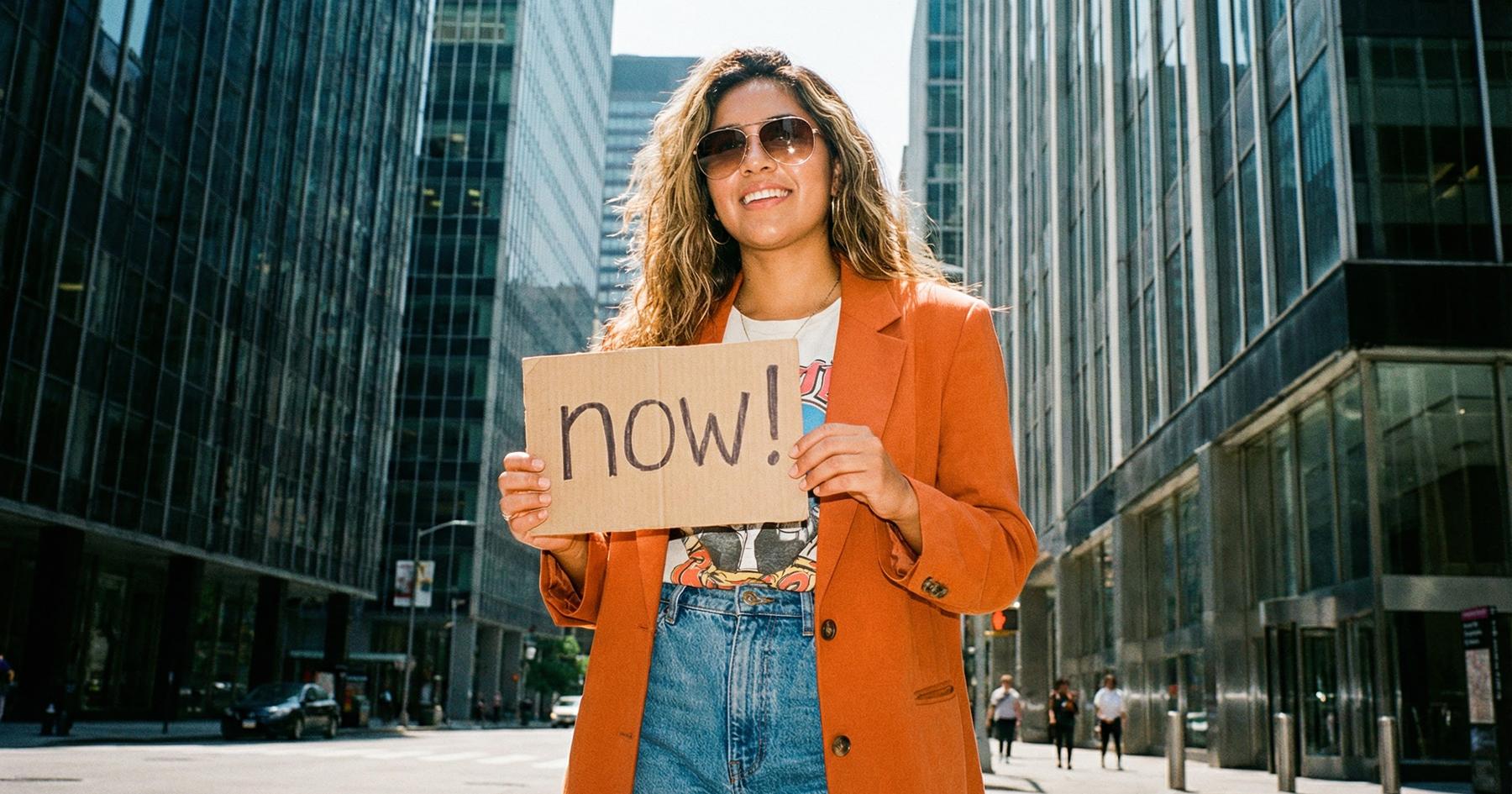
One of the biggest hurdles this bill faces is the question of why now. The world is on fire, and we don’t have enough burn pads to keep our asses out of the flames. Does a Creator Bill of Rights even matter with all that’s happening globally? For Lazar, it matters.
“I haven’t seen much direct pushback. The main skepticism comes from people outside the industry asking, ‘Why now?’ especially given everything else happening in the world. But at the same time, more people than ever are relying on digital creators as legacy media continues to collapse. If we depend on creators this much, we need to ensure they’re supported so they can keep doing the work.”
Her selling point was clear and a direct appeal to the working class.
“Creators aren’t just individual talent — we’re also small businesses. What works for one creator might not work for another, so we need options.”
And continued, “Unions can be part of the solution, and I work closely with SAG and the Freelancers Union, but this is a fragmented industry with very different needs. It’s not one-size-fits-all. This may require relying on existing labor frameworks — but we may also need to build new ones. One step at a time.”
This is labor organizing in the digital age. The creator economy itself is already worth around $205 billion globally. It could nearly double to $480 billion or more within a few years as direct monetization and brand partnerships become a money-making extension. Yet, there’s a major lack of support, work infrastructure, and protections.
There’s way too much money at stake for people not to want better than a “sorry” if TikTok decides to flip the script on monetizing.
Originally published: Feb 23, 2026, Updated: Feb 23, 2026
More stories worth reading
More content that's too good to miss