Inside the Instagram Machine That Got Zohran Mamdani Elected
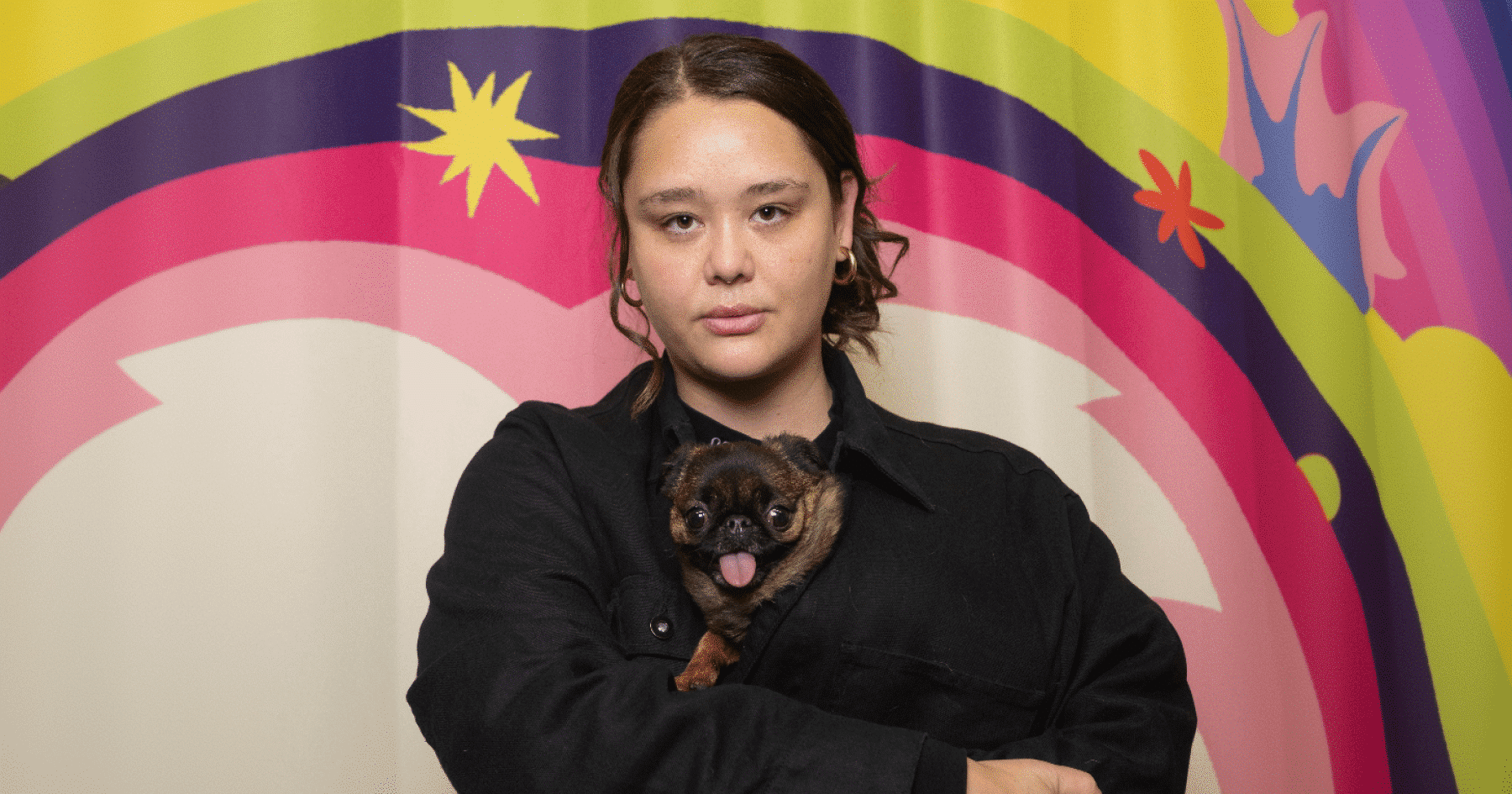
One of the few people who has figured out how to turn that endless scroll into real-world power is Gabriella Zutrau. She’s helped shape campaigns for New York State Senator Julia Salazar and MoveOn, and she was the brain behind the Instagram chatbot that turned Zohran Mamdani’s campaign into a viral organizing machine: racking up over 21,000 clicks straight out of DMs during the primary alone. (No big deal or anything.)
When I spoke with her over Zoom from her New York apartment, Zutrau had that caffeinated energy of someone who hasn’t stopped moving since election night. She’s proud, well, borderline giddy, about what she and the Mamdani crew pulled off against the political machine. She’s not wrong: people outside New York were wearing Mamdani shirts.
And Zutrau had a lot to do with that.
Gabriella Zutrau and the Digital Engine Behind Zohran Mamdani: The How
During the general election, she kept grinding with the team, expanding Manychat across Instagram and Facebook. As one of the sharpest digital minds in progressive politics, she’s out here writing the new playbook for how campaigns weaponize organic social media: using chatbots, AI, and whatever new feature Zuckerberg drops next week.
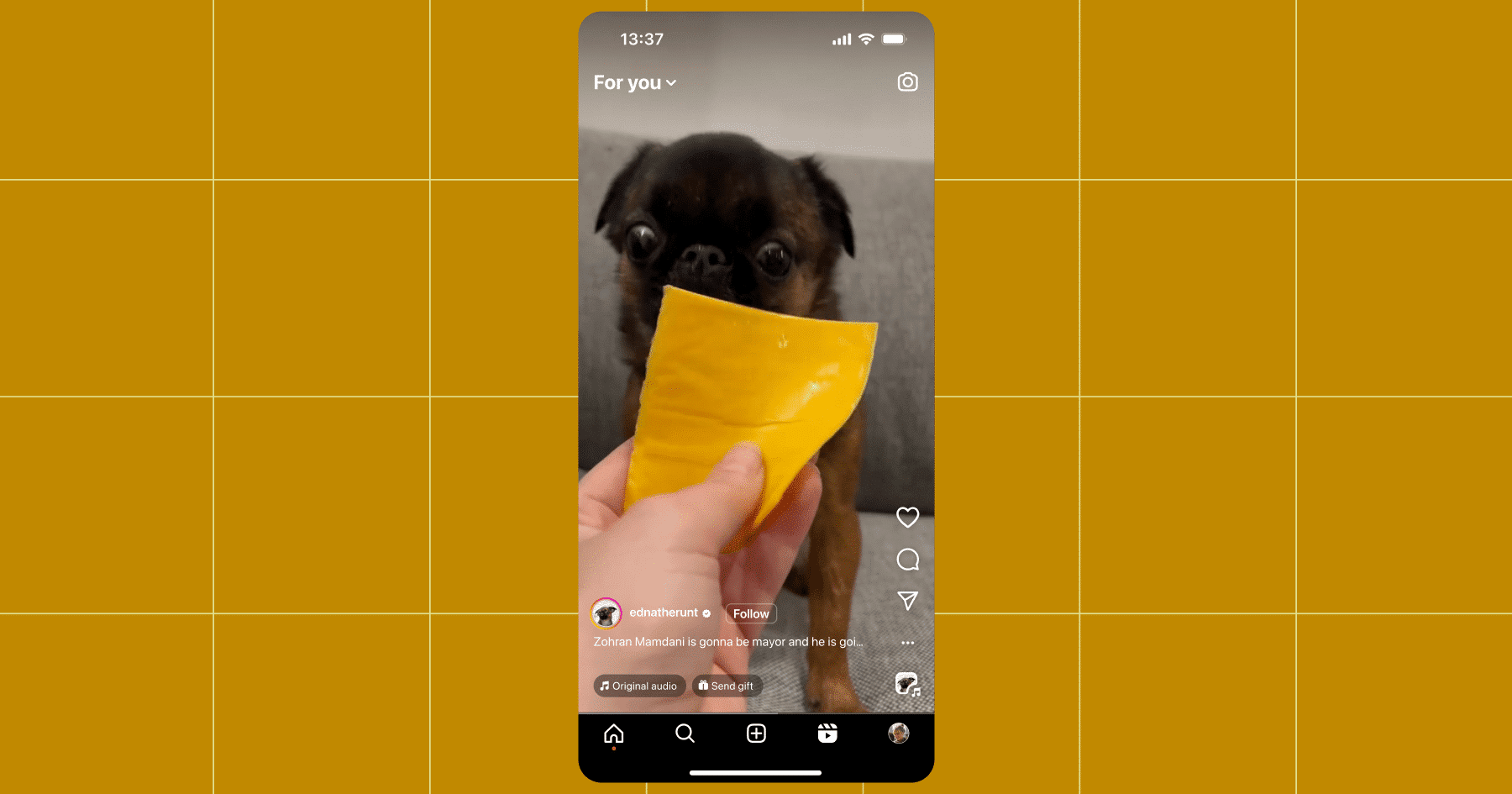
When she’s not rewriting political comms, she’s running one of the internet’s funniest pet accounts, Edna the Runt, her tiny dog and unofficial test subject. When Mamdani won, Edna celebrated by eating a slice of American cheese. That’s the kind of content that actually hits. If it works for the dog, it probably works for explaining universal healthcare.
Edna even popped up during our call, barking like she wanted credit for the campaign. Fair.
That constant tinkering — the late-night tests, the weird experiments — built the foundation for the ideas Zutrau brought to politics. And it paid off, big time. She lights up, recalling Mamdani’s win over Andrew Cuomo, still half-disbelieving.
“Zohran just.. got it,” she said. “His team wasn’t afraid to treat social like center stage instead of an afterthought. Most campaigns still think posting is busywork. The campaign built a digital world people actually wanted to play in — and then show up for.”
Manychat’s Role

Her work with Manychat has been quietly revolutionary. She introduced the tool to MoveOn, where it’s now core to their national strategy. It didn’t make headlines, but it proved automation could be an organizing force — not a gimmick. The success of those same tactics used on the Mamdani campaign landed her a 2025 Media Innovation Fellowship with Higher Ground Institute, where she trained hundreds of organizers and comms staffers on how to use chatbots to rally actual humans.
After almost a decade working in political digital, enter Mamdani’s run for mayor — a campaign that blurred the line between meme and movement. Like Obama ’08 but way more online, people got out there, knocked on doors, and became full-on stans for a guy with a big smile and a bigger sense of purpose. Whether you clutched your pearls or hung his poster, it’s undeniable that he got people talking. He was everywhere: on the front pages, on Fox News, and in the hearts of New Yorkers who were ready for something that didn’t feel fake.
Behind all that chaos was a small, obsessive team turning hype into votes, and that’s where Zutrau left her mark. The difference this time? Mamdani doubled down on the digital infrastructure that got him there, something Obama famously scrapped once he won.
Mamdani’s team treated the internet not like a megaphone, but a neighborhood bar. TikTok, Instagram, and Twitter: each became a spot where voters actually hung out. Lo-fi clips beat slick ads. Memes, behind-the-scenes chaos, and quick explainer videos turned followers into volunteers. By meeting people where they already were — doom-scrolling on their phones — they turned likes into lists, DMs into donations, and followers into believers.
The Results

And it worked. Campaigns & Elections reported that Mamdani’s Instagram chatbot wasn’t just clever — it delivered. In two months, the Manychat bot fired off 77,000 messages, drove 21,000 clicks, and pulled in 10,000 emails — on a $318 budget.
That’s three cents per contact, all managed by Zutrau on her laptop.
Her success fits into a broader trend. A Pew Research Center study found one in five Americans now gets news from influencers instead of traditional outlets. Those audiences skew young, diverse, and broke — the exact crowd campaigns like Mamdani’s need. Seeing a politician talk to voters instead of at them hit differently. Zutrau’s work lives at that messy, fascinating intersection of authenticity, tech, and grassroots energy.
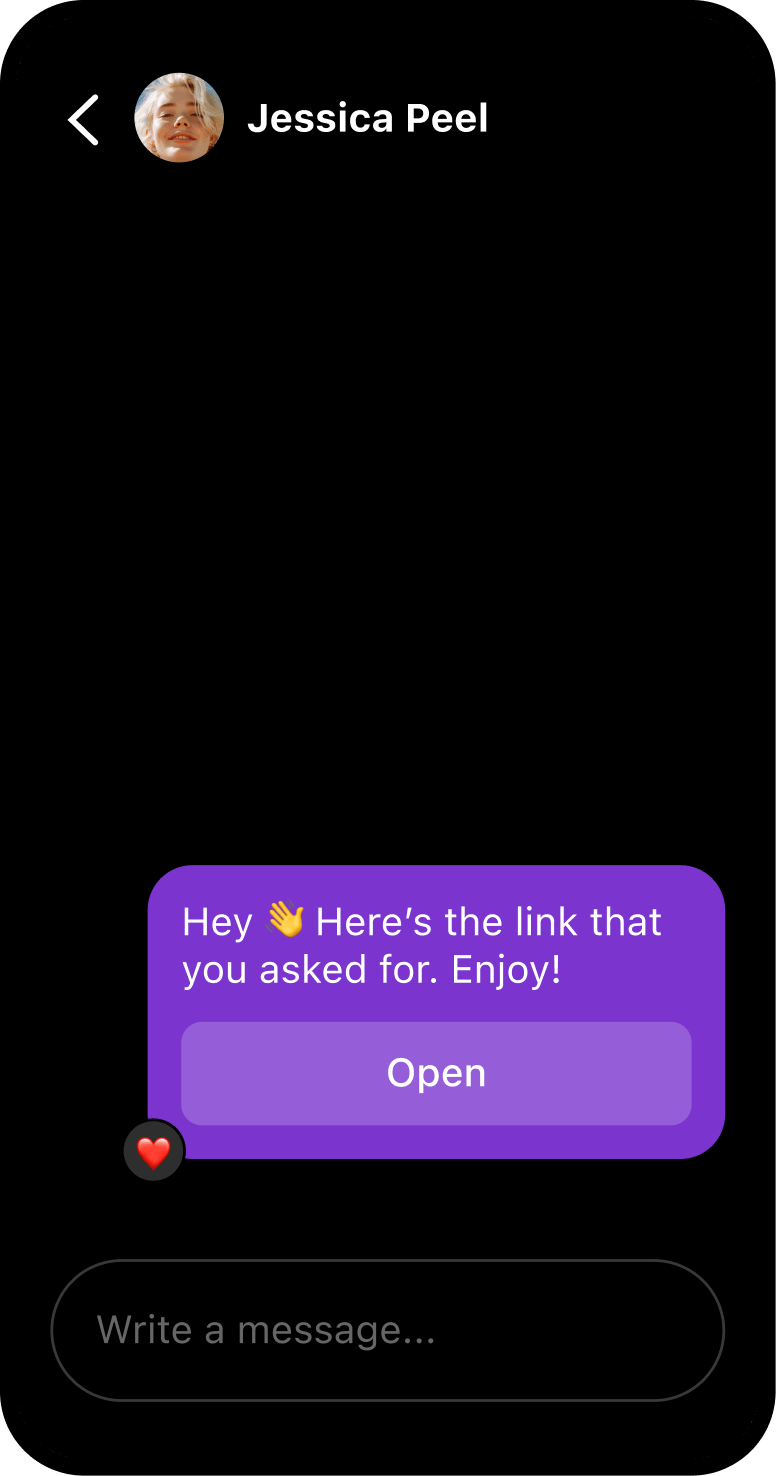
Her approach isn’t about gimmicks or “faux overnight successes.” It’s about human connection. “Most campaigns still treat social like TV,” she told me. “They broadcast. We built conversations. When most campaigns meet their followers in the DMs with silence or spammy repetitive autoreplies, we gave followers concrete ways to engage and support the campaign. ” Her goal with using Manychat wasn’t to trap people online — it was to pull them out of it. She wanted to move followers off the scroll and into real conversations, where organizing actually happens face to face.
That’s her whole philosophy: politics that scales like marketing and feels like community building. Now she’s consulting across the map, helping campaigns, nonprofits, and creators figure out how to make the most of organic social media and making messaging feel like texting a friend instead of listening to a press conference.
Mamdani’s victory, over one million votes, smashing the establishment, proved the model works. Power to the people.

Originally published: Nov 21, 2025, Updated: Dec 10, 2025
More stories worth reading
More content that's too good to miss