“I have a very unusual job that I love very much, and I’m glad that I didn’t listen to the people who told me that I was going to die of hunger if I kept with the comedy shit.”
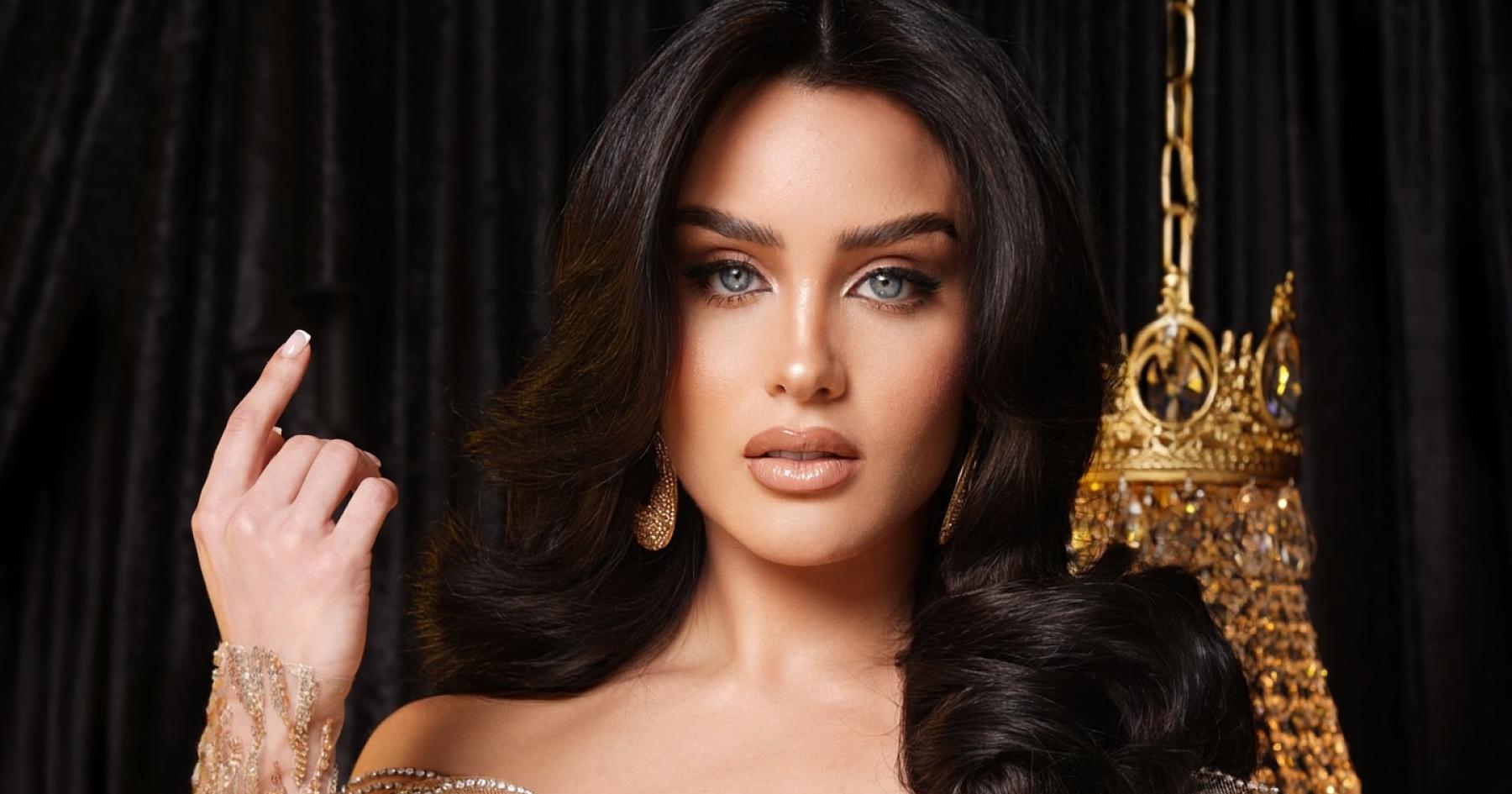
If there’s one way to give the haters a finger while wearing Prada, Mia Dio probably knows the best technique, to not put too fine a point on it. Miami, present day. Mia Dio scrolls through luxury real estate listings with manicured nails, the way most people scroll Zillow porn, half curiosity, half masochism, except she can actually afford some of it now. This part still trips her out.
“I don’t feel rich,” she says. “I just feel like I wasn’t kicked out of a place I was never supposed to be in.”
If you don’t know Mia Dio by name, you have undoubtedly seen her face on your timeline.
Meet the Woman Behind the Bit
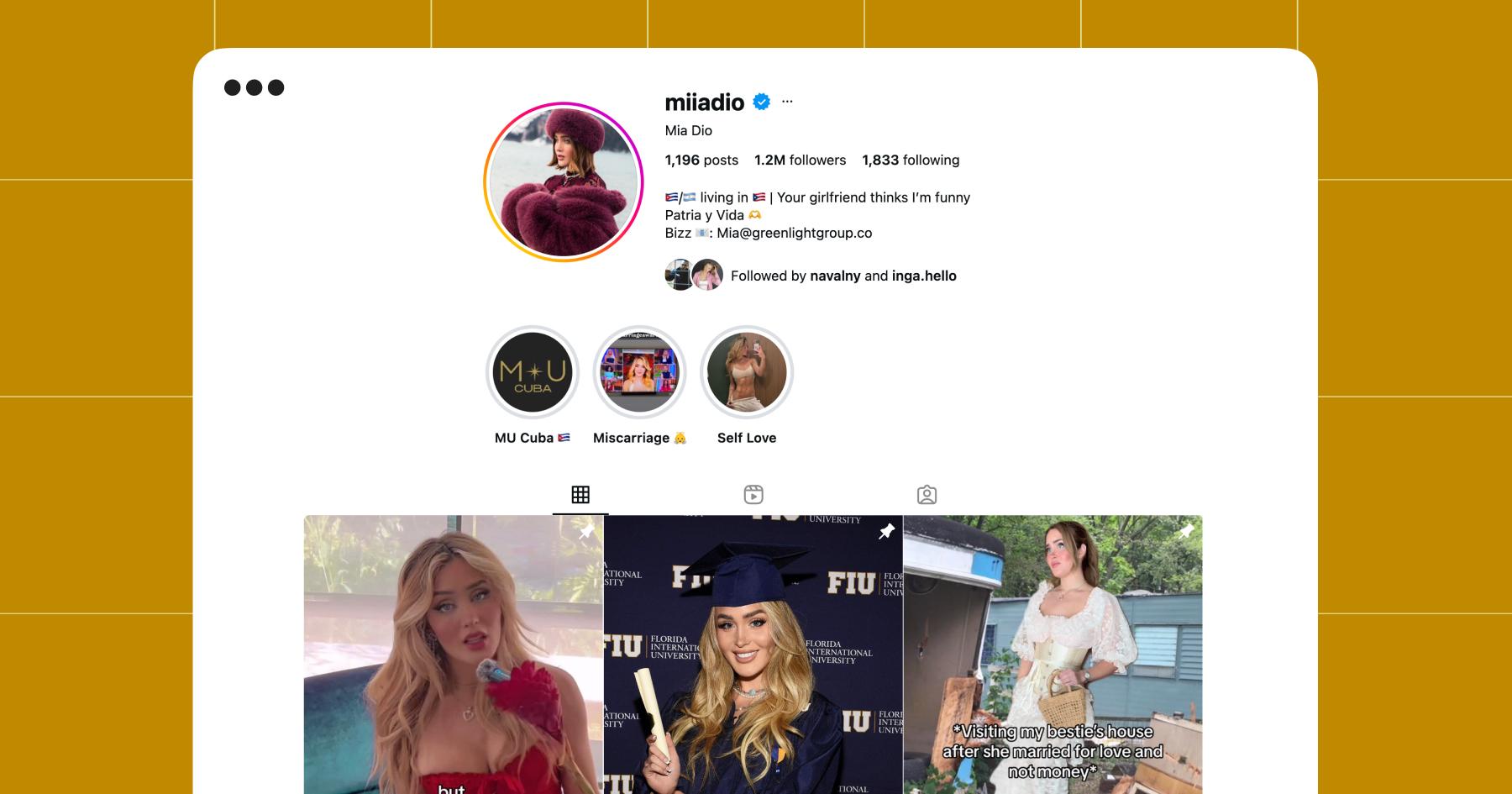
Mia Dio is one of those internet figures who seem like overnight successes until you hear the backstory and realize it was years of trial, rejection, and stubborn persistence disguised as jokes.
What began as comedy for friends evolved into a full-time career, then into something bigger: an international platform where she discusses money, power, dating, politics, body image, and the actual costs — financial and emotional — to be seen online. She’s funny, sharp, self-aware, and openly conflicted about fame, aware that you have to know how to play the internet’s game while figuring out how to make your money back for the price of entry.
A few years ago, things were different. She was nineteen, broke, living in a shitty apartment, and making videos meant for a friend.
“I didn’t even mean to post the video that went viral,” she says. “It was supposed to be for one person. That’s the funniest part.”
One of them took off by accident.
Twenty-five million views later, the lie she told as an internet joke somehow became her full-time job. Not bad for a kid who just wanted to hang out with the nerds.
“I just kept making the videos,” she says. “People really told me I was going to starve if I kept doing comedy. They said it like it was a fact.”
The Origin Story
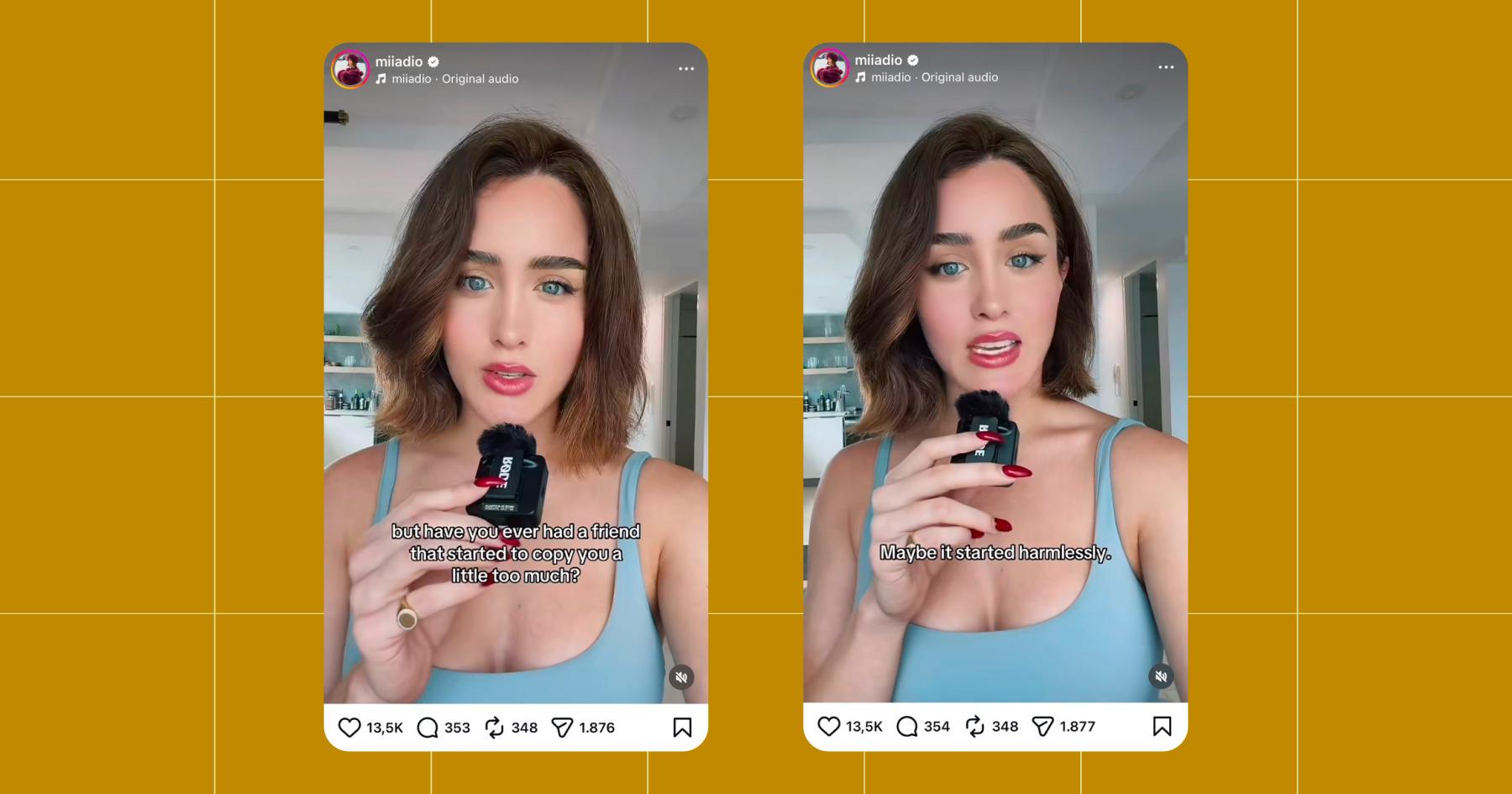
Mia Dio grew up in Miami, with Cuban heritage on her mother’s side and Argentinian on her father’s. She was a shy kid in a magnet school that sold itself as the future. Journalism tracks. TV production labs. Music programs designed to turn teenagers into professionals before they could legally drink. It was one of those government experiments meant to answer a tidy question: if you give kids vocational training at sixteen, do their lives turn out better?
Mia applied to all of it.
They told her she didn’t have a future in journalism or TV production. She got into music instead.
“They told me I didn’t belong in journalism,” she says. “That stuck with me.”
Their justification wasn’t subtle. It wasn’t kind. It was institutional confirmation that the quiet kid didn’t belong in front of a camera.
So Dio did what many rejected kids do: she went online. At fourteen, she started a YouTube channel. At fifteen, she was creating makeup videos layered with social commentary. It was cringe. It was lonely. It got her called into the school office. Her friends were the kids who spent all day scribbling anime characters in their notebooks.
“I wasn’t really giving myself much breathing room to succeed socially,” she says. “At first it’s cringe before it becomes really cool.”
Nobody was betting on her.
Which is usually how internet stars are made.
Give me Some Sugar, Baby
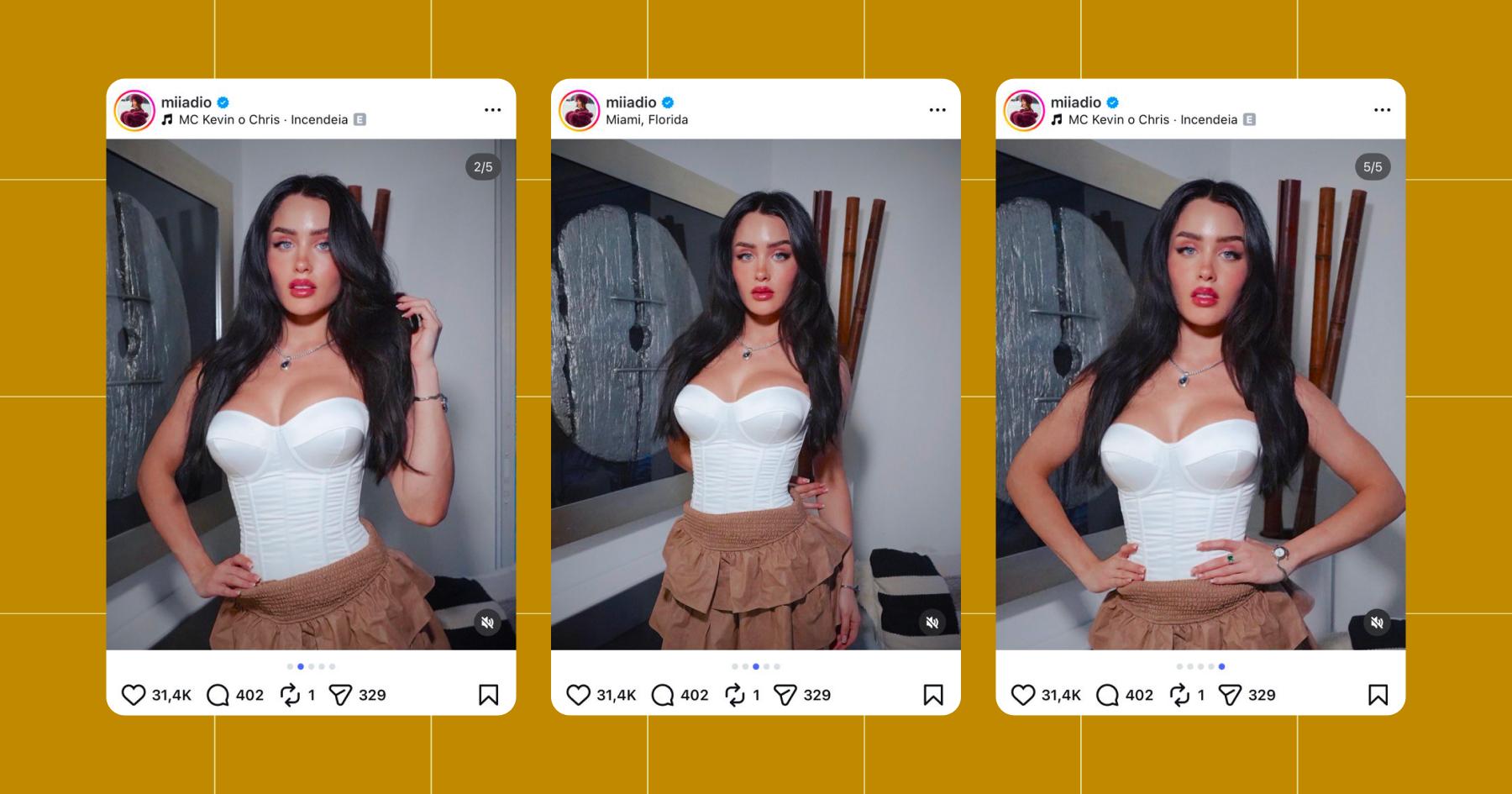
For years, nothing happened. Then, at nineteen, she began posting consistently on TikTok with a persona she’d created.
But it wasn’t Mia. It was her impersonation of a Russian sugar baby.
“She was completely satire,” Mia says. “Very transactional. Very money-coded. Completely ridiculous.”
The inspiration came from real life: a roommate who casually revealed she was a professional sugar baby. She gave Mia dating advice that sounded insane, cold, transactional, and completely stripped of romance. At the time, Mia was getting treated like absolute shit by men and accepting it.
“I thought the advice was insane,” she says. “So I turned it into a joke.”
The video wasn’t supposed to be public. She meant to send it to her roommate. Notifications were off. By the time her roommate finally opened TikTok, she called in a panic.
“Mia,” she said. “This has five million views. You almost have a million likes.”
It eventually hit around twenty-five million.
“I wasn’t rich when people thought I was,” Mia says. “Now I have money, and people assume I got it from a man. I didn’t. I got it from sponsors.”
The joke was biting. A thick accent. Gold-digger logic. Ridiculous confidence. Relationships reduced to transactions, men reduced to walking wallets.
“Everyone was in on the joke except the internet,” she says.
Other people didn’t get it at all. They thought the satire was a documentary.
A Post-Truth Society on Social
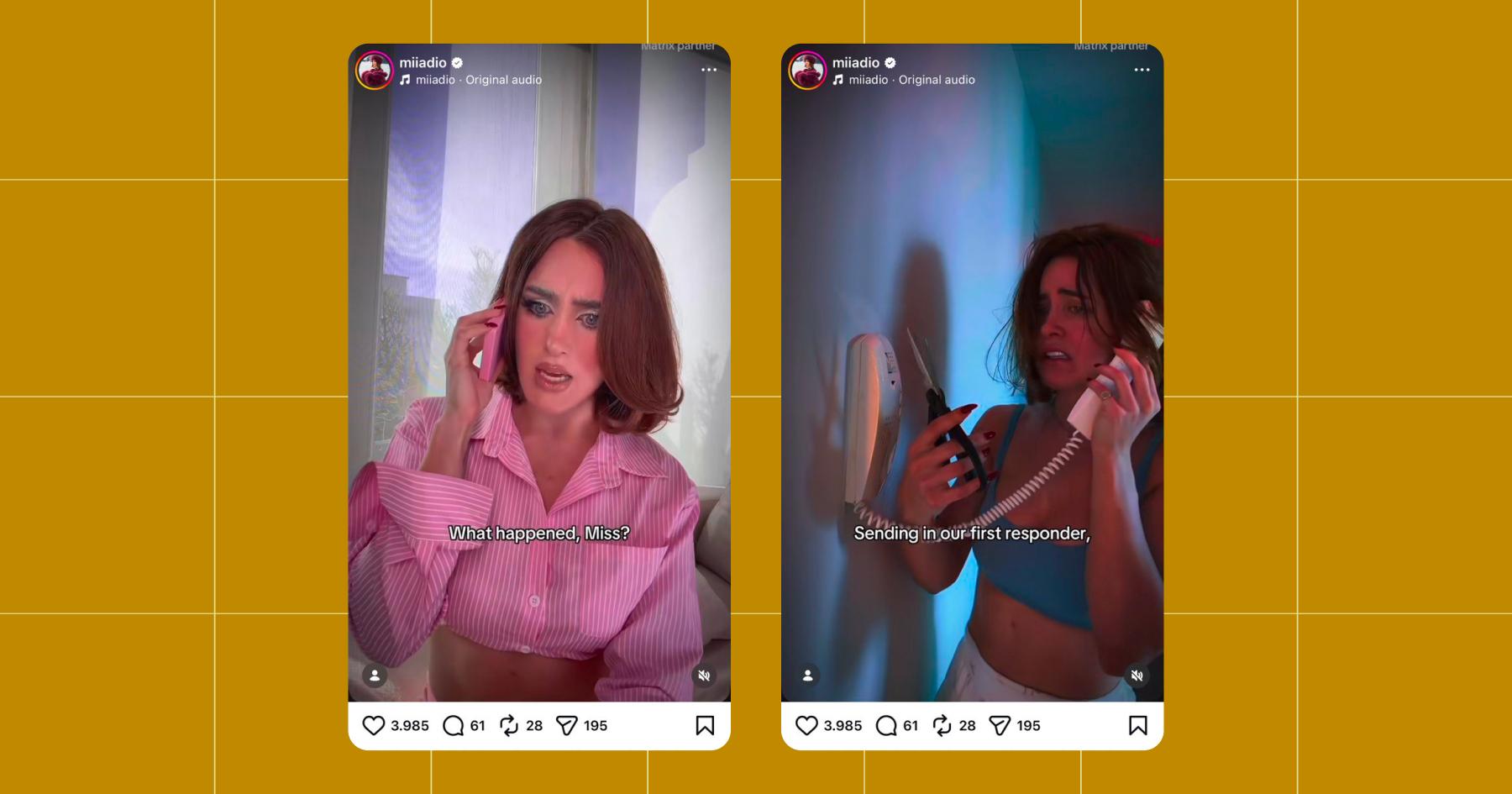
Social media rewards clarity, but it runs on contradiction.
TikTok in 2020 was the perfect Petri dish. Masks on. Everyone anonymous. Personas everywhere. Mia posted consistently. A million followers in a month. Two million in two. Three million in three.
One day, she was in a grocery store. Another woman looked at her, froze, then said quietly, “I recognize your eyes.”
“That’s when it stopped being abstract,” Mia says. “That’s when I realized these were real people.”
Her audience became specific. Mostly women — roughly 80%. Primarily between 18 and 32. Only about a third are based in the United States.
“I wasn’t just making jokes anymore,” she says. “I was talking to people.”
Some of them really got it.
Women started commenting things like, Does anyone else feel weirdly empowered by this? Strip the money out of the jokes, and the advice underneath was solid.
“If you remove the money from it,” Mia says, “the message was just: value yourself.”
Authenticity is On-Brand
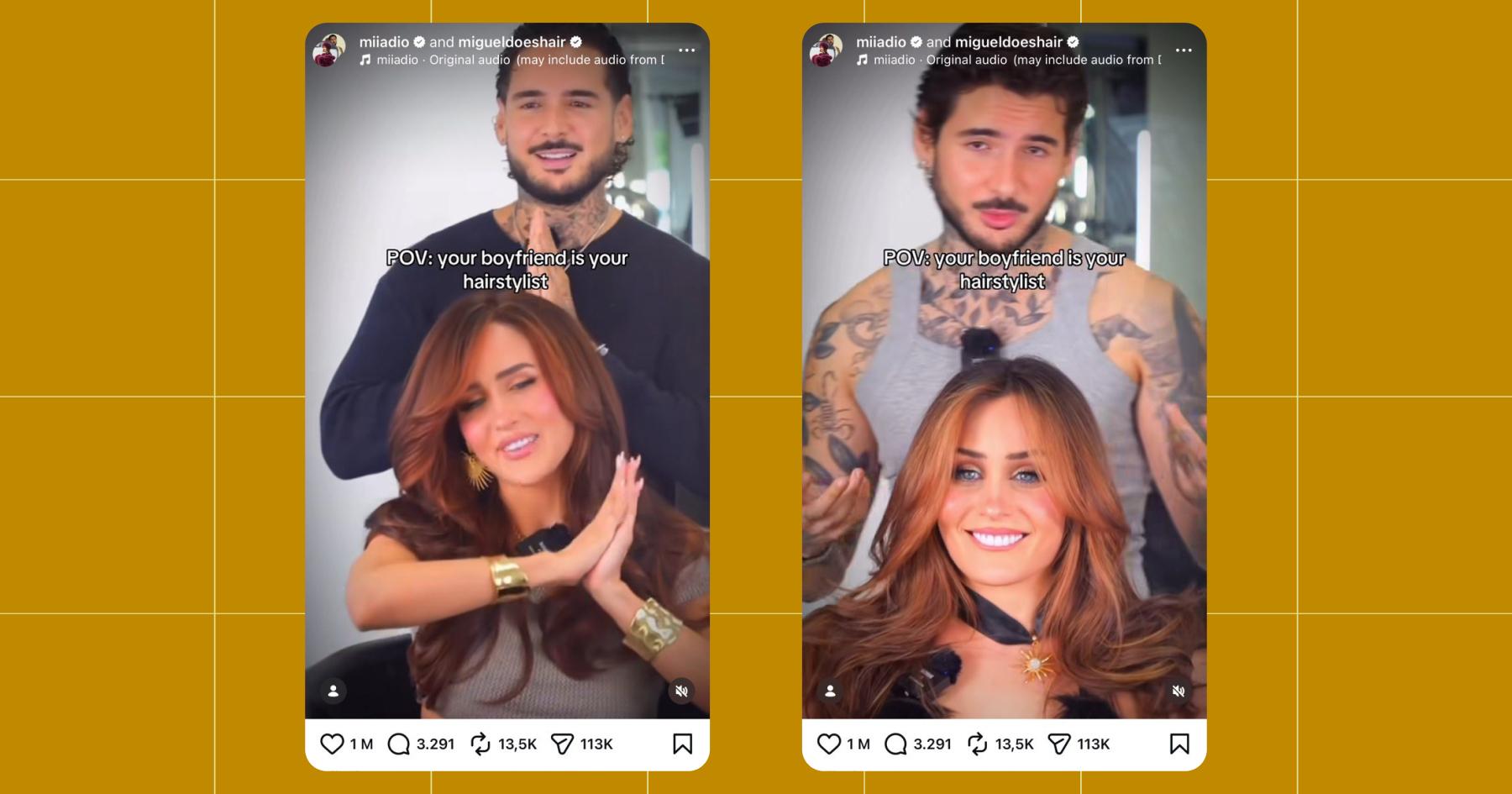
According to Dove, 79% of girls say they feel they can be their most authentic selves on social media. Soon, the girl from Miami was focusing on ideas that women found empowering: know your worth, and don’t overgive in relationships where the balance is broken.
“That applies to friendships too,” she says. “Not just dating.”
She was teaching negotiation through gold-digger cosplay.
Eventually, the production caught up to her.
“It was really scary,” Mia says, “telling my audience that this is who I am — that I’m not actually this persona they fell in love with.”
She expected backlash. Instead, the opposite happened.
“When I started talking about what actually interested me,” she says, “my platform grew even more.”
She started talking about Cuba, where independent art is illegal, and 90% of the population lives in extreme poverty. She also started talking about femicide rates, geopolitics, lifting science, and gym culture.
“I didn’t want to just be the funny sugar baby,” she says. “I wanted to talk about what actually mattered to me.”
Sponsors rolled in. The lifestyle she’d been pretending to live materialized for real.
“I got all of these things by pretending to be a sugar baby,” she says. “By making it a joke, I was able to make it real — on my own, without a rich husband.”
The irony was vicious and perfect.
Different Kinds of Gains
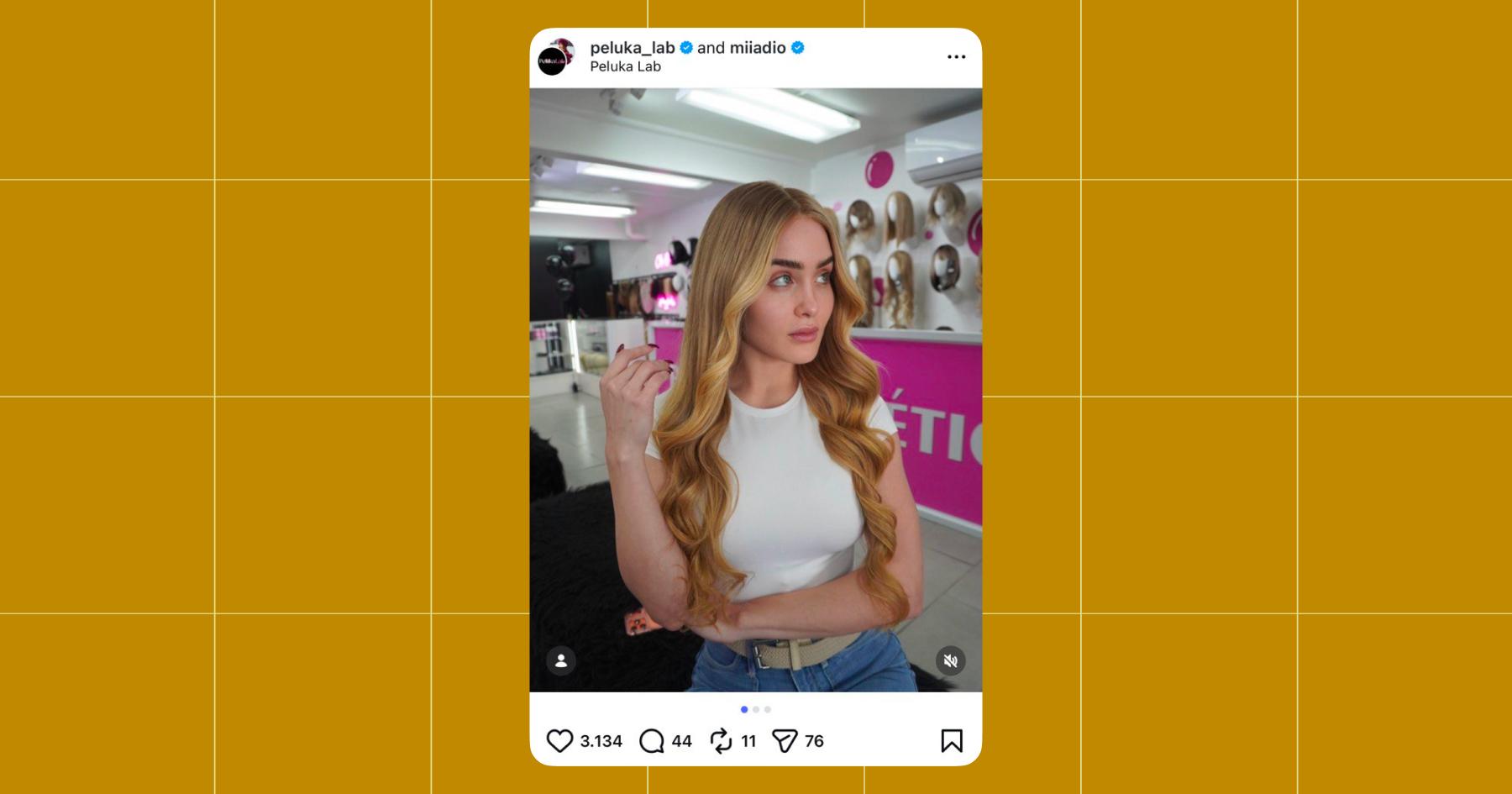
Then the bill came due. In 2023, health issues caused her to gain about fifty pounds. She lost four hundred thousand followers.
“The content didn’t change,” she says. “My body did.”
People didn’t care about women’s empowerment anymore if it was coming from someone they didn’t find conventionally attractive.
“That’s brutal,” she says. “But it’s honest.”
Offline, Mia’s life is almost aggressively boring. She’s neurodivergent. She likes routine. Same gym. Same meals. Same day, over and over.
“I have like three friends,” she says. “Mikayla’s literally one of them.”
She’s happy with a lot less than people think.
She still brings someone onto calls because anxiety doesn’t disappear just because fame shows up.
“I’ve just gotten really good at acting,” she says.
The imposter syndrome never left.
“I don’t think there’s one real version of me,” she says. “There’s just versions that made sense at different times.”
The hardest part isn’t the hate, the comments, or the algorithm.
“The worst part is the moral responsibility,” Mia says. “Anything you say will disappoint someone.”
Mia still works remotely, often from Puerto Rico. She still makes content.
“I’m doing this because it lets me live,” she says. “Not because it’s glamorous.”
There may be no singular, authentic version of Mia Dio. Only iterations. Characters stacked on top of characters. Performance as survival. Strategy as art.
She played the game better than almost anyone.
But the game doesn’t stop playing you.

Originally published: Jan 31, 2026, Updated: Feb 2, 2026
More stories worth reading
More content that's too good to miss