The Chaos of Doing Something Different with Jonathan Sturgeon
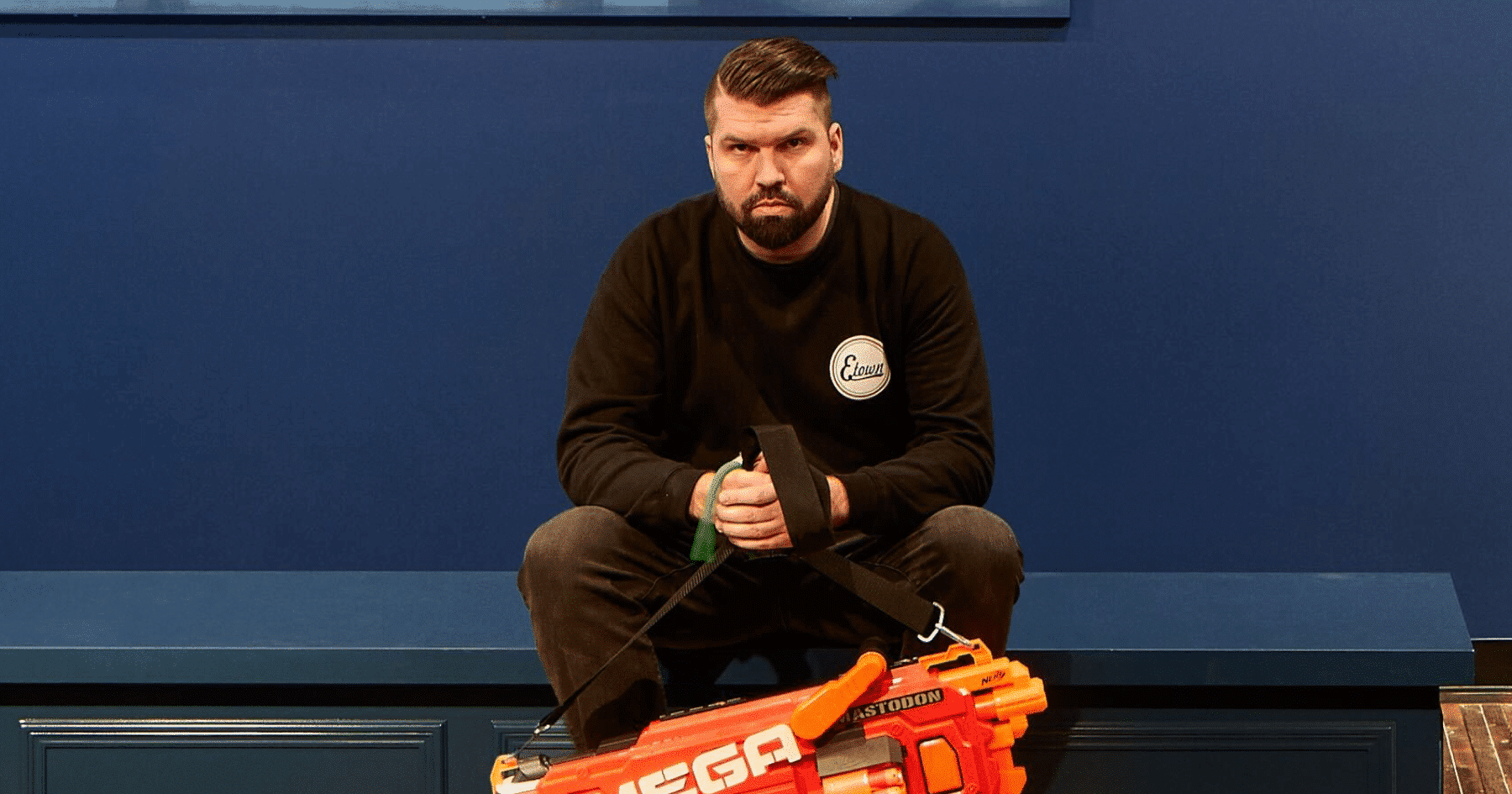
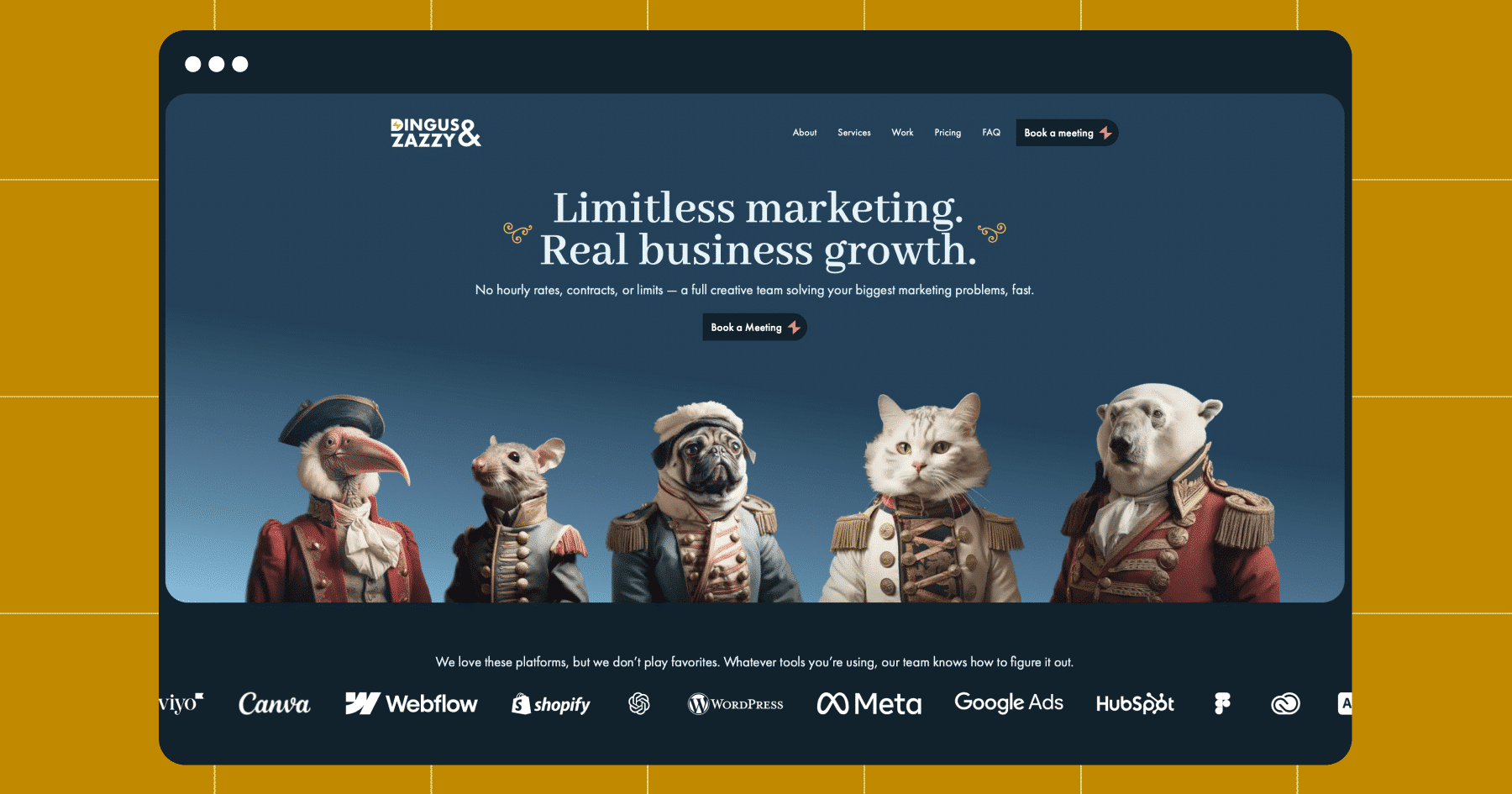
I’ve spent a lot of time around marketing teams. I’ve freelanced for brilliant minds and total nightmares — the kind of people who make you mutter, “How the hell did you get so successful?” out of genuine shock. But one of the most unique agencies I’ve ever come across is the Canadian powerhouse Dingus and Zazzy.
After seeing one of CEO Jonathan Sturgeon’s unhinged interviews on LinkedIn, I had to talk to the guy who makes corporate marketers deeply uncomfortable for sport. (He’s also a proud defender of Montreal’s food scene despite living in Alberta — which I respect. I feel the same way as a Chicagoan stuck in Texas.)
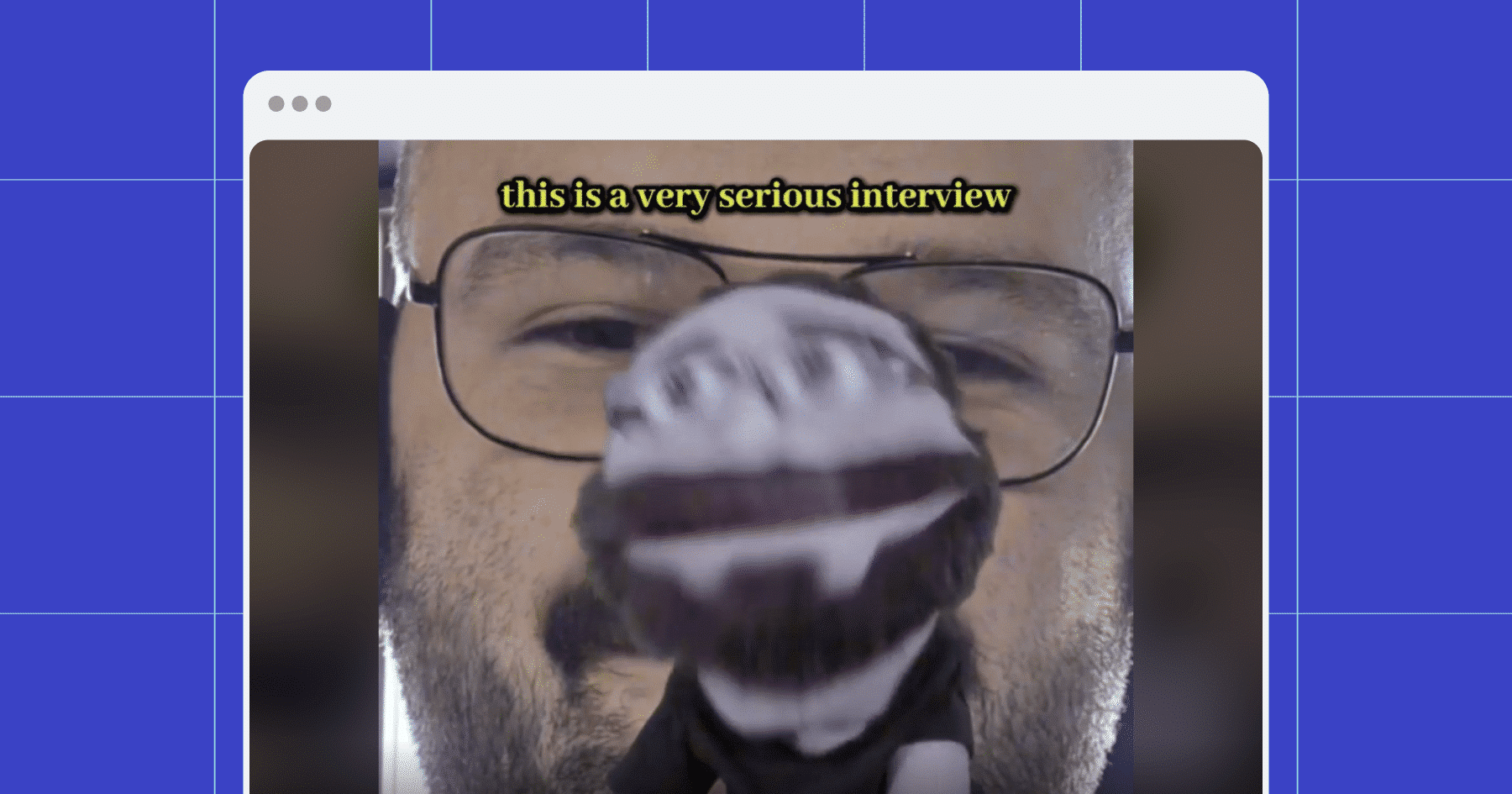
In one interview, Sturgeon’s puppet, Richard D. Johnson, left a guest absolutely speechless — a corporate bro trying to hang, watching his professional composure disintegrate in real time. It was glorious. The problem was – trying to be subversive on LinkedIn was a big gamble that Sturgeon ultimately lost.
Anarchy as a Business Model
Beneath the chaos is a restless entrepreneurial streak and an infectious sense of humor — the kind of energy that makes people follow him straight into madness, even if that madness involves a puppet or a dog in a sea captain’s outfit.
“Why can’t business be fun? Why can’t Jackass energy exist in a boardroom?” he asked me. That might as well be Dingus and Zazzy’s mission statement. The company doesn’t posture — it thrives on weird. If the idea makes most agencies nervous, they probably want to do it.
Over Zoom, it was an immediate game recognizes game situation. You can spot corporate phoniness a mile away. I mean, I literally watched this guy smear peanut butter on himself and a puppet mid-interview just to rattle someone.
A Career Built on Rebellion
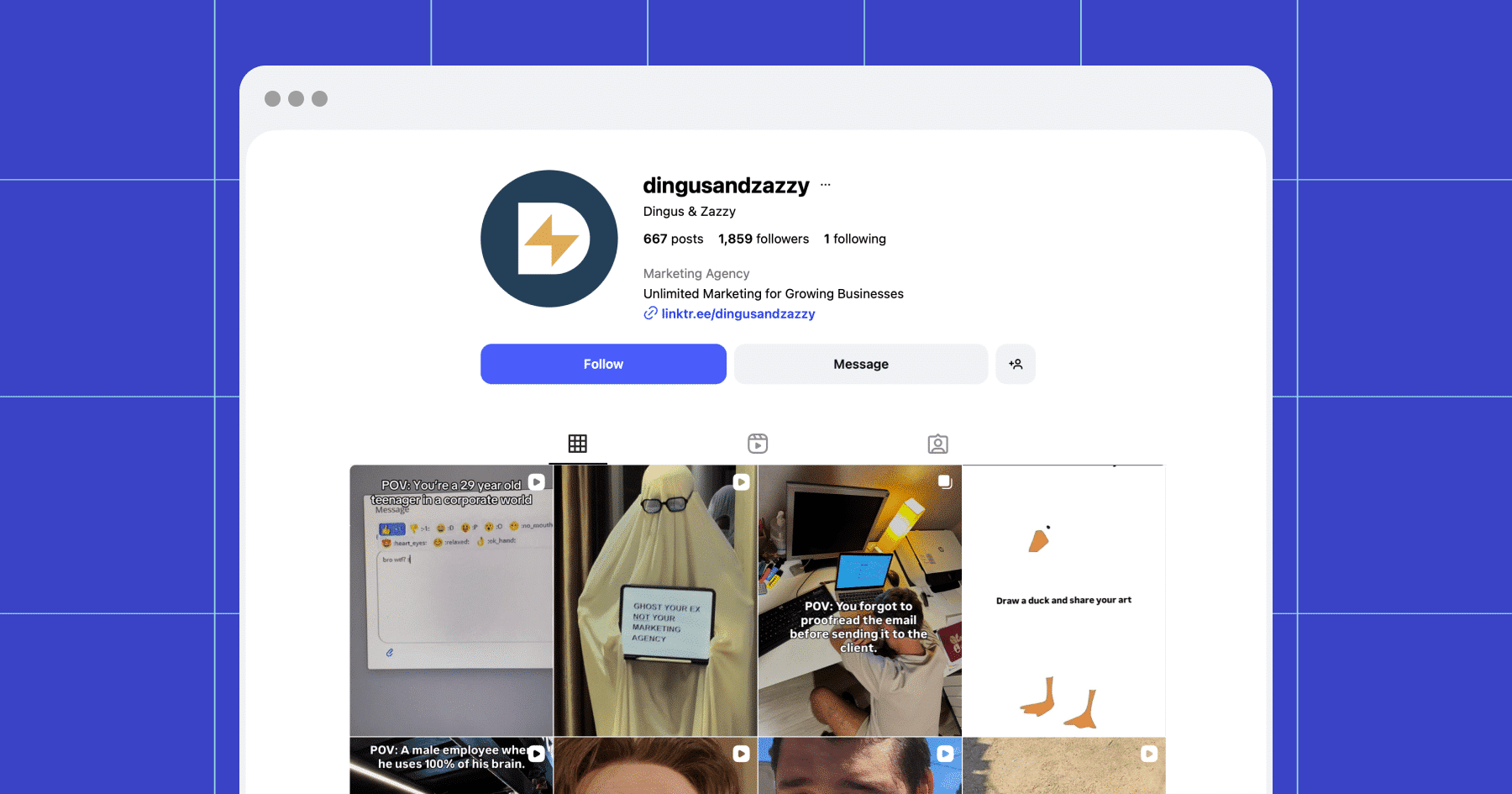
Sturgeon’s story reads like a career-long rebellion. He’s never had what most people would call a “real job.” At 37, married with three kids, he’s built and burned through more ventures than most founders ever dream of — a Montreal production company, a livestreaming startup for small-town churches, and now two Alberta-based agencies: Dingus and Zazzy and its IT spinoff, uhoh.
His ethos is simple: no contracts, no hourly billing, no bloated overhead. Month-to-month, project-based, efficient. “The longer a plumber takes, the more he makes,” he told me. “That’s not how it should work. You should get paid for being good, not for taking forever.”
That logic — practical, irreverent, human — runs through everything he touches.
Making Marketing Fun Again

After years of playing it straight, Sturgeon wanted to make marketing fun again. Inspired by early VICE chaos and a hatred of self-serious “personal brand” culture, he launched Dunce Cap, a podcast hosted by his foul-mouthed puppet Richard D. Johnson (“three dick jokes in one name”).
The show’s premise was simple: a business podcast about anything but business. Guests get ambushed by absurd questions, surreal setups, and pranks — like the peanut butter incident. “You look like an idiot if you try to cancel a puppet,” he laughed.
There’s a Space Ghost Coast to Coast vibe to it — absurdist, confrontational, and weirdly revealing. Underneath the chaos, though, is something sincere: a guy trying to make work joyful again. I know that sounds corny — I cringed writing it — but it matters. In a world addicted to LinkedIn polish and productivity porn, Sturgeon’s brand of business anarchy feels like a middle finger and a breath of fresh air. The problem was that he got in trouble for making it.
“We had to stop doing that podcast. People were flagging it as inappropriate. I kept getting banned. Like 4 times in a month. I actually need my LinkedIn account for LinkedIn Recruiter, so we can hire staff. It’s crazy that we spend like 20k a month for Linkedin, but if someone flags my content, they take me completely offline. We’re considering rebooting it on a platform that won’t ban me for having fun.”
And that’s the duality of being online in certain formats: you have to play by the rules, or risk losing the platform you’ve built. (And why a lot of creators are ensuring they build an email list.) The show would likely find a better home on Instagram or TikTok: who doesn’t want to see a corporate bro who thinks they’re in on the joke lose control before your eyes?
Rejecting the Polished Lie
Even in his own content, Sturgeon’s betting on authenticity as armor. His theory is that the internet rewards genuine weirdness over polish. He’ll admit he wrestles with the tension between professionalism and identity — then bulldozes through it with a joke.
His north star is early VICE: make the boring interesting, keep it raw, edgy, but ultimately human in an ever-sanitized corporate landscape. The Dunce Cap podcast is intentionally uncomfortable. I did it. So did a coworker. They want you to squirm. And in a world of tucked-in polos and PowerPoints, that kind of rebellion feels worth celebrating.
“The biggest challenge,” Sturgeon told me, “is that everyone does the same shit. I’m always asking myself, how can I make something that actually makes me nervous? Something so real I can’t help but immediately say yes, let’s do that. That’s what I’m chasing.” He continued talking about the podcast, discussing what happens when the realities of pushing boundaries happen in real-time.
“The problem is, who would ever come on a show like that in a business setting? That’s the hardest thing about ‘business dudes’ — the vague, feel-good bullshit. All that ‘let’s celebrate the wins’ crap. Like, shut the fuck up. No one cares.”
That’s one way to execute a marketing strategy.

Originally published: Nov 25, 2025, Updated: Nov 25, 2025
More stories worth reading
More content that's too good to miss