And That’s the Way it is: Aaron Parnas and the Shifting Nature of News
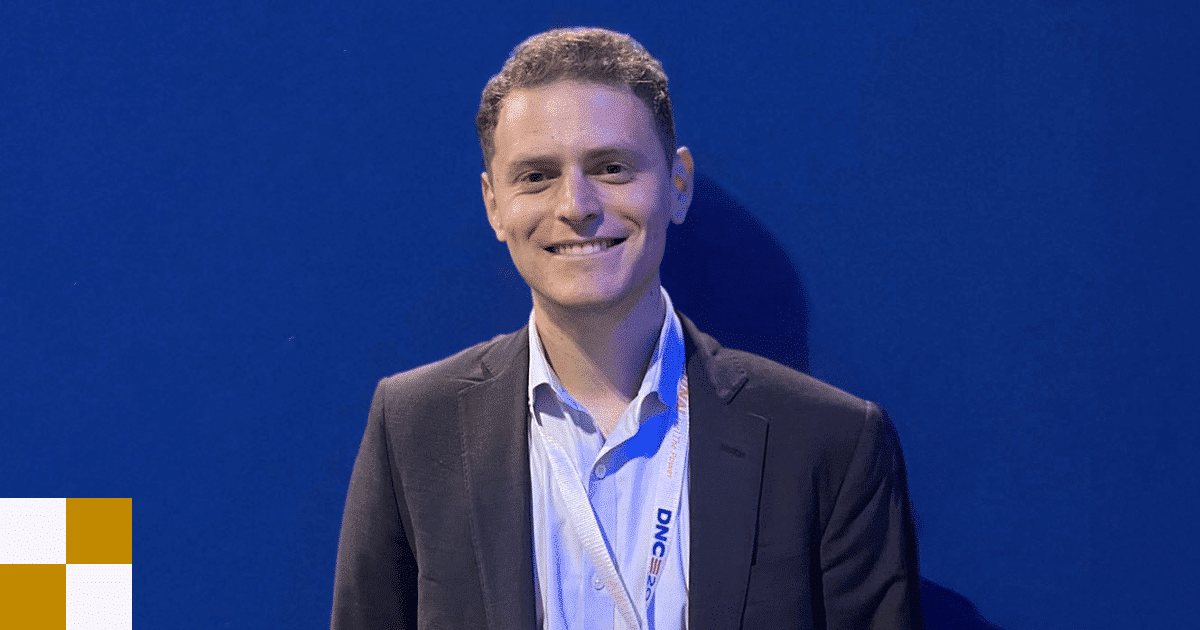
When I’m imagining a day in the life of Aaron Parnas, it goes something like this.
The camera opens on Aaron. His phone buzzes. A congressman just posted something controversial. Parnas reads it twice, considers the angle, then opens TikTok. “Hey everyone, so this just happened…” he begins, speaking directly to his camera with the casual authority of someone delivering news to a friend.
This is what a day in the life of Aaron Parnas is like. He’s everywhere, all the time.
Aaron Parnas is a busy guy. Open your phone and he’s everywhere, Instagram, TikTok, Twitter (X, if you’re that guy). He’s always online. Like, always. “Burnout is a necessary evil in this business. Work-life balance doesn’t really exist. You’ll sleep when you die,” he quips, echoing Tim Walz on the campaign trail.
With an outlook like that, you’d expect him to run on little more than caffeine, but beneath the coffee and constant scroll, Parnas has built one of the most influential Gen-Z news platforms online.
The Accidental Influencer
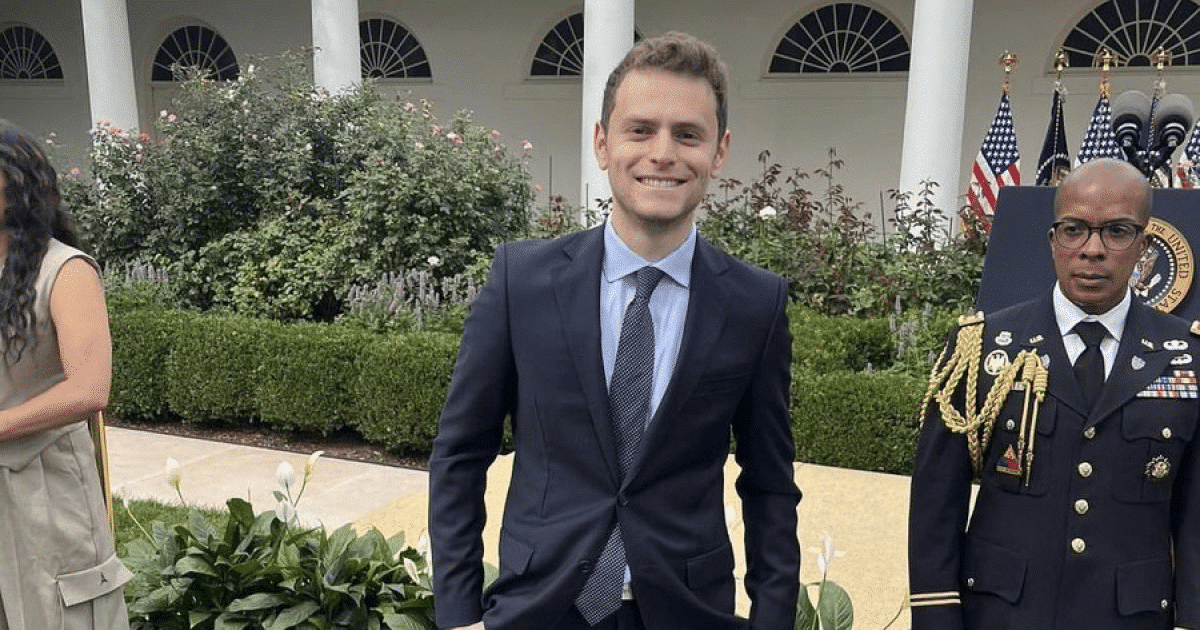
At just 25, Parnas has turned a career path that began in law into a full-time juggernaut of politics and journalism tailored to a generation that consumes news in thirty-second bursts. A former securities litigator, he first went viral in 2022 reporting on Russia’s invasion of Ukraine, leveraging family connections on the ground to beat major outlets to the story.
Within a week, he had over a million followers. Today, his TikTok commands nearly 4 million followers, his Instagram tops 1 million, and his Substack newsletter The Parnas Perspective boasts roughly 500,000 subscribers.
Altogether that’s an audience of over 5.5 million people.
Parnas represents the broader cultural context of how journalism is changing. With so many people using their phones as a source of news, it’s little wonder that he’s risen to the top of the ranks. According to the Pew Research Center, 86% of U.S. adults say they get news from a smartphone, computer, or tablet at least some of the time, highlighting how digital devices have become the dominant gateway to information. Media expert Michael Schudson puts it bluntly: “Everything we thought we once knew about journalism needs to be rethought in the Digital Age.”
Together, they underscore why Aaron Parnas’s mobile-first approach isn’t just effective, it’s emblematic of the future of journalism.
The New News Economy

“I do believe I’m cutting through the noise,” he said, reflecting on the trade-offs of working outside a traditional newsroom. “The lack of an editorial newsroom it could cut both ways. I don’t have the staff support that a mainstream site does, but I’m able to get things out faster. People understand, and I don’t have really complicated words or sentence structures.”
To him, TikTok isn’t a gimmick; it’s the latest chapter in a long line of disruptive media shifts.
“Social media is the most democratizing force for journalism since television,” he said. “Either get on board or you’re going to be left behind, because this is where journalism is going right now.”
Parnas didn’t come up through J-school. He went to law school, a path that started when his father sat him down at age 12 to watch the entire 32-day Casey Anthony trial. “I fell in love with the idea of being an advocate for someone,” he said. He envisioned a career in the courtroom, but when Russia invaded Ukraine, everything changed.
American coverage didn’t reflect what his family was experiencing on the ground. So he started posting their accounts on TikTok. “Within a week, I was actually beating the mainstream media,” he said.
The Attention Wars

This rise in platform-driven news isn’t about how information travels; it’s rooted in what survives in an attention economy that favors brevity over nuance. With Americans now consuming around 13 hours of media daily, Curt Steinhorst hits the nail on the head: “The attention economy is thriving at our expense — diminishing focus, manipulating worldviews, and damaging relationships.”
The question isn’t whether Parnas succeeds; it’s whether his success signals democracy adapting to new realities, or surrendering to them. His breakneck pace hasn’t slowed.
Parnas monitors congressional accounts and the president’s Truth Social feed with notifications on, reports directly from PACER and C-SPAN, and fields daily tips, even from people who stop him on the street. His mission, he says, is rooted in media literacy.
“I think one of the biggest issues in America is that civics isn’t taught consistently across all 50 states, and students aren’t given the tools of media literacy or shown how to find accurate information from a young age. My dream is to build the largest voice possible, to cut through the misinformation, and to deliver factual news to people across the country,” he says.
For all the access he now enjoys, Parnas still has pinch-me moments. “When I interviewed Cory Booker right after his landmark speech on the Senate floor in February, right after Rachel Maddow, I was the first journalist to speak with him. That was surreal.” Standing among seasoned media veterans and being treated as a peer, he admits, is still jarring. “It feels like every day there’s a new kind of pinch-me moment.”
But he’s also honest about the downsides. “Number one, people love to shoot the messenger when they’re really upset at the message. A lot of people get angry at me for reporting the news instead of being angry at the news itself. But when everyone’s upset at me, I know I’m doing something right.”
The second challenge, he said, is simply information overload. “Big stories fade from the headlines in days, sometimes hours. People have become numb; they either don’t care or they don’t want to hear more of it, and that’s concerning.”
Building Trust at Scale
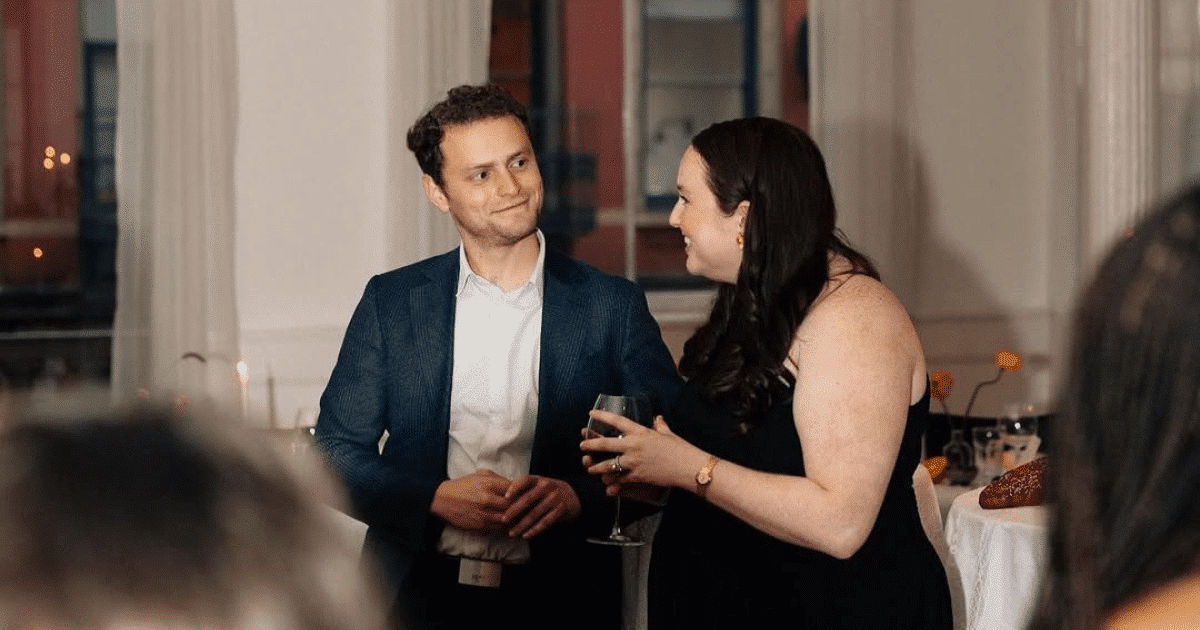
Despite the chaos, he’s clear about what matters most. “You need to know the headline — what happened in one sentence. Then you need to know how it impacts your life. And finally, what can you do about it? Those are the three things.” Longer features, the stories behind the stories, take time, but his guiding principle is simple: don’t let the news exhaust you, and be wary of opinions masquerading as fact.
Even with millions of followers, Parnas roots himself in old-school heroes. “I want to bring back a Walter Cronkite style of reporting, that’s the goal. Cronkite was amazing, and I aspire to that kind of journalism: straightforward, down the middle, not inserting my own opinion. The difference today is that I’m doing it without the polish of a major news organization, just raw reporting on social media.”
At the same time, he wants to sharpen his interview skills, inspired by Barbara Walters and Katie Couric. “What strikes me about Walters or Couric is their ability to get someone to open up, to be emotional and raw in ways we rarely see anymore.”
He speaks reverently of Cronkite’s ‘down the middle’ reporting, yet his success depends entirely on the audience’s relationship with him personally: his face, his voice, his brand. It’s a contradiction he seems both aware of and unbothered by, perhaps because for his generation, authenticity and performance aren’t opposites but partners.
His advice to aspiring creators is equally old-fashioned in its simplicity: just start. “The biggest roadblock for most people is that they’ve never posted,” he explained. “They’re afraid of looking wrong, being embarrassed, or getting ridiculed.” He admits he felt the same hesitation before posting on Instagram. But what matters most, he insists, isn’t virality, it’s authenticity. “If you’re not authentic, people won’t watch you. But if you are, you’ll build something real.”
Parnas is putting in the work, and people are watching. He’s quickly becoming the voice he believes people can trust.

Originally published: Sep 10, 2025
More stories worth reading
More content that's too good to miss