The Performance of Intimacy: How Creators Are Rewiring the Rules of Friendship

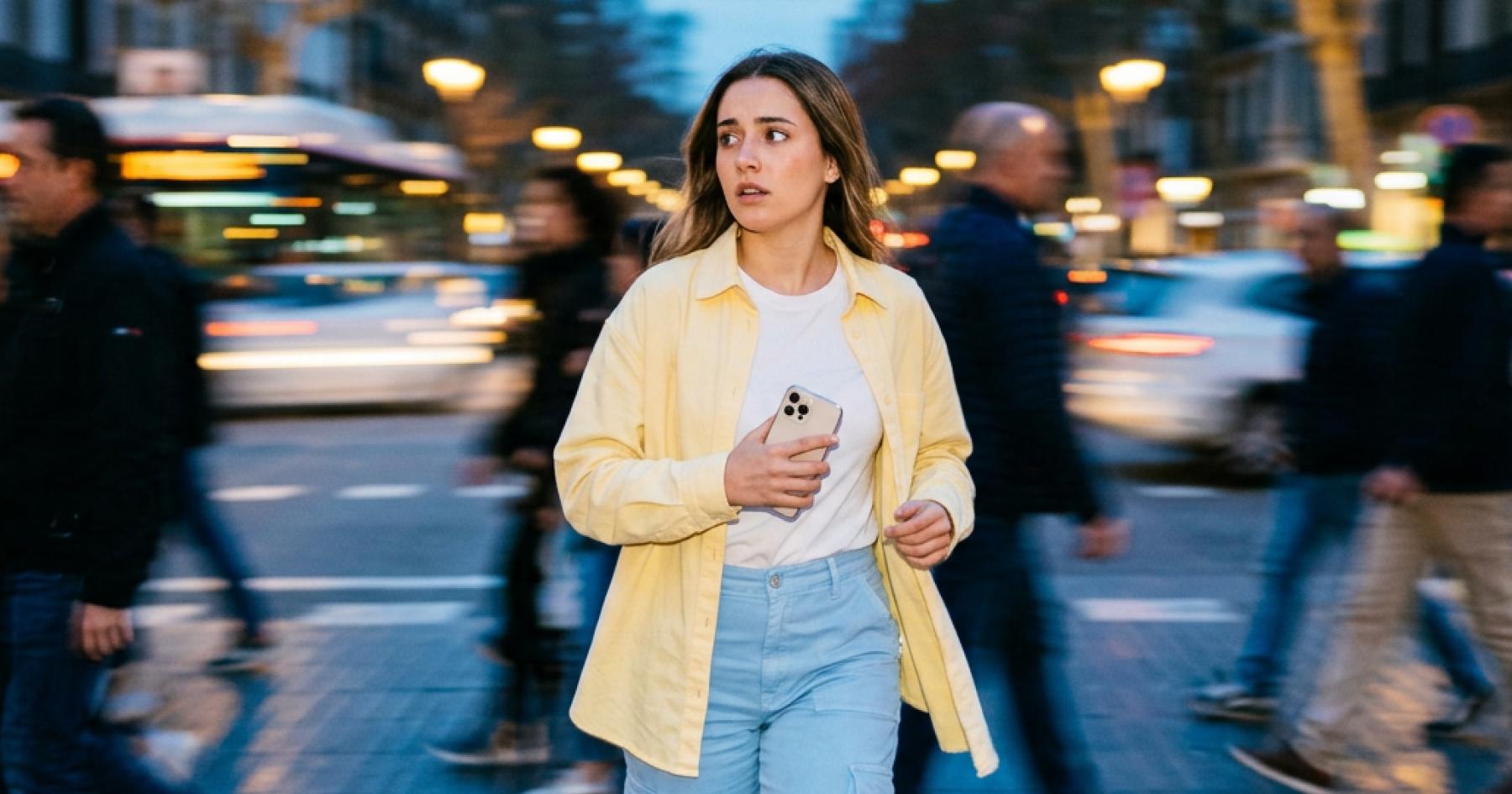
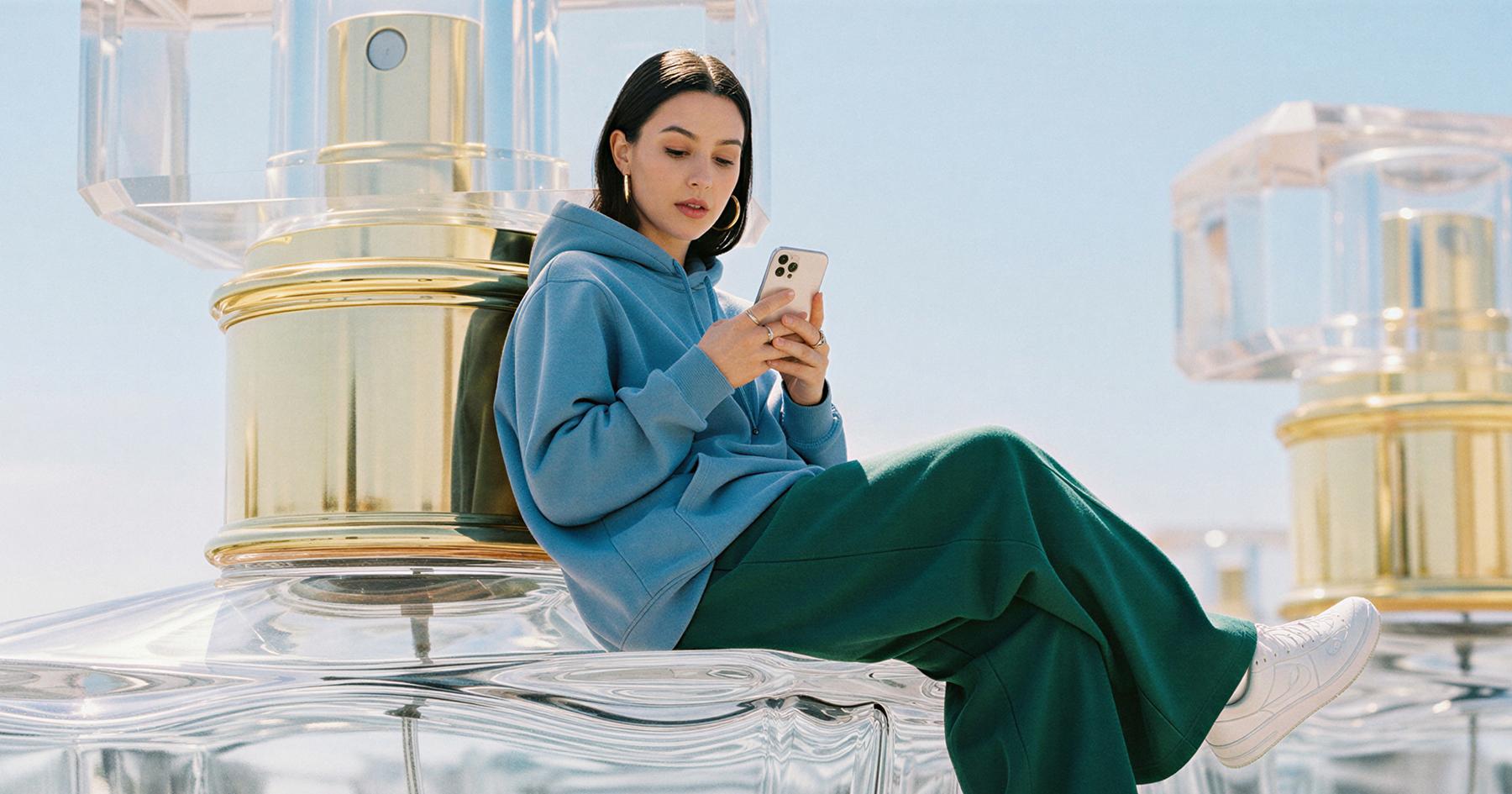
A good friend checks in with their people, drops a line to make sure life’s okay; that the kids are cool, the job’s steady, and they’re hanging in there. Even if we don’t talk every day, a “what’s up” goes a long way. But what happens when that instinct for connection mutates, when those check-ins exist because there’s a parasocial relationship? A creator documents their life, and followers check in on what’s happening multiple times a week, if not every day.
It raises the broader question: Is that really okay?
As the late agitator Christopher Hitchens once observed, “The essence of the independent mind lies not in what it thinks, but in how it thinks.” The parasocial age has blurred that distinction. We scroll, we watch, and start believing we know someone because we’ve seen their morning routines and heartbreak playlists. Psychologist Sally Theran, Ph.D., defines this as “an imaginary, one-sided relationship that an individual forms with a public figure whom they do not know personally.”
And we’re deep in it.
The Business of Being Known
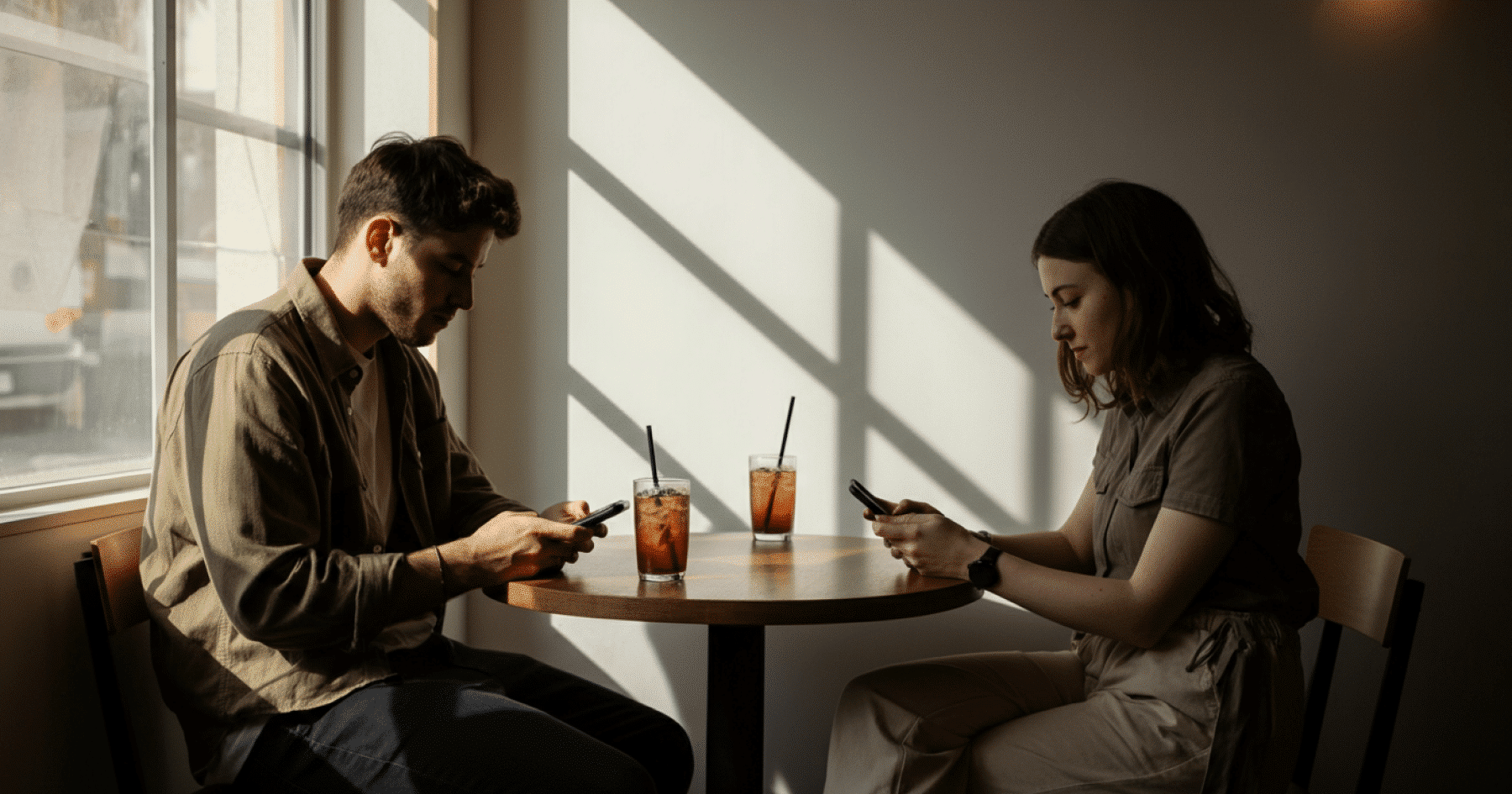
According to a 2023 Thriveworks study, 51% of Americans have likely been in a parasocial relationship — though only 16% realize it. That gap says everything about the illusion of closeness. We’re all checking in, just not with each other. Instead, it’s someone lit by a ring light, trauma-dumping into the void for likes, explaining how they just went on a terrible date with a guy who’s an aspiring dog walker.
When a creator shares their life down to its most intimate details, it becomes a choreographed performance of vulnerability that blurs the line between authenticity and commerce. Seeing someone’s trauma as a bonding mechanism feels normal; we’re wired to find ourselves in others, but the twist is that the person dropping the information is also monetizing the relationship. They’re gaming the emotional system.
Parasocial relationships 2.0
The term “parasocial relationship” was coined in the 1950s to describe the one-sided attachment that audiences formed with television and radio personalities, particularly those with friendly hosts who felt like pals, even though the relationship existed only through a screen. In the creator era, that dynamic has evolved into something far more intentional.
Modern creators aren’t just performing; they’re engineering emotional proximity. Every “you guys asked for this,” every Q&A box or “choose my outfit” poll constructs an idea of false reciprocity, a feedback loop where followers feel seen, heard, and included in a life that isn’t theirs. Comments, DMs, and “responding to YOU specifically” videos sustain the illusion of two-way communication, making audiences believe they’re part of a relationship that, by design, can never exist.
The Loneliness Economy

Social media loves the parasocial because it’s easy to monetize. That hunger for connection becomes currency. Add-ons like Super Chats, subscriber-only streams, and Patreon tiers create the illusion of closeness. You’re not just a follower anymore; you’re part of the “inner circle.” But the creator still doesn’t know your name.
A creator’s entire business model hinges on manufacturing intimacy at scale. It starts with access: the bedroom backdrop, the unmade bed, the “no makeup, just vibes” tone. They talk to the camera like it’s a friend, not an audience. The strategy is deliberate — micro-gestures that mimic genuine closeness. They film from their phones to feel spontaneous, use first-person language (“you guys,” “we,” “our little community”), and share emotional updates as if texting friends. Then comes algorithmic amplification: replying to comments, stitching a fan’s video, or answering a planted question. The more personal it feels, the more scalable it becomes.
The end product is mass intimacy: millions convinced they’re in a private relationship with someone who doesn’t know they exist.
It happens because our brains are wired to seek connection and familiarity. When someone looks into a camera and speaks with warmth, we respond as if it’s real social contact, even when it isn’t. Nearly 70% of consumers feel personally connected to the creators they engage with most, and two-thirds say that the bond forms within days or weeks.
The blur
For some, this is a way to connect — a friendship they need, even if it’s one-sided. That hits harder when 32% of U.S. adults report feeling lonely. When does the parasocial become social? How do we adjust to this new kind of intimacy? When followers spin off and start their own Discord servers or group chats, it becomes tangible: an idea materializing into emotionally weighted community.
I’ve spent time in creator Discord servers, and the language is revealing. Fans don’t say “I like her content” — they say “I love her,” “she gets me,” “she’s always there when I need her.” The pronouns alone reveal the category error we’re all making through emotional commerce, via one-sided experiences.
Speaking with Vanity Fair, social media commentary firebrand Taylor Lorenz nailed the contradiction: “What the best content creators do is build those connections…parasocial relationships make me nervous. I’m very intent on not building those bonds with my followers. But it’s helpful to you if you do. I mean, the more people feel towards you, the more power you have and influence you have.”
As a journalist chronicling internet culture who’s also part of it — cultivating her audience across TikTok, Substack, and X — Lorenz’s visibility blurs the lines she reports on. That self-awareness lends weight when she says the connection between creator and follower isn’t real closeness but engineered proximity, rewarded by algorithms and sustained by attention.
But here’s the sitting-at-the-top-of-the-mountain observation: no one’s sure who’s faking it anymore. In the TV era, you could turn off the channel; now, the channel follows you.
You are part of the content based on human-wired interaction.
Emotional infrastructures
These digital ecosystems aren’t just fandoms; they’re stand-ins for the missing social clubs and friend circles of everyday life. What’s actually happening here is a mass substitution: creators are building the emotional scaffolding that civic institutions once provided.
- Emma Chamberlain built her brand on vulnerability and “relatable burnout.” Fans describe her as “like a best friend,” reinforced through her Anything Goes podcast and low-fi YouTube vlogs. This matters because she’s monetized the exact aesthetic of authenticity that makes parasocial bonds feel mutual.
- Hasan Piker’s Twitch stream serves as a political living room where viewers spend hours socializing, developing a shared language, and engaging in in-jokes. His success reveals something crucial: people don’t just want content, they want a place to belong while consuming it.
- Drew Afualo uses humor and righteous anger to create a safe space for women online; her TikTok comments are treated like a group chat by fans. MrBeast’s philanthropy creates moral participation — his audience feels complicit in “doing good,” building identity around someone else’s actions.
- Hank and John Green built one of the earliest digital communities, Nerdfighteria, complete with its own language, rituals, and real-world charity drives. They proved that parasocial relationships could bootstrap into actual communities — the question is whether that’s replicable or the exception.
What Parasocial Relationships are Replacing
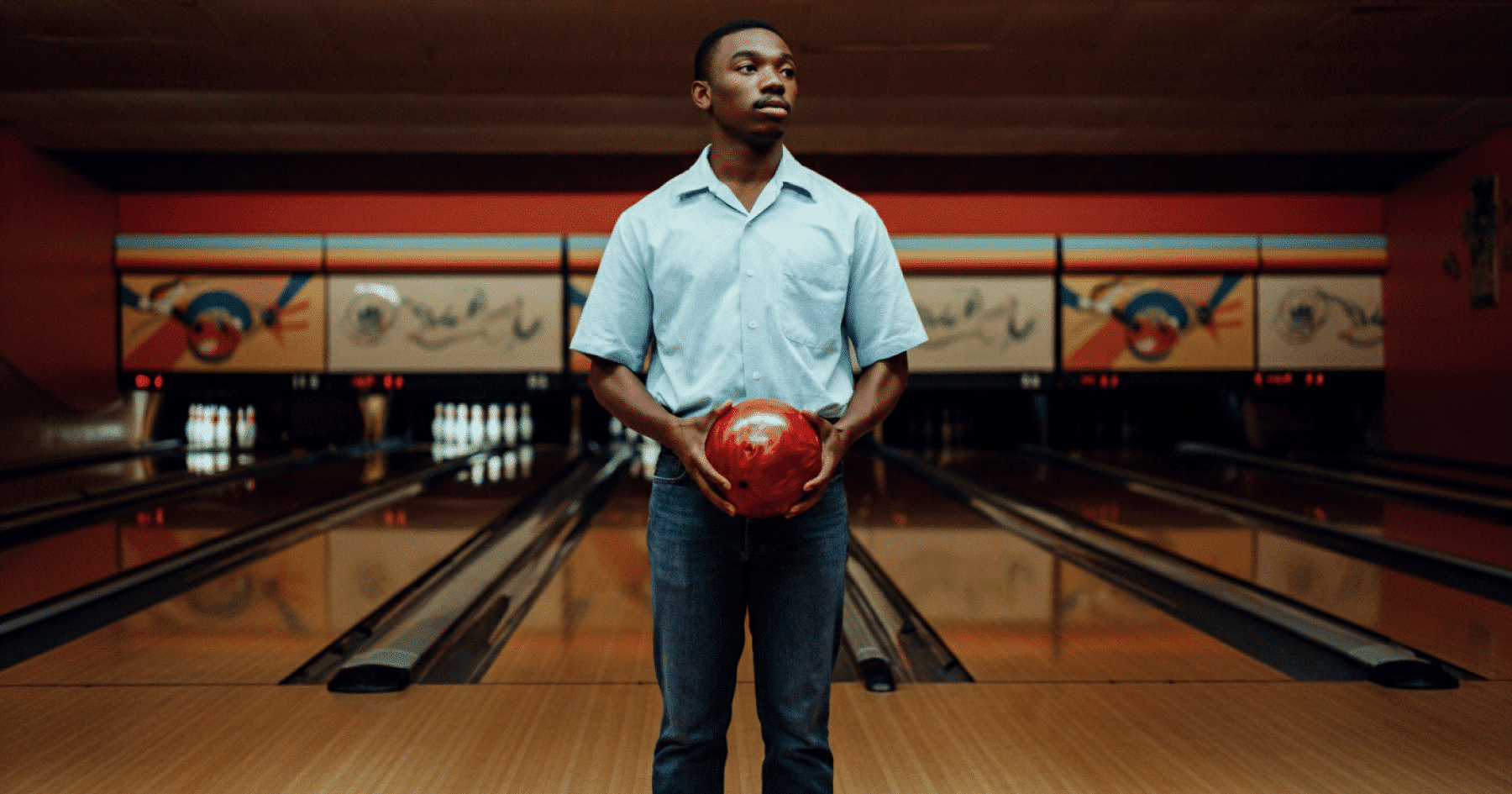
Parasocial relationships aren’t just filling the space; they’re standing in for the social infrastructure that has eroded. For much of the 20th century, people built connections through neighborhoods, churches, unions, bowling leagues, PTA meetings, and the local dive where everyone knew your order. Those institutions have been hollowed out by economic pressure and digital convenience. Sociologist Robert Putnam warned about this in Bowling Alone, noting the collapse of civic participation and local friendship networks. The numbers have worsened: a 2023 Pew study found 44% of Americans say they often feel no one knows them well. The U.S. Surgeon General recently declared loneliness a public health epidemic, linking it to a 29% increase in heart disease and a 32% rise in stroke risk.
People turn to screens when they should join a Moose Lodge or hang out at the dog park, to get a little humanity in real-time. The digital “check-in” becomes the stand-in for community, when in reality, we all need to literally “touch grass.” A creator’s face replaces that of a friend; the parasocial bond supplements what we lost to late-stage capitalism’s relentless grind of isolation. These relationships hit the same dopamine circuits that friendships once did — except they don’t ask anything of us. No favors, no awkward silences, no emotional labor. It’s friendship without friction, companionship without context. And for many, that’s easier than the real thing, but it shouldn’t be.
Hasan Piker’s Twitch channel operates on a subscription-based model of intimacy. For $4.99 a month, you can talk in chat while others watch in silence. At $9.99, you get custom emotes — inside jokes turned into micro-icons. At $24.99, your username changes color, a badge that says, “I’m closer to him than you are.” It’s a tiered system of manufactured proximity — and 40,000 people pay for it.
Not every creator leans into engineered intimacy, though. Streamer Ludwig Ahgren turns off DMs and keeps his private life off-camera, saying, “If you know too much about me, I’ve failed.” YouTuber ContraPoints maintains “a polite distance” because overexposure turns empathy into expectation. Even Hank Green reminds followers, “I’m not your friend, but I care about you.”
The healthiest creators understand the paradox: you can’t scale friendship without breaking it.
Still, the platforms keep pushing. Notification nudges, streak counters, paid chat priority, and badges all deepen attachment and blur boundaries. They don’t care if it feels real — only that it keeps you psychologically logged in.
Who Pays the Price
This system hits hardest for the lonely and the in-between: teenagers, new parents, people freshly divorced or recently relocated. Studies from the American Psychological Association show adolescents who spend 3+ hours a day on social media are twice as likely to report feeling isolated — yet folks keep scrolling because it simulates that missing closeness. For someone who hasn’t had a genuine conversation in days, a streamer saying “hey bestie” can feel like oxygen.
The Addiction Mechanics: Algorithmic Intimacy
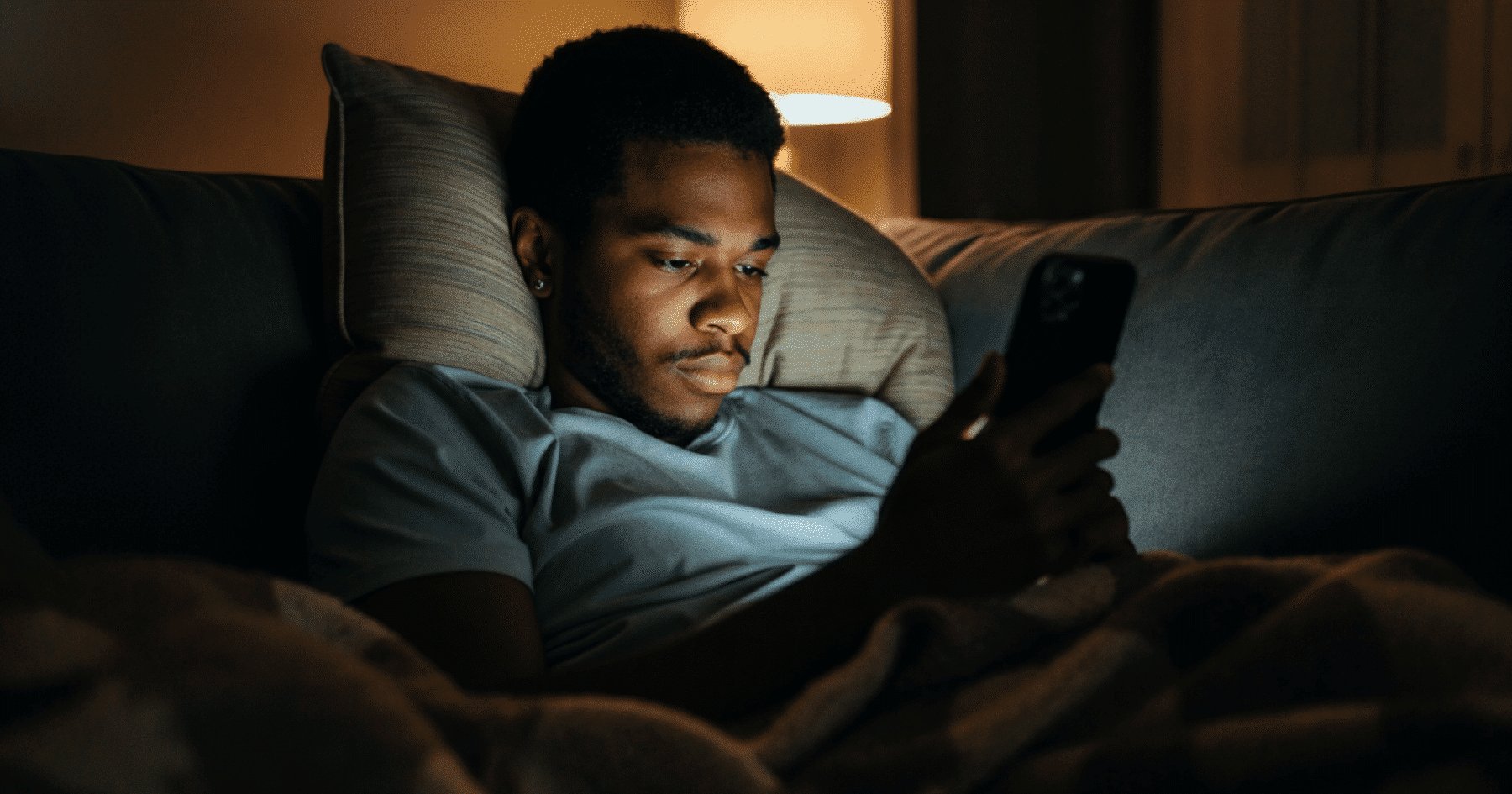
If connection is the hook, the algorithm is the dealer. Social media doesn’t just reward attention — it engineers craving. Every like, comment, and notification triggers the brain’s reward circuitry. Neuroscientist Anna Lembke, author of Dopamine Nation, calls it “a cycle of pleasure and pain,” where minor hits of validation keep us scrolling for the next one. The algorithm learns what makes us feel seen — breakup confessions, emotional updates, late-night rambles about anxiety — and feeds us more of it. It’s not empathy; it’s calibration.
Platforms have turned intimacy into an optimization problem. TikTok, Instagram, and YouTube measure not what we say we like, but what we linger on. The system learns your emotional rhythm: who makes you laugh, who makes you cry, who feels like “home.” Over time, the feed becomes less about entertainment and more about companionship — a custom-tailored sense of belonging. It’s not your friend list; it’s your emotional diet, served by a machine.
When the parasocial breaks
But every illusion expires. When a creator you’ve grown attached to gets “canceled,” exposed, or simply stops posting, the fallout feels personal. Followers describe it like a breakup — or worse, a death. There’s grief, anger, confusion — the same neural pain response as losing a real connection. Psychologist Dr. Riva Tukachinsky Forster found that people mourning the end of a parasocial bond report genuine symptoms of heartbreak, including sadness and intrusive thoughts.
It’s easy to mock that kind of attachment until you realize the scaffolding built around it. These creators have been digital roommates, a constant presence in our lives. They cook dinner with us, walk with us, cry with us — and then, suddenly, they’re gone or not who we thought they were. The trust fractures, and so does the illusion of safety. That’s the quiet danger of the parasocial age: we’ve built emotional lives on borrowed intimacy, and no one’s in charge of the cleanup when it collapses.
Ripple effects on genuine relationships
The parasocial doesn’t stay on the screen. It seeps into how we navigate real life — how we expect people to show up, how we compare, and how we forgive. When connections are always filtered, edited, and algorithmically timed, real relationships start to feel awkward. Friends can’t compete with creators who never interrupt, never disappoint, and ask for nothing back. (Remember that whole debate about giving airport rides?)
We shouldn’t view the world through a screen, but here we are, and it happens daily for many of us. That is not a good thing. I know it sounds prescriptive, but we need one another in person, or as the kids behind the screen say, IRL.
That’s the bleed: when our baseline for intimacy becomes performative, we start measuring the people around us against the ones we’ve never met. The friend who forgets your birthday feels colder than the influencer who posted a teary “I love you guys” video to five million followers. Psychologists call it emotional displacement, when the satisfaction of online relationships dulls our appetite for the messy, unpredictable ones that are right in front of us.
The comparison trap makes it worse. We see creators crafting highlight reels of vulnerability — just enough chaos to feel authentic — and start grading our own lives against theirs. Suddenly, a friend venting about their breakup feels small next to someone who turned heartbreak into a cinematic confession set to Phoebe Bridgers. In a culture that packages pain for engagement, genuine struggle feels outdated. Tears and anguish should not be required to perform belonging in community, but instead stand as something personal for the sake of human experience, not a way to show a papier-mâché version of humanity via DM.
It’s all landing in the middle of a loneliness epidemic. The U.S. Surgeon General compares chronic isolation to smoking fifteen cigarettes a day. Half the country reports feeling disconnected. So of course we reach for the screen — it’s the only place where attention still feels infinite.
The Reckoning

So what do we call this? Exploitation? Evolution? Probably both. We’re adapting to the world we built — one where connection is content and empathy has a metrics dashboard. Creators are rewarded for vulnerability, followers for loyalty, and platforms profit from both. It’s a feedback loop of care and consumption — intimacy as a business model.
The hardest question isn’t about morality; it’s about personal utility. If these relationships meet our emotional needs, does it matter that they’re not real? If someone on a screen makes us feel less alone, does it matter that they’d never recognize us on the street? Maybe the human brain doesn’t care about the difference anymore. Maybe the algorithm knows that, too.
Navigating the new intimacy
We’re not quitting the internet anytime soon, and moralizing about screen time misses the point. But there are ways to make the parasocial less parasitic — not through willpower, but through emotional and personal architecture.
- Treat creators like caffeine, not water. Avoid using parasocial content as your first interaction of the morning or last one at night. No checking in with Emma Chamberlain before you’ve checked in with yourself. Reserve creators for the middle of the day when you already have emotional ballast.
- The one-for-one rule, but make it count. For every parasocial “check-in,” reach out to someone who knows your middle name. Not a like or a comment — an actual message. The point isn’t to replace digital with analog, but to stop letting one-sided relationships crowd out reciprocal ones.
- Audit your emotional diet. If your feed is 80% confessional content, you’re not getting information anymore: you’re getting intravenous empathy. Diversify: comedy, news, music, tutorials, anything that doesn’t ask you to care about someone’s feelings. Emotional content is fine in moderation; it becomes corrosive when it’s constant.
- Set spending caps like you would for gambling. If you’re paying for multiple Patreon tiers, Discord servers, or exclusive content, add it up. Not to shame yourself, but to see the pattern.
- In community spaces, rotate power. If you’re in a creator’s Discord or subreddit, make sure moderators change and boundaries stay explicit. The healthiest fan communities are the ones that outgrow their creator — where people show up for each other, not just the parasocial anchor.
What Comes Next
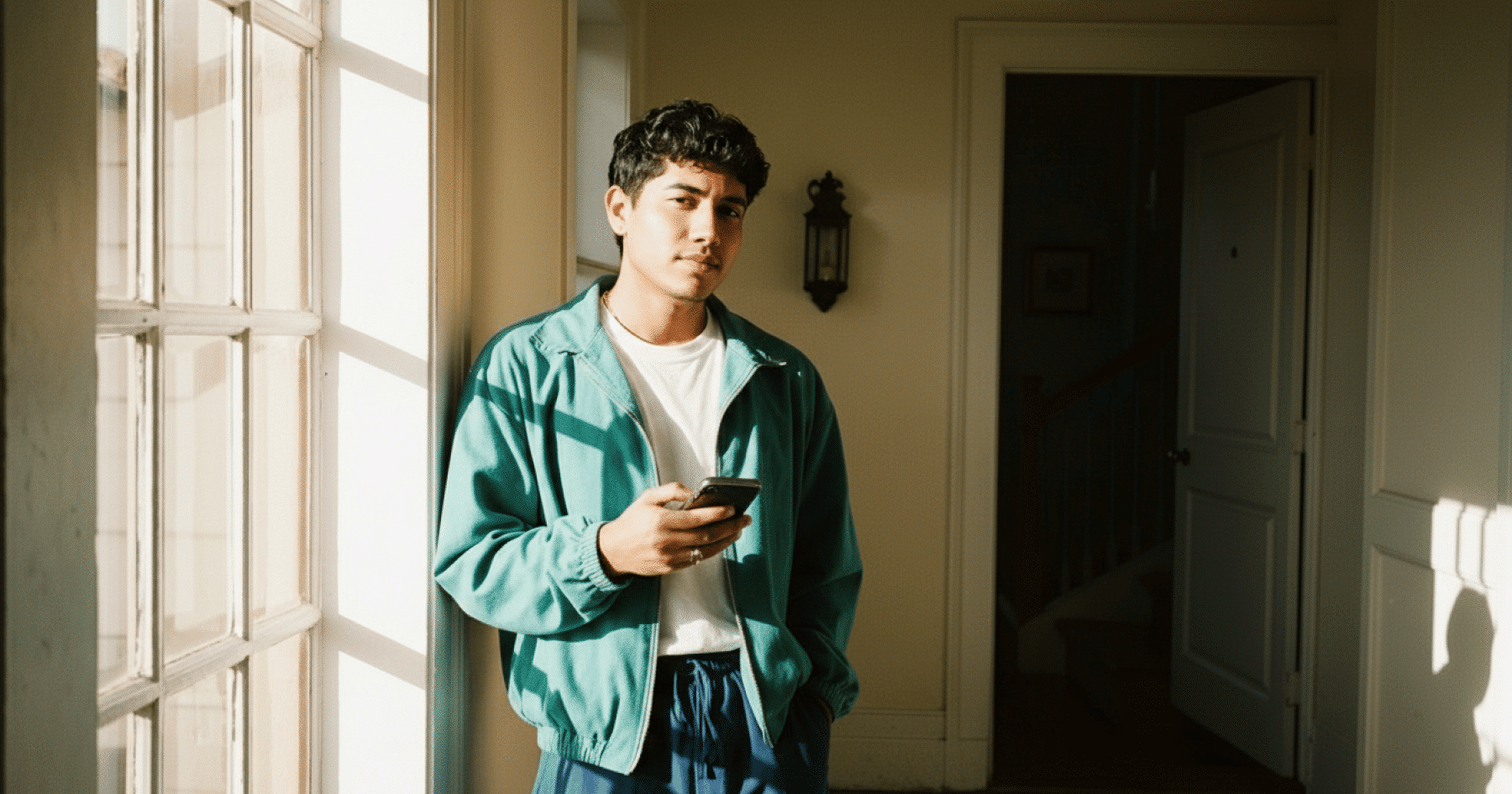
The next generation might not see parasocial relationships as fake at all. They’re growing up in a world where digital presence IS presence, where “knowing” someone means watching their content, and where community forms in Discord servers rather than church basements.
We may not be witnessing a crisis of authenticity but an evolution of what connection means.
The question isn’t whether this is healthy by 1950s standards — it’s whether we’re building the right structures for whatever this is becoming. Will we develop new social antibodies against exploitation? Will platforms add friction where they currently remove it? Or will we simply become better at navigating a world where most of our relationships are asymmetrical?
We don’t know yet. But we’re all running the experiment together, one parasocial check-in at a time.

Originally published: Nov 24, 2025, Updated: Nov 24, 2025