CLV: A Measure of Predictable Income for Businesses and Creators

You post a video that blows up (congrats!). Thousands of people watch, dozens of them follow you, and a few drop some money on merch. Then — poof! — they’re gone. 🫥
But there’s that one follower who sticks around. They buy merch and event tickets, binge your other content, and eventually spring for a paid subscription to your channel.
It’s easy to see how one loyal fan ends up being worth more than a hundred one-and-done buyers. That’s the idea behind CLV — and why creators who understand it don’t just chase views; they build empires.
The Power of CLV: One Loyal Fan Beats 1,000 Likes

Customer lifetime value (CLV) measures the total revenue a customer or follower generates over the course of their relationship with your brand — not just what they buy today, but what they contribute over months or even years.
CLV is especially important right now because customer acquisition costs (CAC) continue to rise.
Acquiring a new customer can cost five to 25 times more than keeping an existing one. Even in industries that once had it “easy,” like e-commerce, acquisition costs have increased by 222% over the past eight years. For creators, this shows up as tougher algorithms to crack and paid ads that eat into already thin margins.
On the flip side, loyalty pays off big. HubSpot says that boosting customer retention by just 5% can increase profits by 25% to 95%.
That means whether you’re running a small boutique or building your following as a creator, the surest path to success is to nurture those who keep engaging with and buying from your brand. CLV gives you a clearer picture of the value of loyalty for your business by showing how much repeat customers or engaged fans contribute to your growth over time.
How to Calculate CLV

Calculating CLV is simple for both creators and businesses. If you use an e-commerce platform or a POS system, you likely already have access to this information in a dashboard.
If you don’t, there is a formula you can use. But before we get into the math, some housekeeping:
- CLV is typically calculated at the average customer level, rather than for each customer.
That’s why the formulas below use average order value, average purchase frequency, and average customer lifespan. This gives you a baseline number you can use for strategy (like how much to spend on marketing or retention efforts). - You can calculate CLV for individual customers if you have enough data.
Advanced tools (such as Shopify and HubSpot) can highlight these differences, allowing you to pinpoint exactly which customers are worth giving special attention to.
Okay, let’s get to the formulas.
How to calculate CLV as a business
CLV = Average Order Value × Purchase Frequency × Customer Lifespan
Let’s say you run an online boutique:
- Your AOV is $50.
- Your average customer makes four purchases per year.
- And they stick around for three years on average.
CLV = $50 × 4 × 3 = $600
That means your average customer is worth $600 over the entire course of their relationship with your brand.
Knowing this, you can make smarter decisions around ad spending: For instance, if it costs you $40 in ads to acquire a new customer, that’s still an excellent investment because their lifetime value is much higher.
How to calculate CLV as a creator
CLV = Average Spend Per Follower × Retention/Engagement Period
So, let’s say you’re running a membership program on Patreon:
- Each subscriber pays $10/month for access to your content.
- They stay subscribed to your channel for an average of 12 months.
CLV = $10 × 12 = $120
That means each of your subscribers is worth approximately $120 per year.
If you have 200 subscribers, that’s $24,000 in annual revenue. This enables you to plan and budget more effectively based on your projected revenue.
Want to Improve Your CLV? Here’s What to Do

We all want to attract new customers and followers, but it’s even more important to nurture them into long-term supporters who stick around.
There are a few things you can do to boost customer retention so you don’t have to rely solely on costly acquisition.
If you’re a business:
- Personalize offers with segmentation. Pull data from your e-commerce platform, subscription tools, or messaging apps (like Manychat) to group people by their interests and behavior. Then, send tailored product recommendations or exclusive discounts.
- Automate post-purchase follow-ups. After someone makes a purchase, send a thank-you message, product tip, or a recommendation for next time to open the door for upsells.
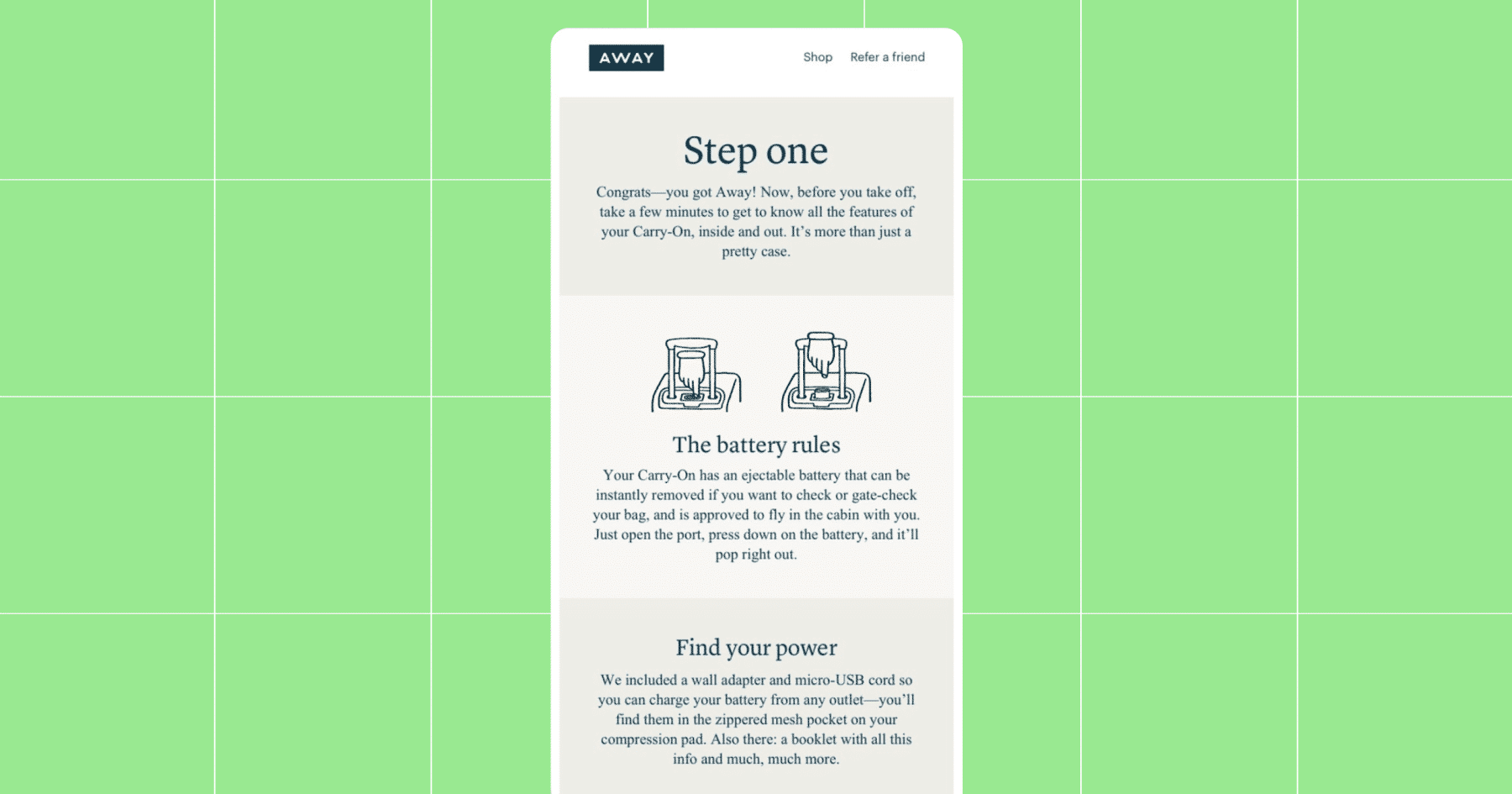
- Introduce loyalty programs and rewards. Encourage repeat purchases by offering points, discounts, or early access to new products for repeat customers.
Learn more: Punch Cards Belong in the Past — Here’s How to Do Customer Loyalty Today
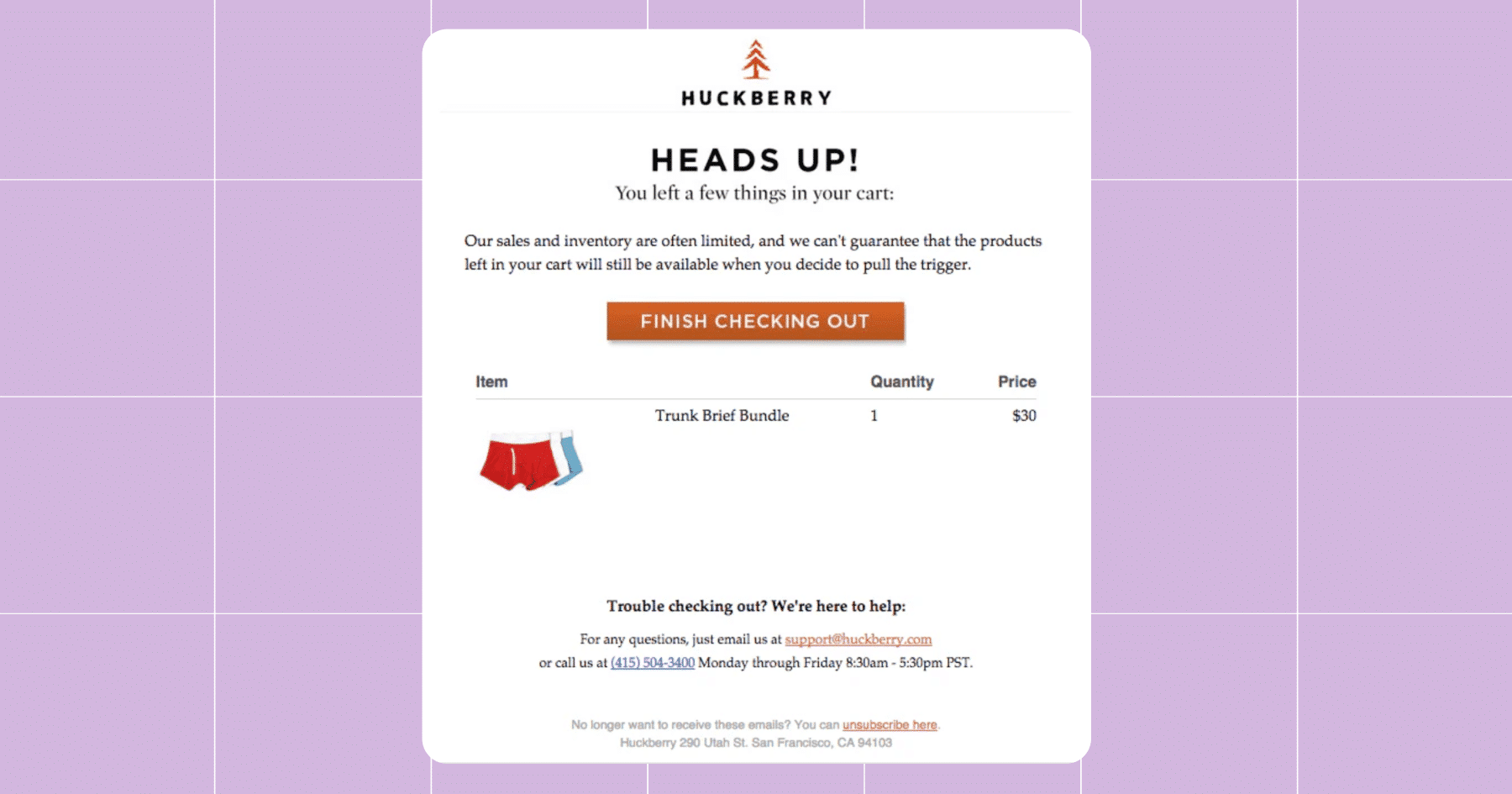
- Recover lost revenue with cart reminders. Abandoned carts don’t have to be the end of the story — a nudge via email, SMS, or DMs can influence people to complete their purchase.
If you’re a creator:
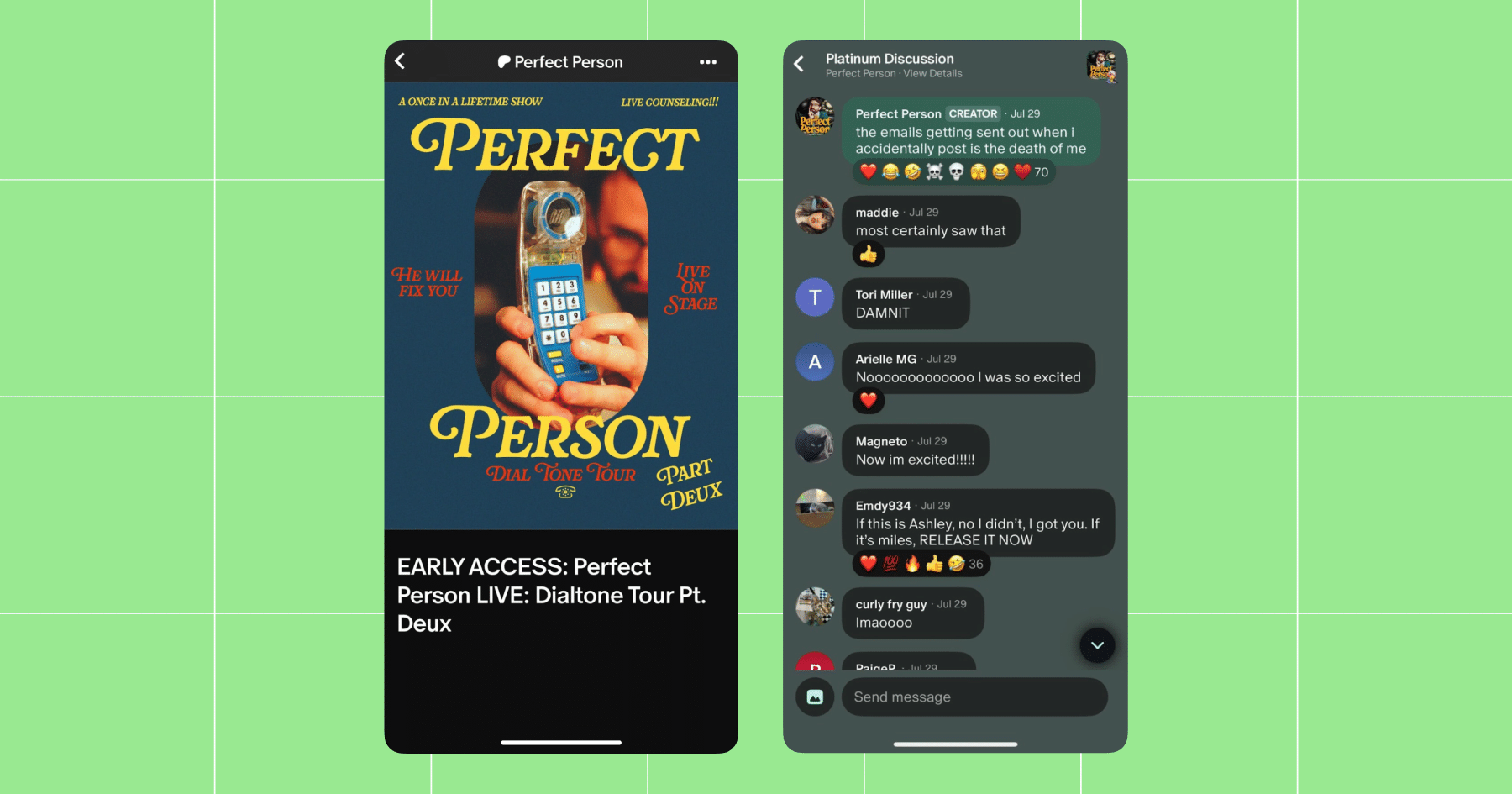
- Reward paying fans with exclusive perks. Early content drops, behind-the-scenes access, or private Q&As give your fans more reasons to stay subscribed.
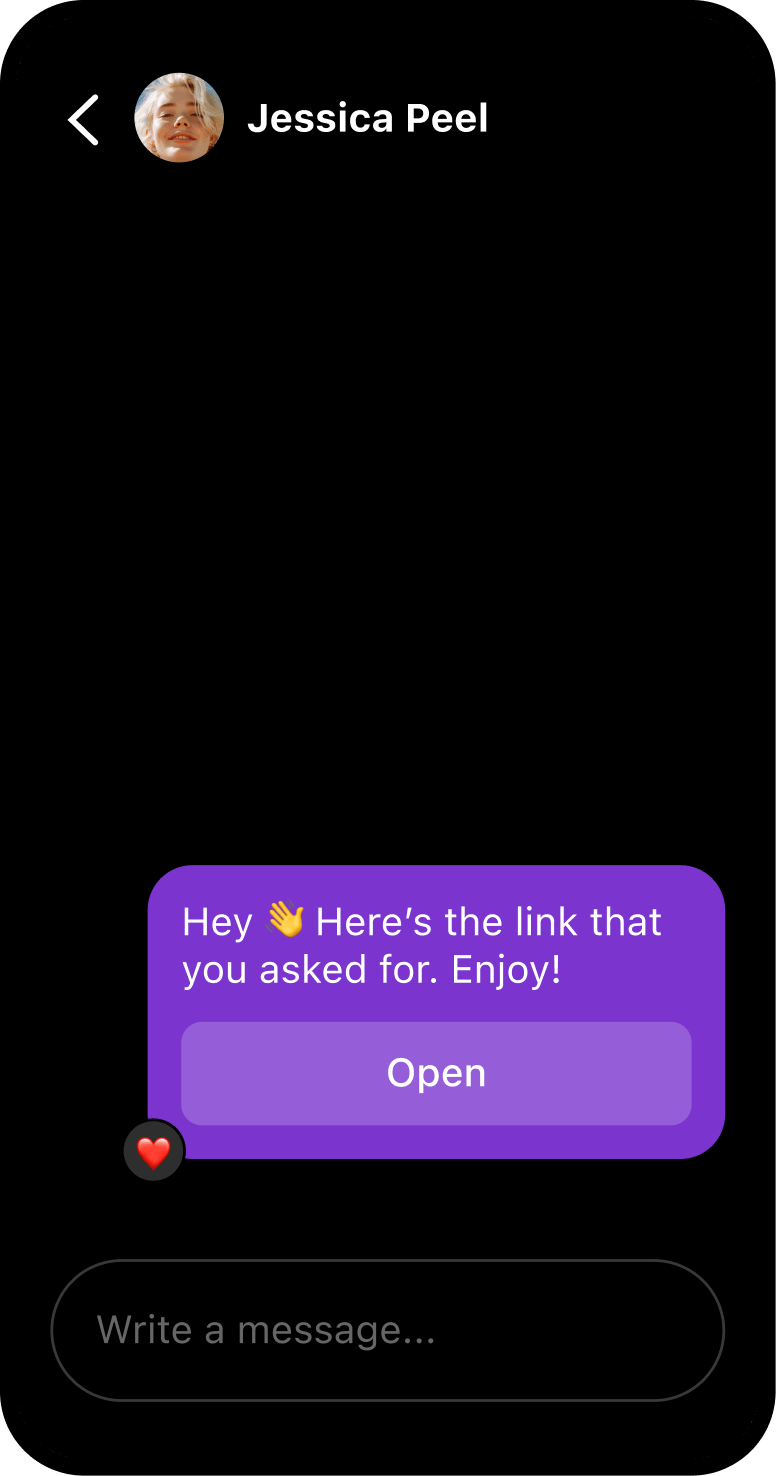
- Engage with fans directly. Use DMs to thank loyal fans, answer questions, or offer sneak peeks. Personal connections deepen loyalty and extend retention.
- Bundle offers to increase value. Pair merch with a digital product, or add bonus content to a membership tier.
- Create ongoing value. Keep people coming back with subscription-based content, recurring challenges, or community spaces where fans can connect with you and with one another.
Make it Easier on Yourself with Manychat

CLV grows when relationships deepen. Manychat helps by keeping the conversation going around the clock so that followers buy more often, stay longer, and become loyal advocates for your brand.
Here’s a little taste of what you can do with Manychat:
Grow a strong follower base
Your relationship with a customer or fan begins the moment they follow you. With Manychat, you can thank them right away with a discount, freebie, or exclusive content. Do it without bots or BS.
Automate engagement that converts
Instead of letting comments just sit there, you can set up an instant reply that sends people straight into your DMs with more info, links, or offers. Creator Jenna Kutcher used this approach to generate $900k in sales and 38k+ new emails from Instagram.
Just be sure to use best practices when automating comments.
Build high-quality contact lists
Instagram and TikTok followers can disappear overnight if the algorithm shifts. Manychat makes it easy to collect emails, phone numbers, or WhatsApp opt-ins from your DMs, so you always have a way to reach your people.
Be available 24/7 (without being glued to your phone)
Missed messages = missed opportunities. Manychat’s always-on replies (to DMs, comments, or story mentions) ensure no one feels ignored, even when you’re offline.
TL; DR ⭐ Let Manychat handle the endless DMs and follow-ups, so you can focus on creating content and closing sales.
Or, keep learning ➡️ Want to Make Sales on Instagram? Build Real Relationships First
✋Frequently Asked Questions (FAQs)
1. How do I know which followers are actually profitable versus just engaged?
Likes and comments don’t equal revenue. Profitable fans are those who take actions tied to money — signing up for your list, buying merchandise, or paying for subscriptions. Use tags or segments to track who has purchased or opted in, versus who interacts with your content.
2. What’s the connection between CLV and my ad spend?
If you know the lifetime value of a subscriber is $120, spending $20 to acquire them doesn’t feel that “expensive.” Without CLV, it’s easy to underspend or overspend on ads.
3. How can I raise my CLV without constantly creating new products?
You don’t always need to launch something new. Bundling, upsells, exclusive perks, and subscription models increase the value of each fan without doubling your workload.
4. Why should I automate engagement instead of answering DMs myself?
The real answer is you should do both (automate + respond personally). Automate the repetitive, less personal stuff. Jump in for deeper conversations and requests for support.
5. What data do I actually need to track CLV as a creator?
You’ll need numbers such as average spend, purchase frequency, and the duration of fan subscriptions. Platforms like Shopify, WooCommerce, Patreon, or even analytics tools like HubSpot can calculate CLV for you. Manychat complements those tools by showing which fans are most engaged (opt-ins, clicks, replies) so you know who’s most likely to become a high-value customer.


Originally published: Apr 9, 2020, Updated: Dec 1, 2025
More stories worth reading
More content that's too good to miss