
How a Brazilian Developer Built an AI Health Coach Inside WhatsApp — and Increased Nutrition Adherence by 50%

Meet Lucas Brito.
Copywriter. Product strategist. Applied math brain. Autoimmune patient. And the architect behind Brazil’s first AI-powered lifestyle program for autoimmune remission, built entirely inside WhatsApp using Manychat.
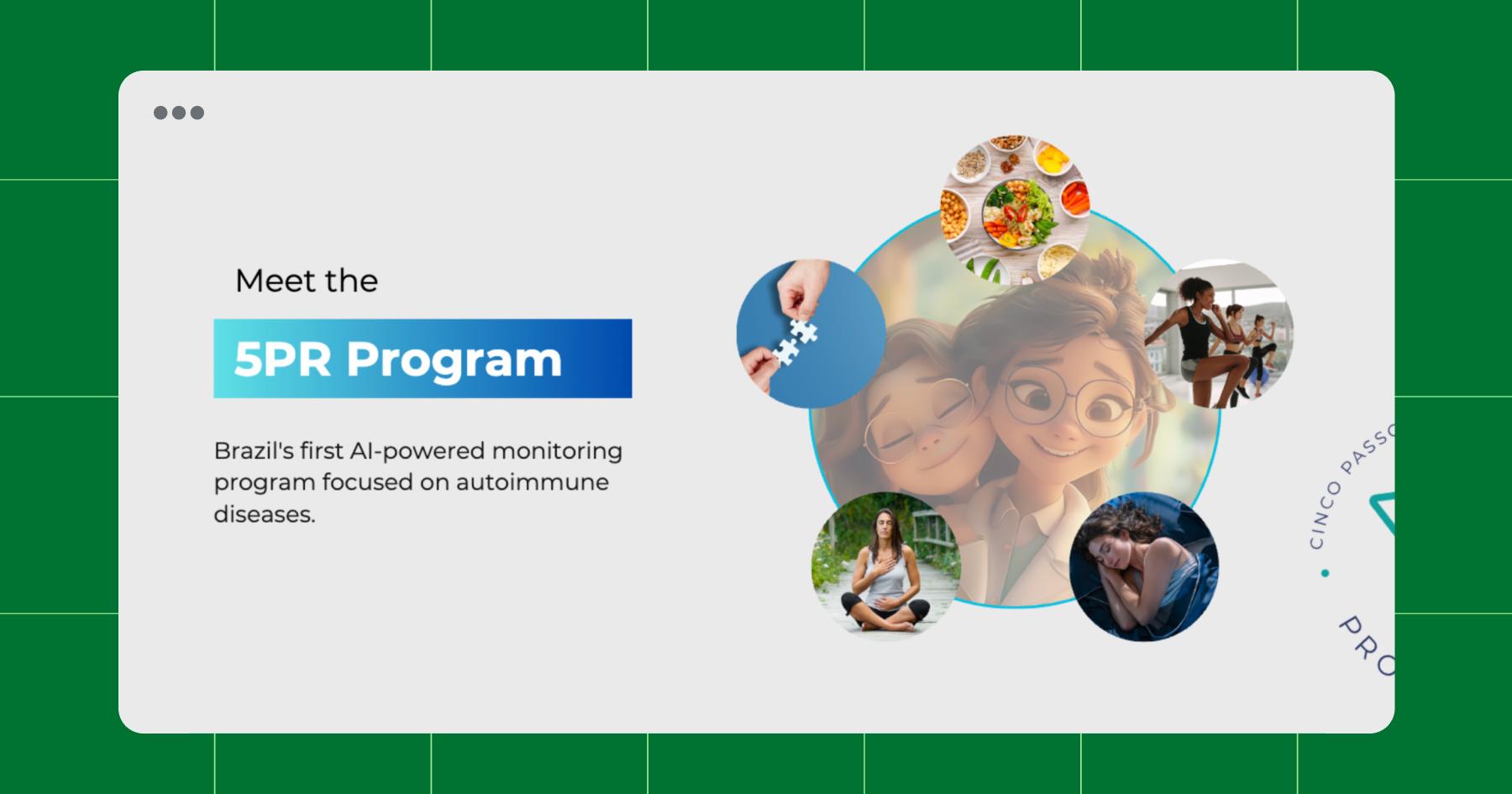
It’s called 5PR (5 Steps to Remission), a treatment methodology created by Dr. Caio Zanetti.
Lucas joined as the developer, transforming the method into a scalable AI-driven system by implementing automation, building MarIA as a character, and designing the gamification structure.
And it’s not a chatbot gimmick. It’s a 12-week gamified behavioral protocol guiding patients through:
- Regulating nutrition
- Body in motion
- Efficient sleep
- Active stress management
- Valuable personal connections
The system advances patients across these pillars through weekly tasks and micro-behavioral reinforcement.
The Problem: A Course That Didn’t Change Behavior
Before automation, 5PR was “just” an online course. Videos. Platform access. Educational content.
And like most online health programs? People dropped off.
“Before the automated version, the program was basically a course hosted on online platforms,” Lucas said. “The problem was that those platforms didn’t let us keep people engaged consistently over time in a way that sustained behavioral change. It wasn’t interactive. It wasn’t frictionless. It wasn’t getting us to the outcome we wanted.”
The manual version relied on motivation. The automated version builds habit. That difference changed everything.
Why WhatsApp? Because this isn’t Silicon Valley
Most of 5PR’s users are 50+. Many are 60+. Some are in their 70s. You don’t force that audience into a shiny new app with onboarding screens and password resets.
You meet them where they already live.
“In Brazil, WhatsApp is the default,” Lucas said. “Even older generations use it every day. So we didn’t want to launch something that required a learning curve. WhatsApp was already familiar.”
For many of these patients, WhatsApp is the internet.
So instead of building an app, Lucas built a fully automated 12-week health journey inside the chat interface they already use to talk to family. That decision removed friction before the first meal was ever logged.
Enter MarIA: The AI Assistant that Scores Your Lunch
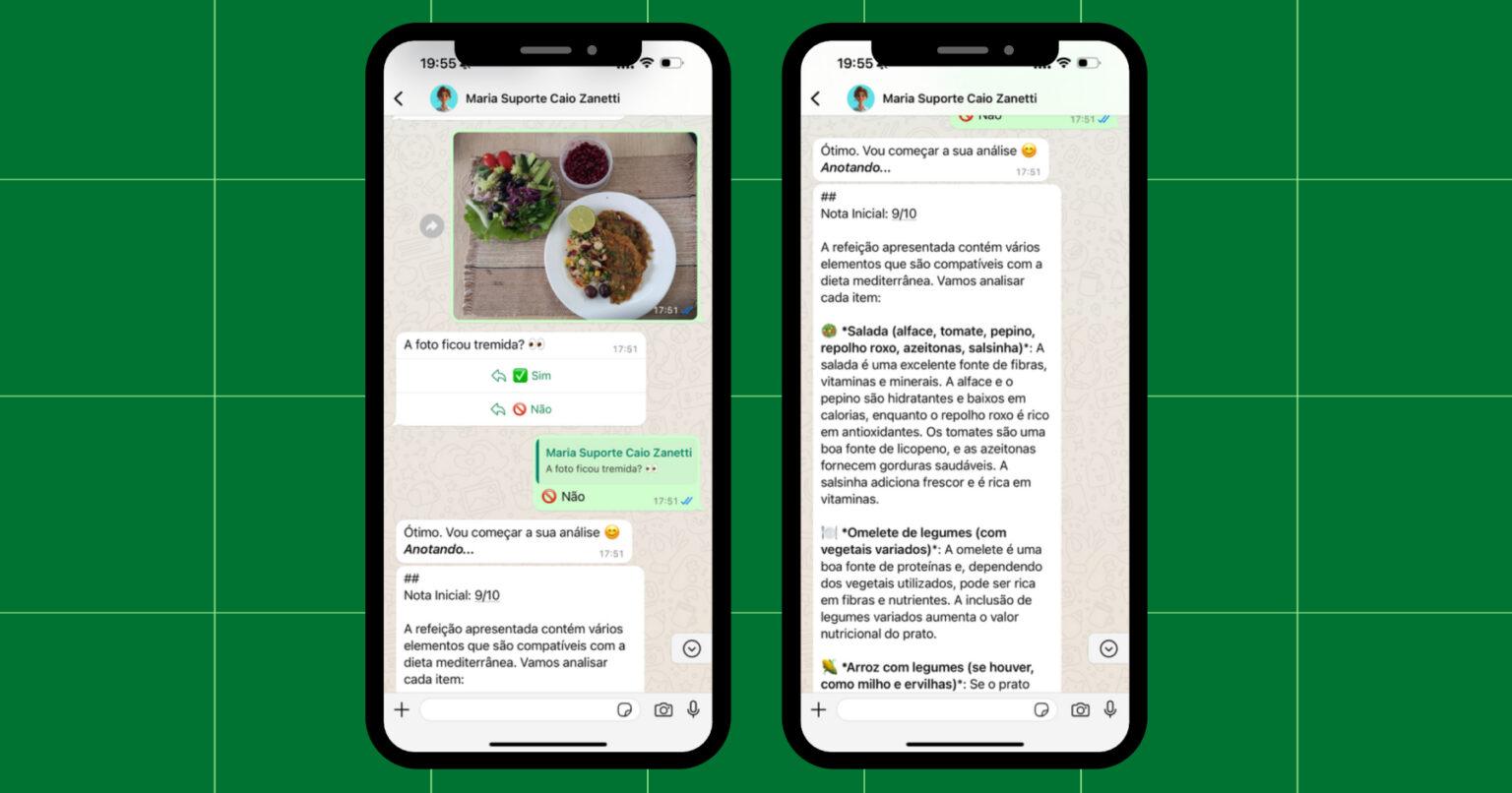
At the center of 5PR is MarIA, the AI assistant. Designed as a character, MarIA creates an emotional connection beyond the doctor–patient relationship.
MarIA does three main things:
- Evaluates photos in real time using computer vision
- Scores adherence to what was proposed within each pillar
In Pillar 01, for example, patients snap a photo of their plate. Within seconds, they receive:
- A nutrition score
- Guidance
- Suggestions for improvement
- Emotional reinforcement
While anyone can scan a meal with generic AI tools, 5PR combines scientific validation, structured feedback, and community reinforcement inside a complete behavioral system. It’s a behavior correction loop. And it works.
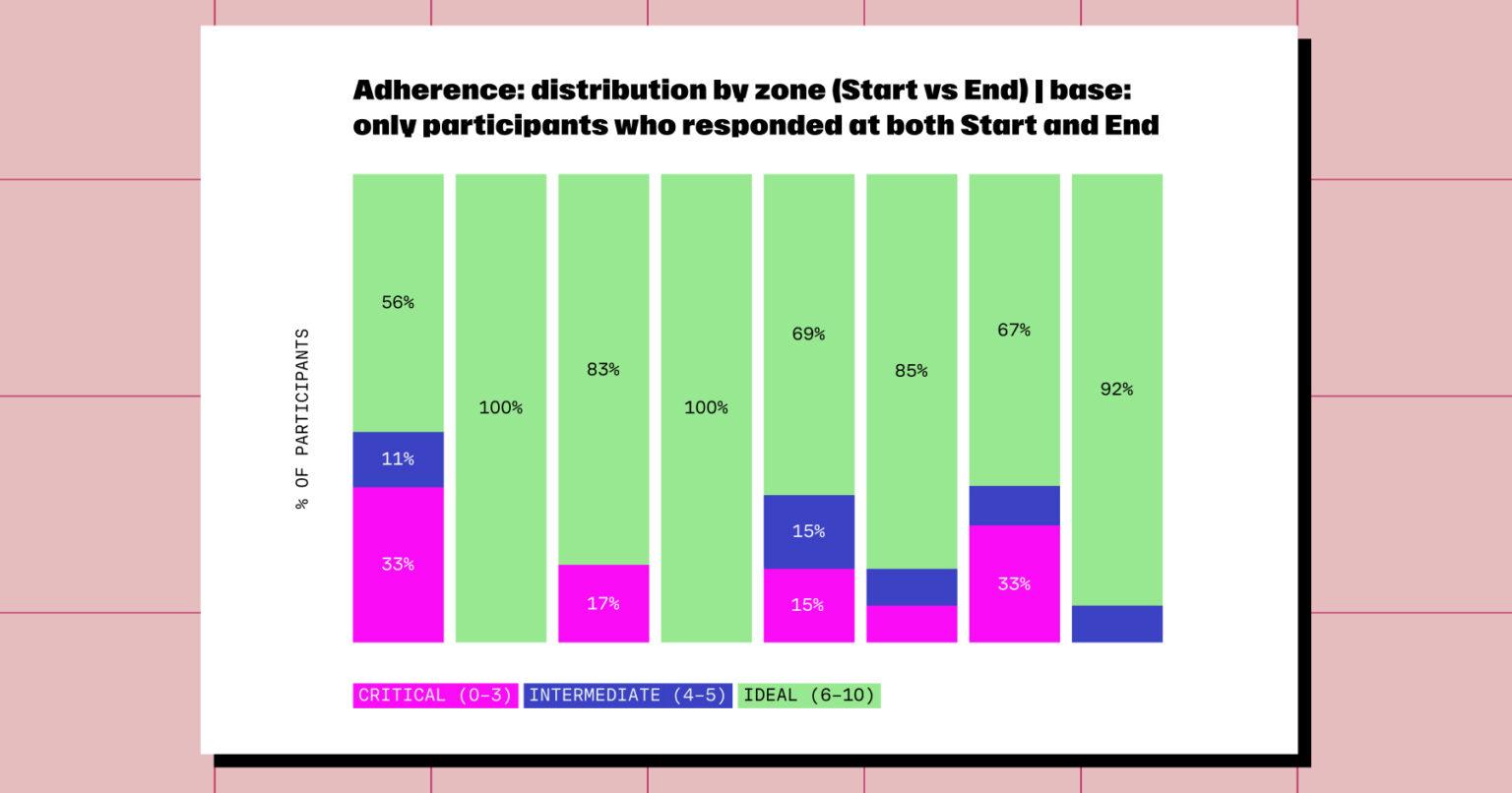
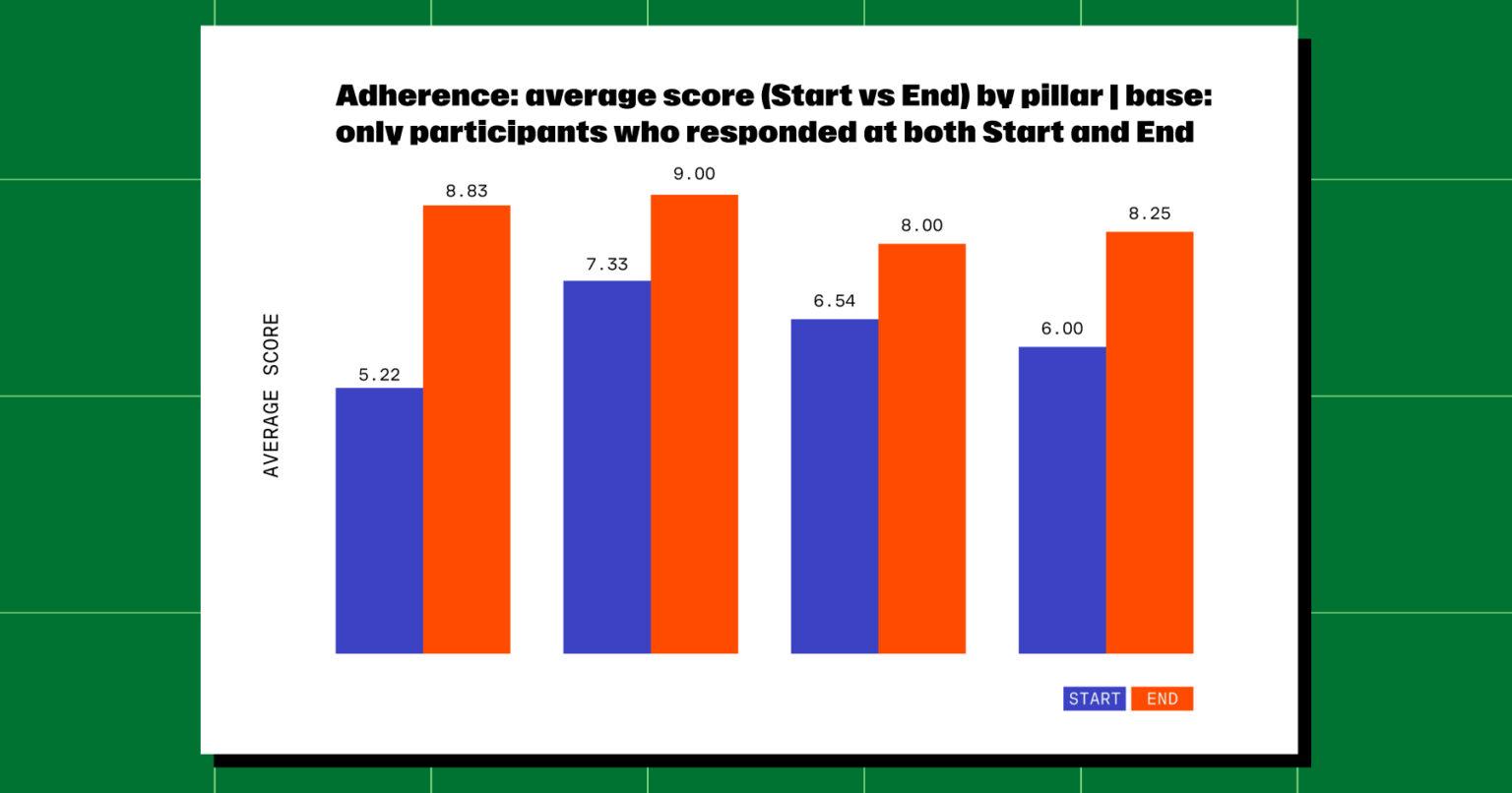
- 50% of participants increased their diet adherence
- 100% of participants who started in the critical zone (score ≤3) moved into the ideal zone (score ≥6)
- 28.6% reported increased well-being
- 15.8% achieved a 30%+ symptom reduction
These improvements occurred without adding new medications, relying solely on structured habit change supported by technology and gamification.
“I think the biggest driver was emotional reinforcement,” Lucas said. “The score tells the patient, in real time, ‘you’re on the right path,’ or ‘here’s what to improve.’ That validation matters to them.”
The Hard Part: AI Hallucinations + Healthcare = Not Cute
Building AI in healthcare is risky.
“Yes, hallucinations are a real risk,” Lucas said. “We had to iterate a lot. I tested many versions of the prompts and logic until the responses were reliable.”
Lucas spent months refining:
- OpenAI API integrations
- JSON parsing
- Prompt constraints
- Daily usage limits
- Scoring systems
- Behavioral tags
He built:
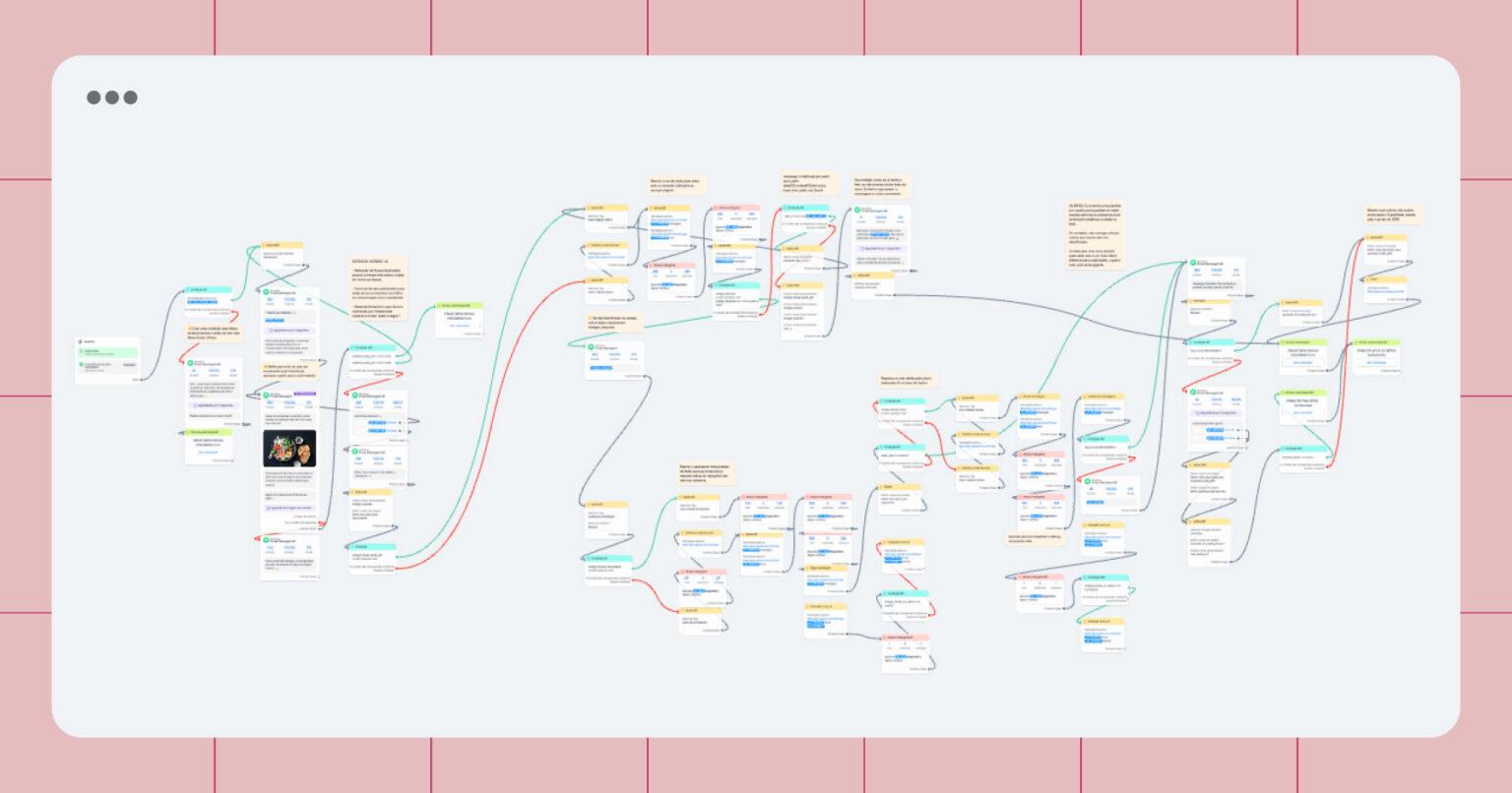
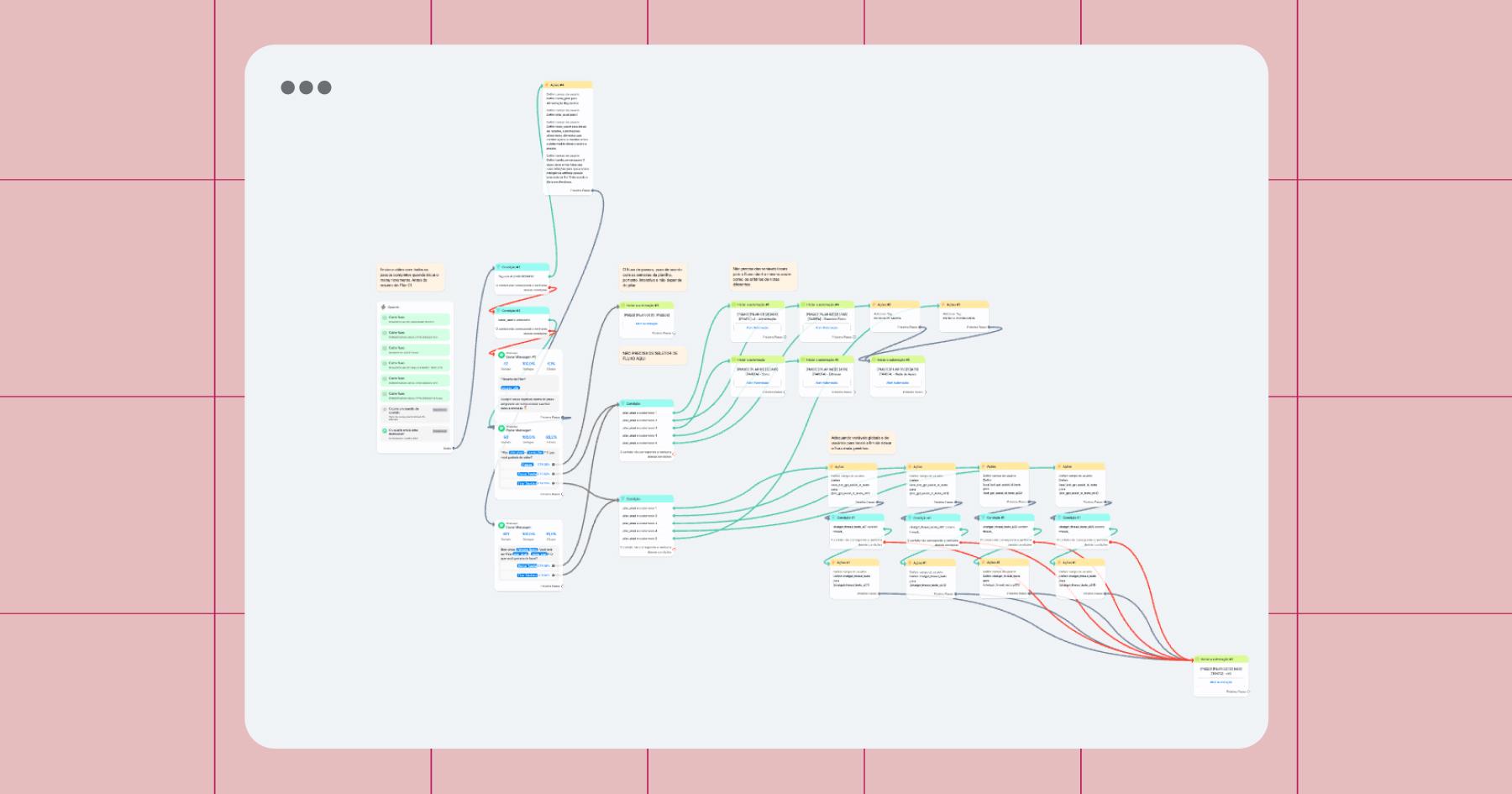
- 25+ complex flows
- 130 user fields
- 57 bot fields
- 50 segmentation tags
Constraints were critical.
Daily photo limits were enforced via system fields, prompts were restricted to prevent unsafe advice, and language loopholes were patched when users tried unexpected inputs.
Retention: Automation Beats the Manual Version
Before automation, 5PR looked like most well-intentioned health programs. People signed up excitedly. They watched. They started strong.
Then life happened.
Week two? Energy dips. Week three? The novelty wears off. Week four? You meant to log your meals, but you forgot.
And because there was no real-time system nudging, reinforcing, correcting — people just… drifted.
But today? Retention sits around 70%. For a 12-week behavioral health program, that’s incredibly strong.
If someone doesn’t submit a meal? The system notices. If someone shows up daily? The system reinforces.
Automation significantly improved completion rates compared to the manual model because the manual version relied on willpower. The automated version relies on structure and structure scales.
“Being on a shared journey is what makes people actually use it,” Lucas said.
And no, it’s not replacing medical professionals
We aren’t talking about robots wearing lab coats and diagnosing lupus.
“I don’t see this as replacing doctors,” Lucas said. “The human connection matters. AI supports simple tasks such as faster feedback and consistency, but the doctor-patient relationship is still essential.”
5PR is structured as an online behavioral course. If symptoms worsen, participants are directed to consult their own physicians. It’s not adjusting prescriptions. It’s not reading lab panels or telling someone to stop medication. It’s built to reinforce lifestyle behaviors.
Why Manychat was Non-Negotiable
If Manychat didn’t exist?
“We’d probably have something much more basic,” Lucas said. “Manychat gave us reliability and confidence to scale. When you have launches and high traffic, you need a platform you can trust.”
Without Manychat:
- No scalable WhatsApp infrastructure
- No robust field logic
- No clean API orchestration
- No reliable high-volume automation
The technical architecture costs roughly:
- ~$100/month baseline
- ~$200/month including community management tools
And the program has already generated $10,000+ across two cohorts.
What’s Next?
Voice integration. A doctor-facing dashboard. A distributable version for other physicians.
“Voice is important,” Lucas said. “Patients send audio constantly. But the next big step is a dashboard so doctors can follow progress and intervene when needed.”
A place where physicians can log in and see:
- Which patients are slipping in adherence?
- Who’s trending upward?
- Who hasn’t submitted meals in three days?
- Who needs intervention?
Right now, MarIA reinforces behavior. What if the dashboard could turn that reinforcement into clinical visibility?
“Doctors could follow the patient through the journey and fix errors,” Lucas said.
Translation: lifestyle data stops living in a black hole.
Imagine being able to walk into a doctor’s appointment and instead of saying, “I think I’ve been eating better?” there’s a structured, timestamped behavior record behind it.
Lucas wants this to be distributable. Not “hire Lucas to custom build your flow.” A system other doctors can plug into. Which is when this stops being a smart WhatsApp program and starts becoming something more uncomfortable for traditional healthcare: Scalable.
Healthcare systems struggle with daily accountability.
If you can:
- Deliver structure inside the messaging app patients already use
- Reinforce lifestyle change without adding overhead
- Give doctors visibility without adding admin burden
Then you can change how chronic care gets reinforced. Suddenly, this isn’t “AI inside WhatsApp.” It’s a blueprint.
The Personal Layer

Lucas built this while managing his own autoimmune diagnosis — Graves’ disease.
He didn’t design something he wouldn’t use himself.
And that’s visible in the restraint:
- Simple UI
- No cognitive overload
- Clear menus
- AI “inside” the system, not exposed
“They shouldn’t have to figure out how to talk to AI. They just follow the journey.”
That’s product empathy. Empathy that understands that when you’re sick, friction is disqualifying.
His advice to anyone building medical automation?
“Start with an MVP,” Lucas said. “Solve one clear problem for one audience. Launch fast. Don’t wait too long.”
Build → test → ship → refine.
Most people don’t think of WhatsApp as a platform for structured health programs. But as more stories like this start popping up, it’s clear that it has its place in the ecosystem.
If you’re reading this as a health business…
Imagine:
- Patients submitting meals daily.
- AI reinforcing adherence instantly.
- Behavioral data tracked in structured fields.
- Retention improving without hiring more staff.
- Infrastructure costing less than one in-person session.
That’s already happening inside WhatsApp. Built on Manychat.